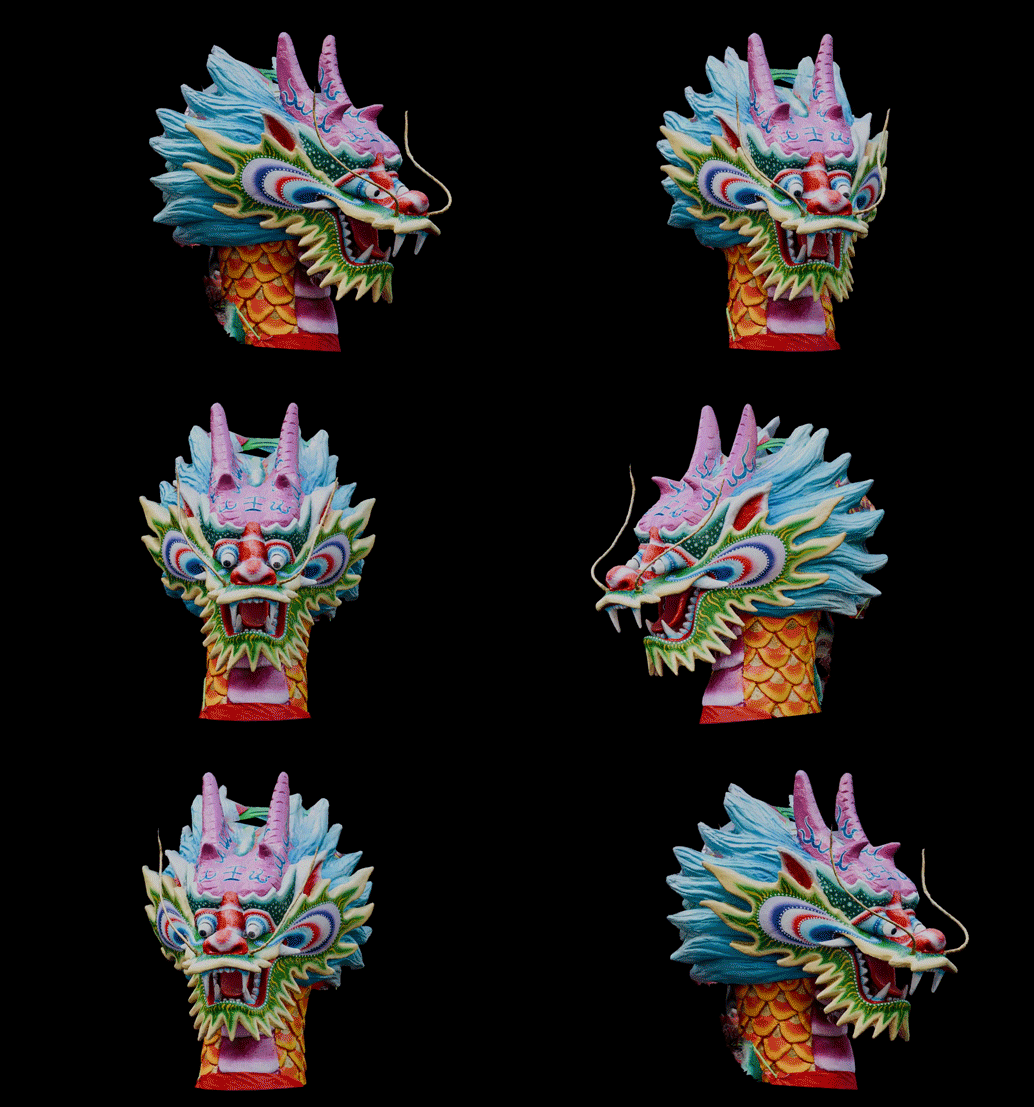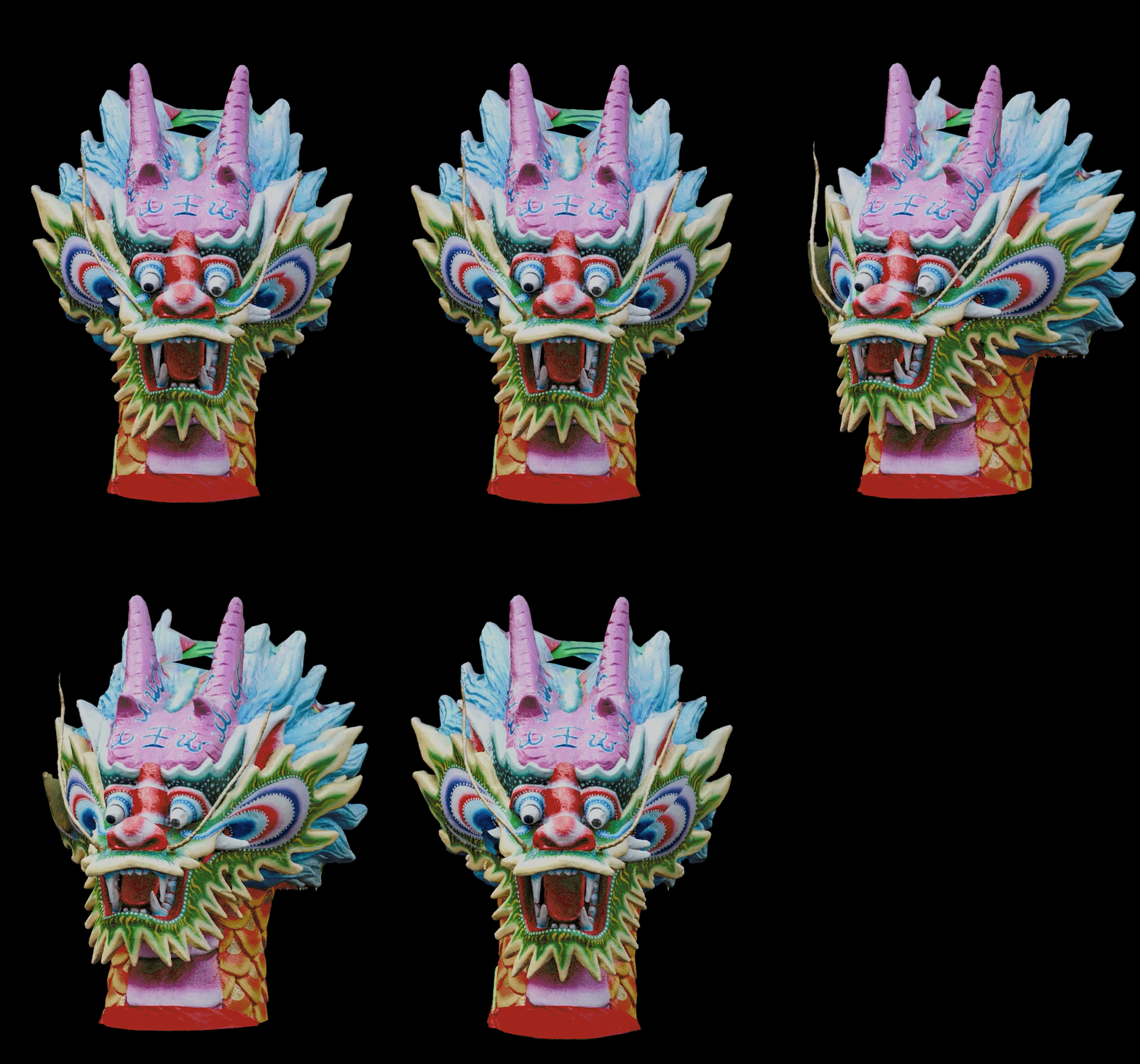
Taiwan Street Stories is a multimedia installation that explores the lives of street workers, their surrounding landscape, and daily moments on the streets of Taiwan.
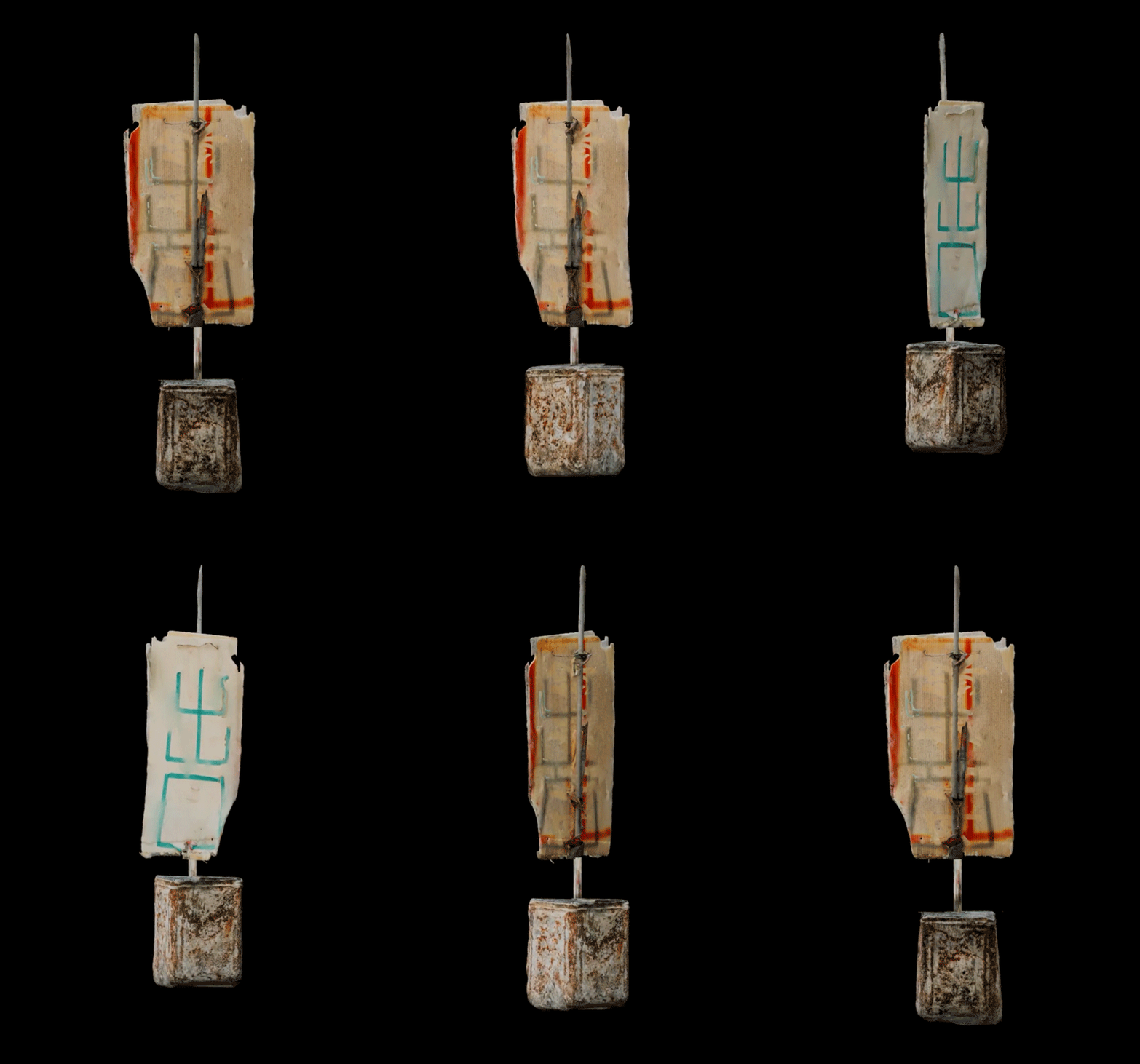
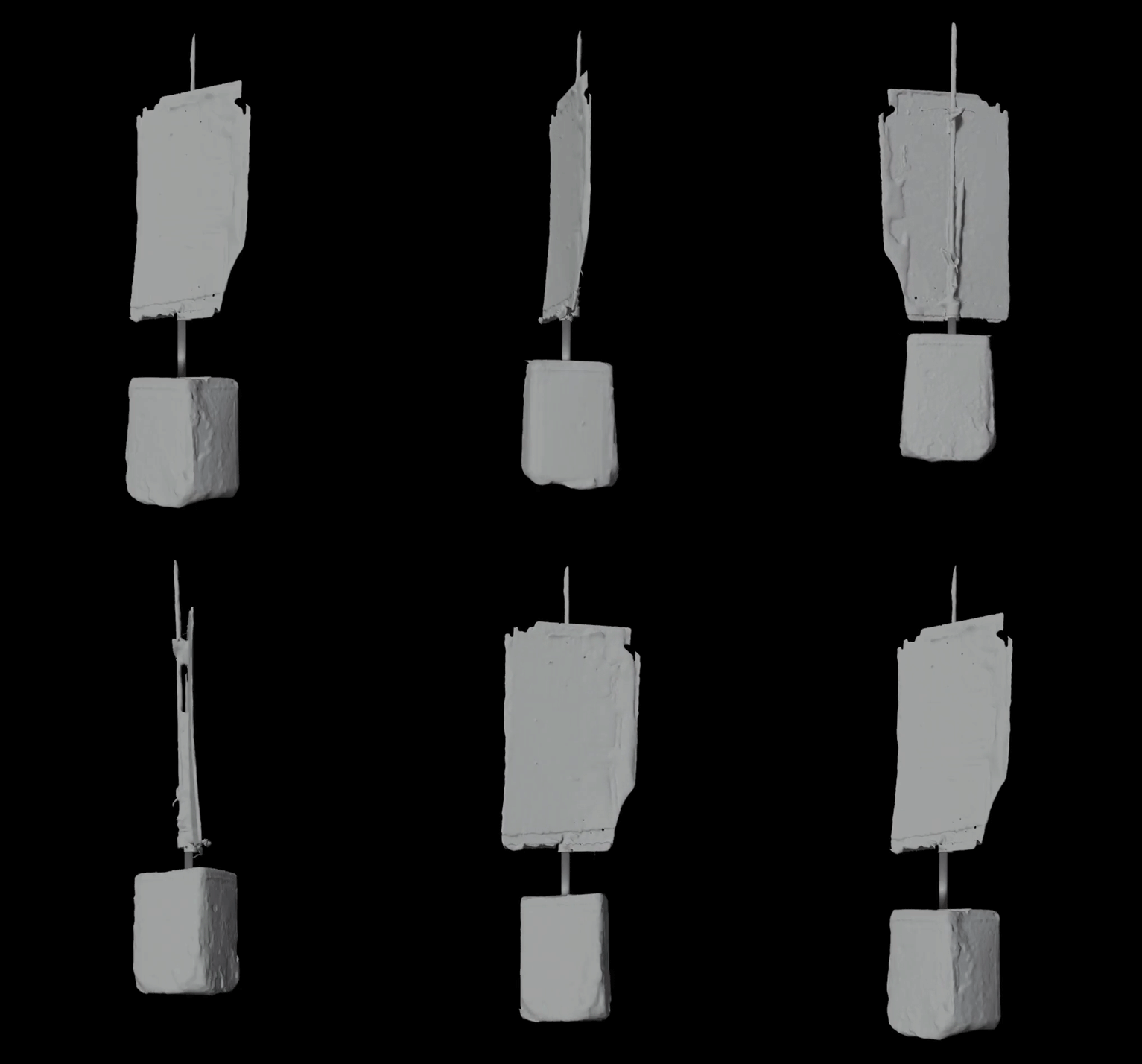
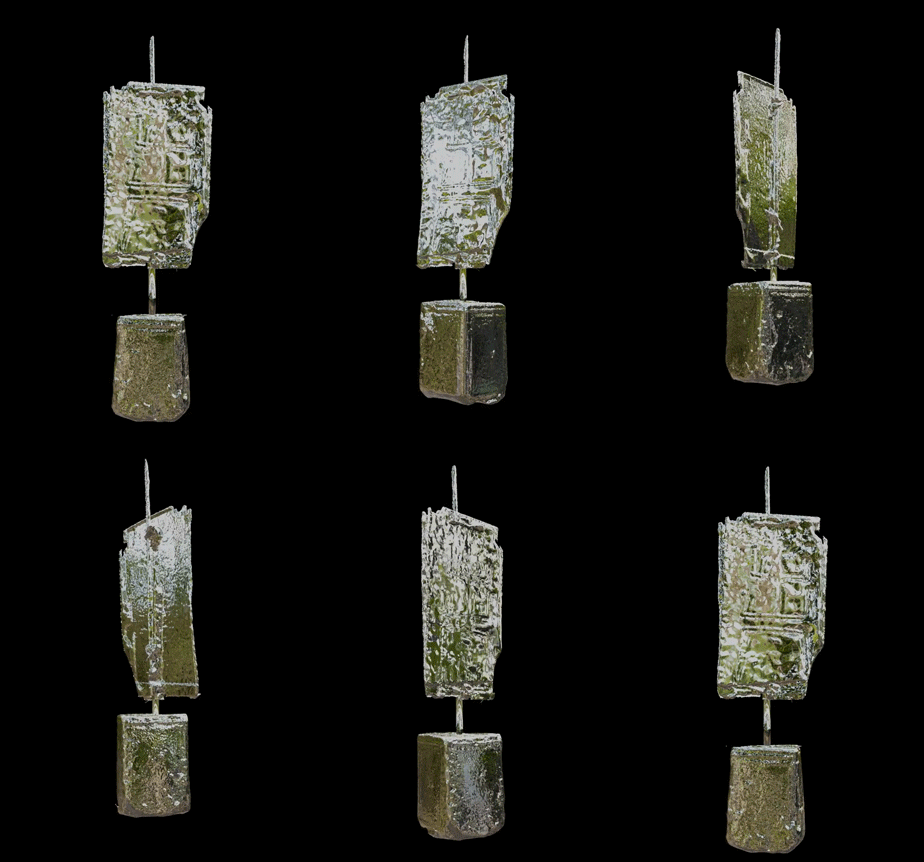
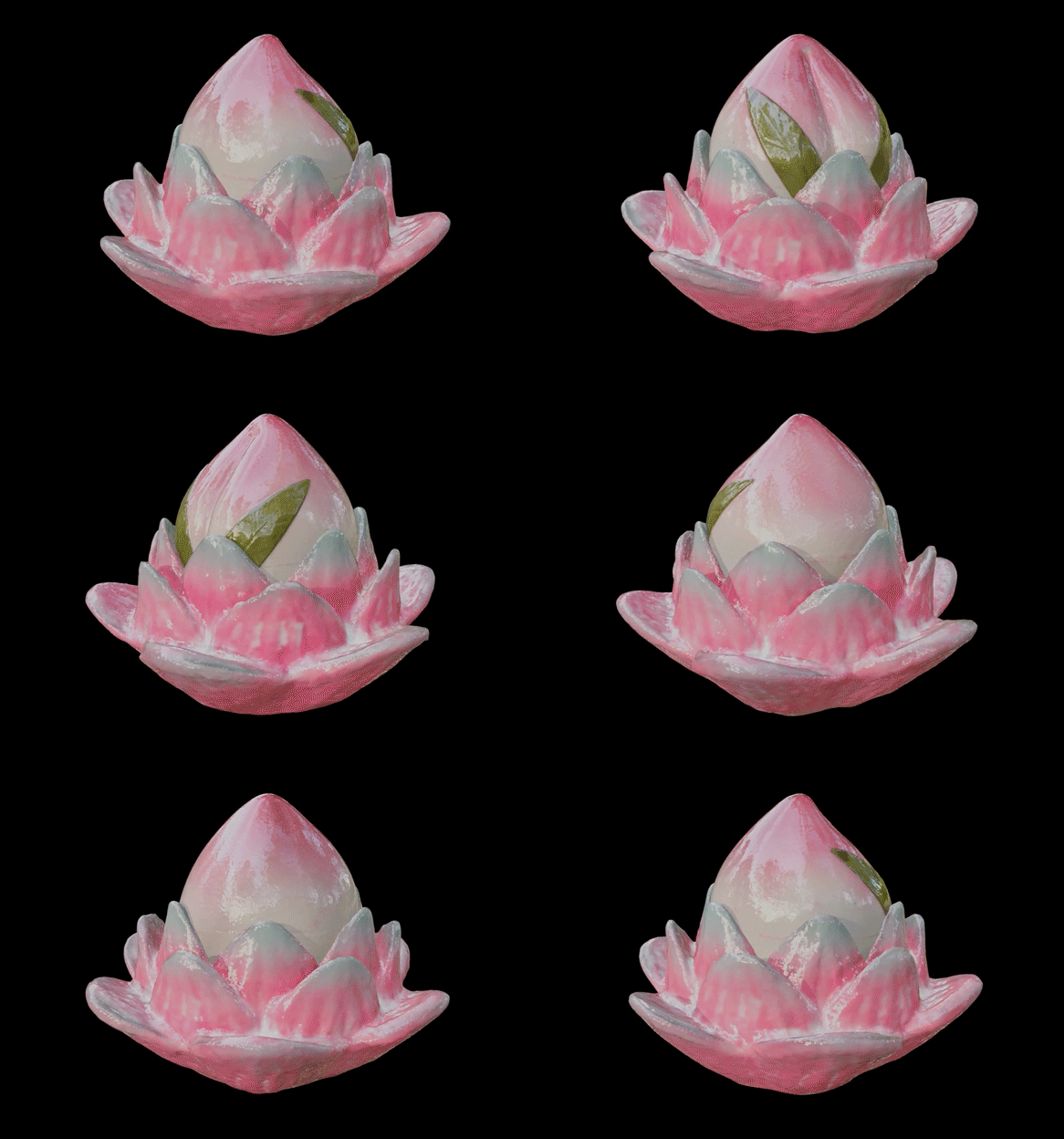
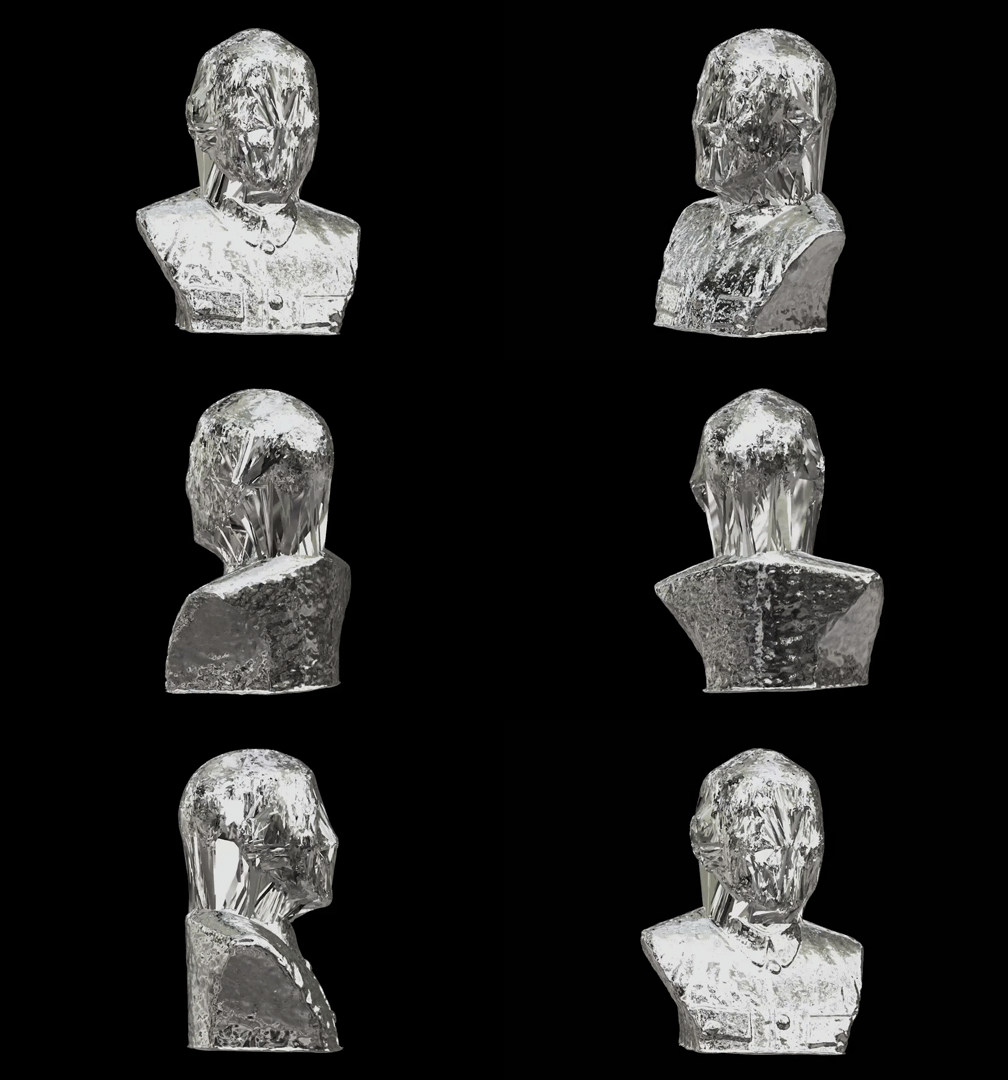
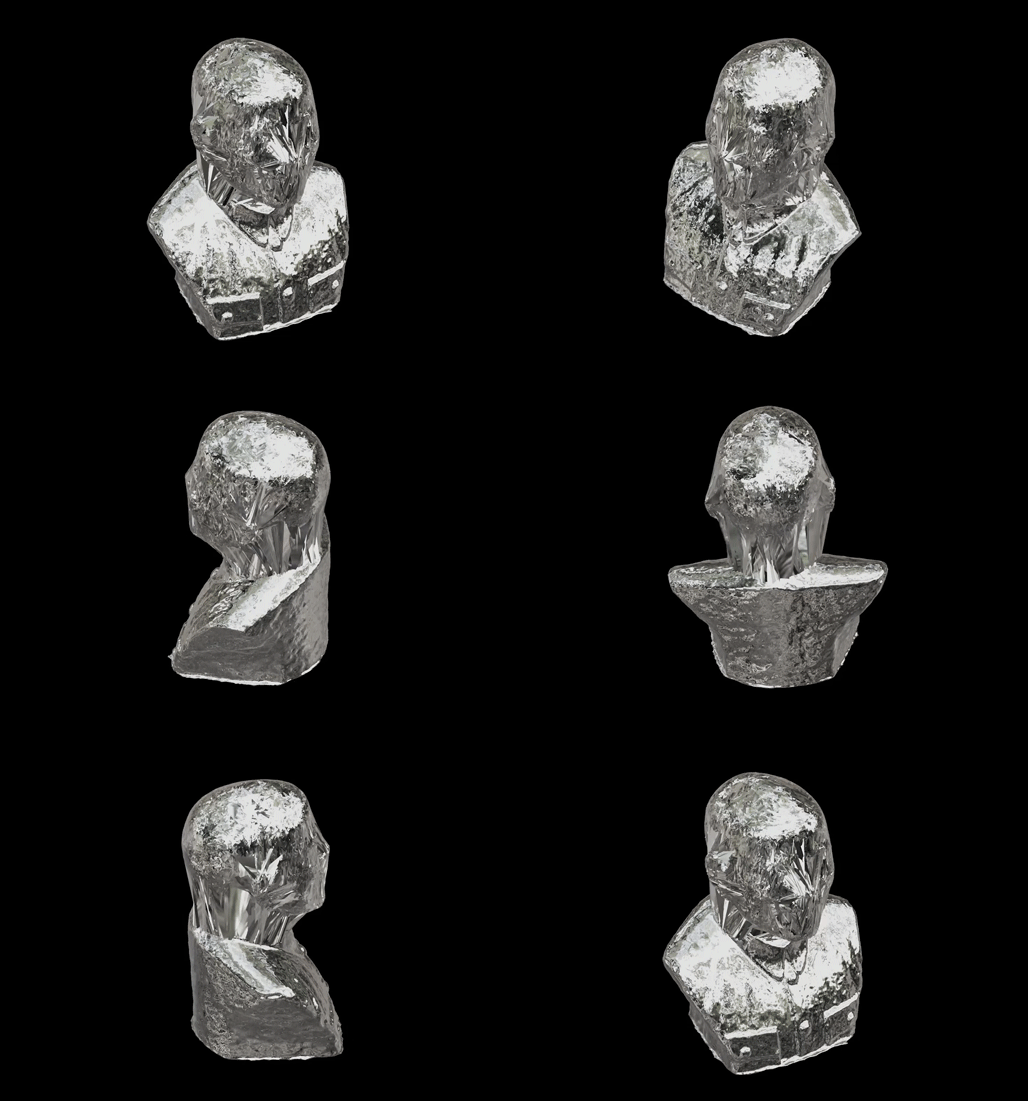
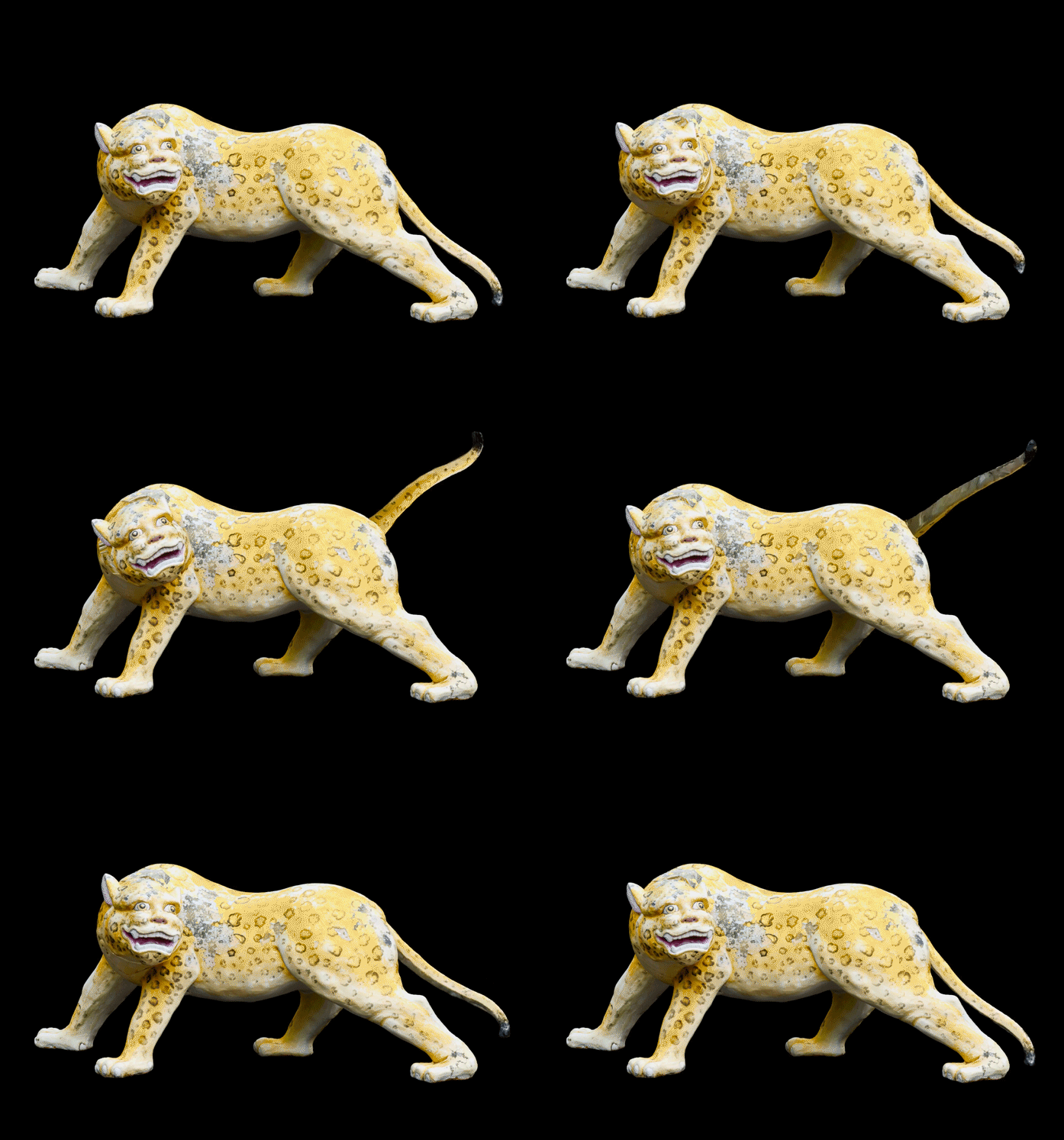
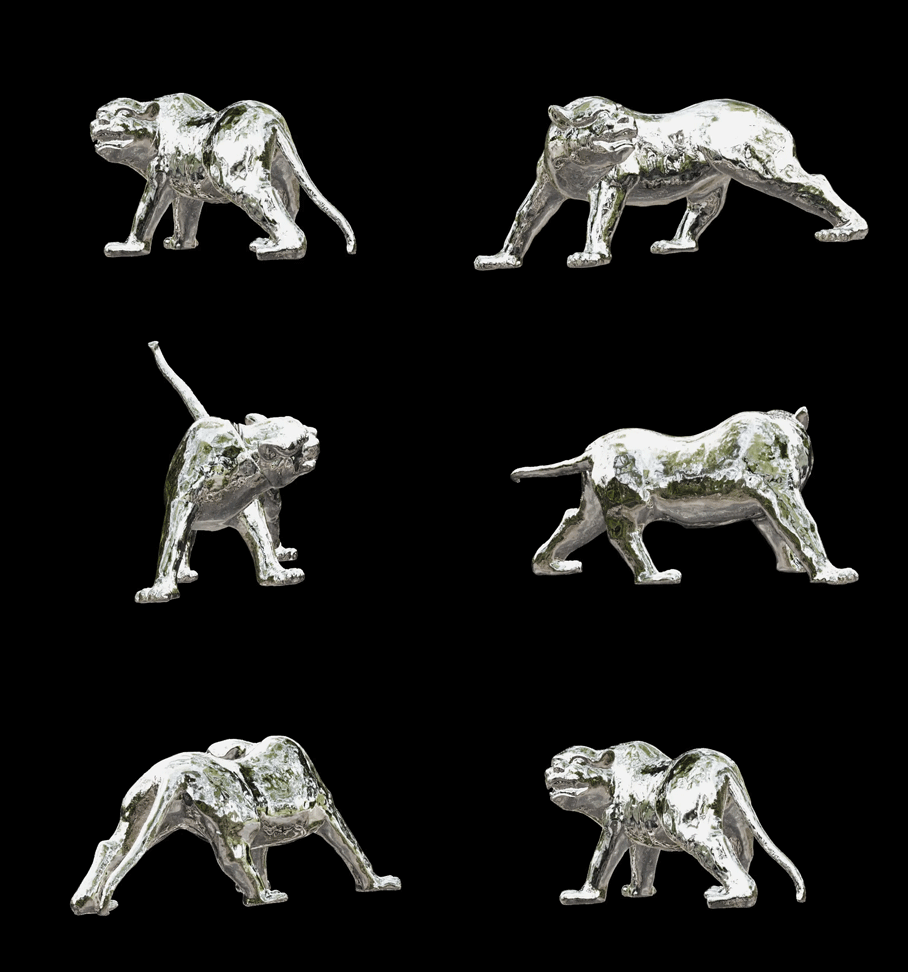
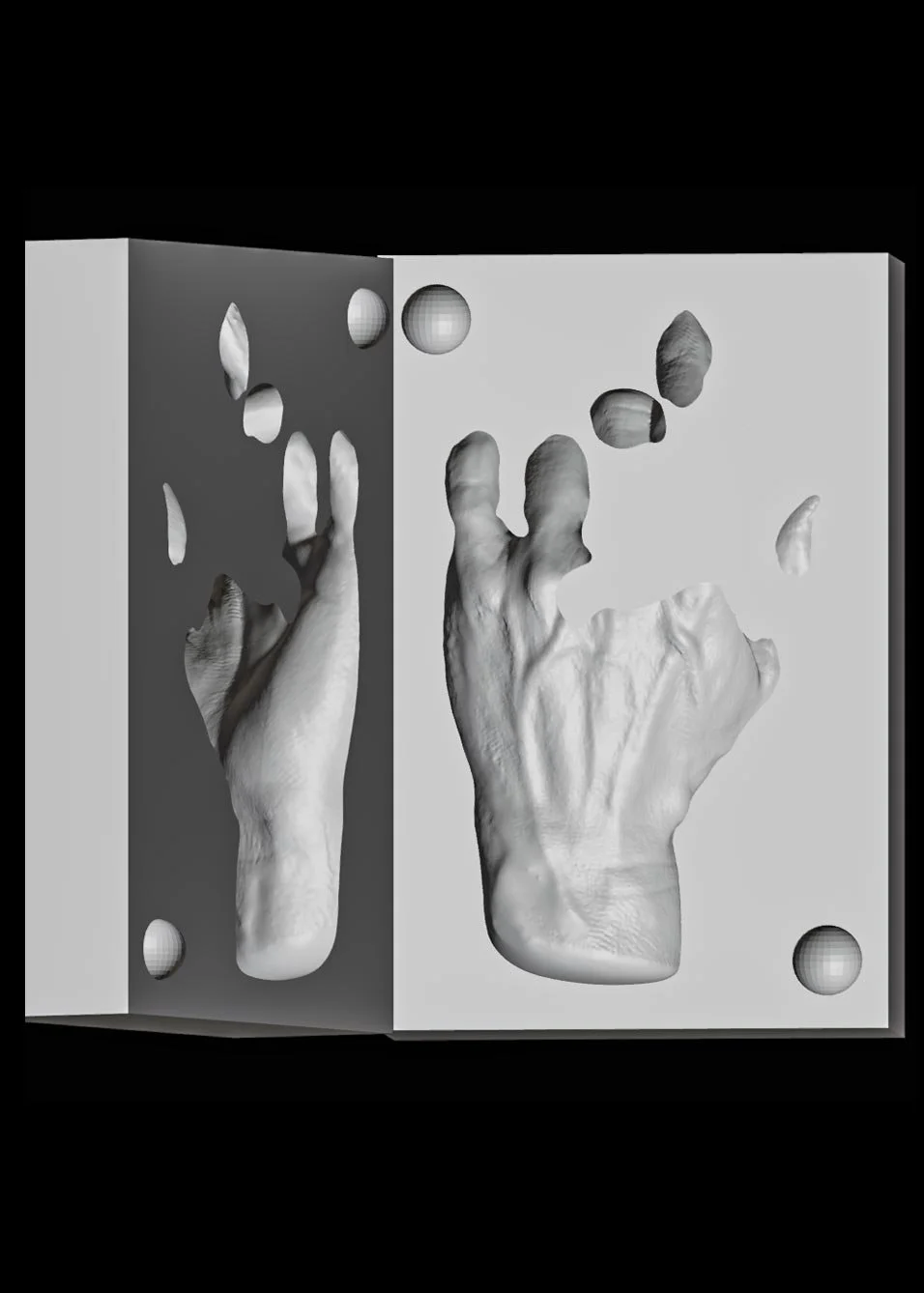
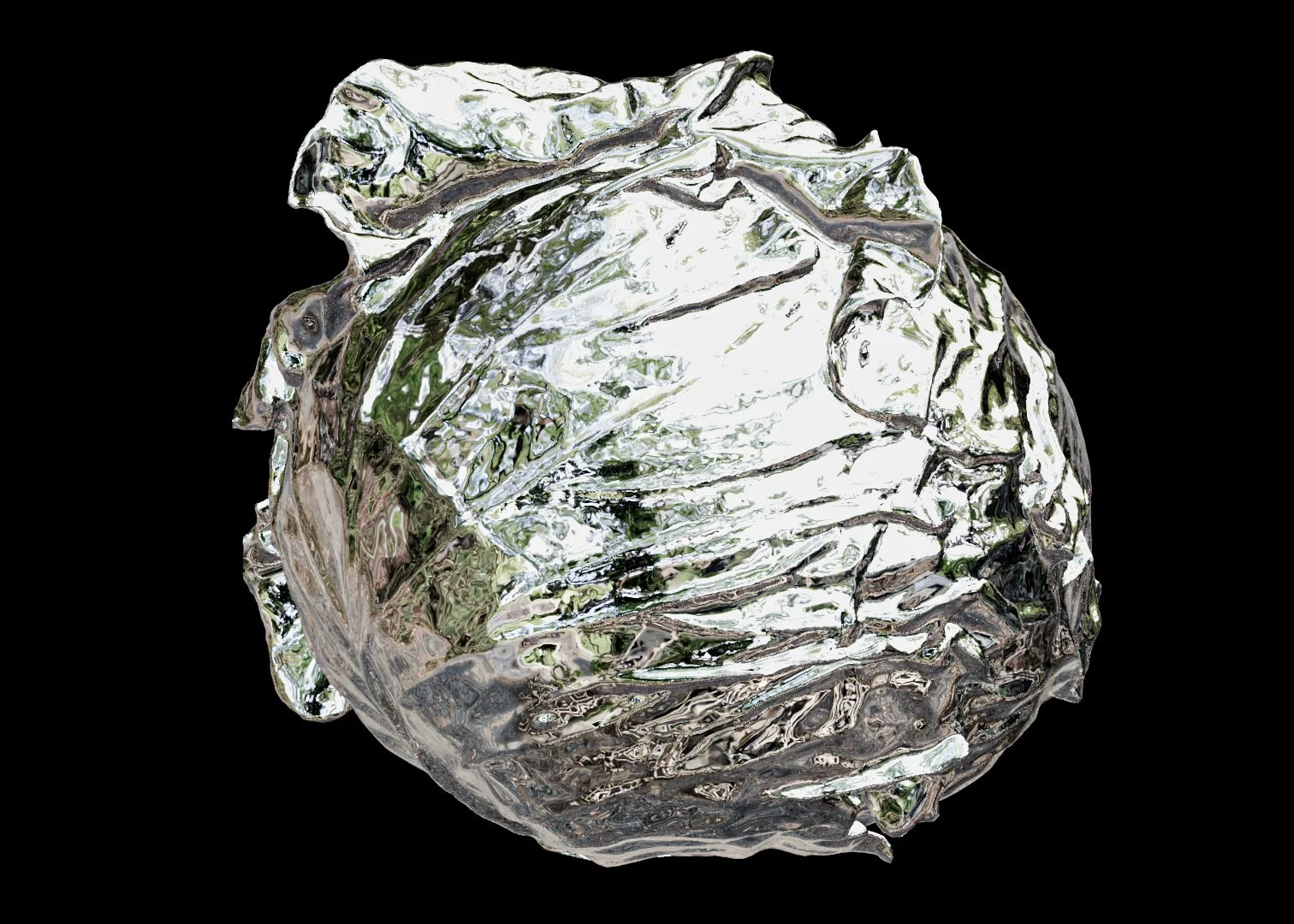
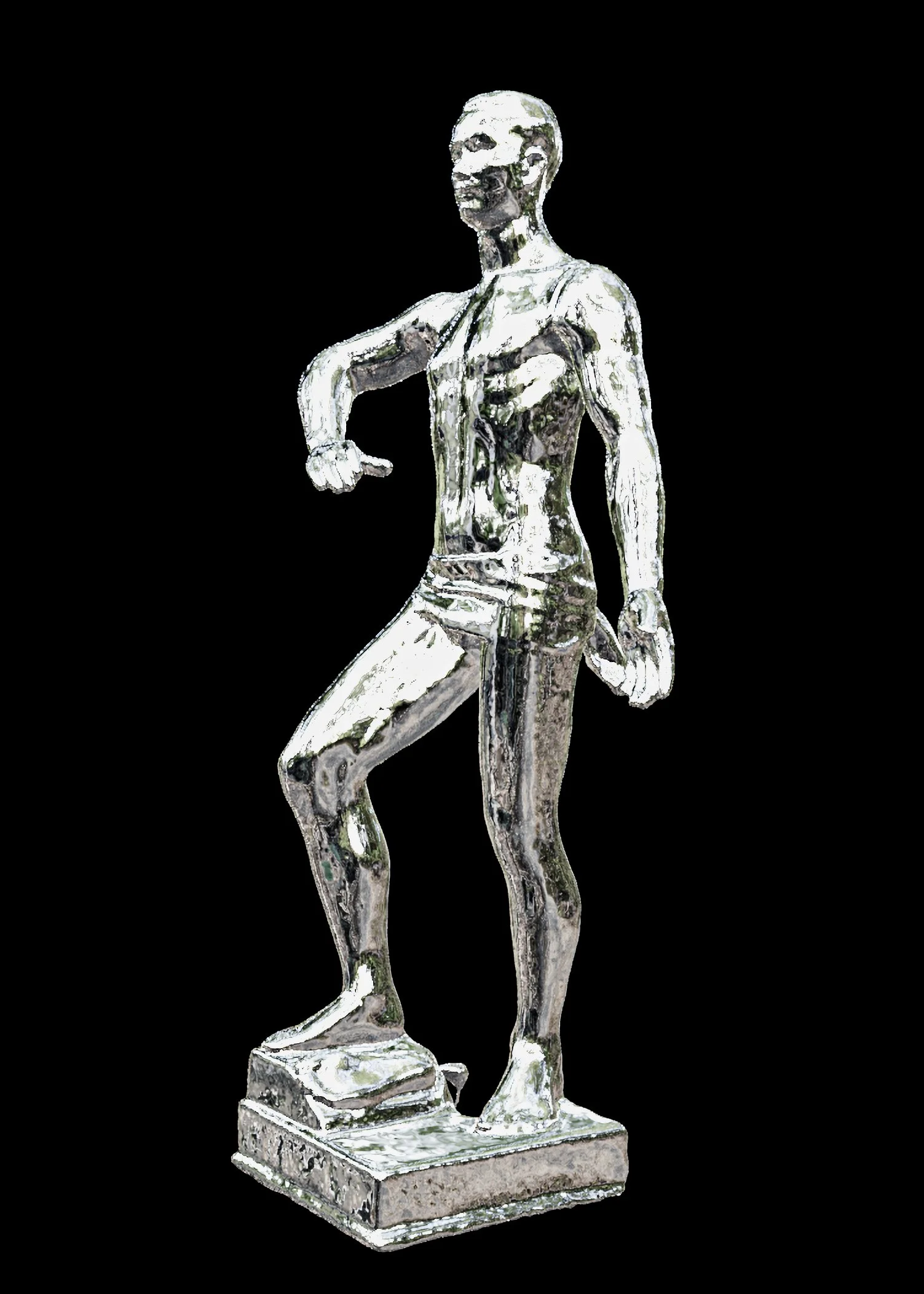
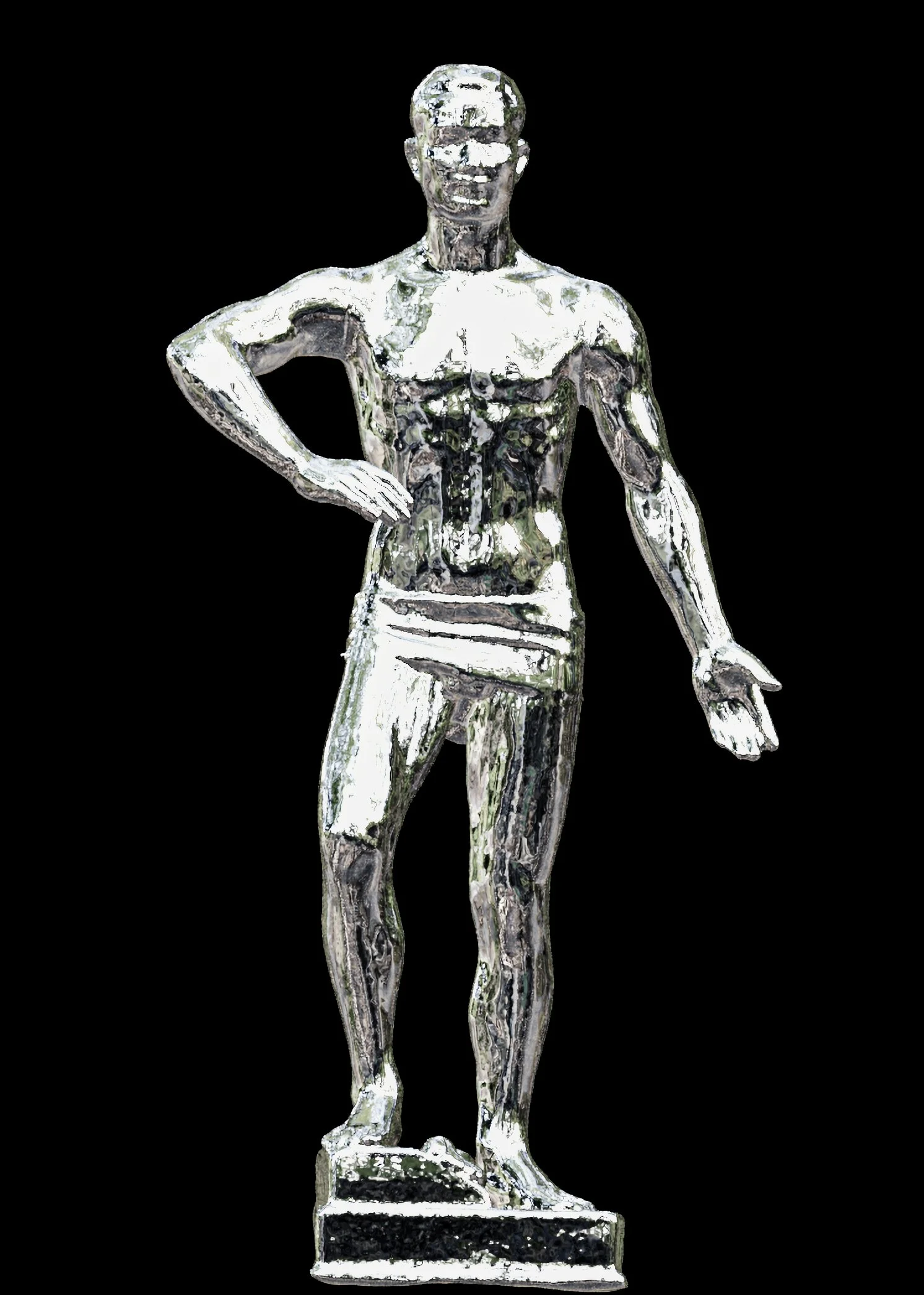
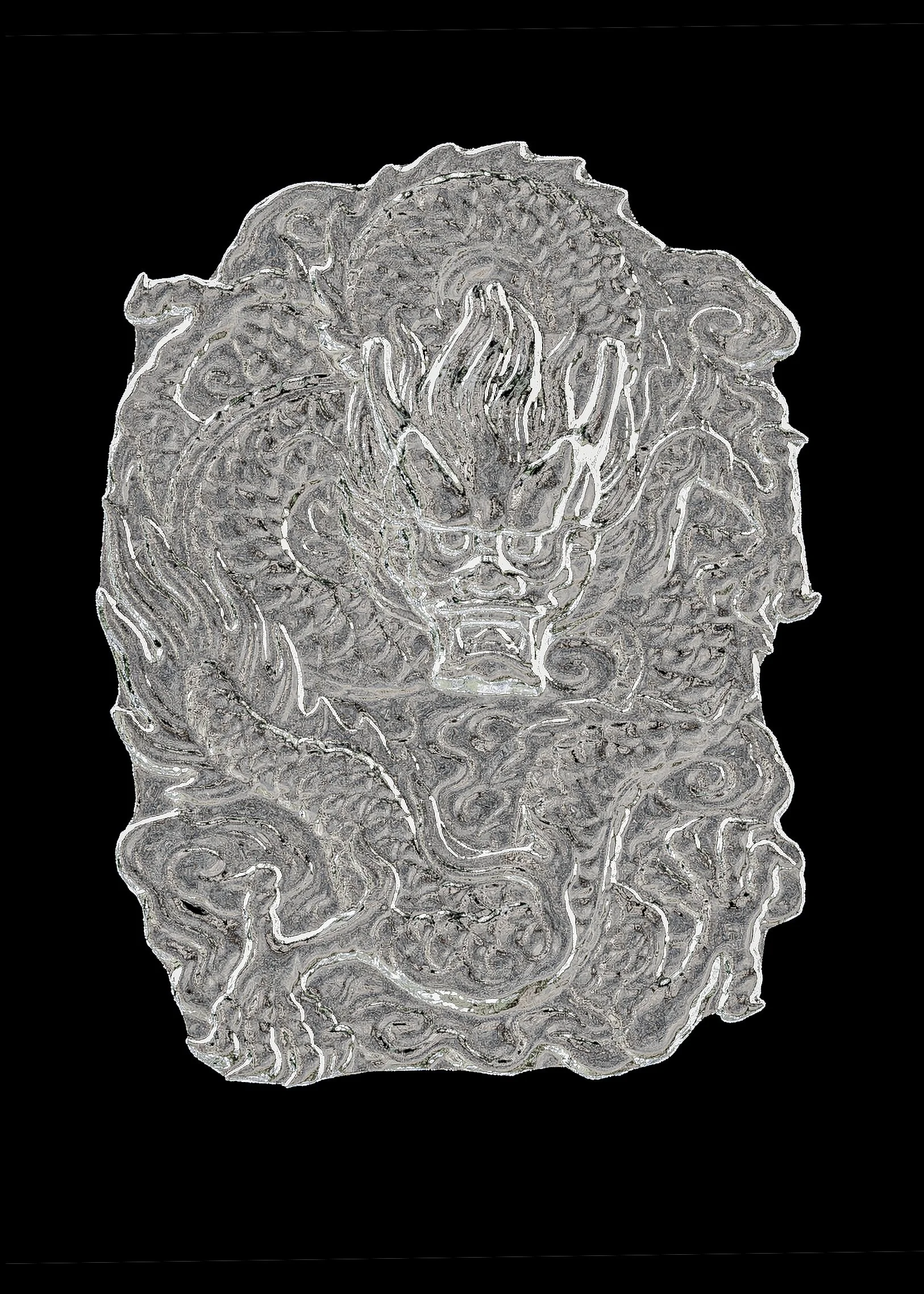
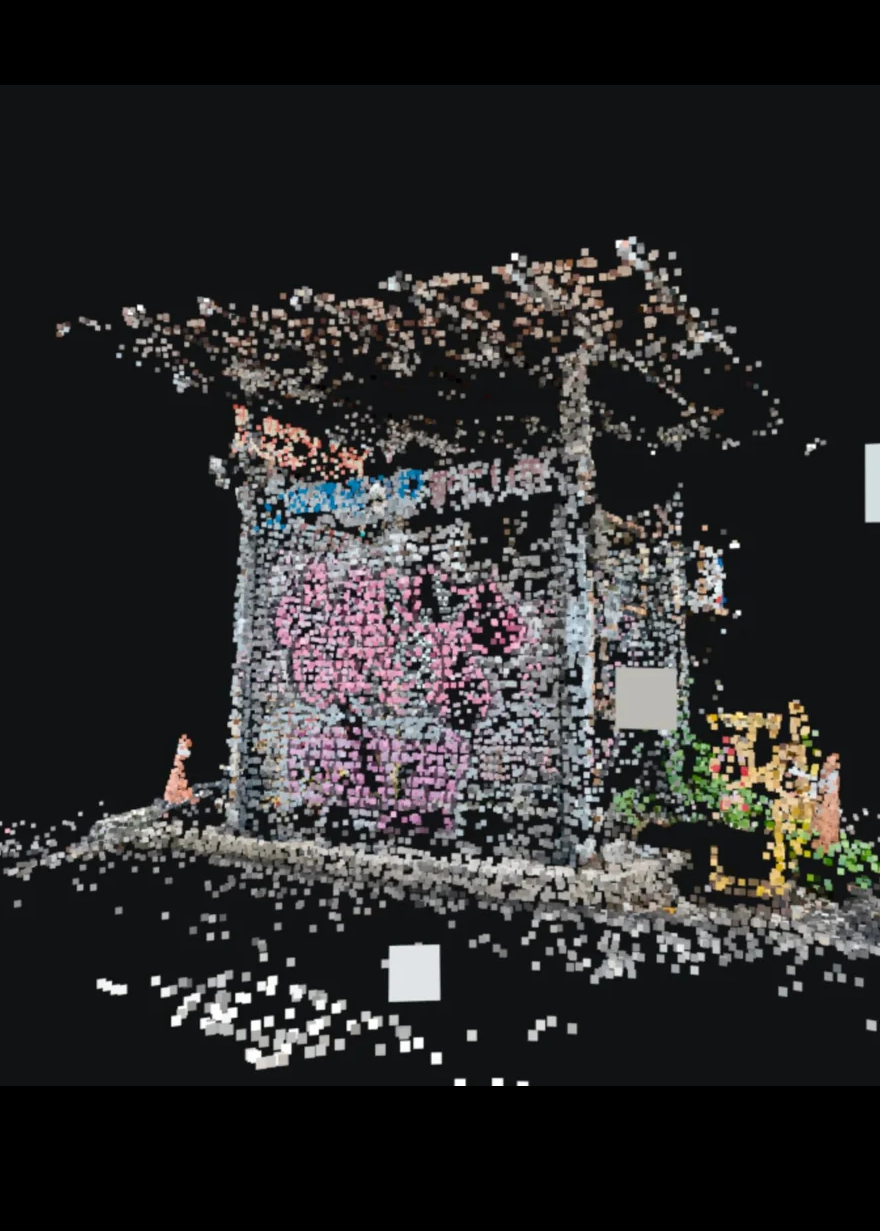
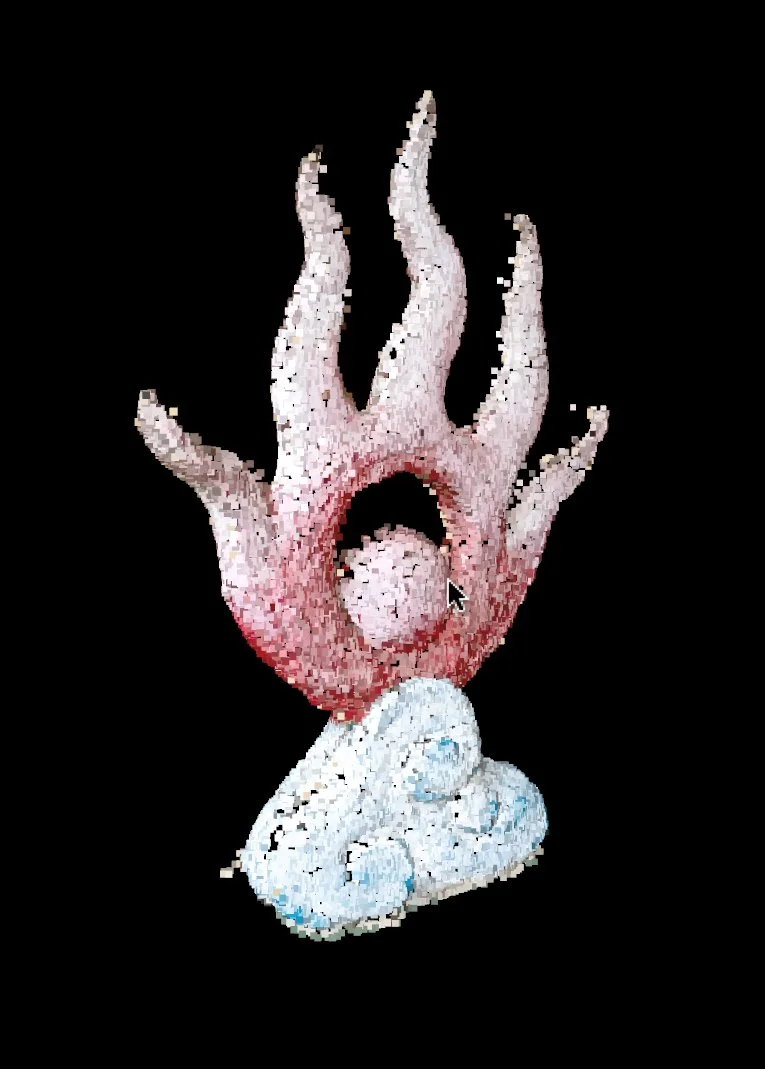
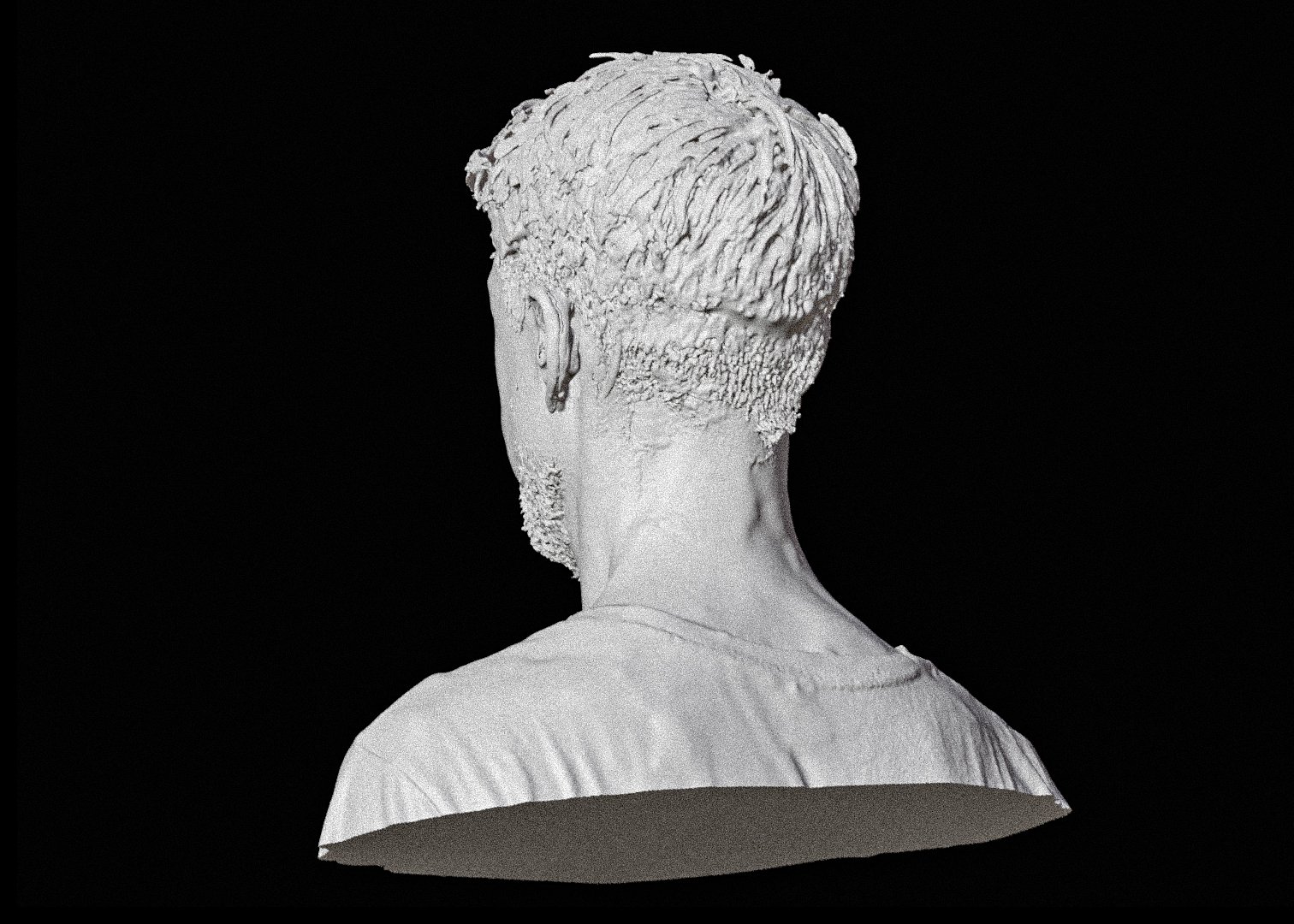
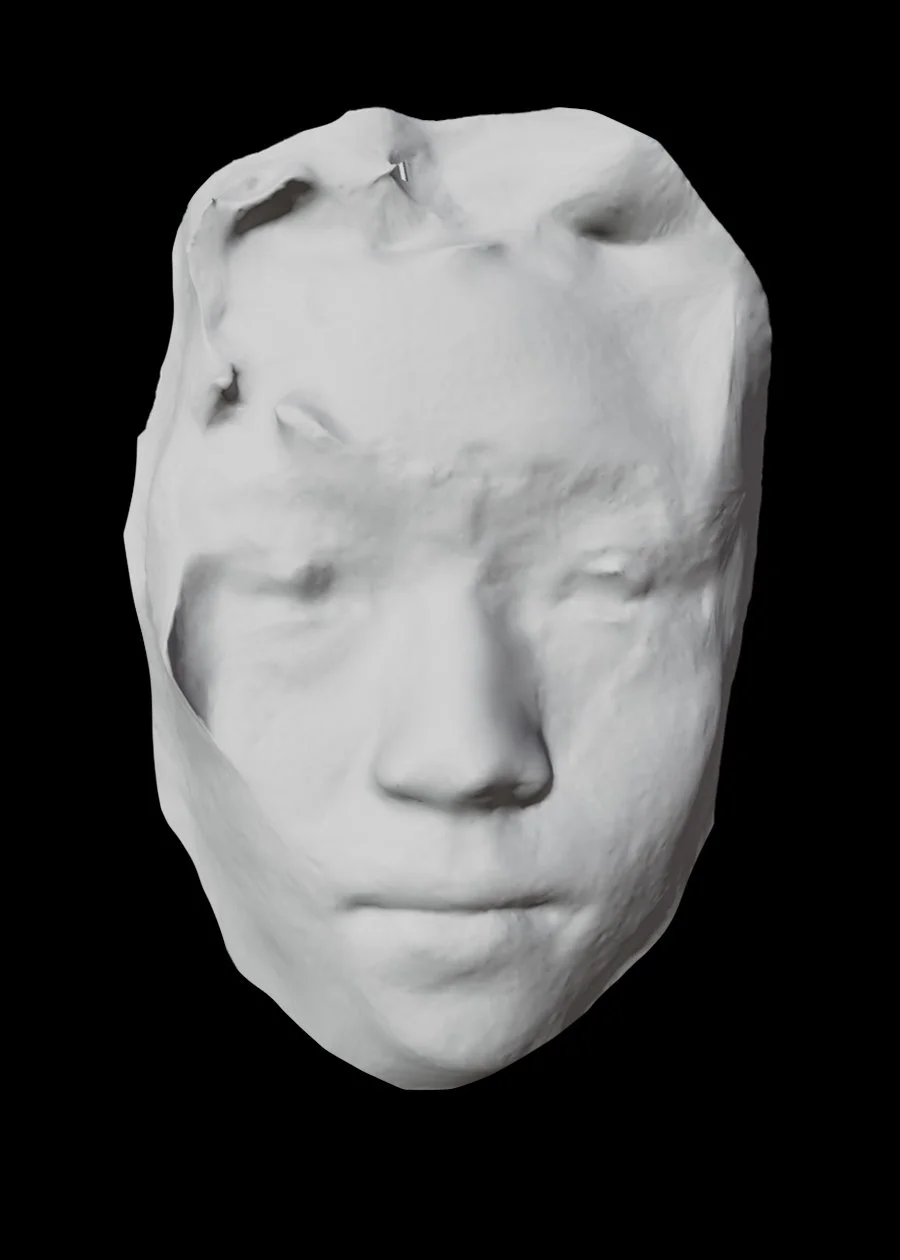
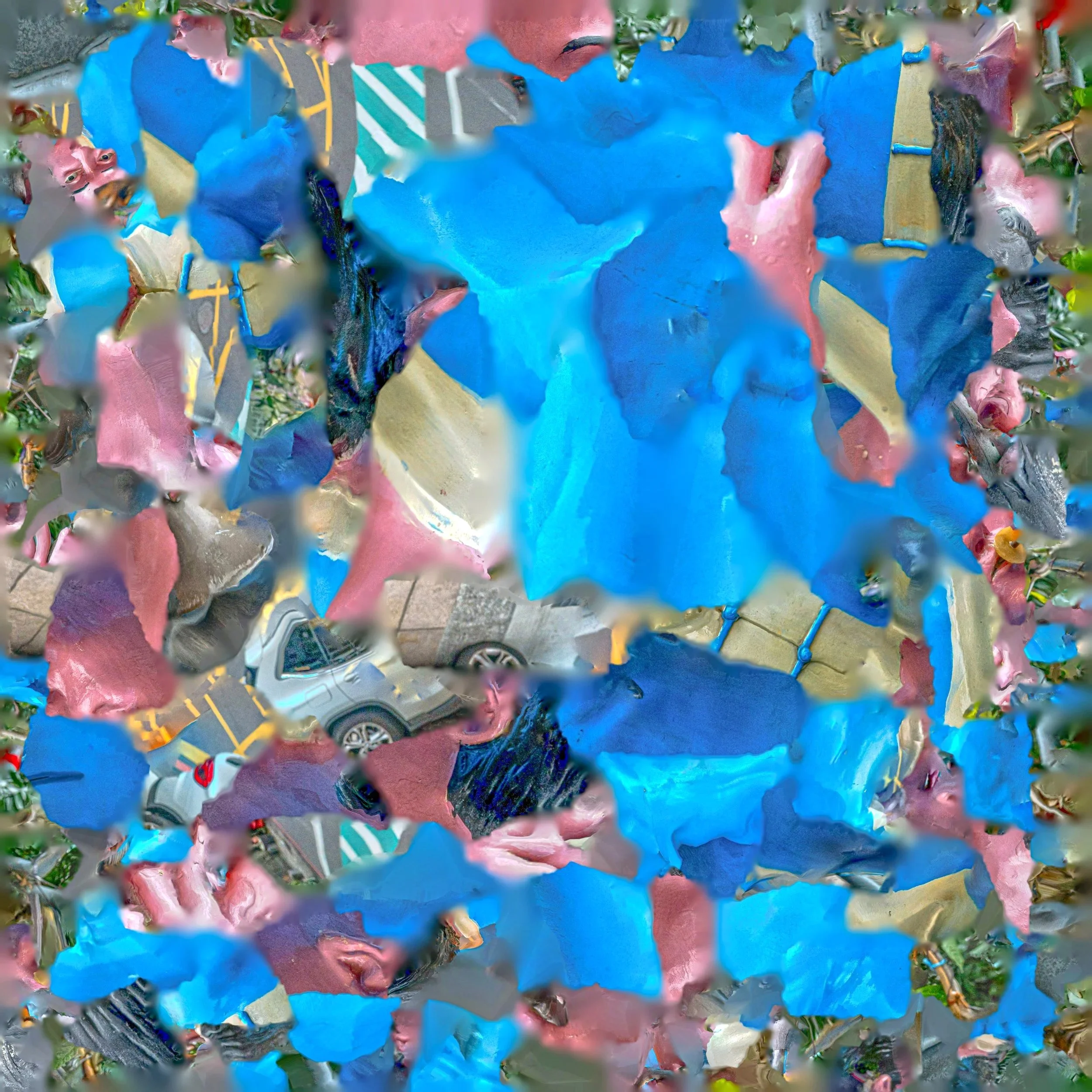
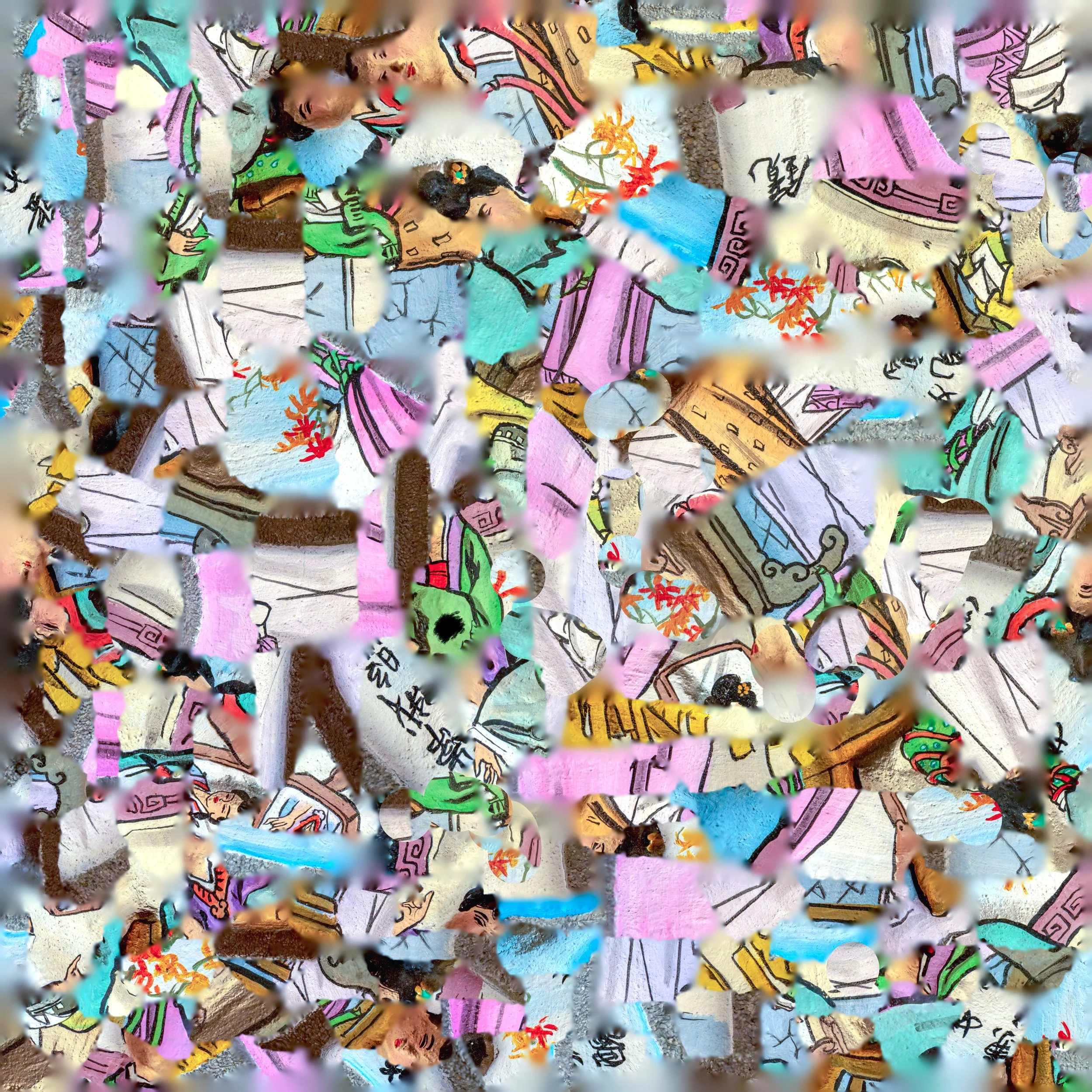
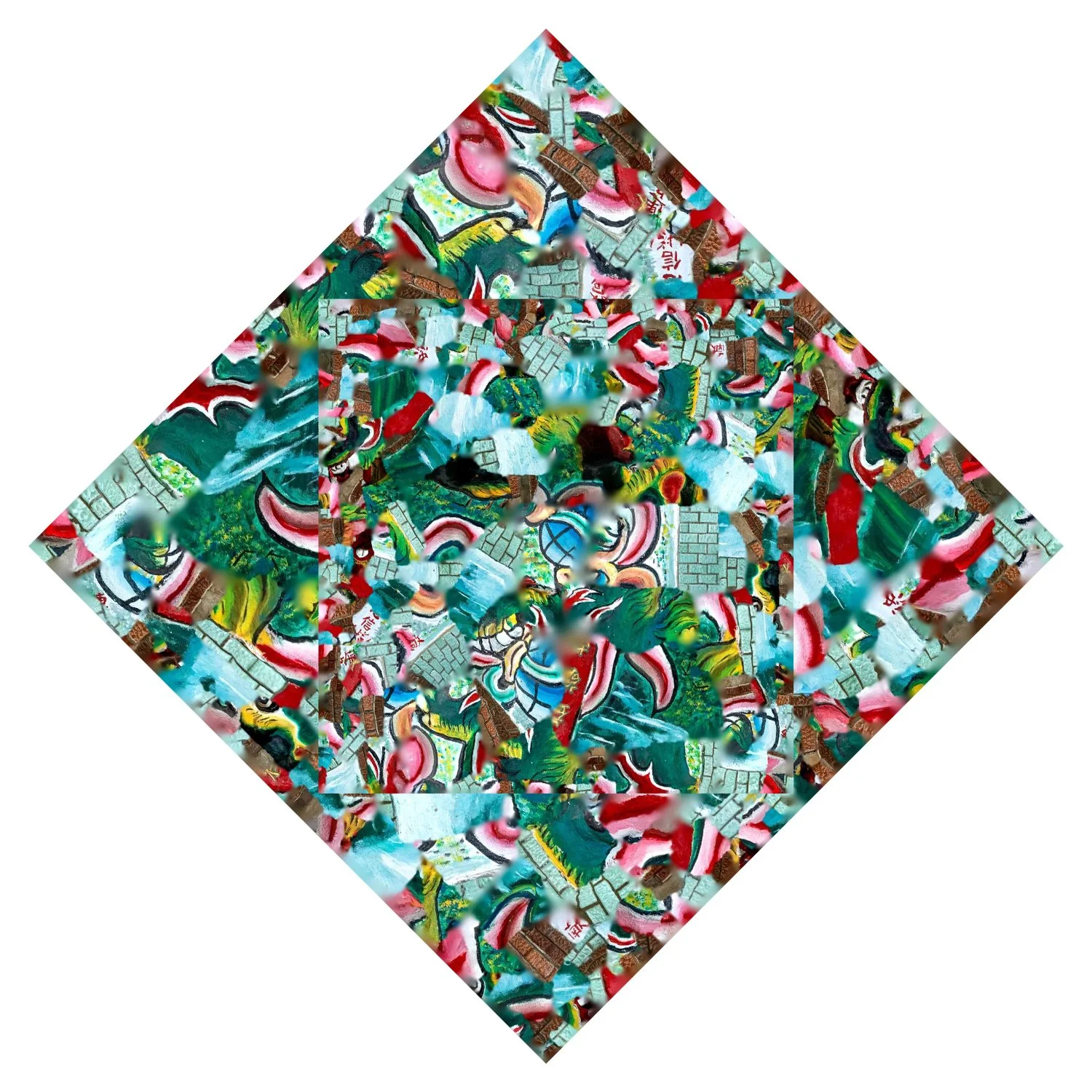
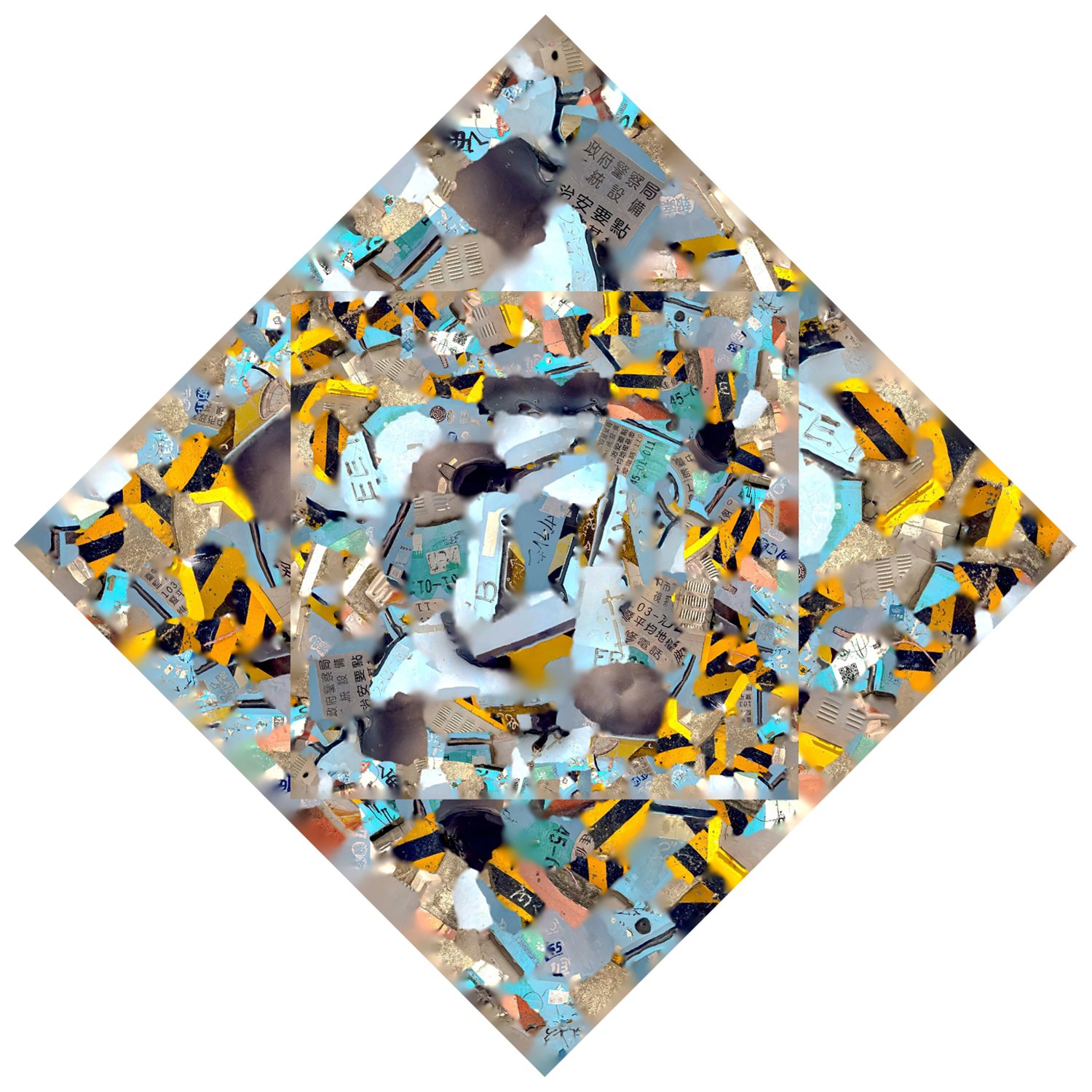
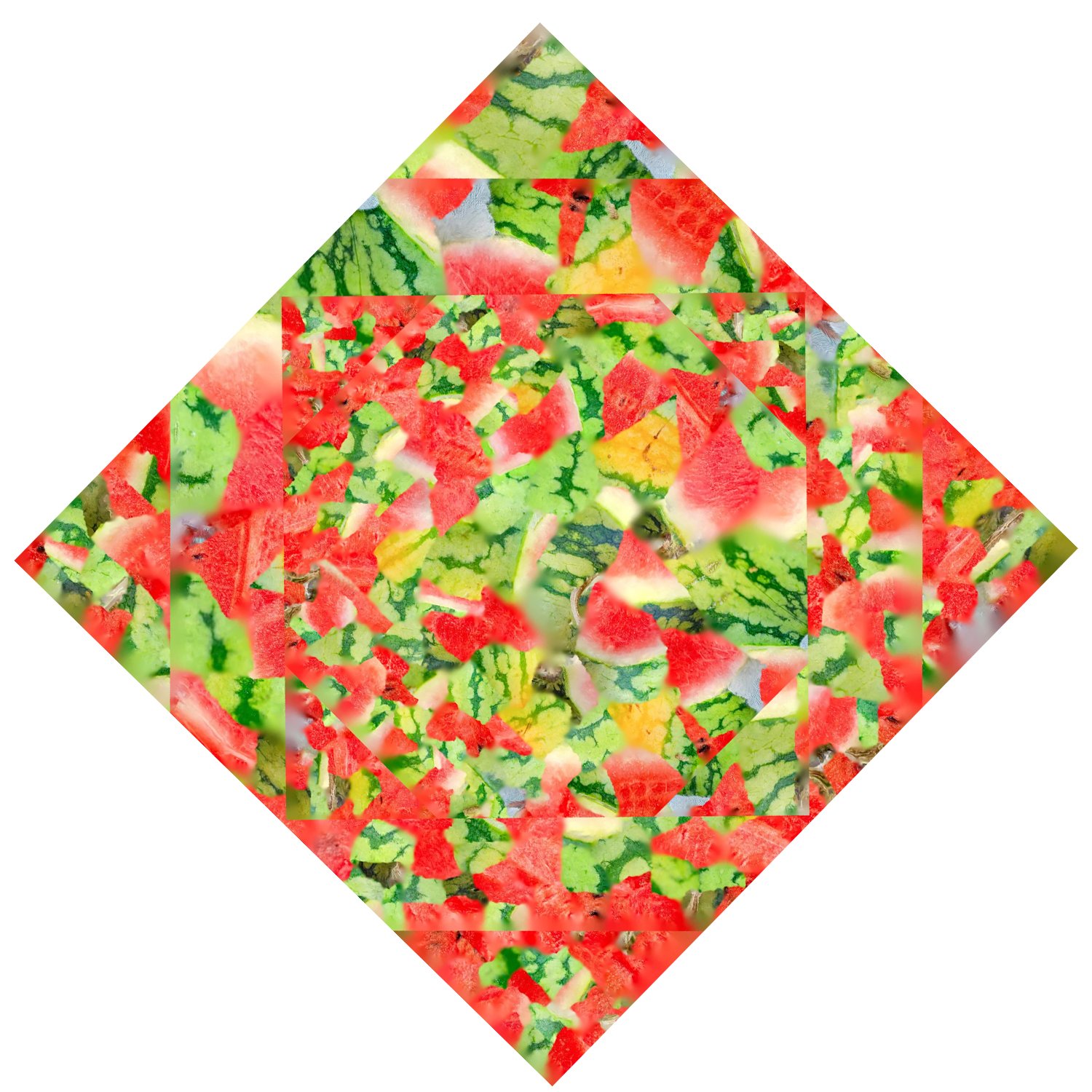
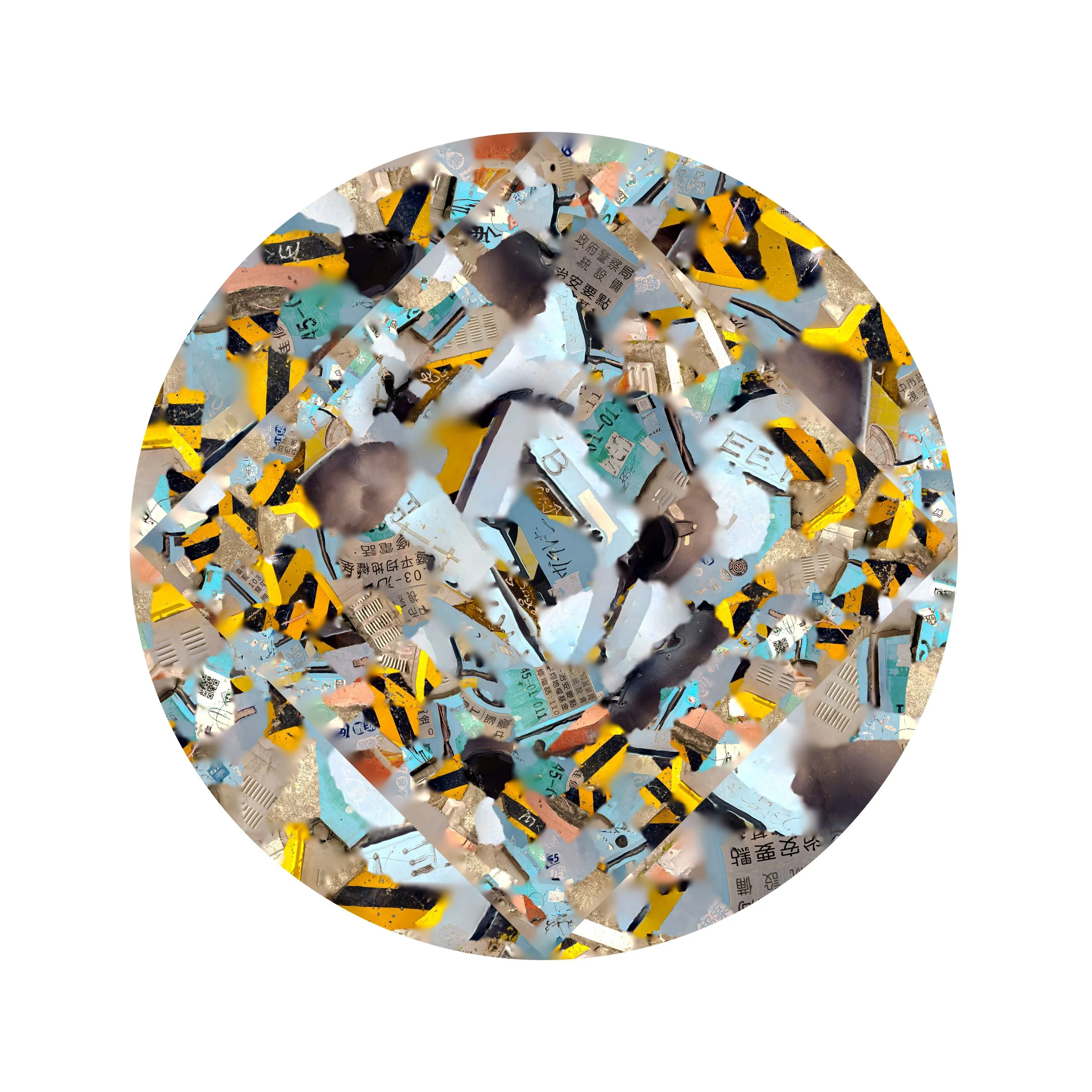
The installation consists of: 1. Chance-based multi-screen, non-linear documentay 2. Interactive video 3. 3D-scanned/printed objects (including 3D-printed moulds for casting), 4. Photography(including photo collage, stitched photos, and slides), 5. Gaming/simulation.(in development).
Documentary installation incorporates Chinese and Japanese non-linear poetry modalities, such as Xuanjitu and Renga (see published articles), emphasizing interrelation, recontextualization, and interactivity. Sculpture explores traditional Taiwanese Paper Sculpture, Japanese miniature sculpture (including automated mechanical traditions), and Neo-Dadaist collage. Video game development explores architectural design, Japanese garden design, and traditional Taiwanese fairground games.
This installation offers an interdisciplinary, and participatory viewer experience that presents a phenomenological portrait of Taiwanese street workers amid a period of rapid change, as well as a meditative metanarrative across installation platforms. This installation was made possible with the support of the Canada Council for the Arts Explore and Create (Research and Creation) and Explore and Create (Professional Development for Artists), as well as the MOFA Taiwan Fellowship and Artist-in-Residence (AIR) Taipei.
VIDEO
Chance-Based Live Editing
Randomized Multi-Channel Array,1920x1080,30mins
Randomized Single Channel Array,1920x1080,30mins
Randomized Dual Channel Array, 1920x1080, 30mins
Randomized Multi-Channel Circular Array, Interactive Video Dome, 3D Printed Sculpture. 4k,30mins
VIDEO
Live-Generated Interactive Graphics
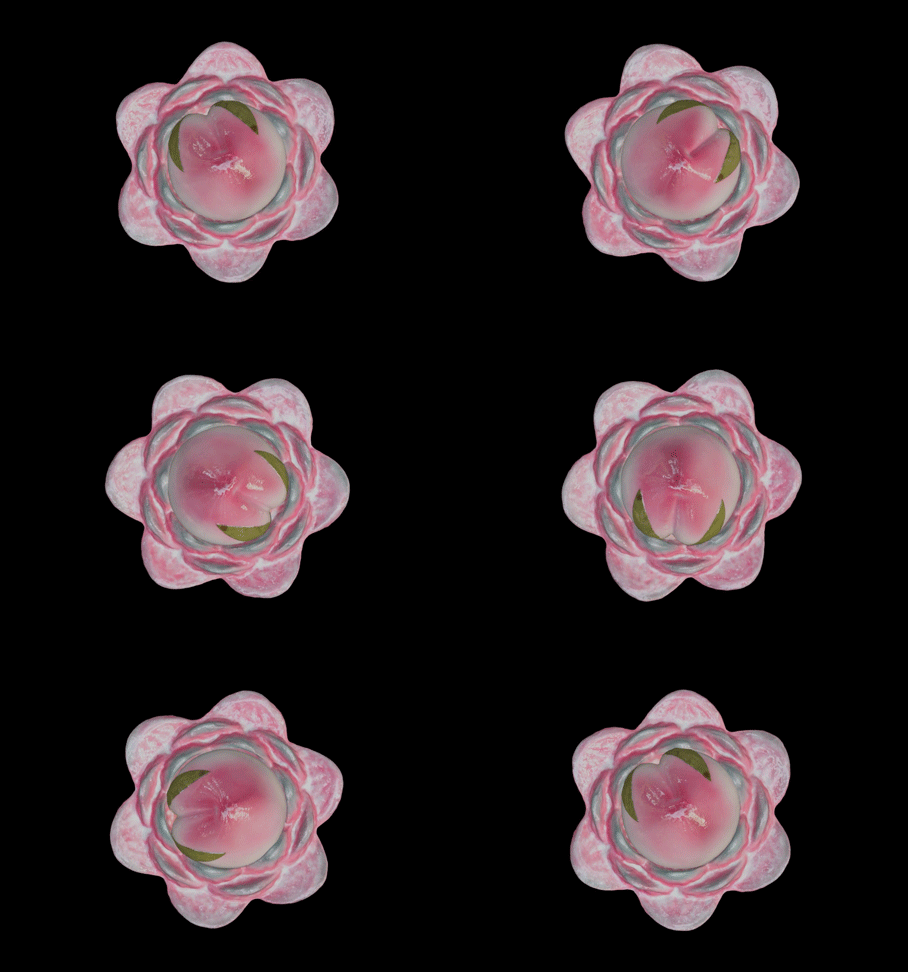
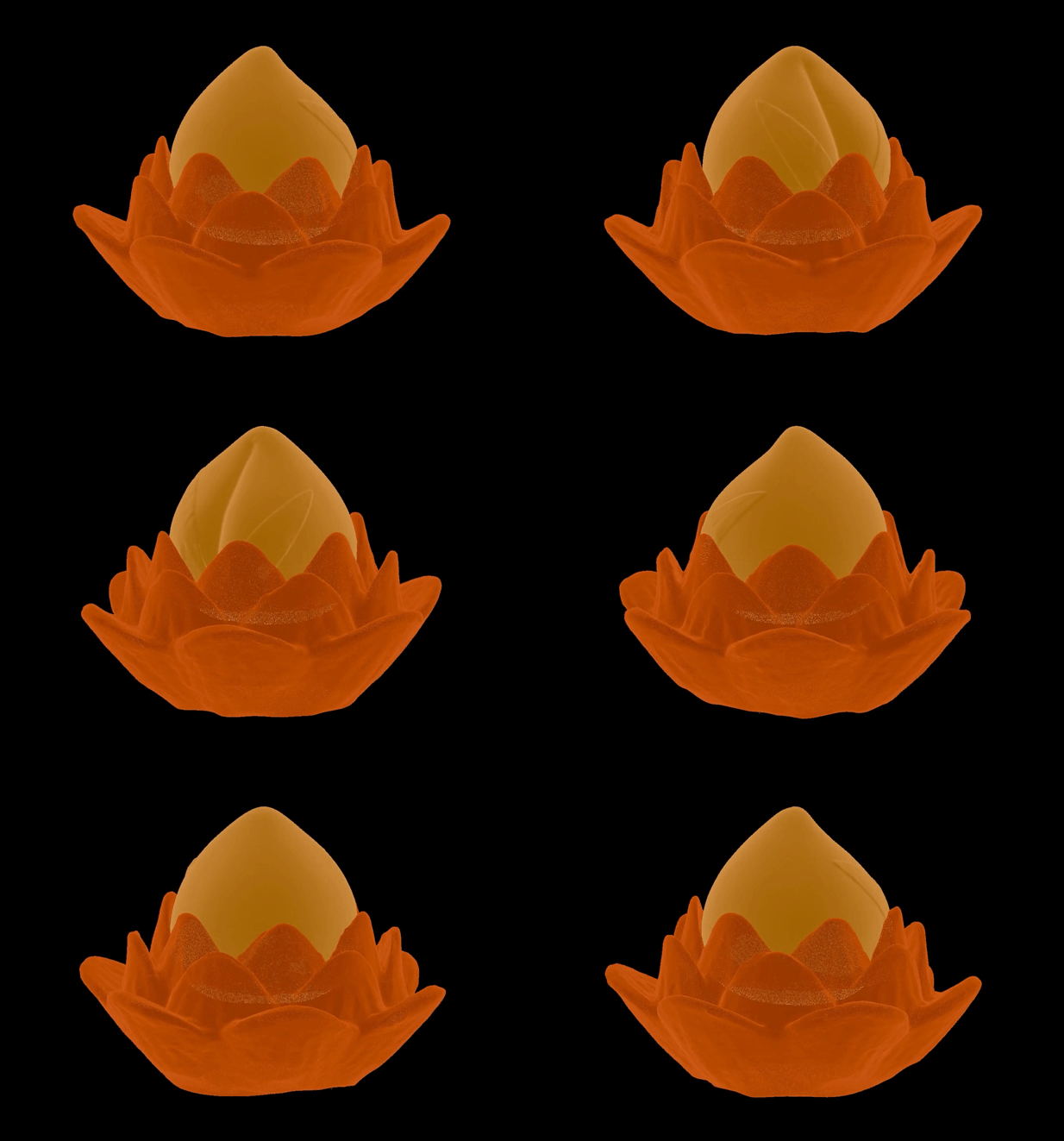
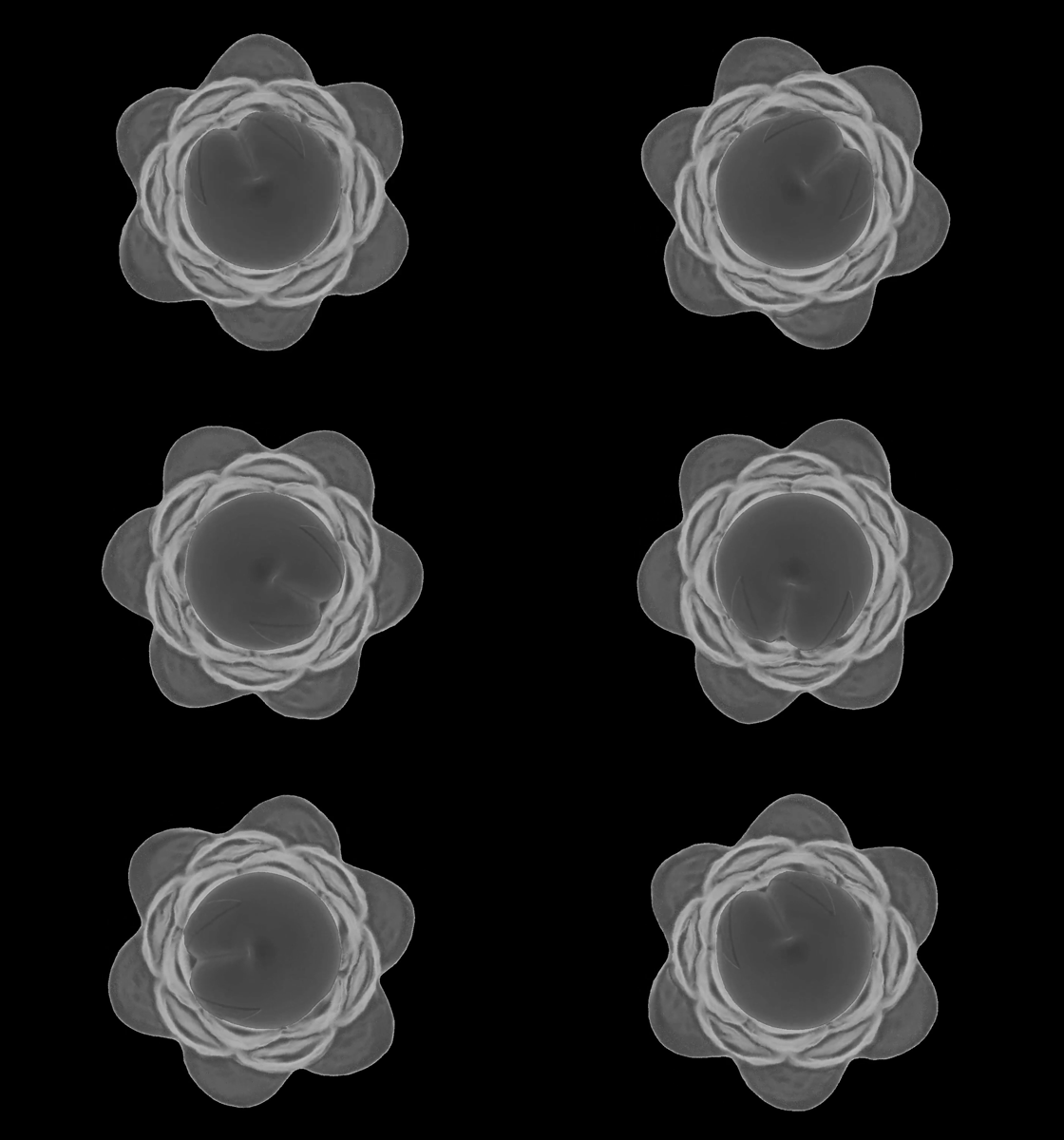
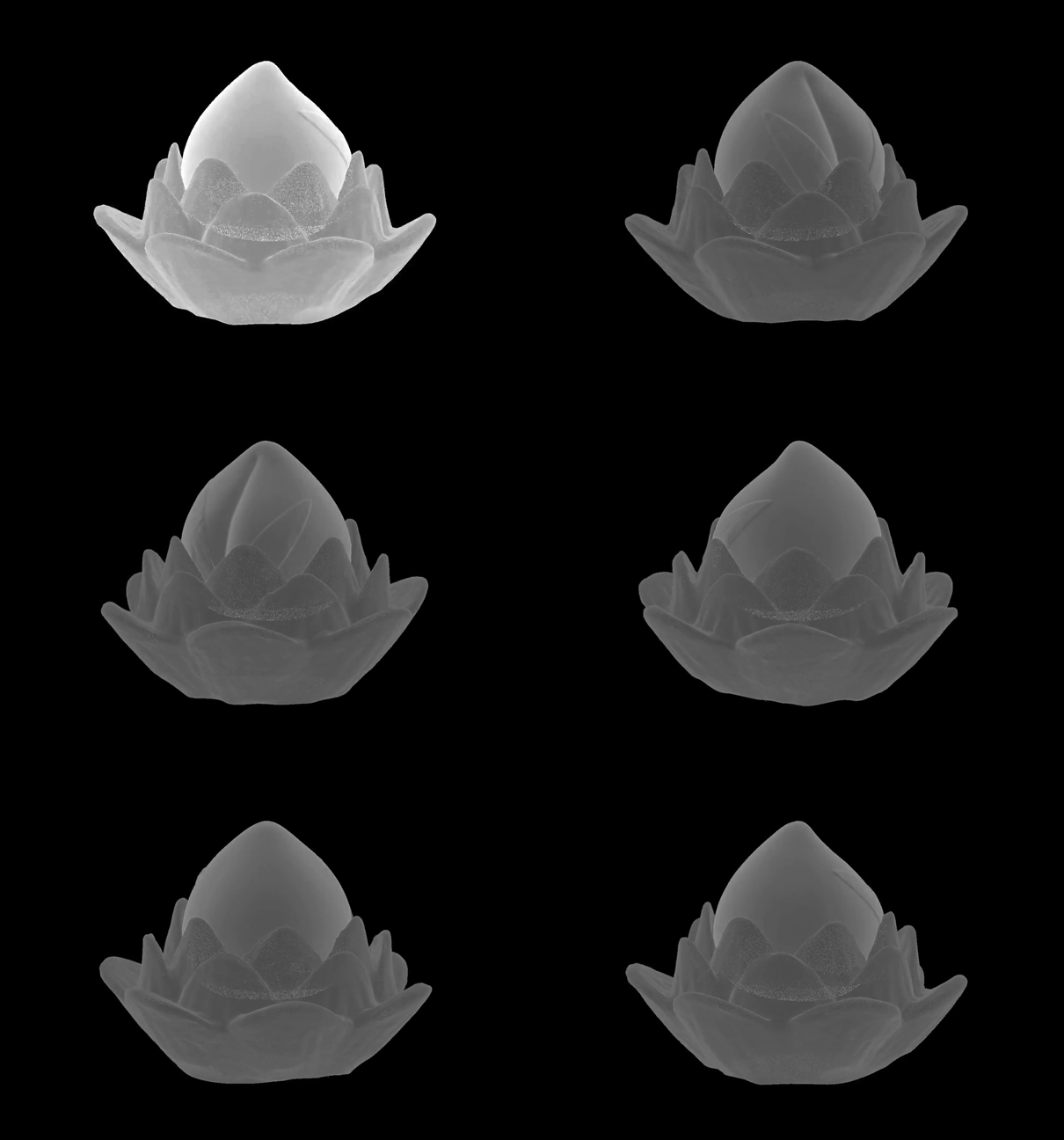
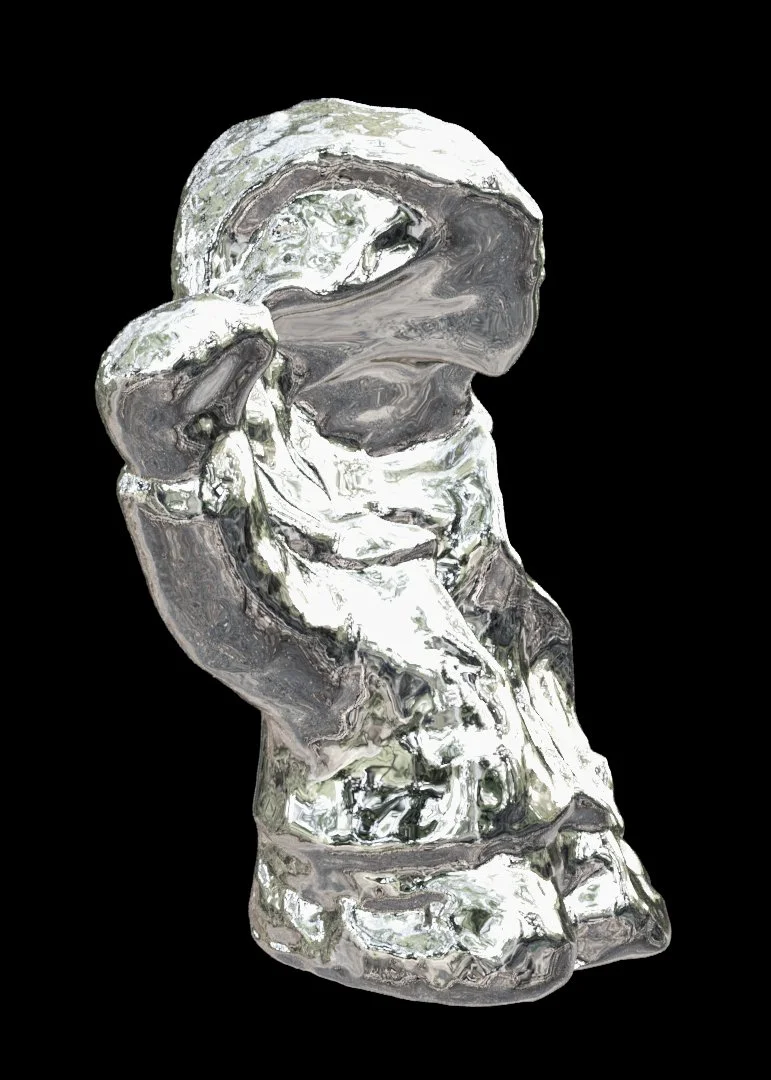
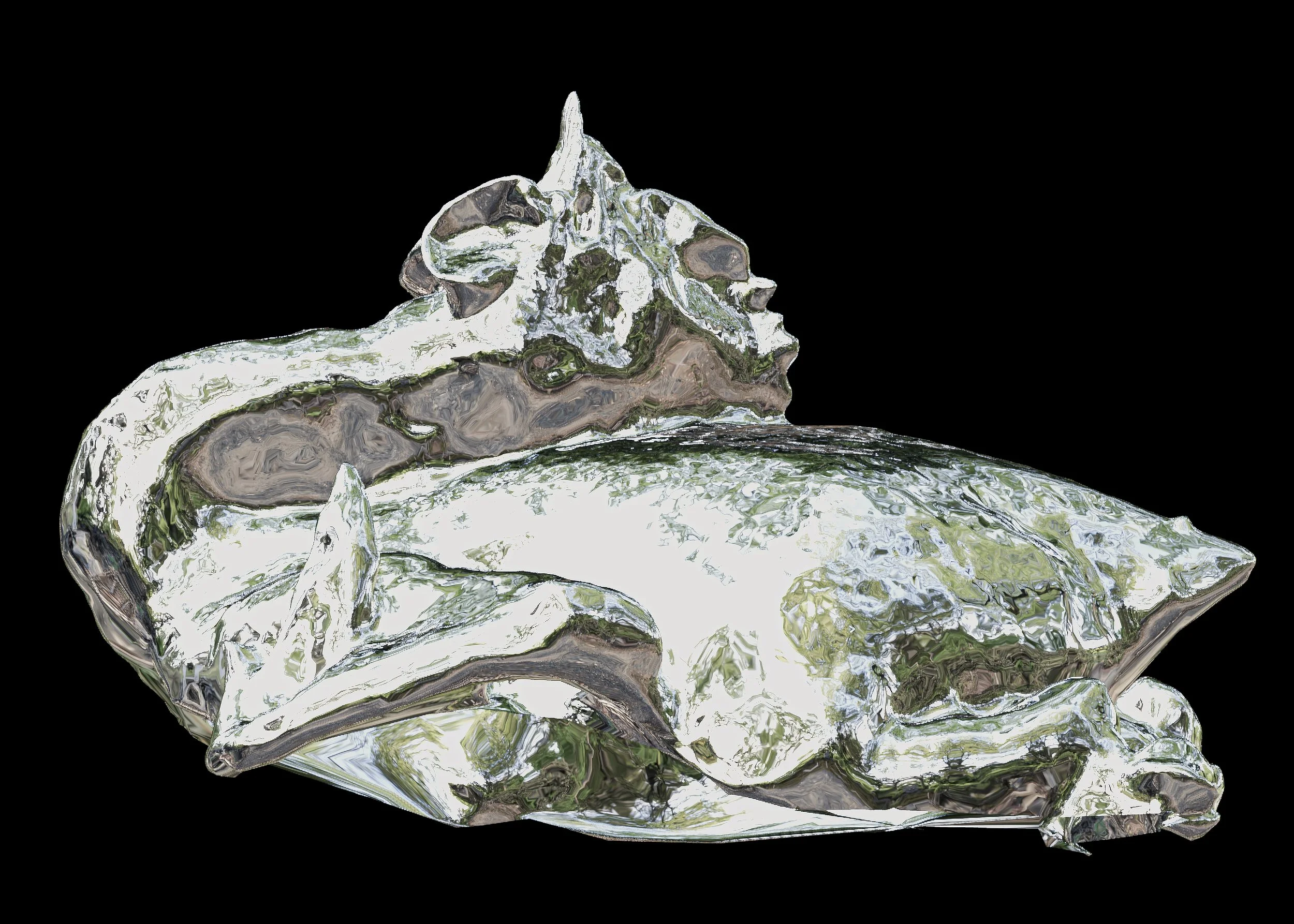
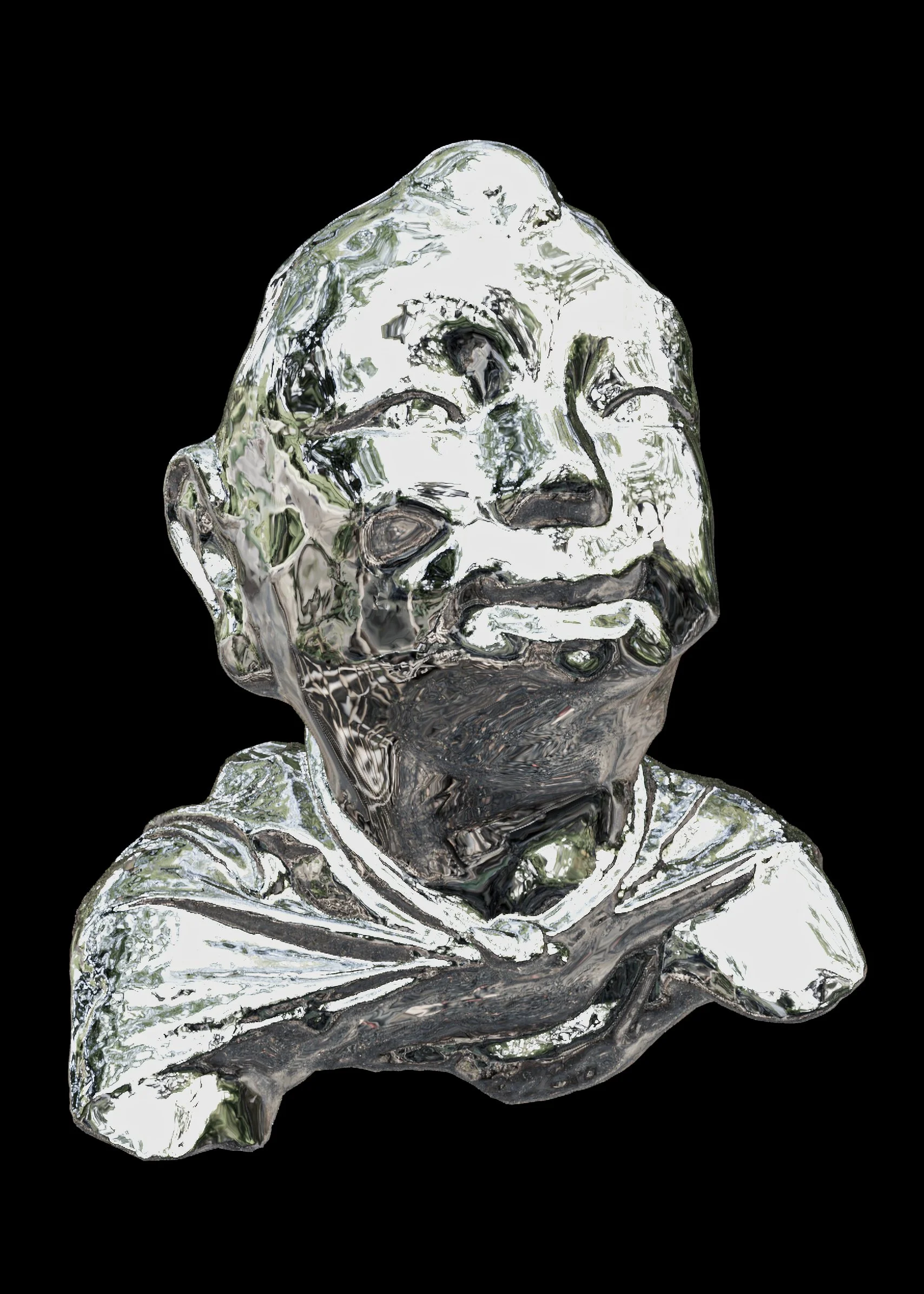
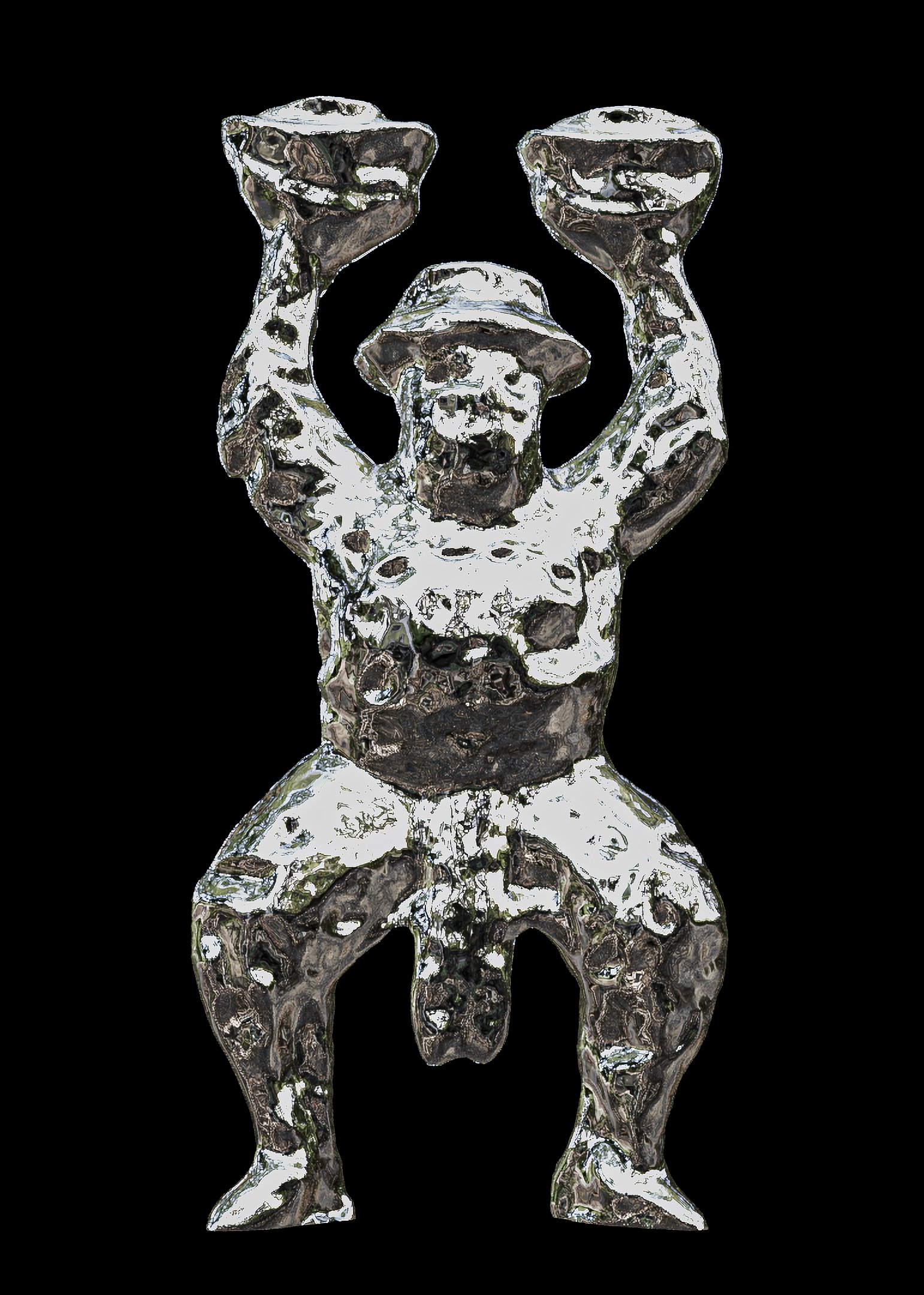
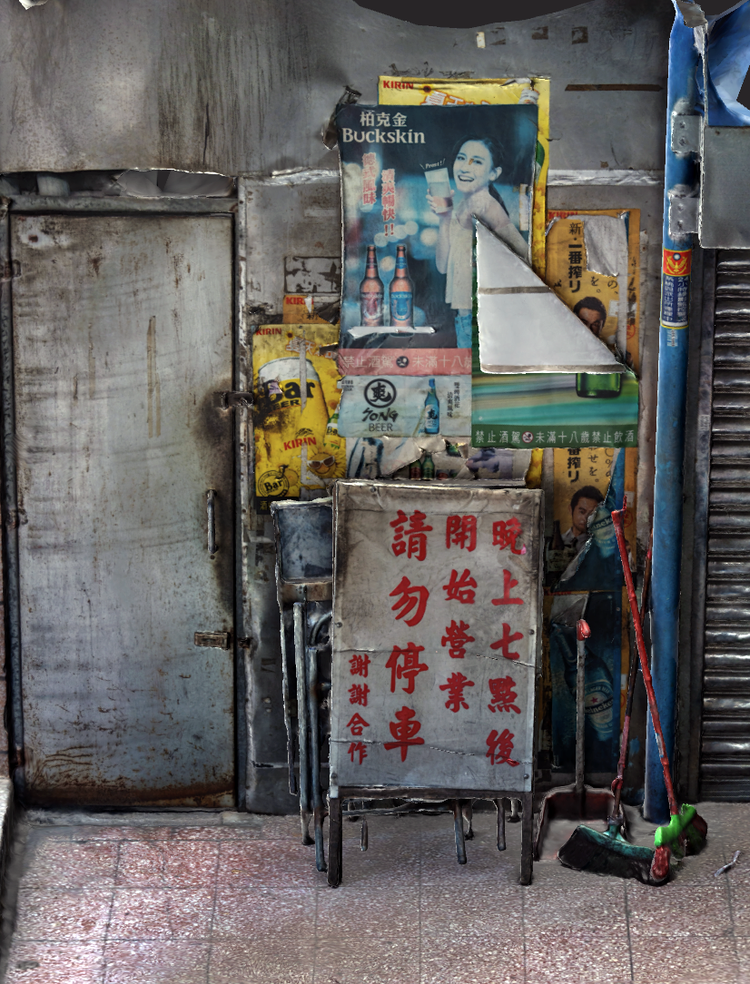
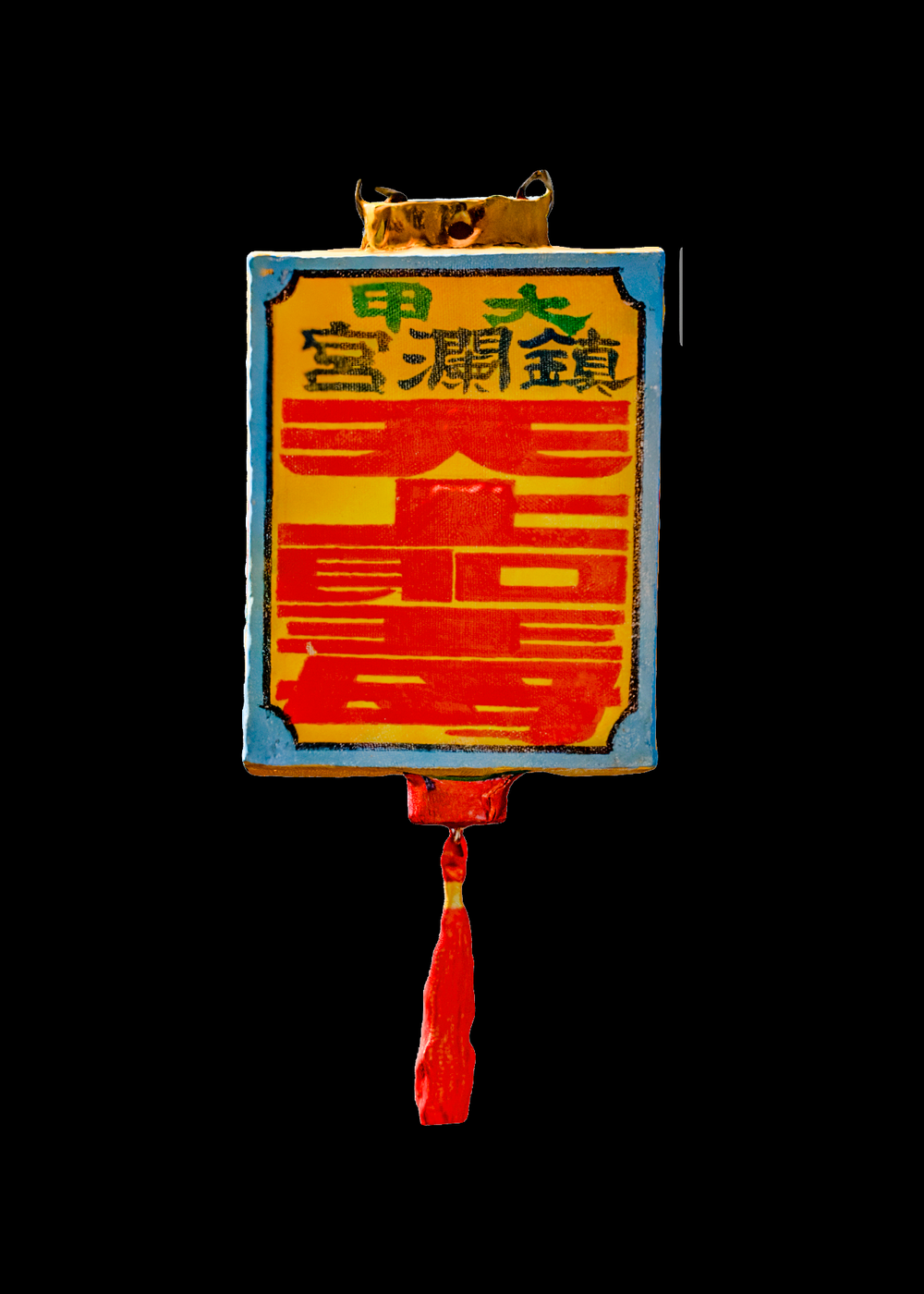
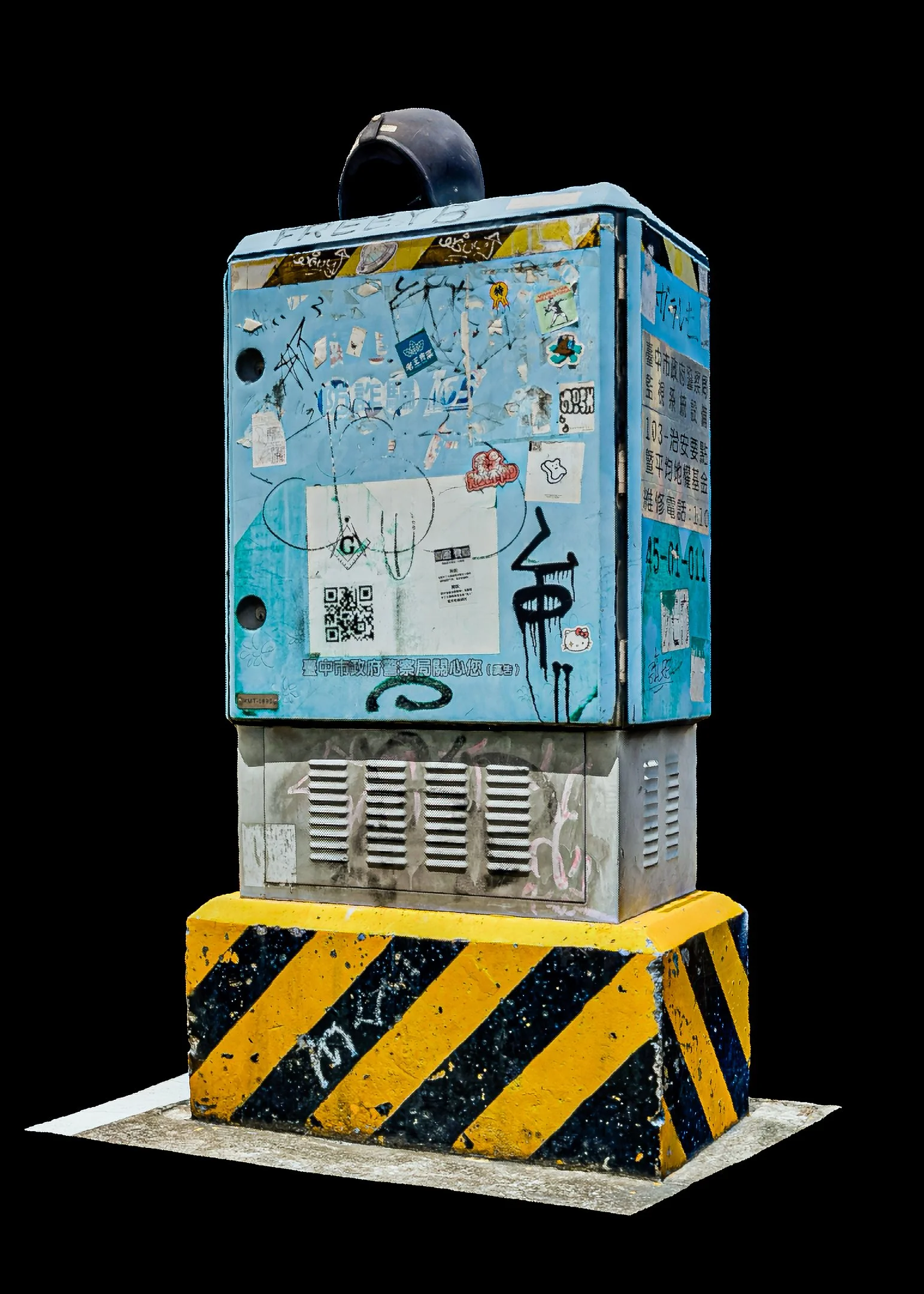
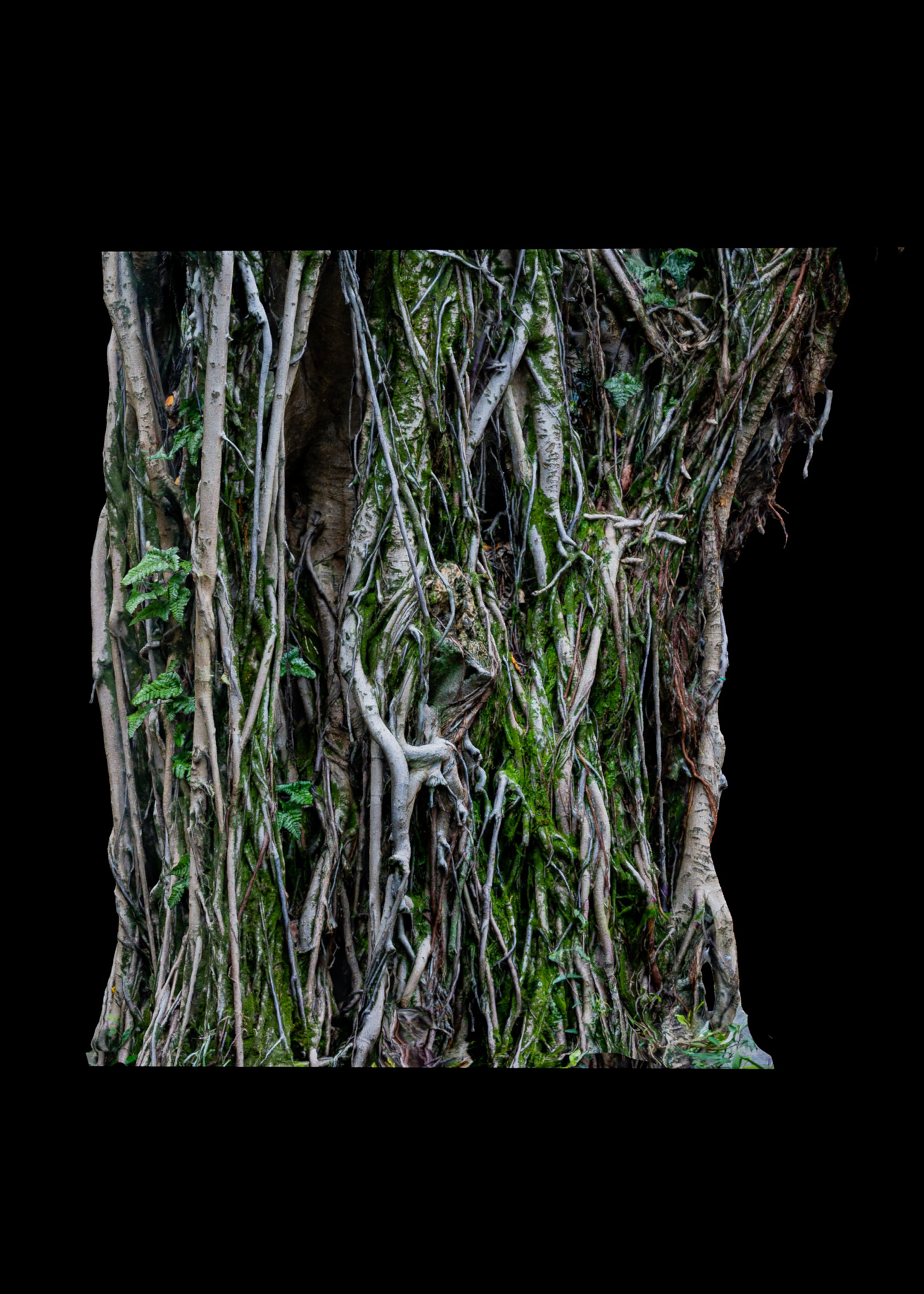
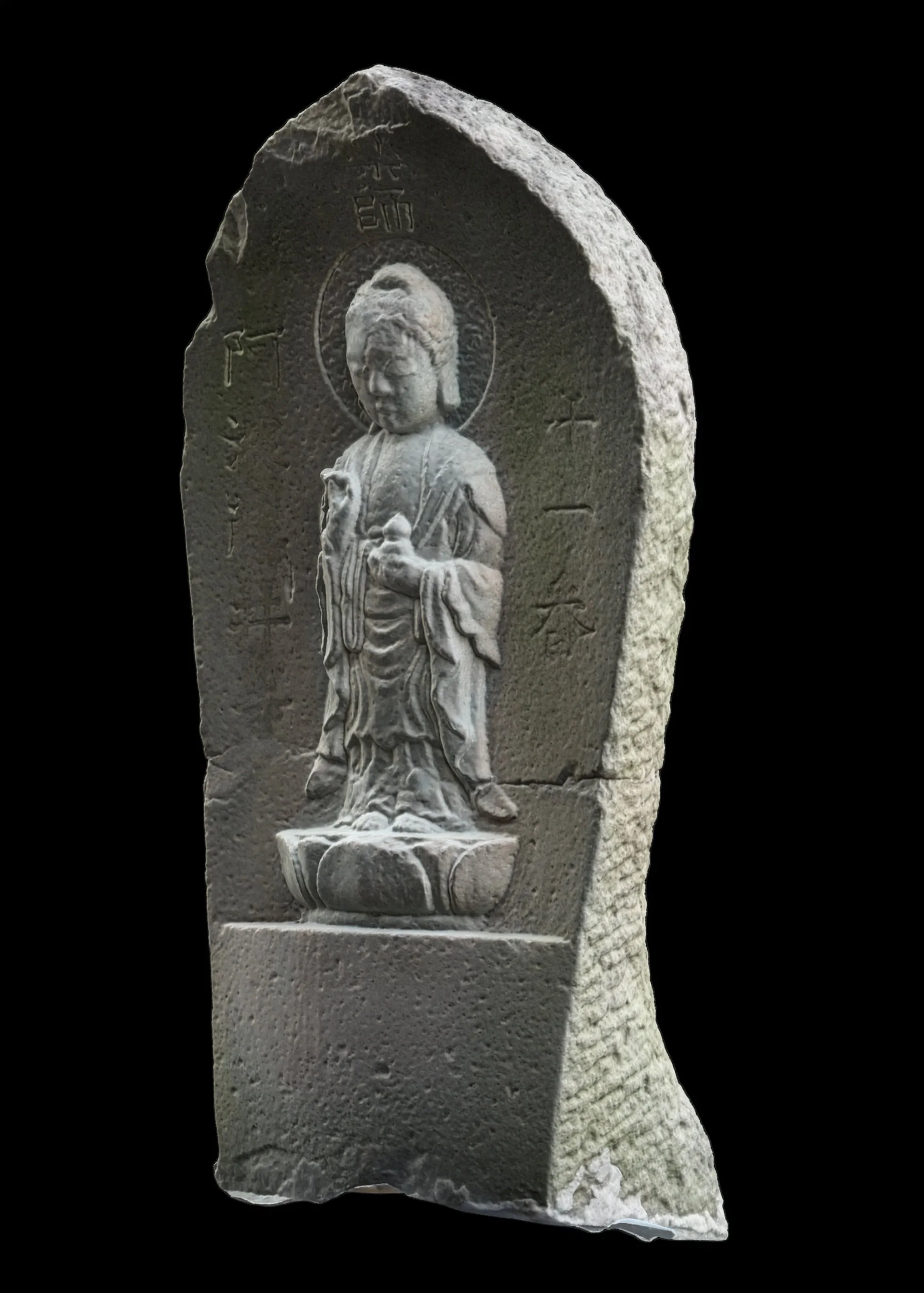
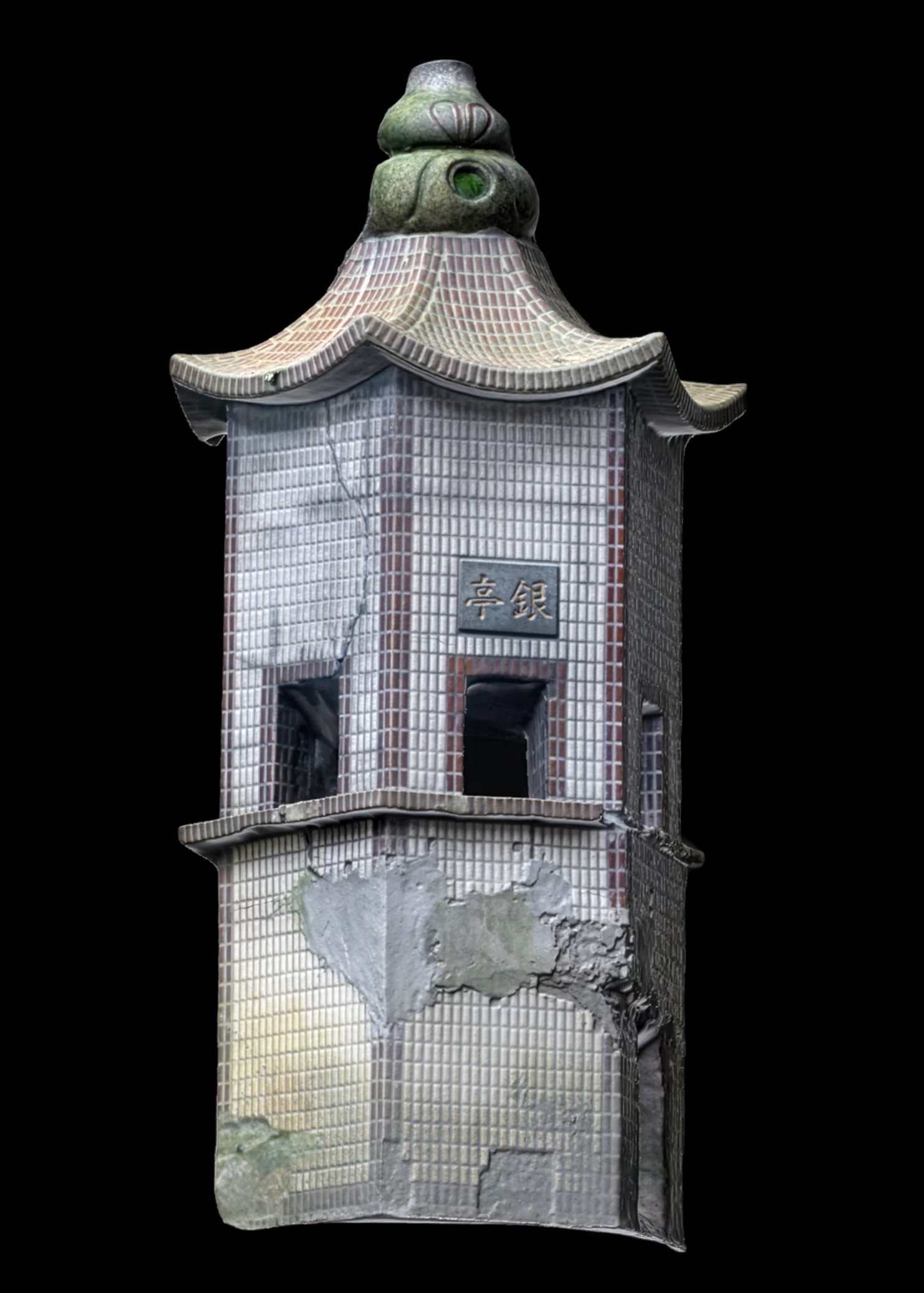
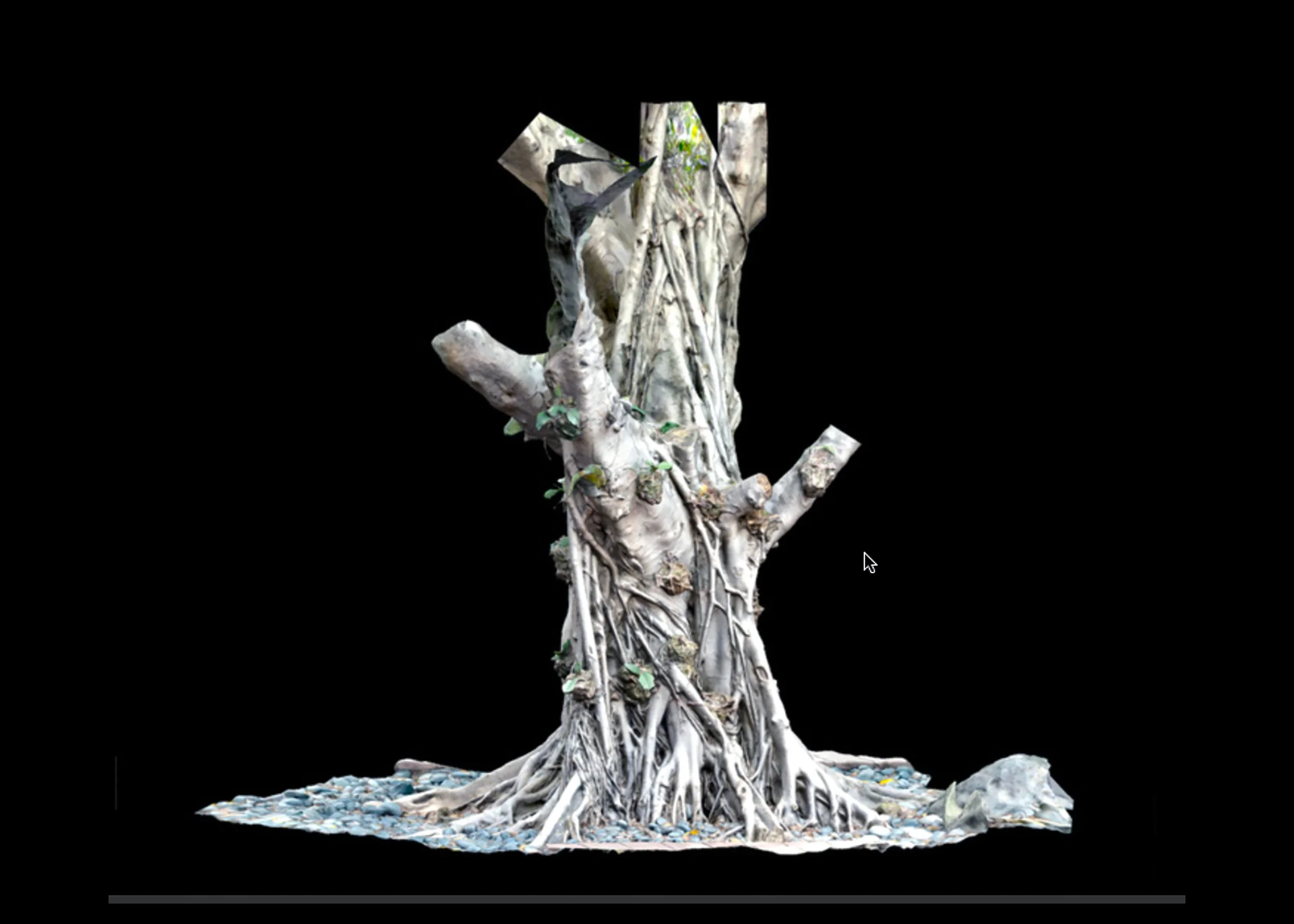
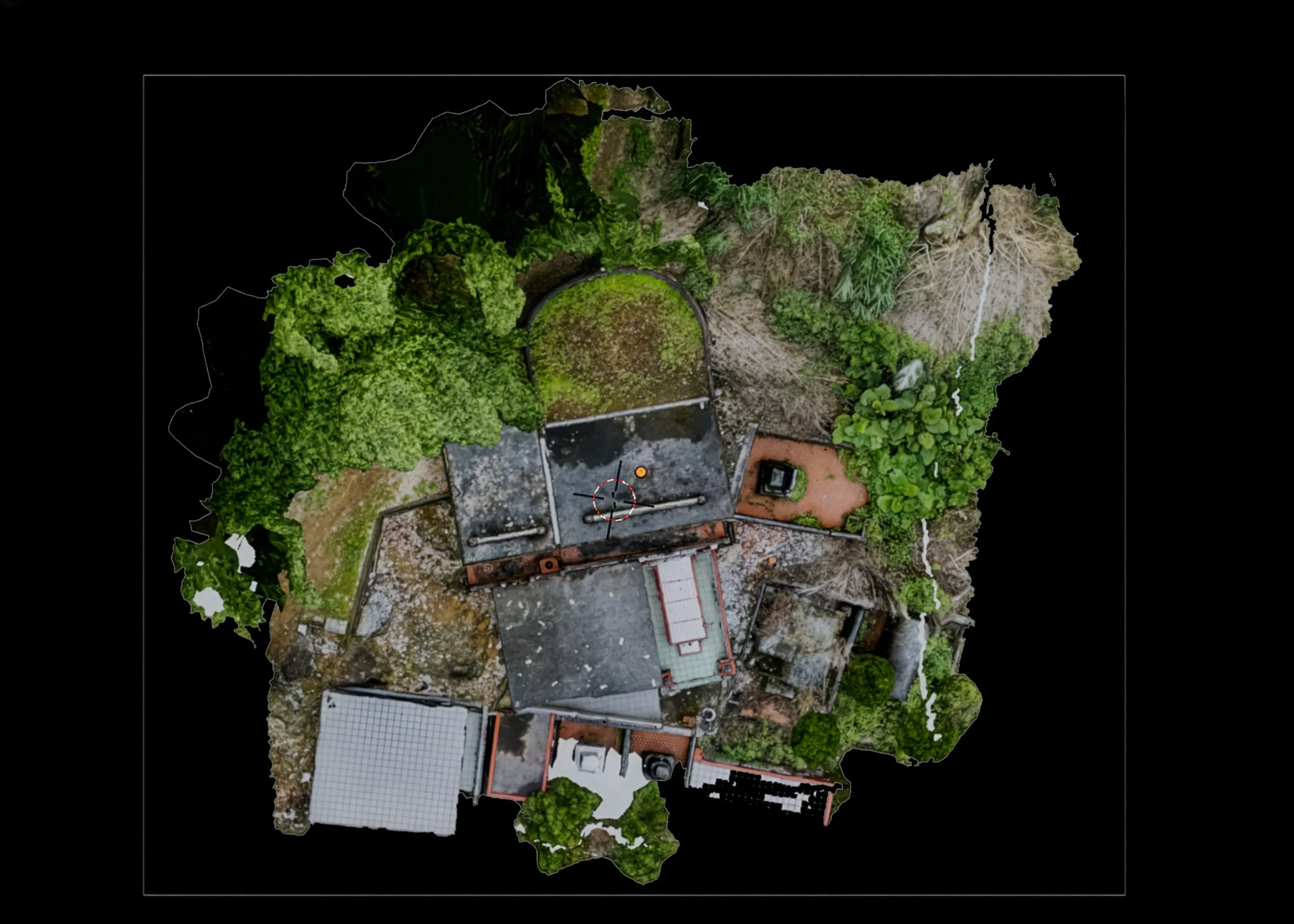
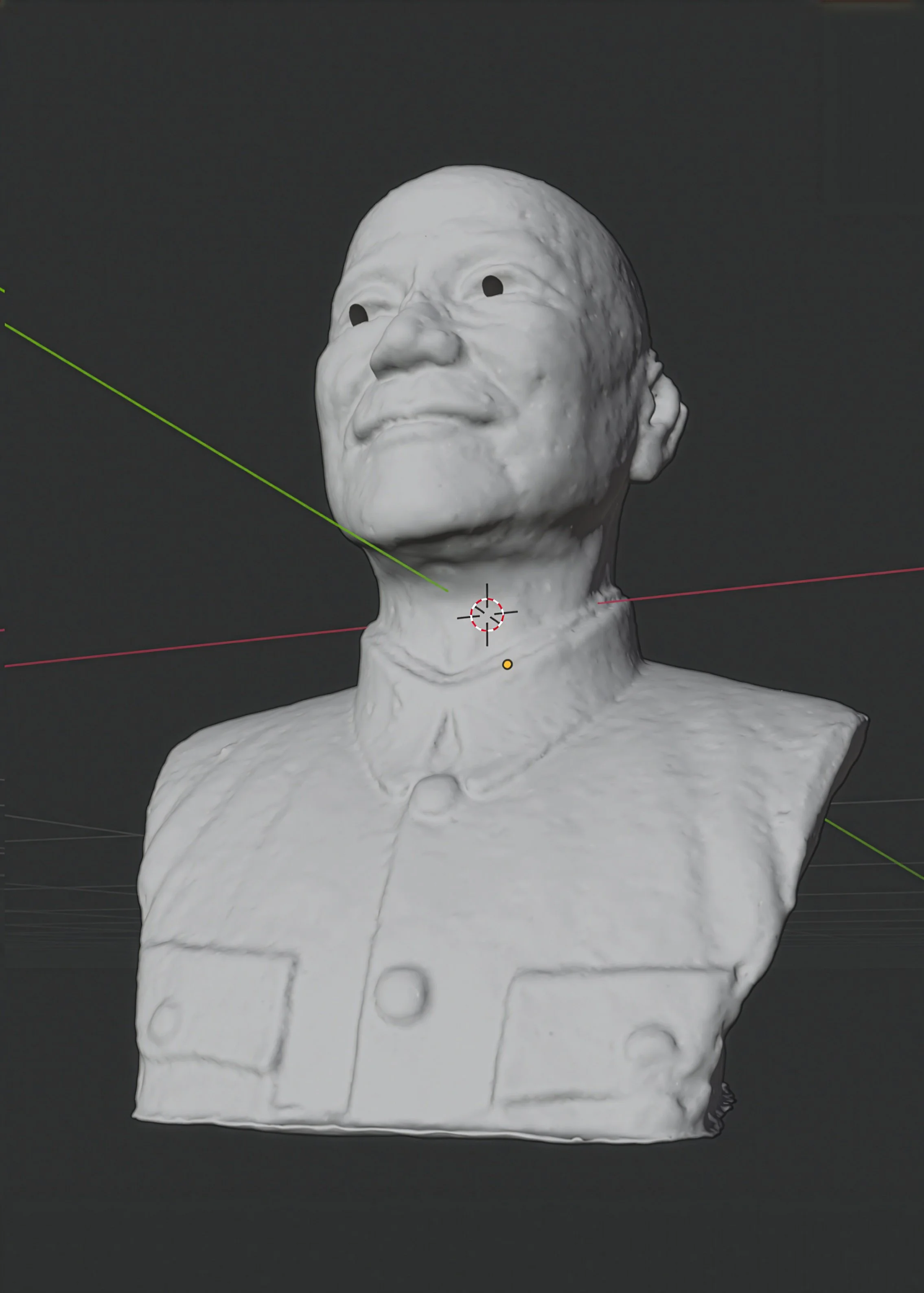
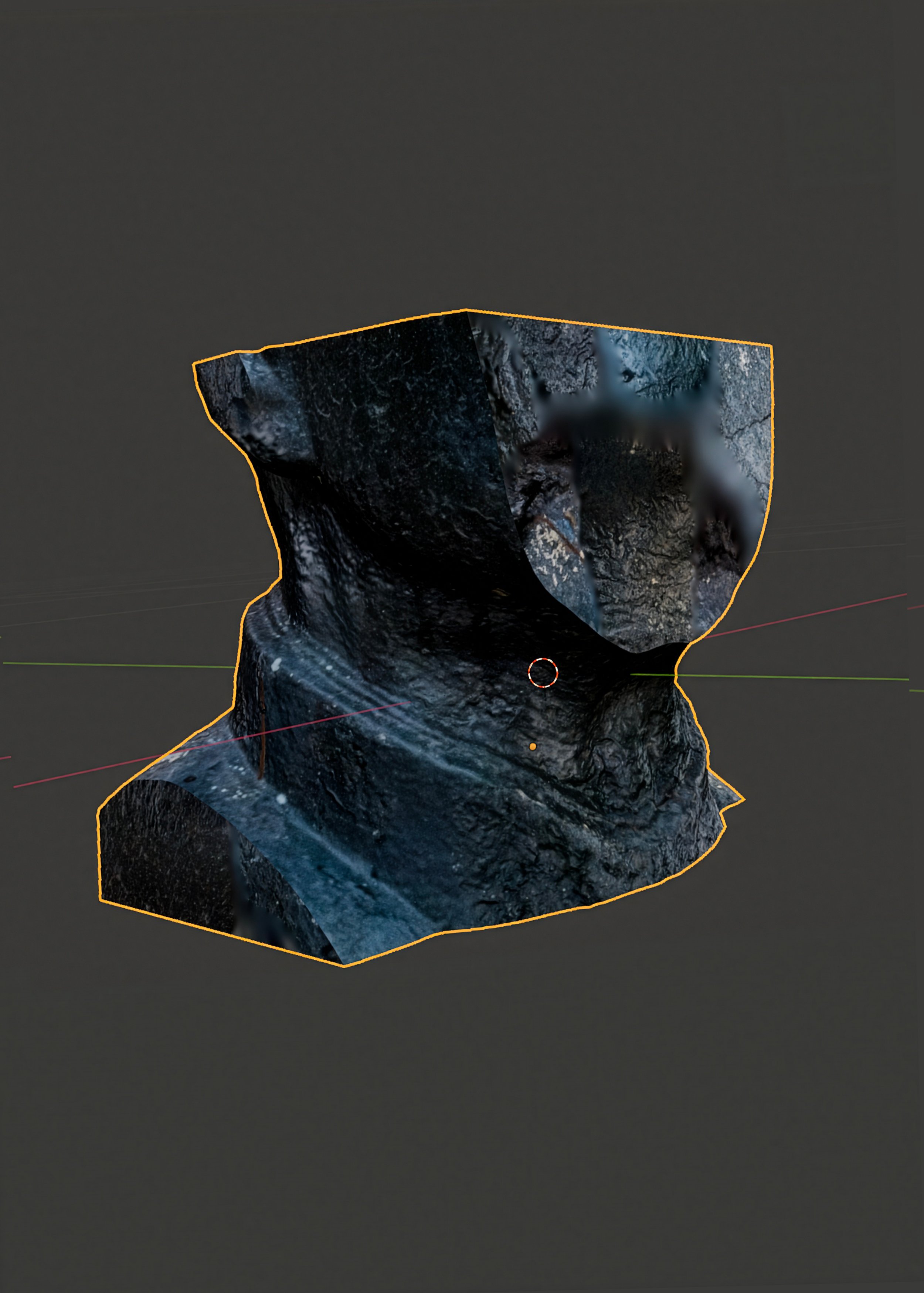
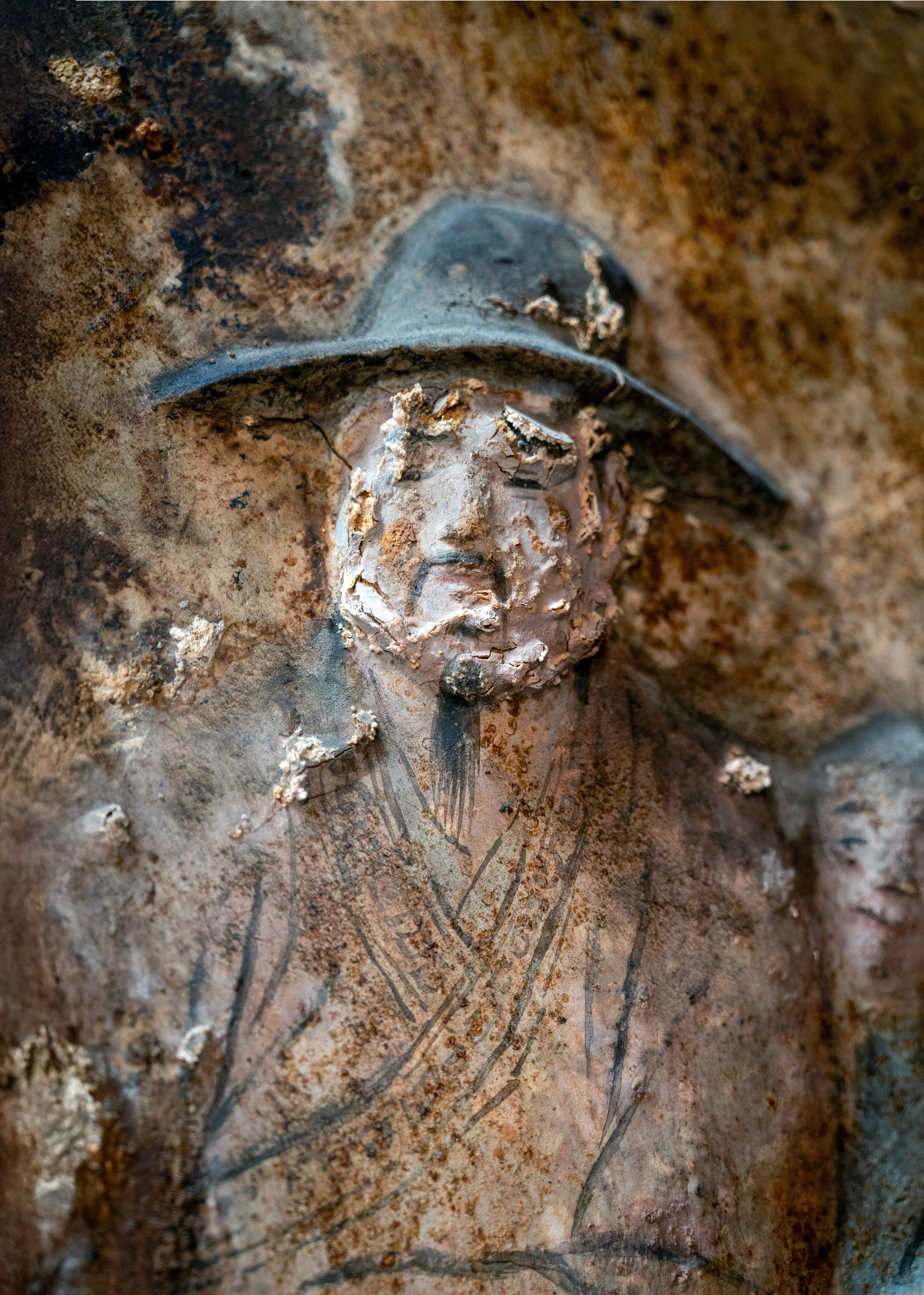
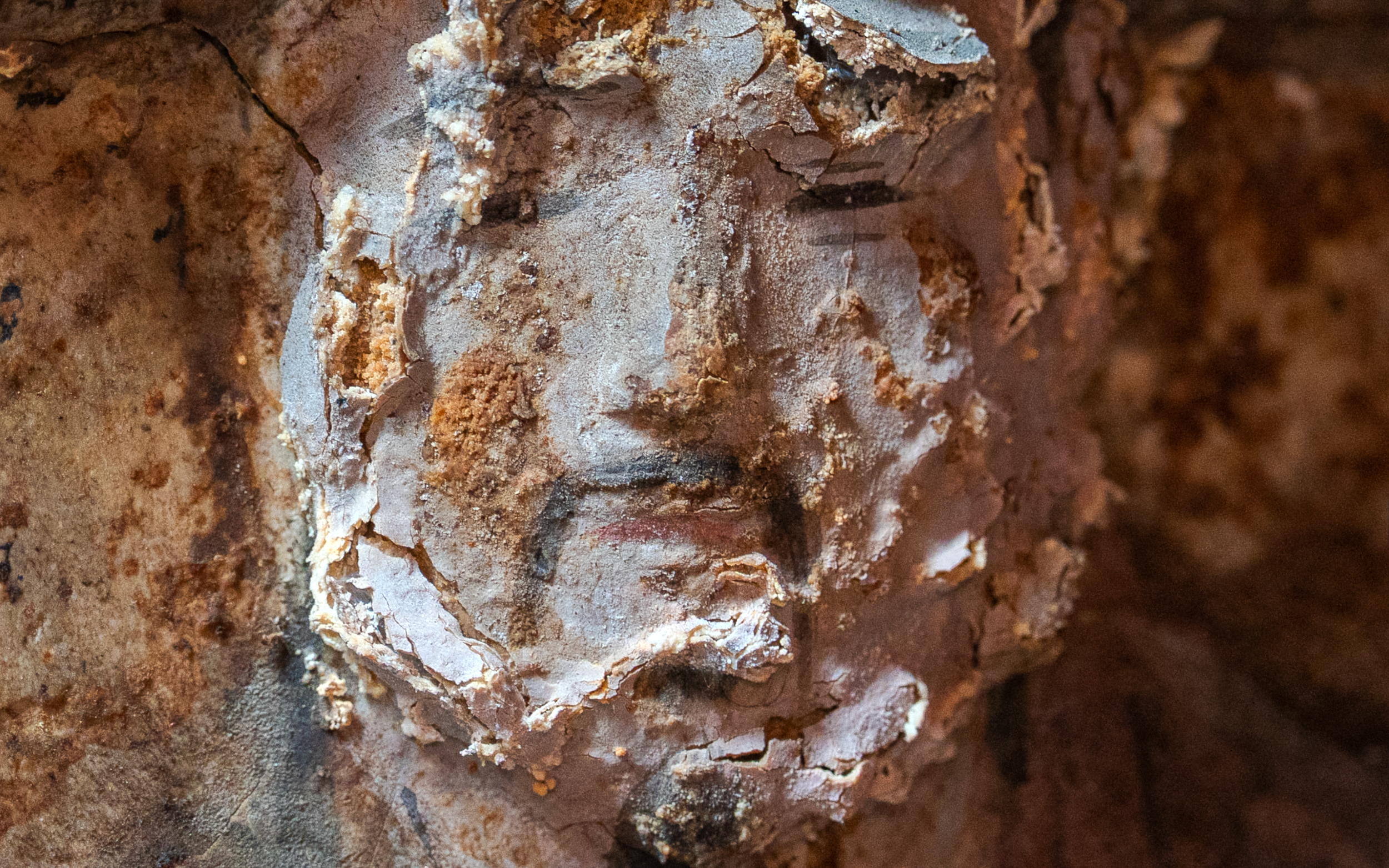
3D SCAN
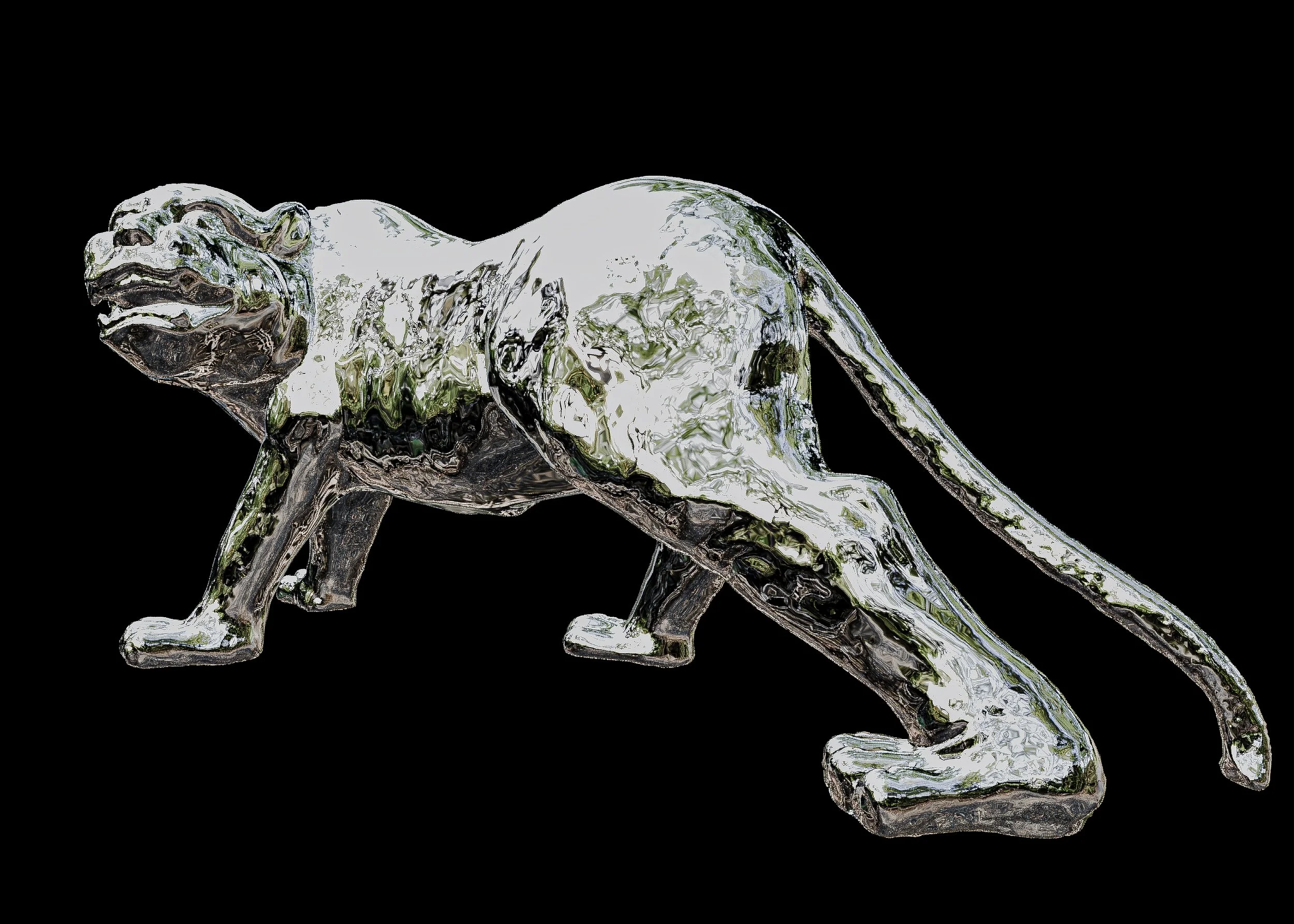
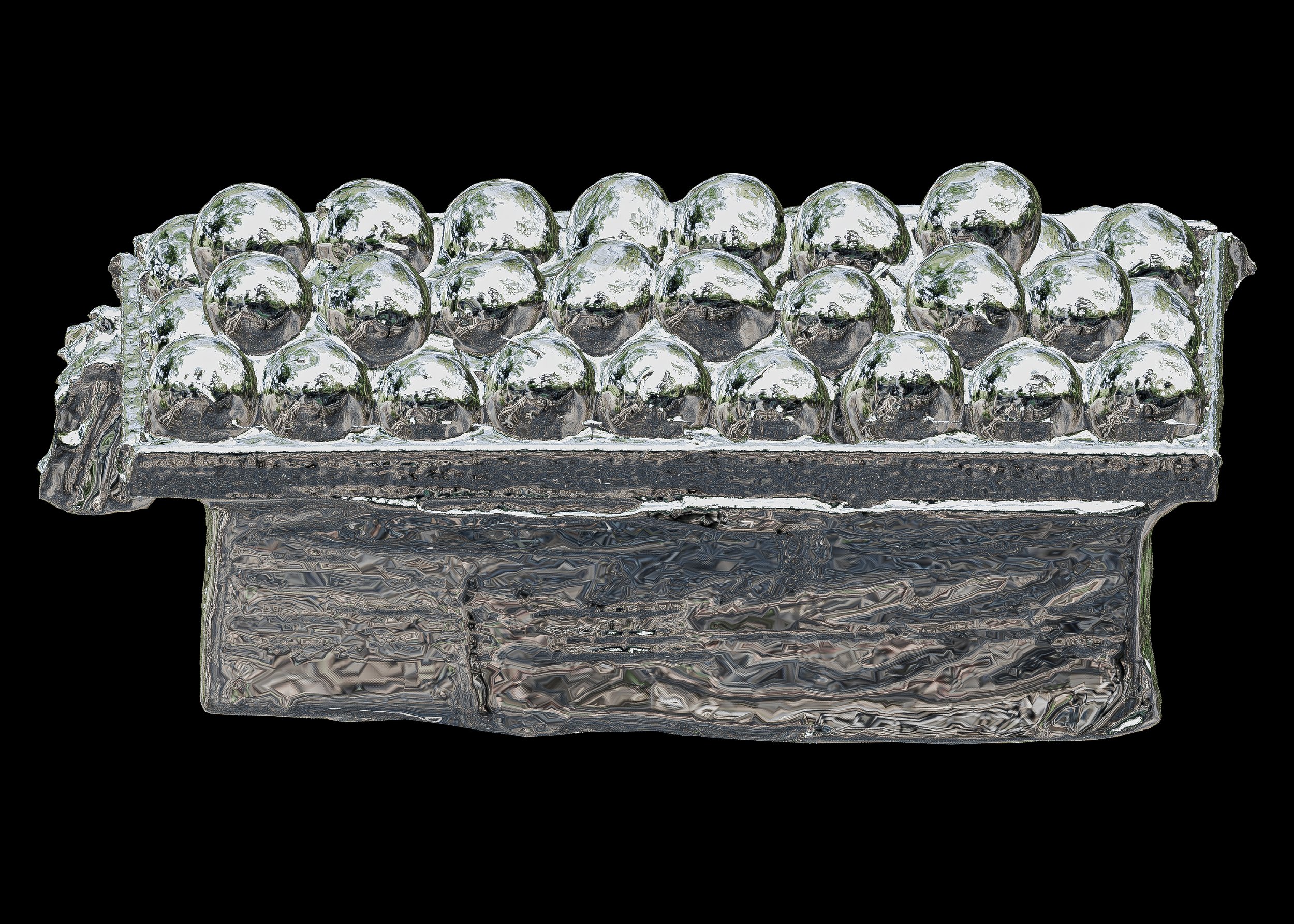
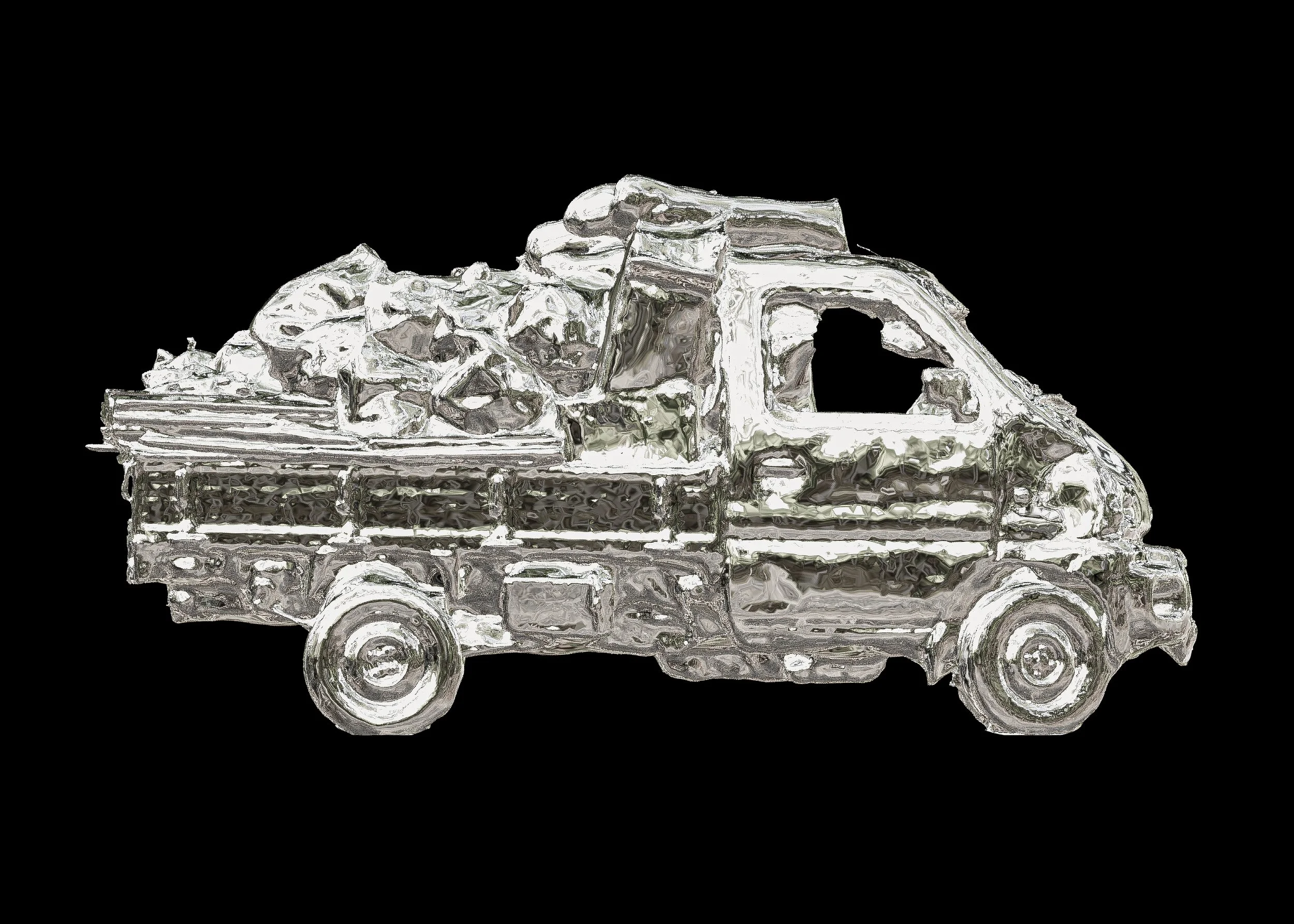
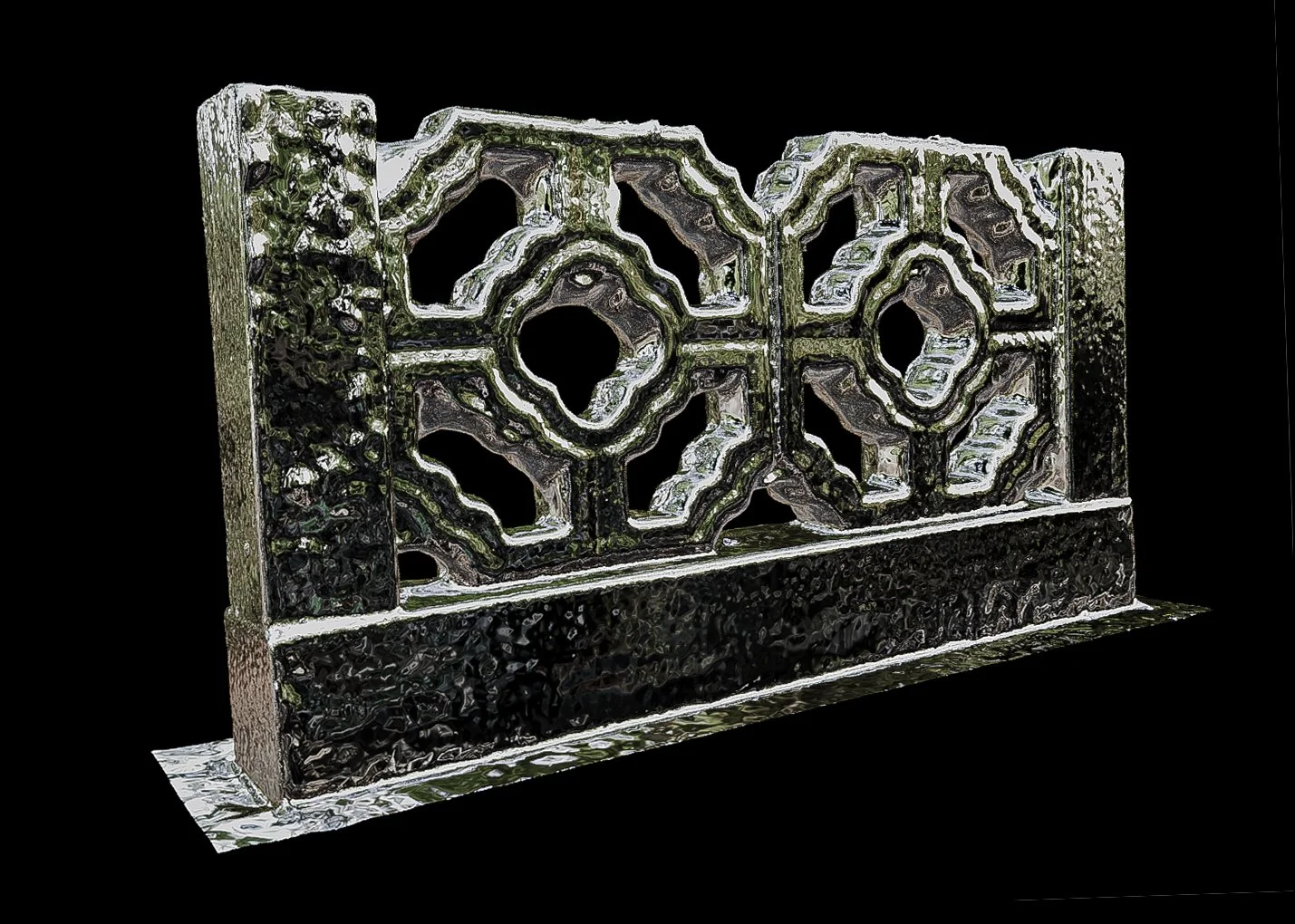
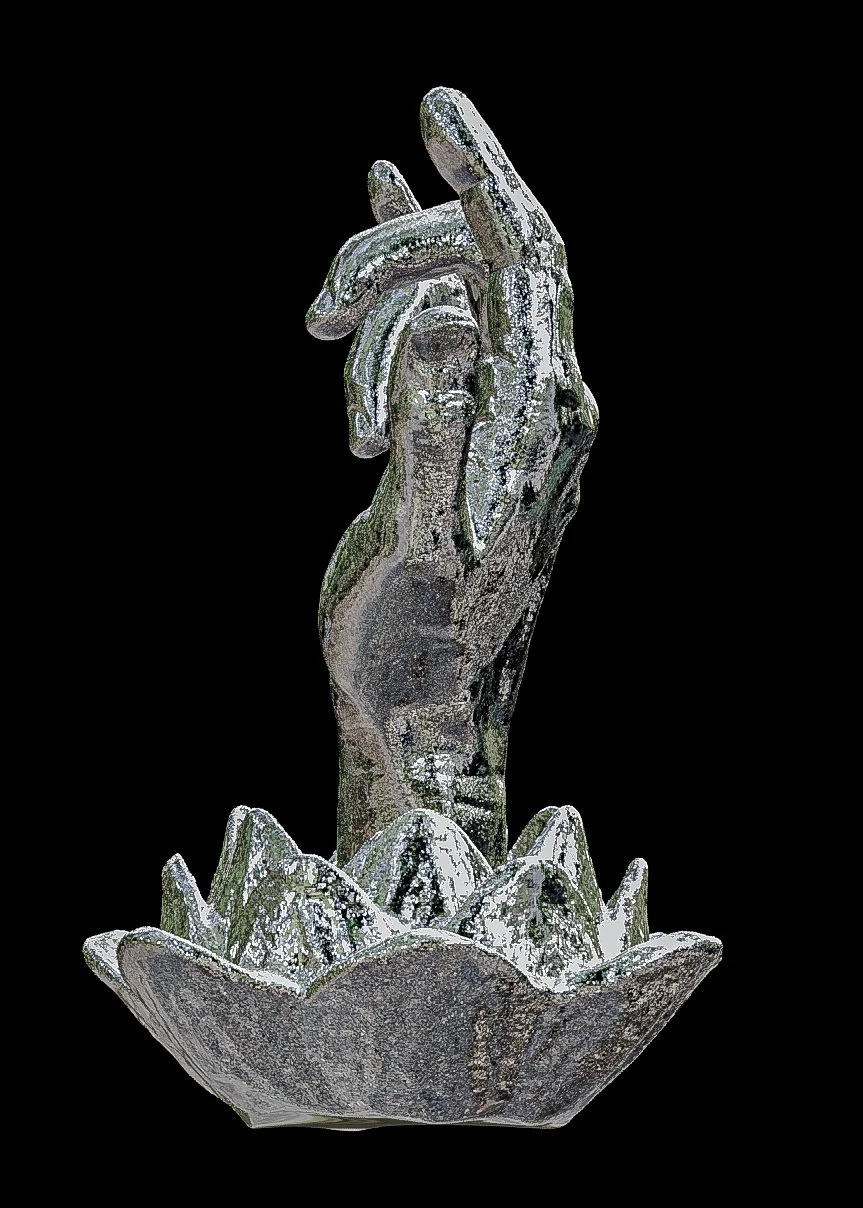
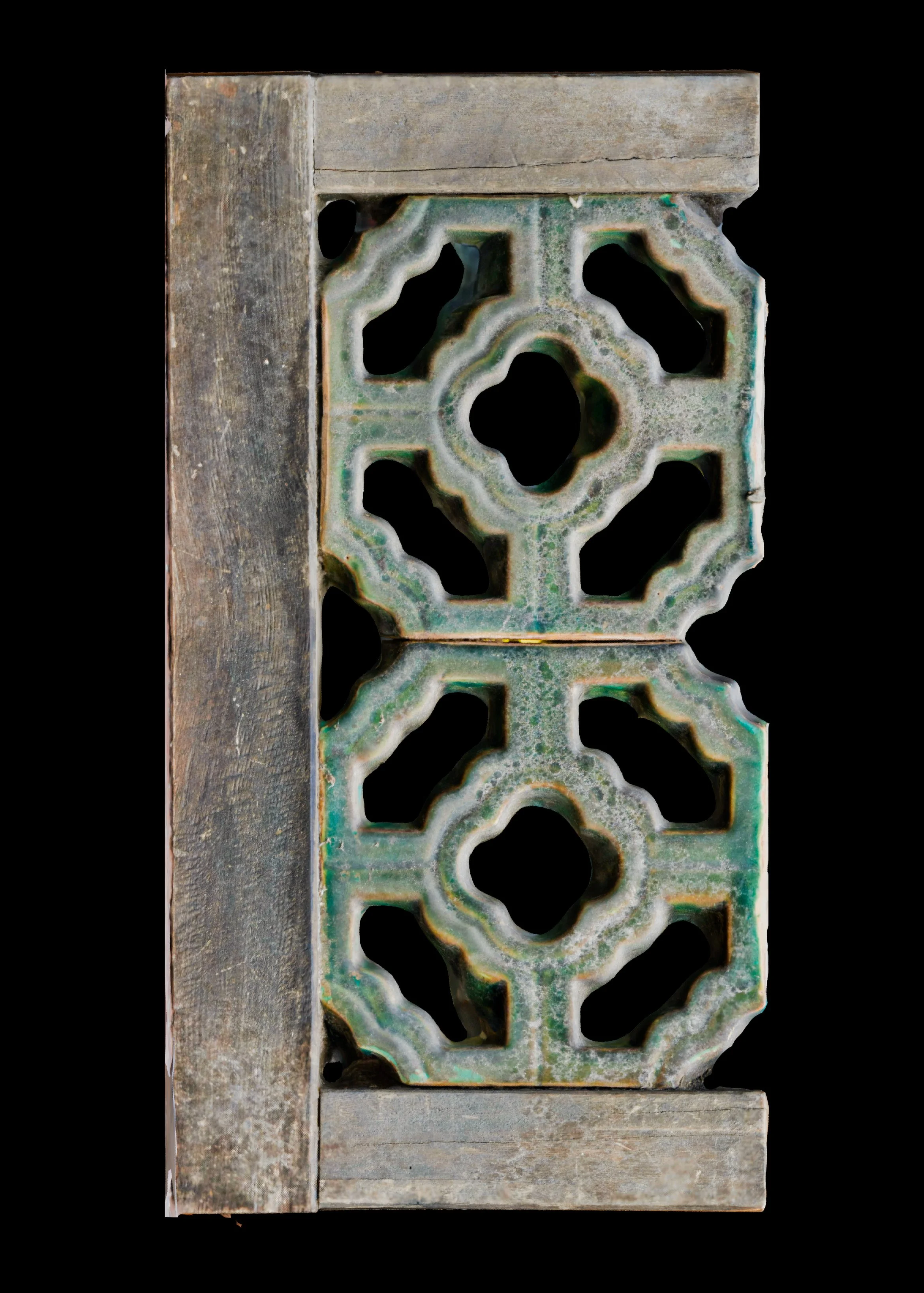
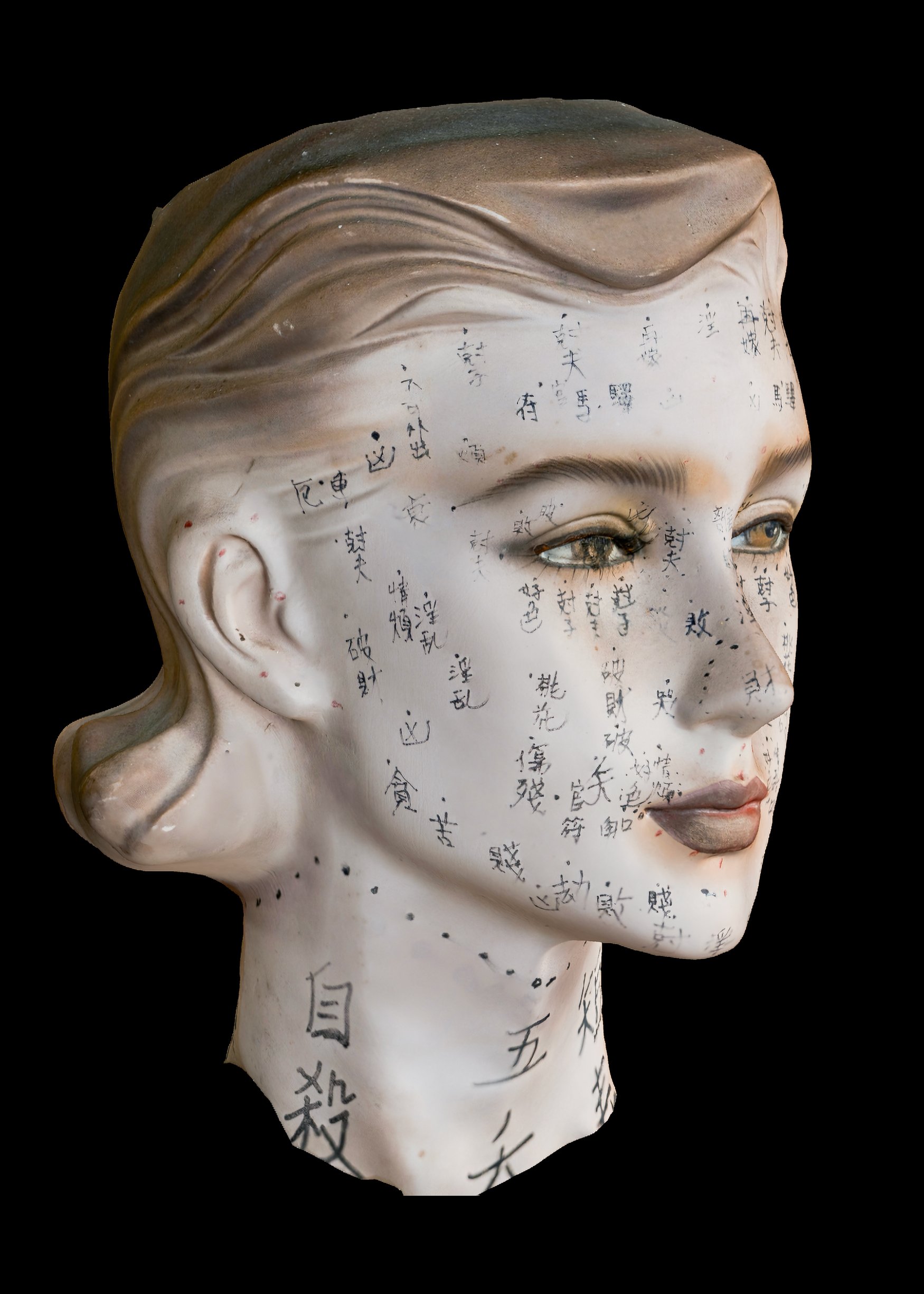
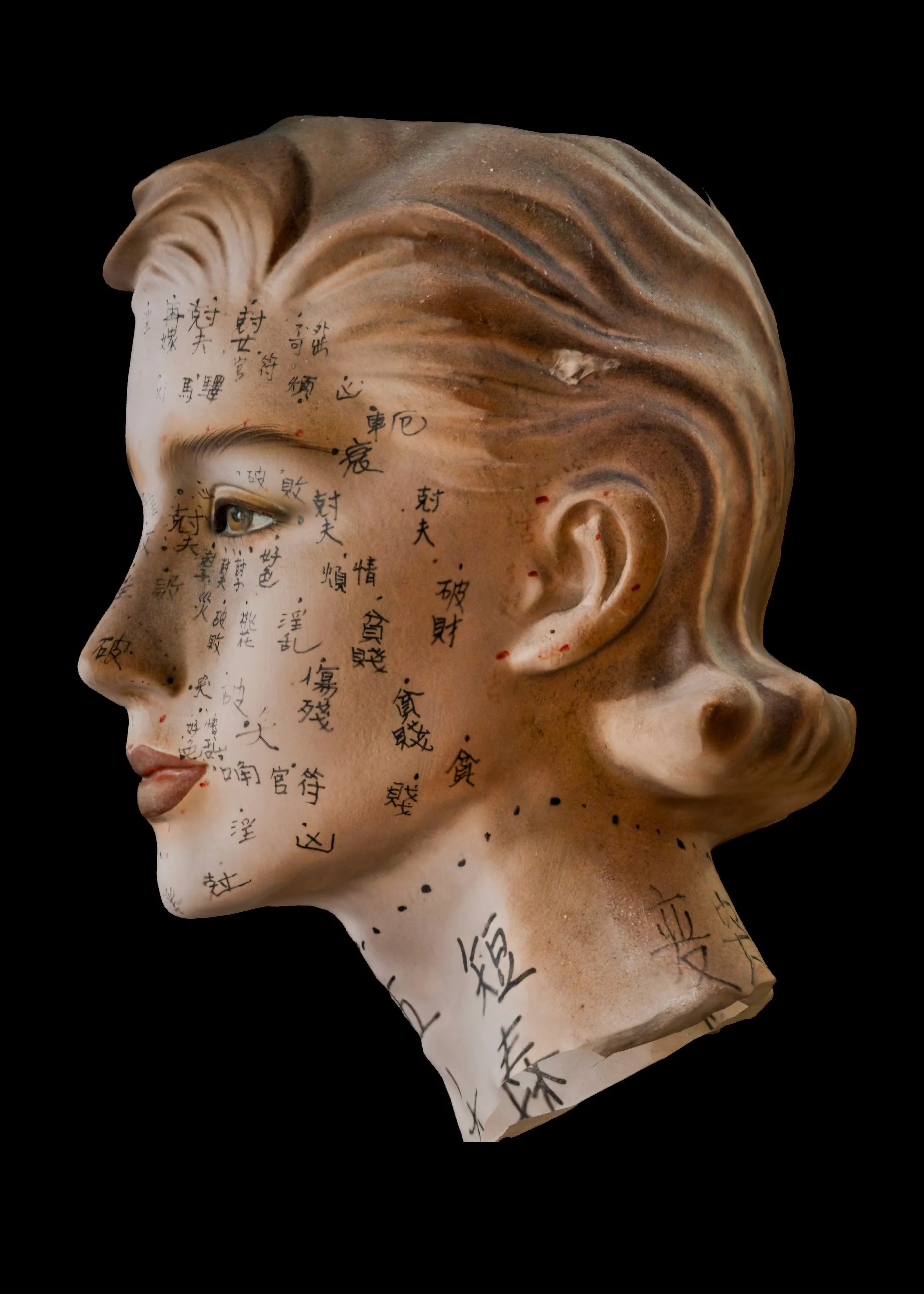
3D Objects and Molds Print Up To 15x15cm


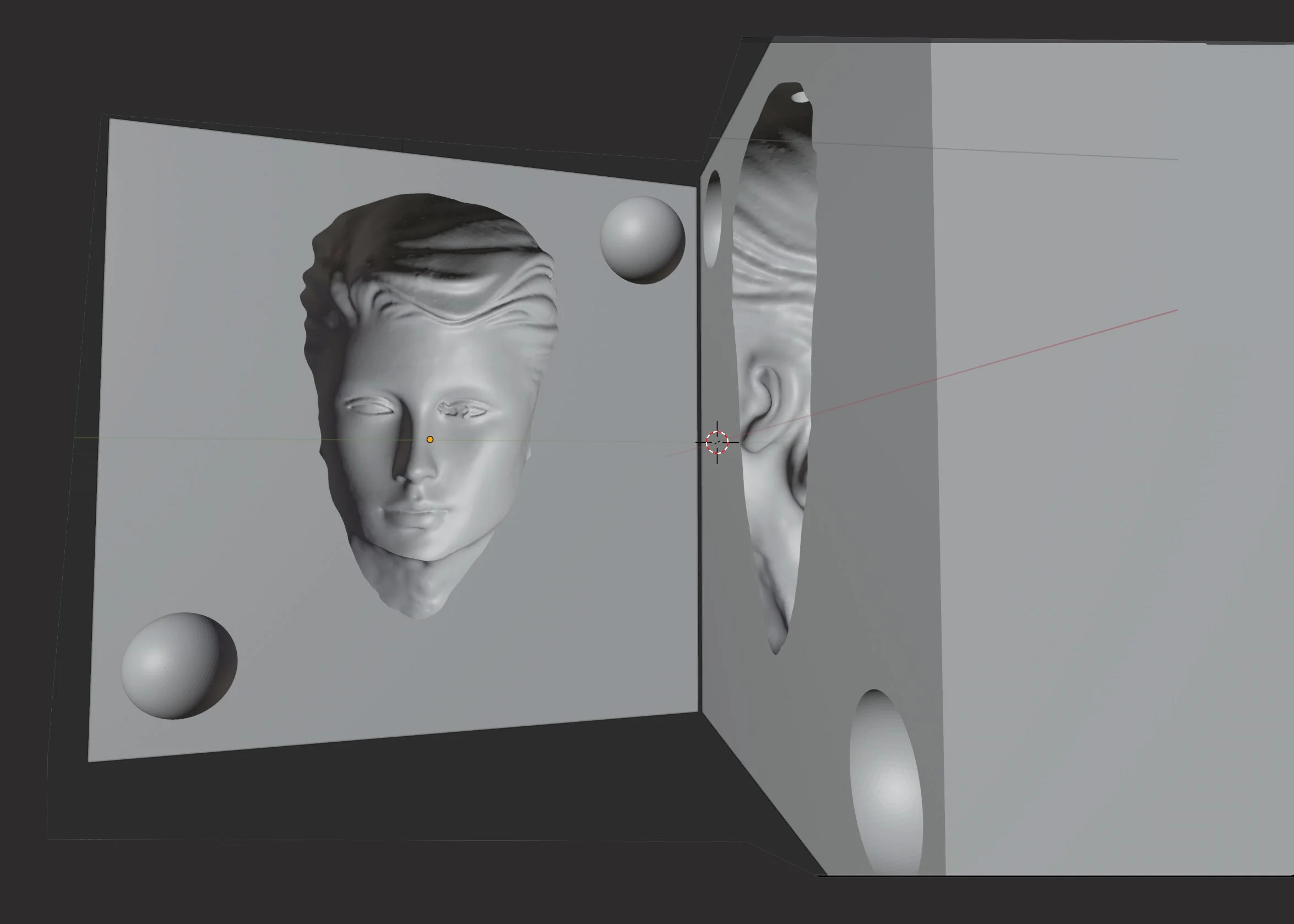
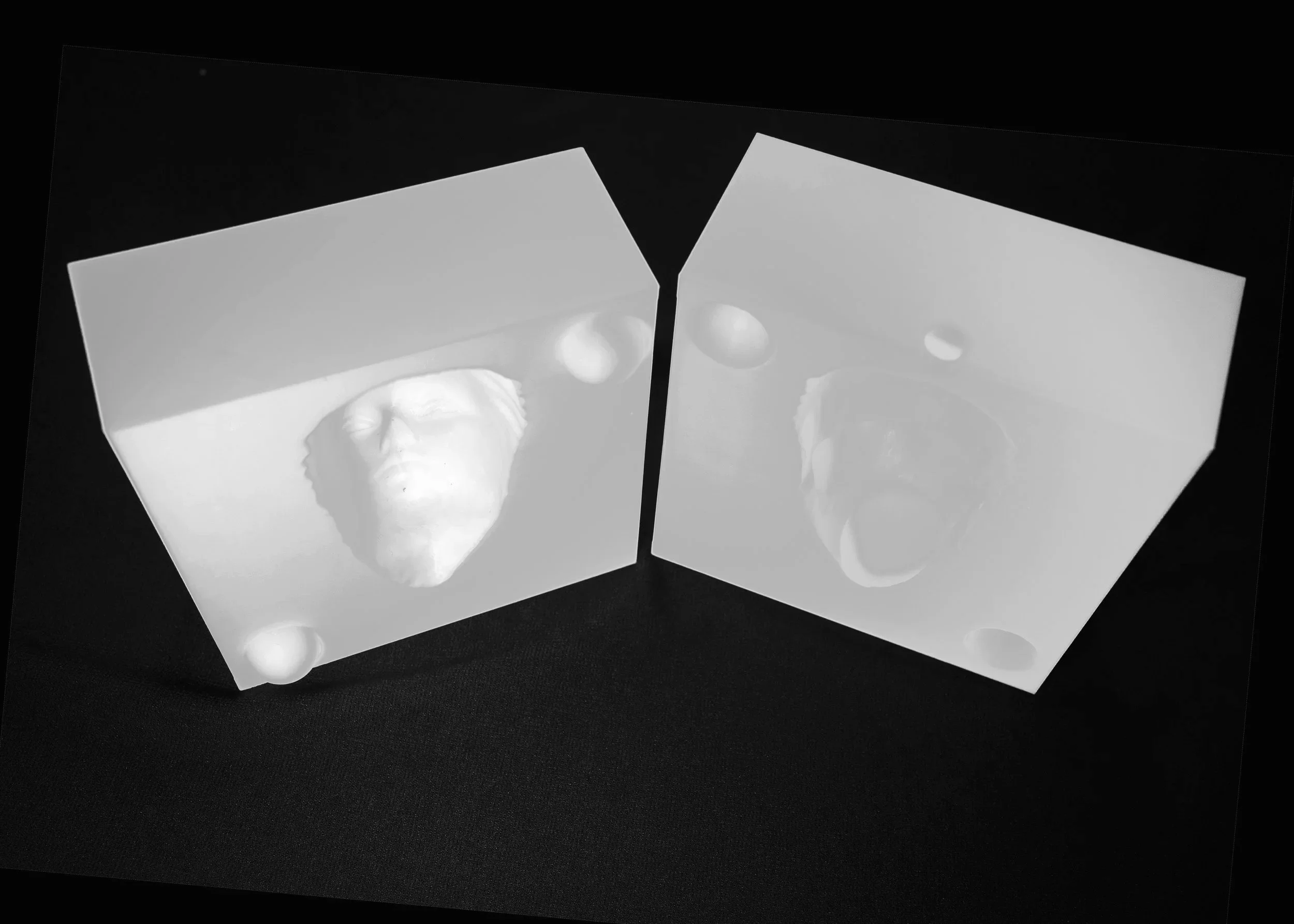
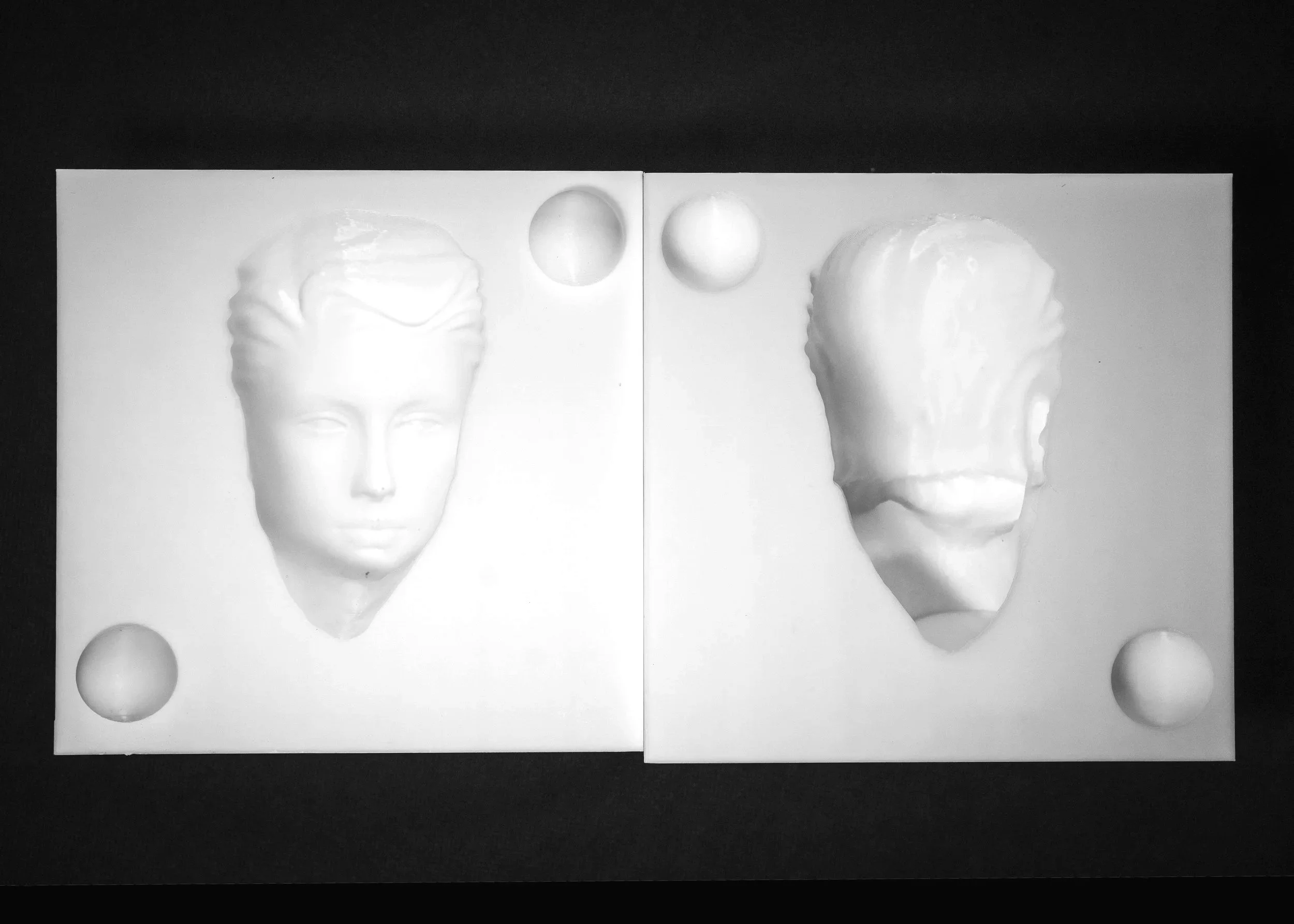
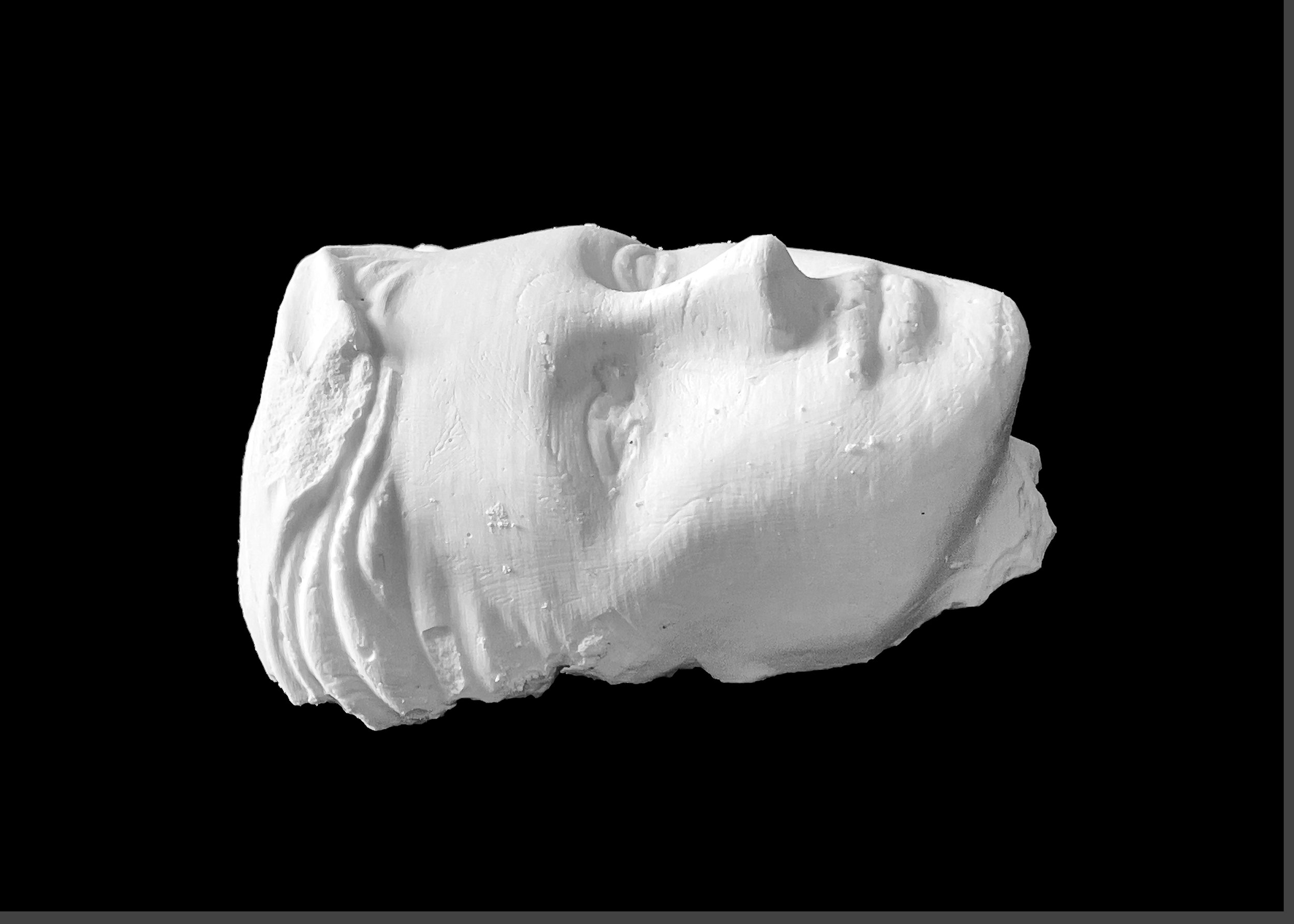
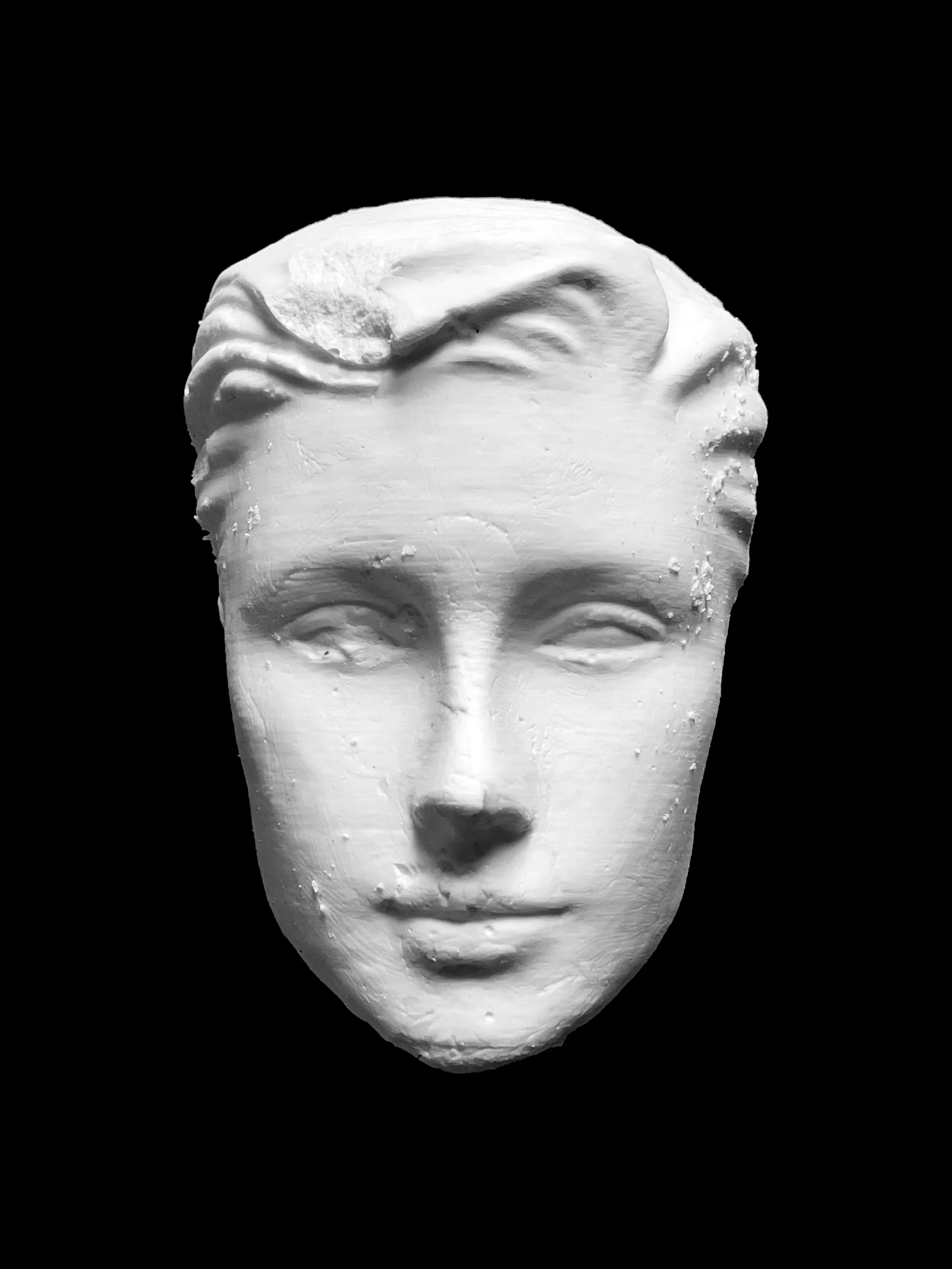
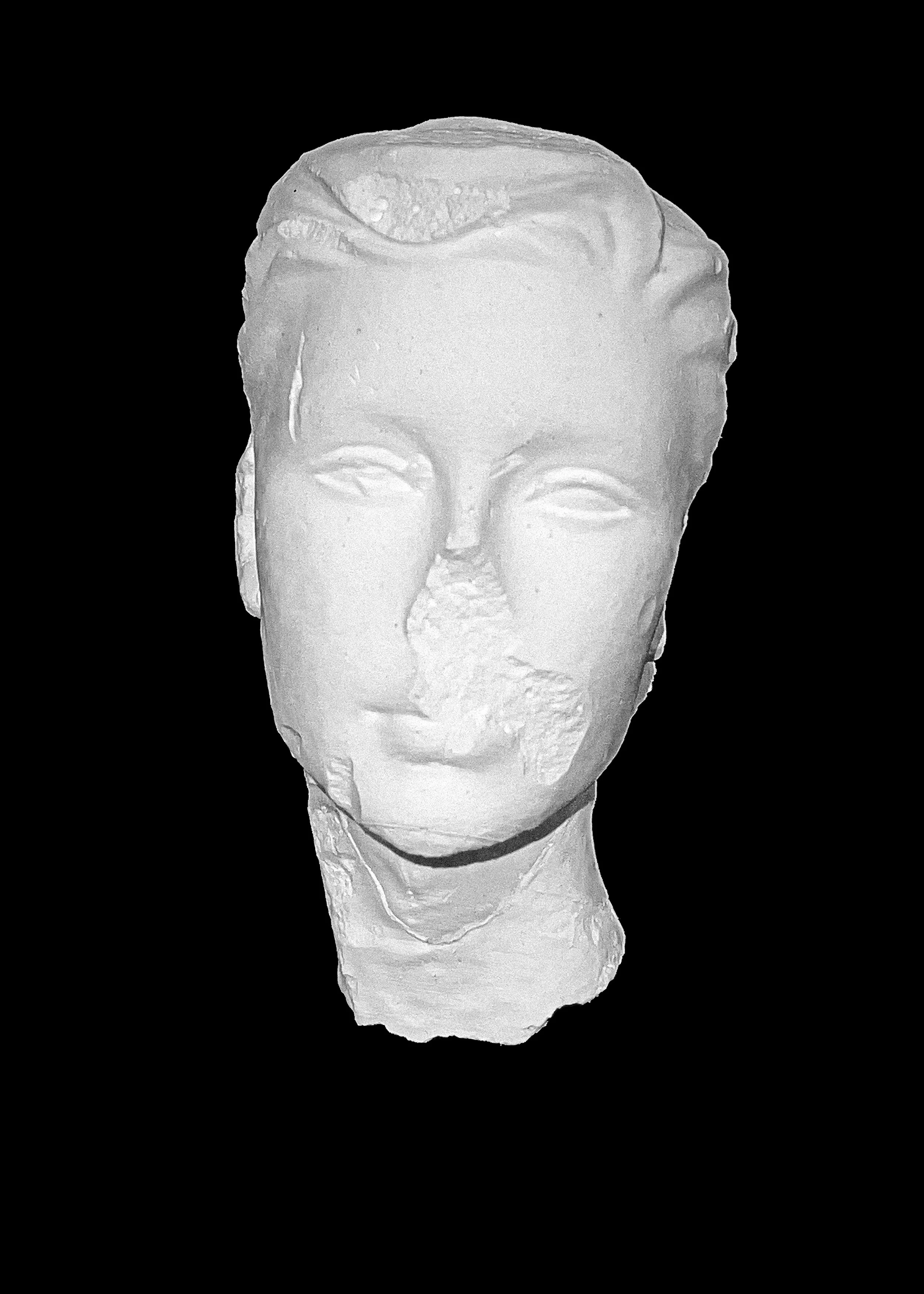
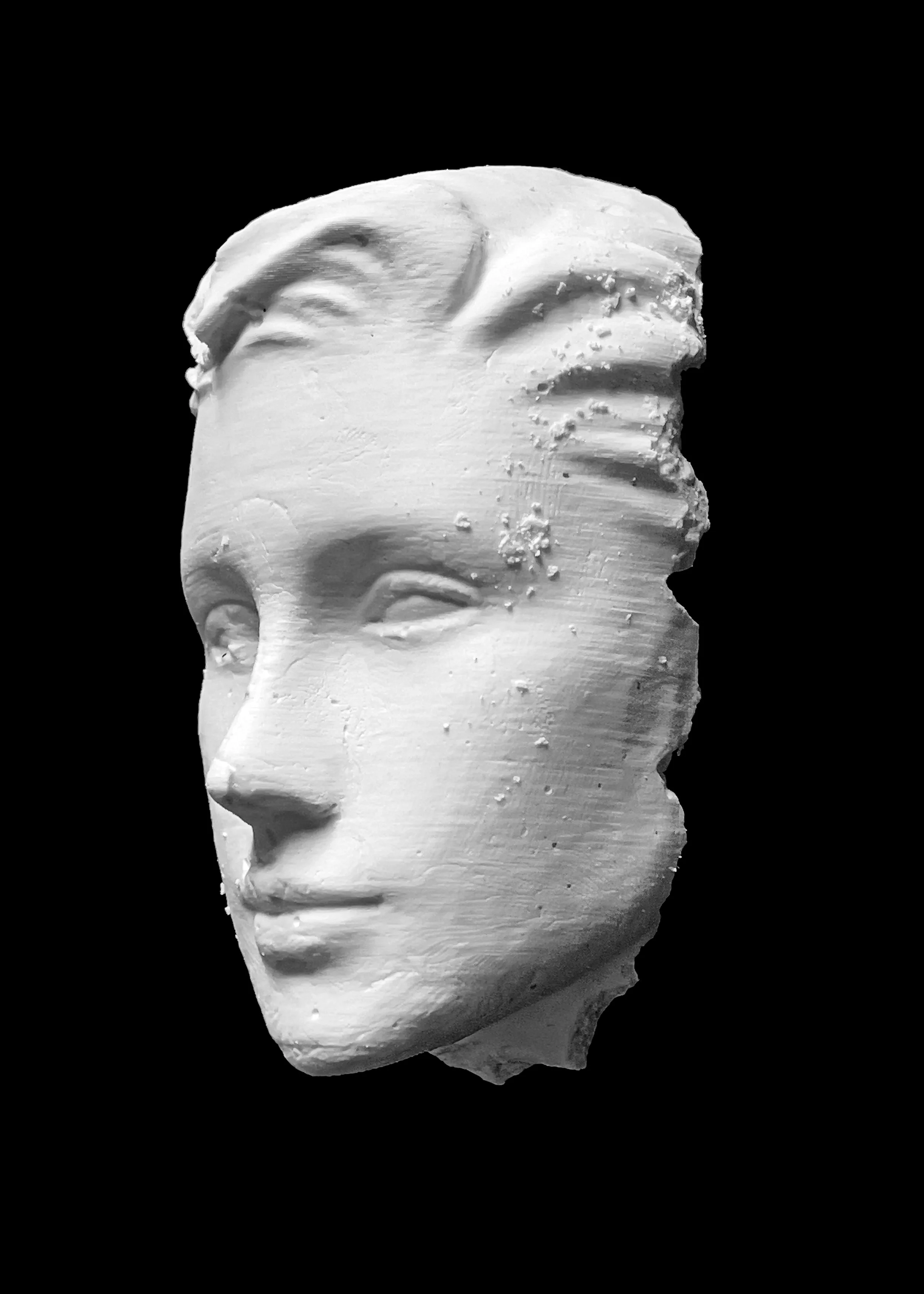
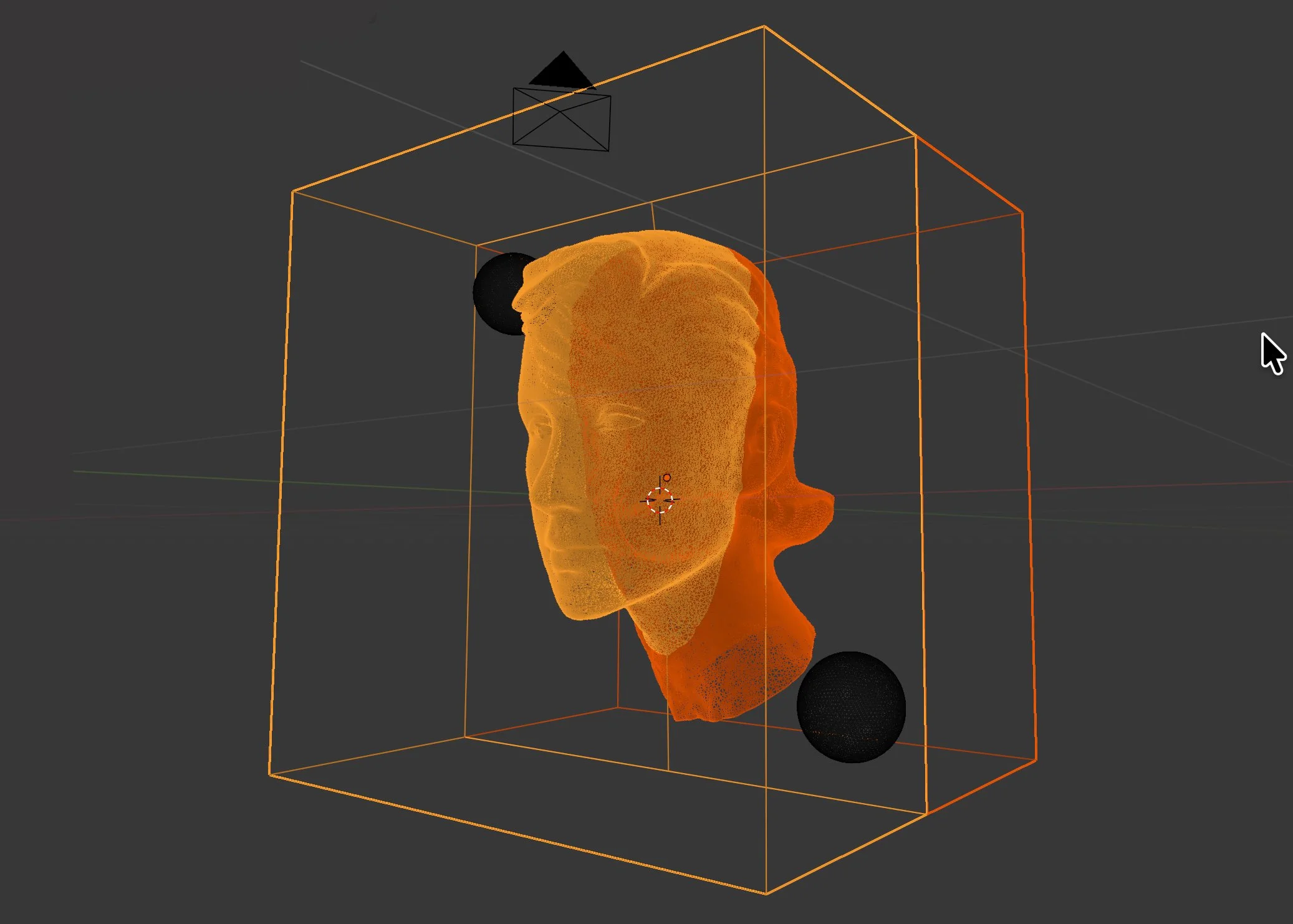
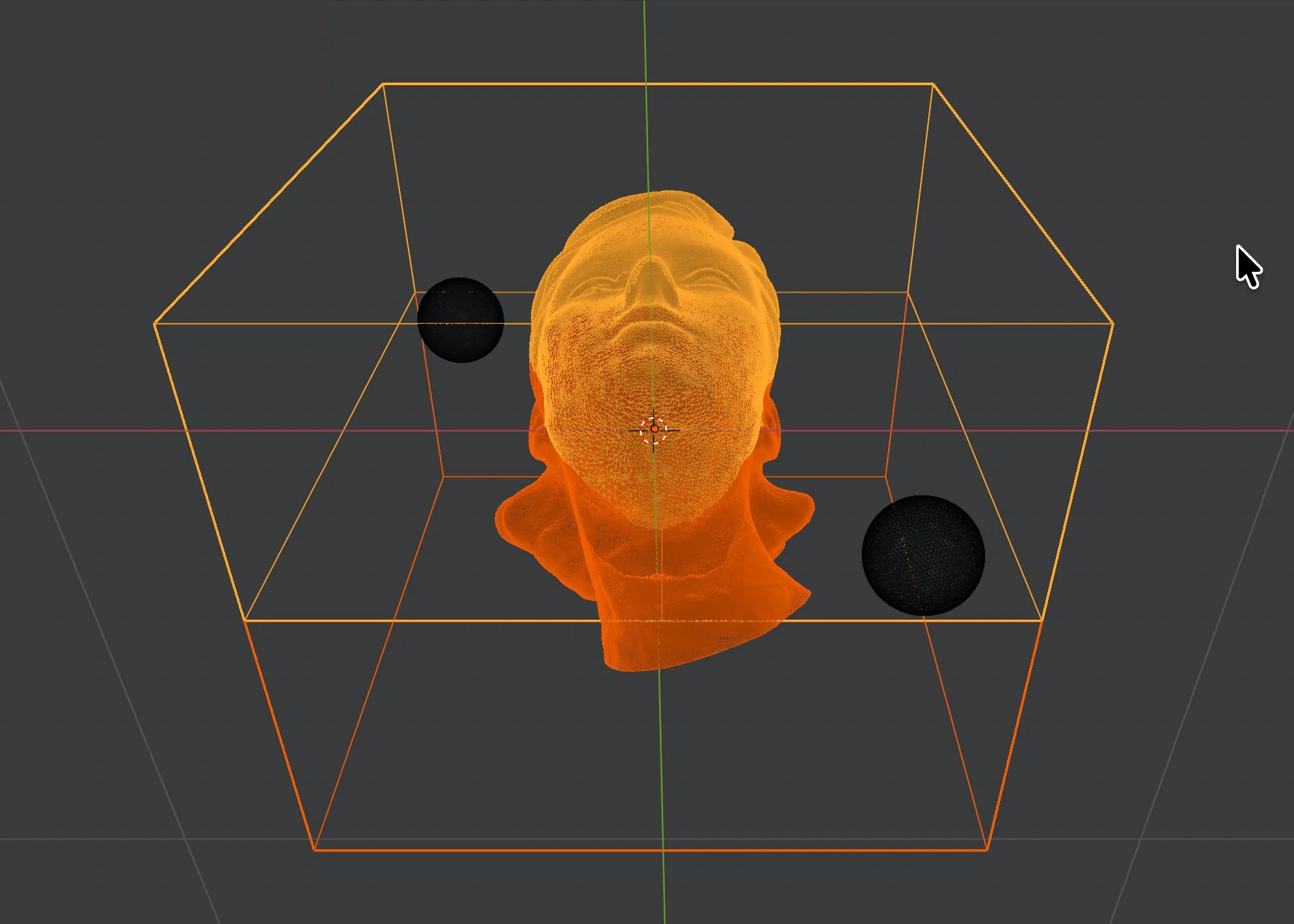
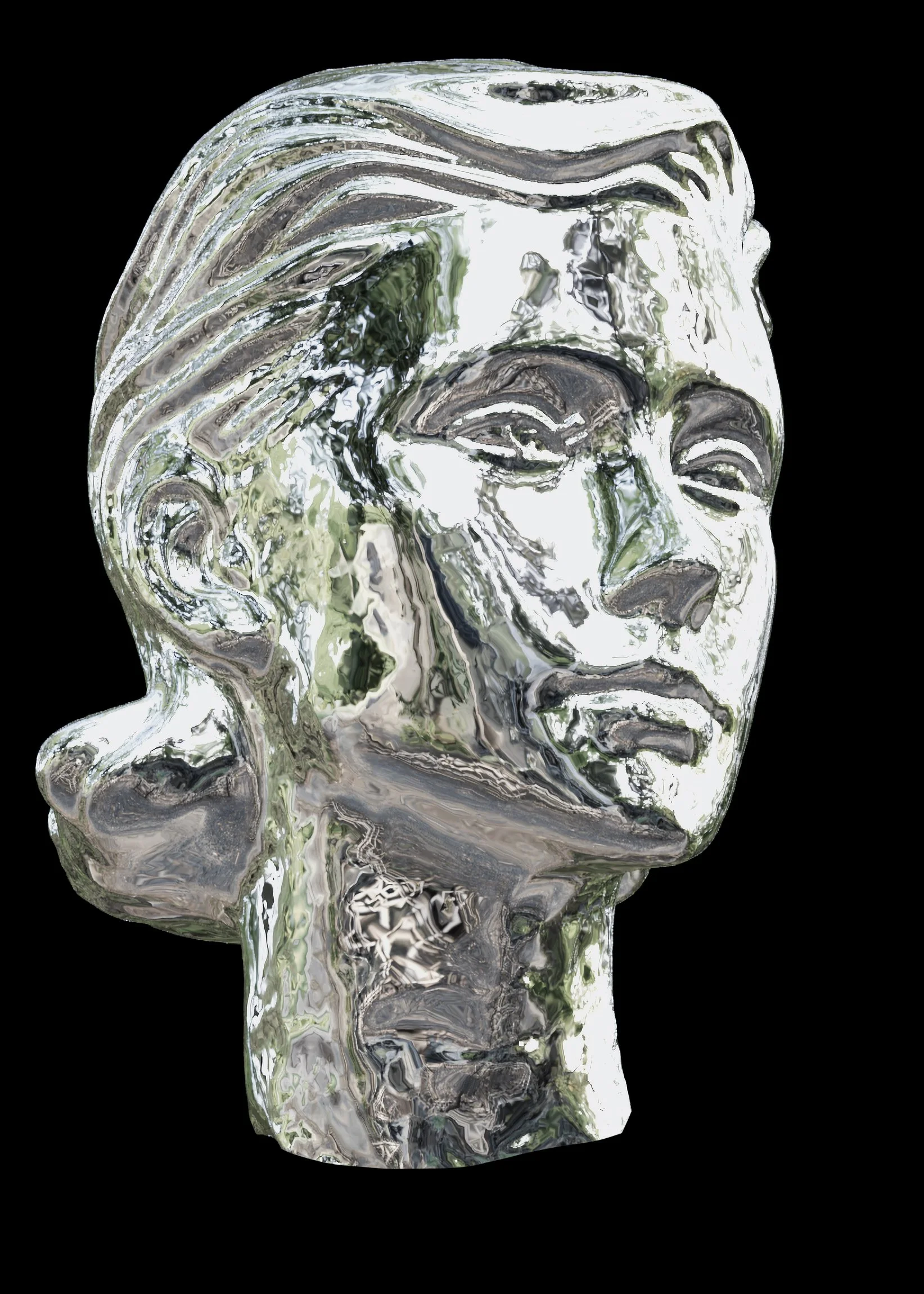

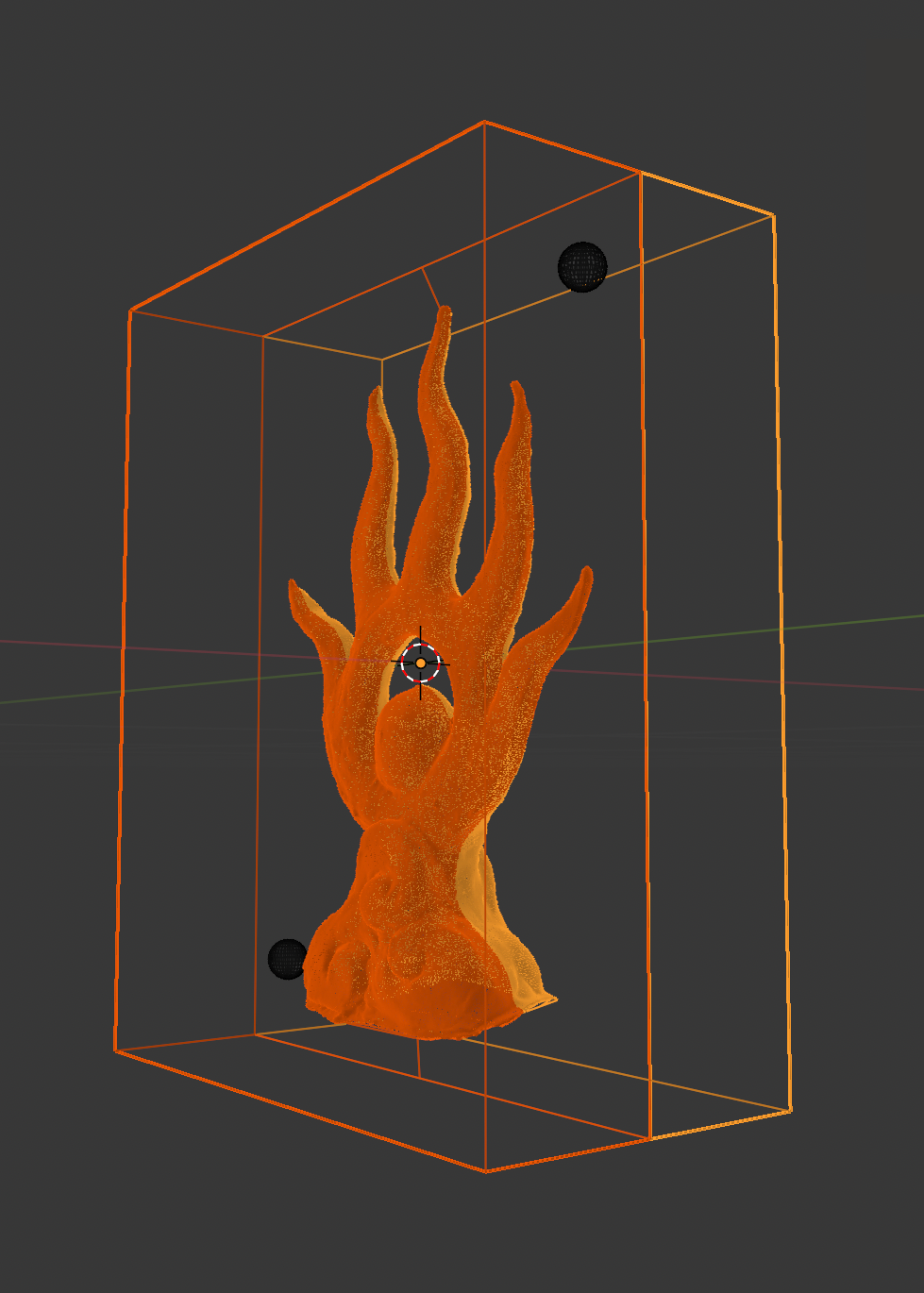
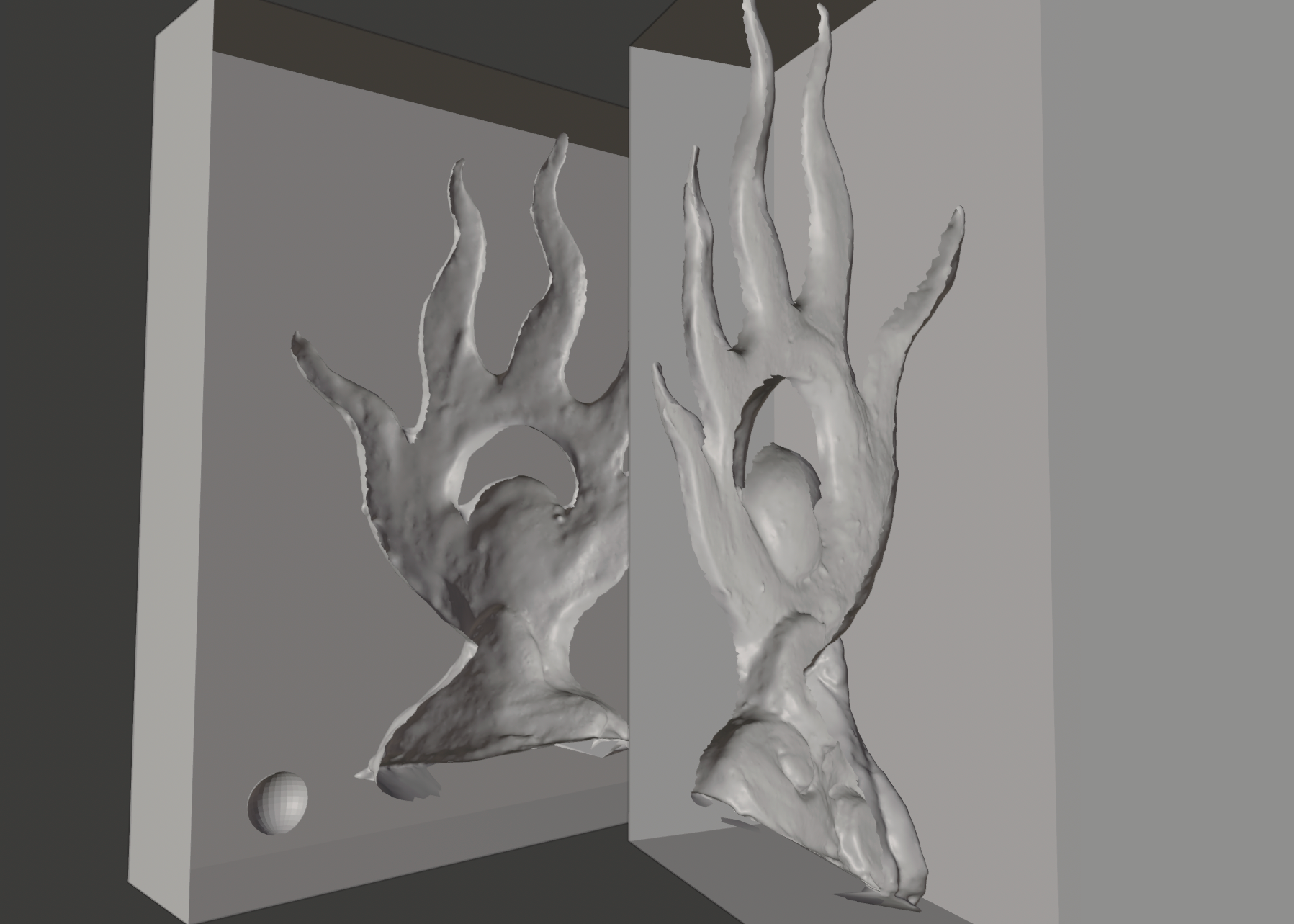
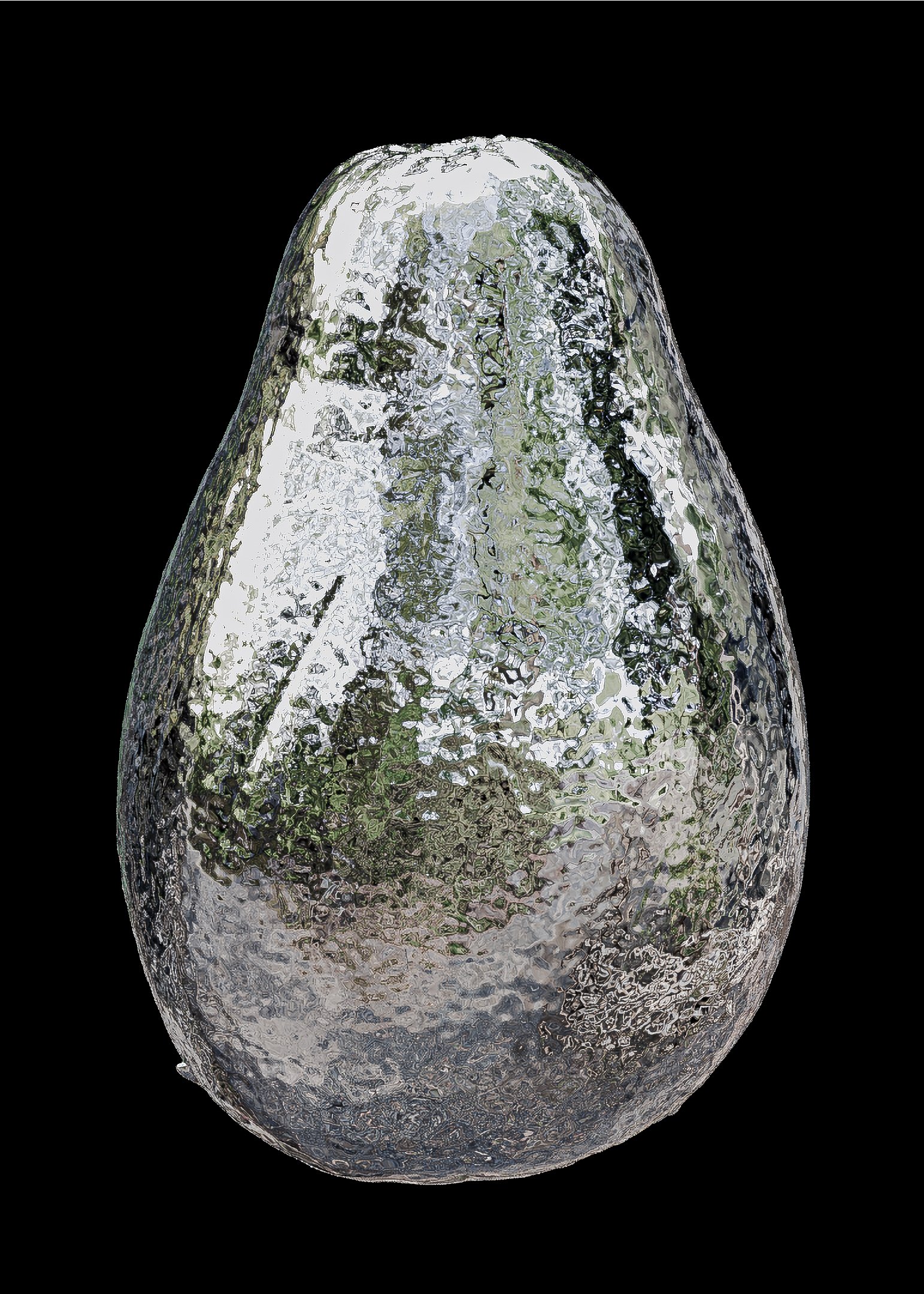

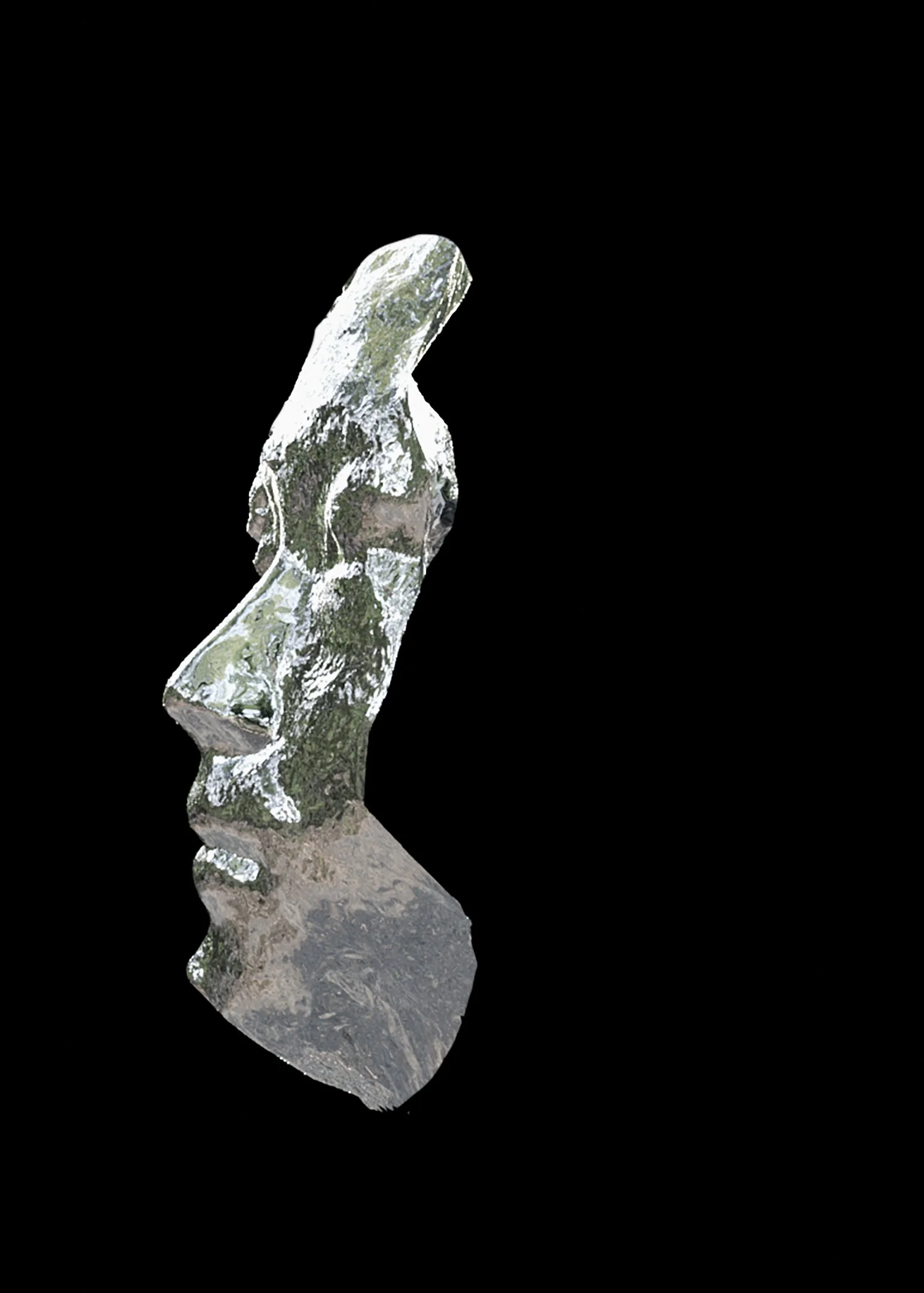
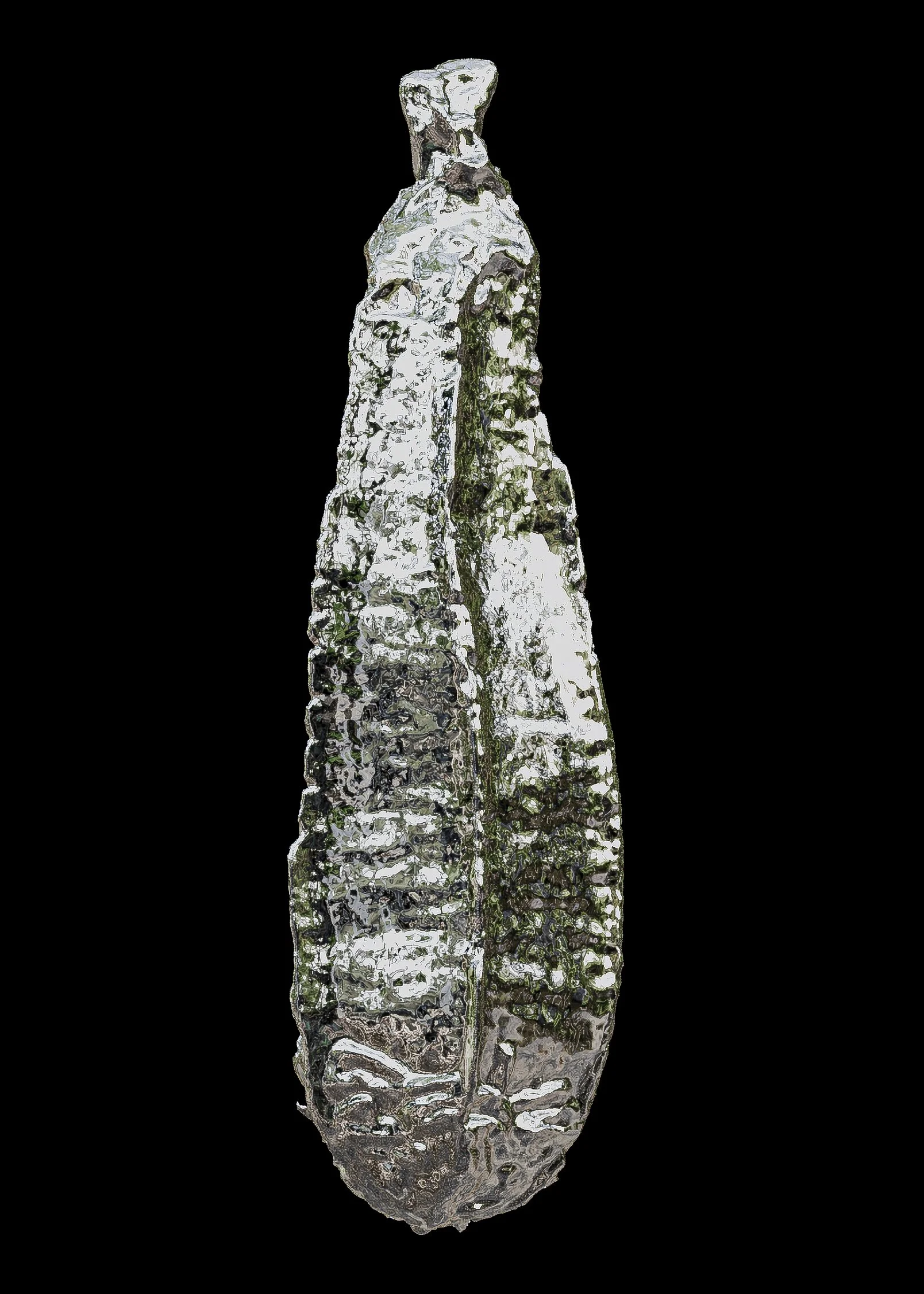


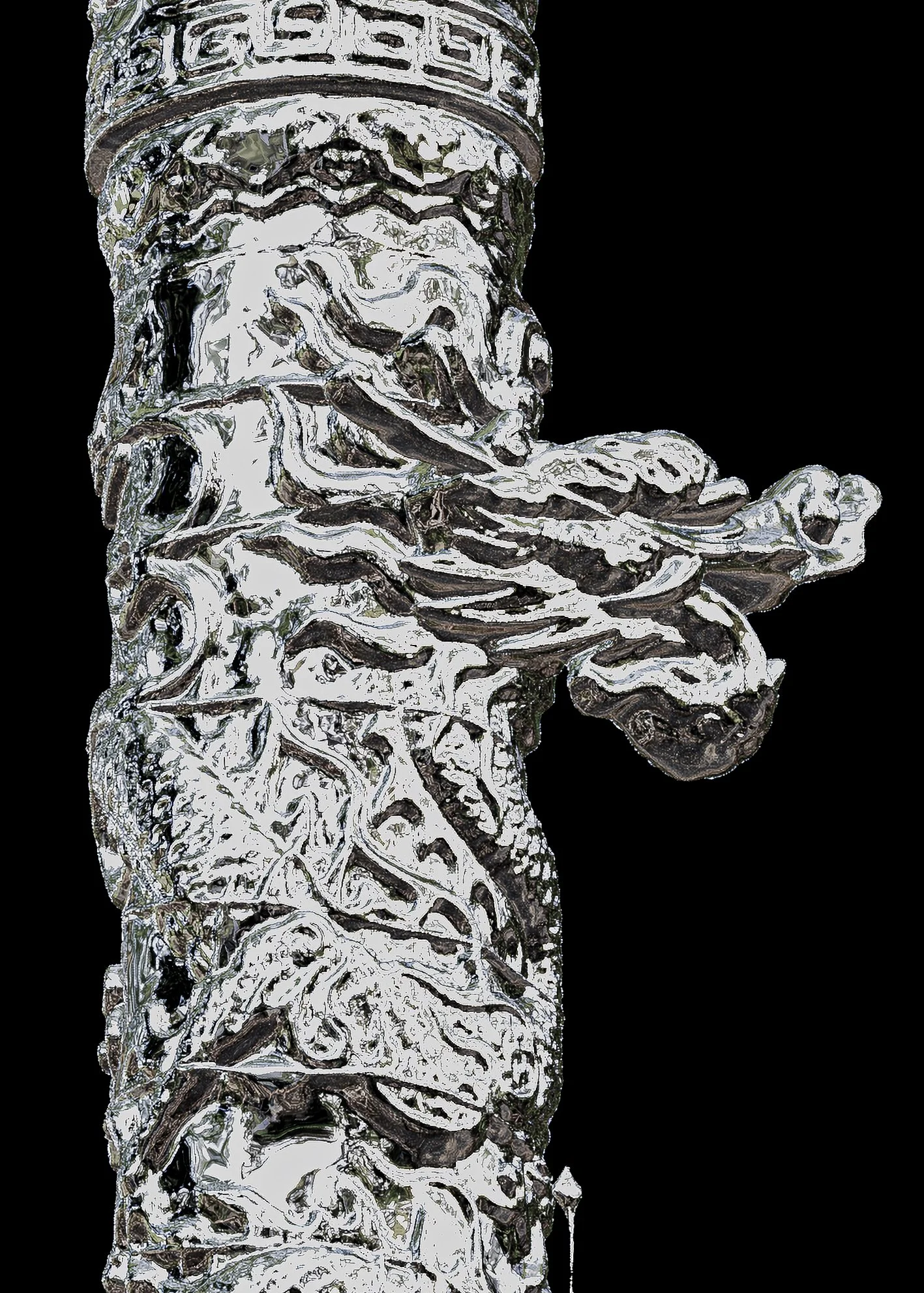








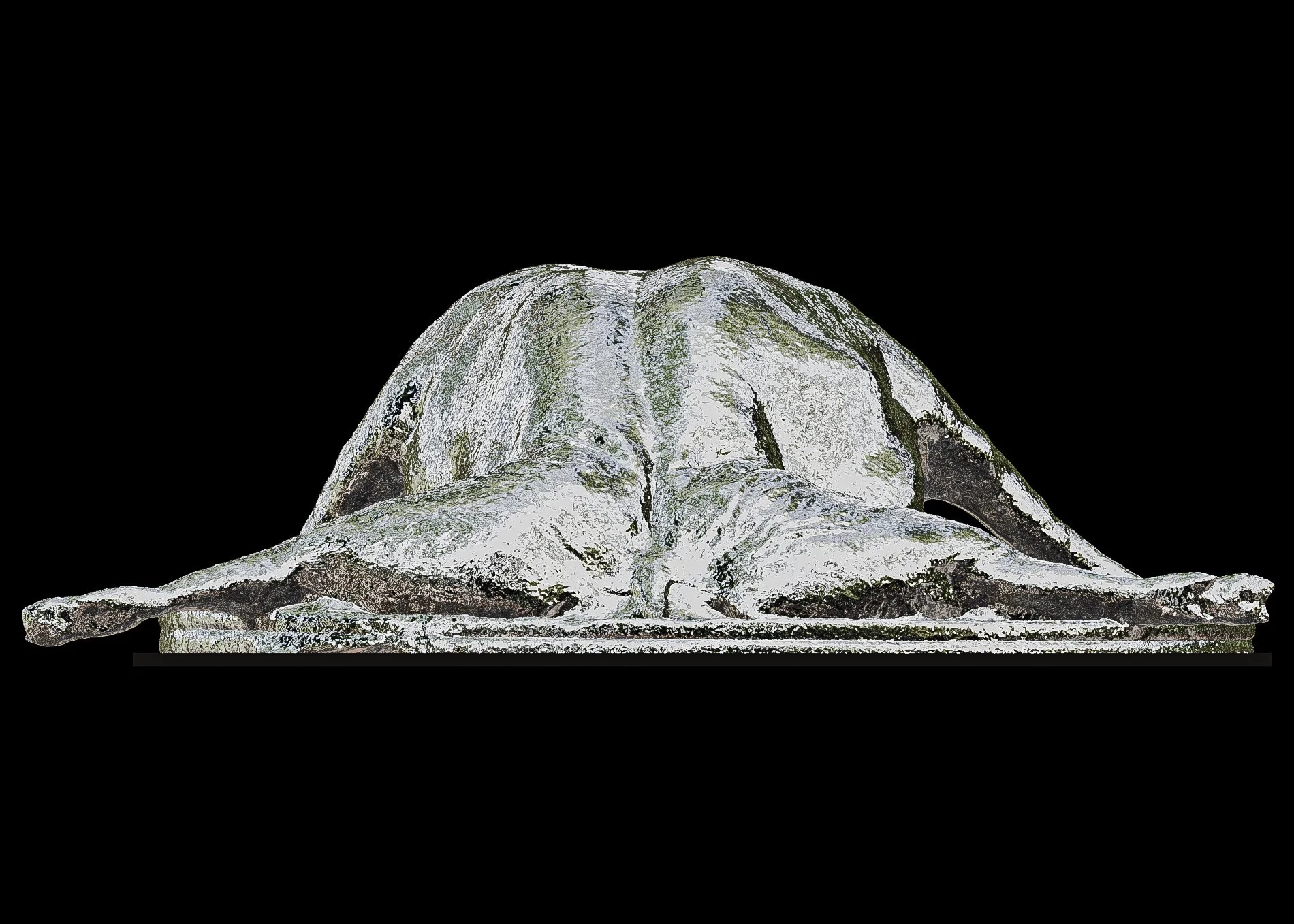


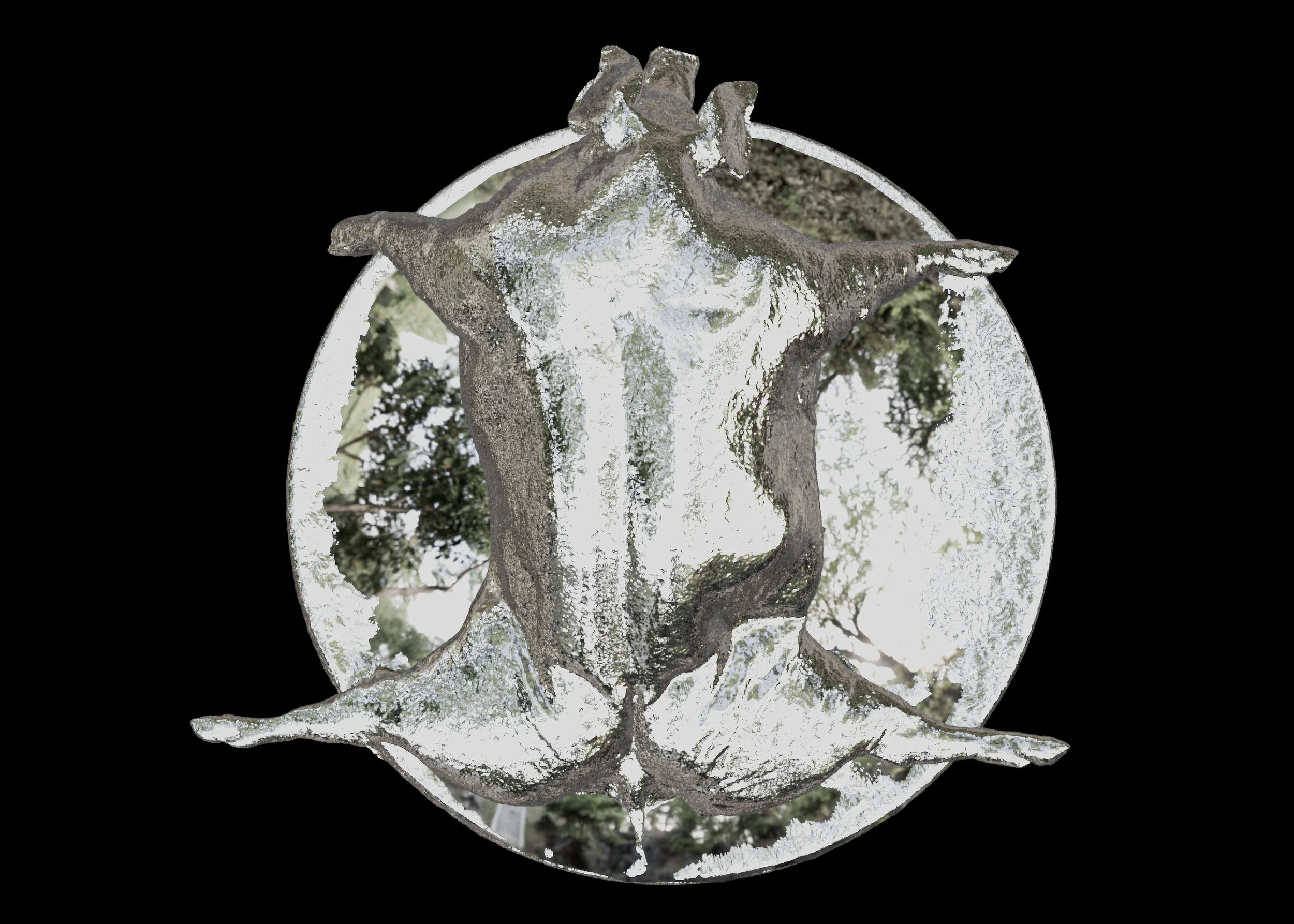
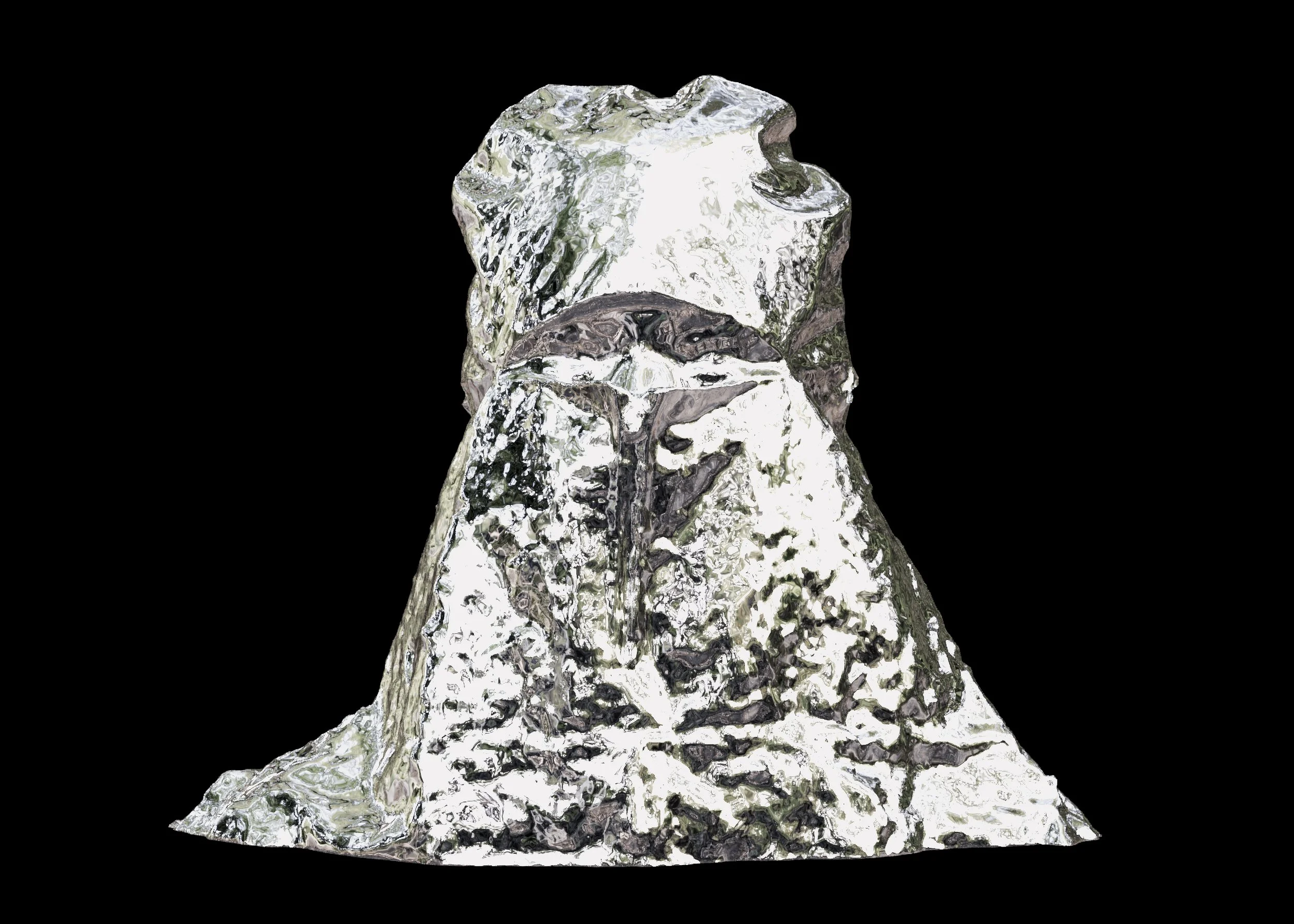
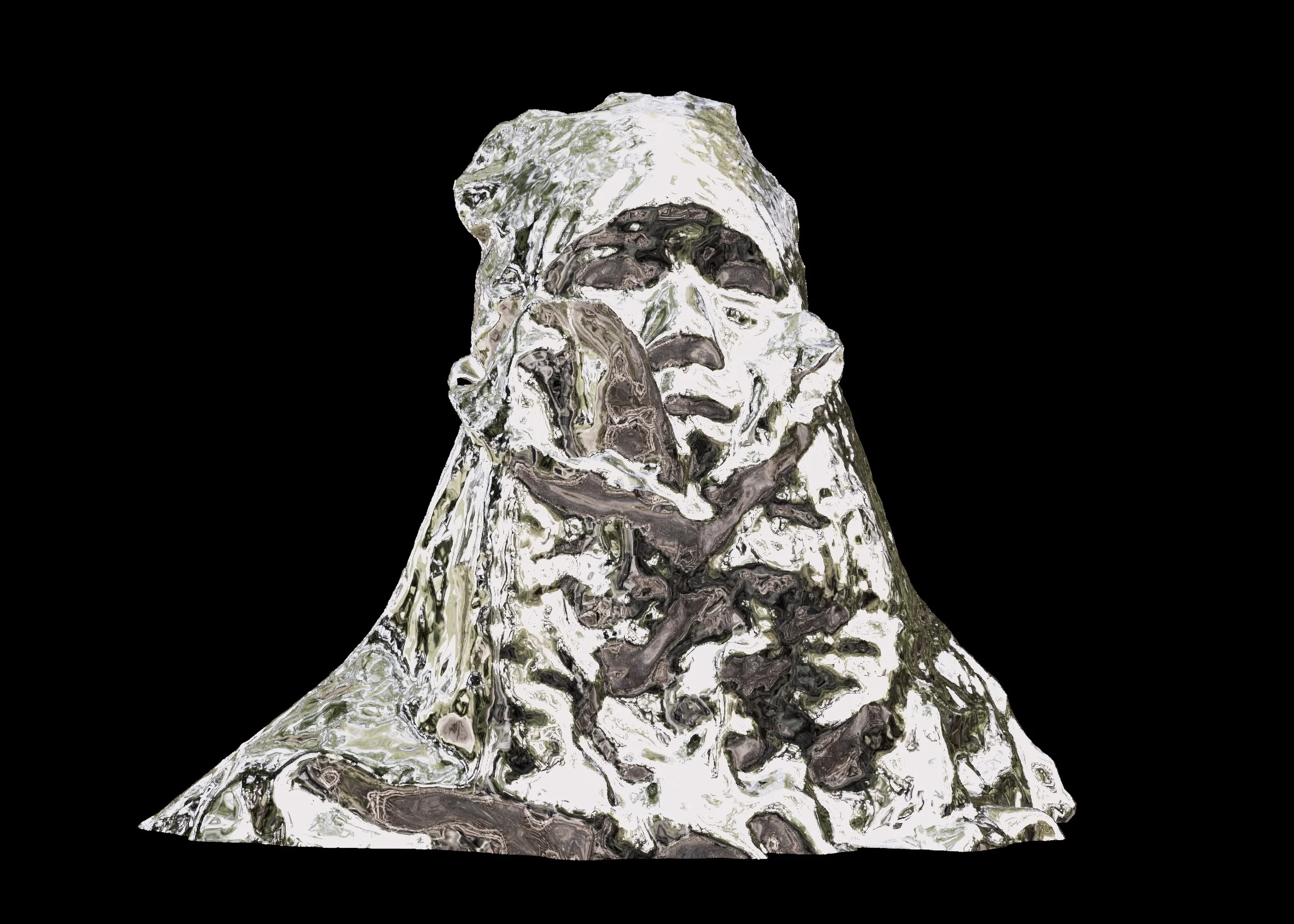


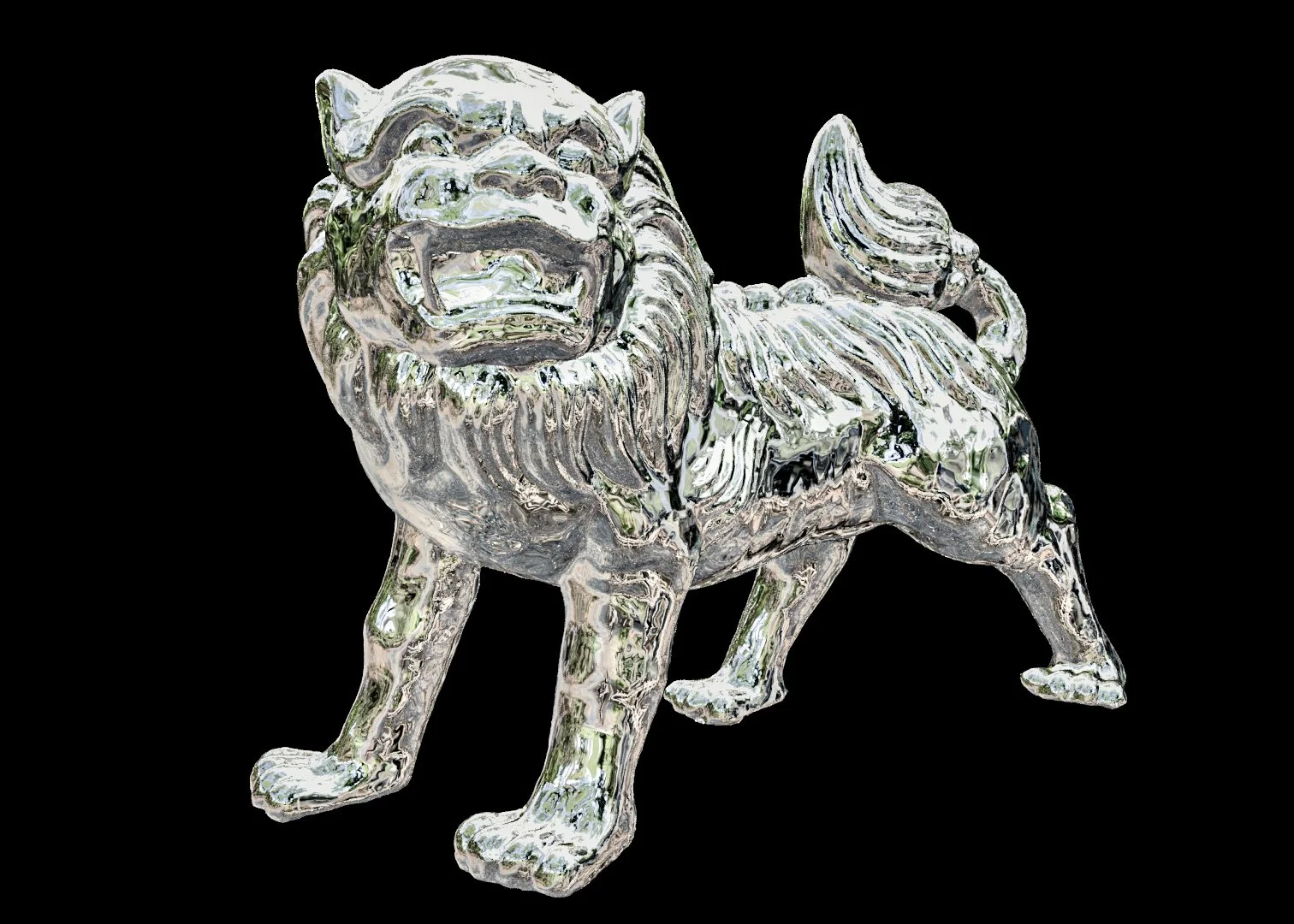

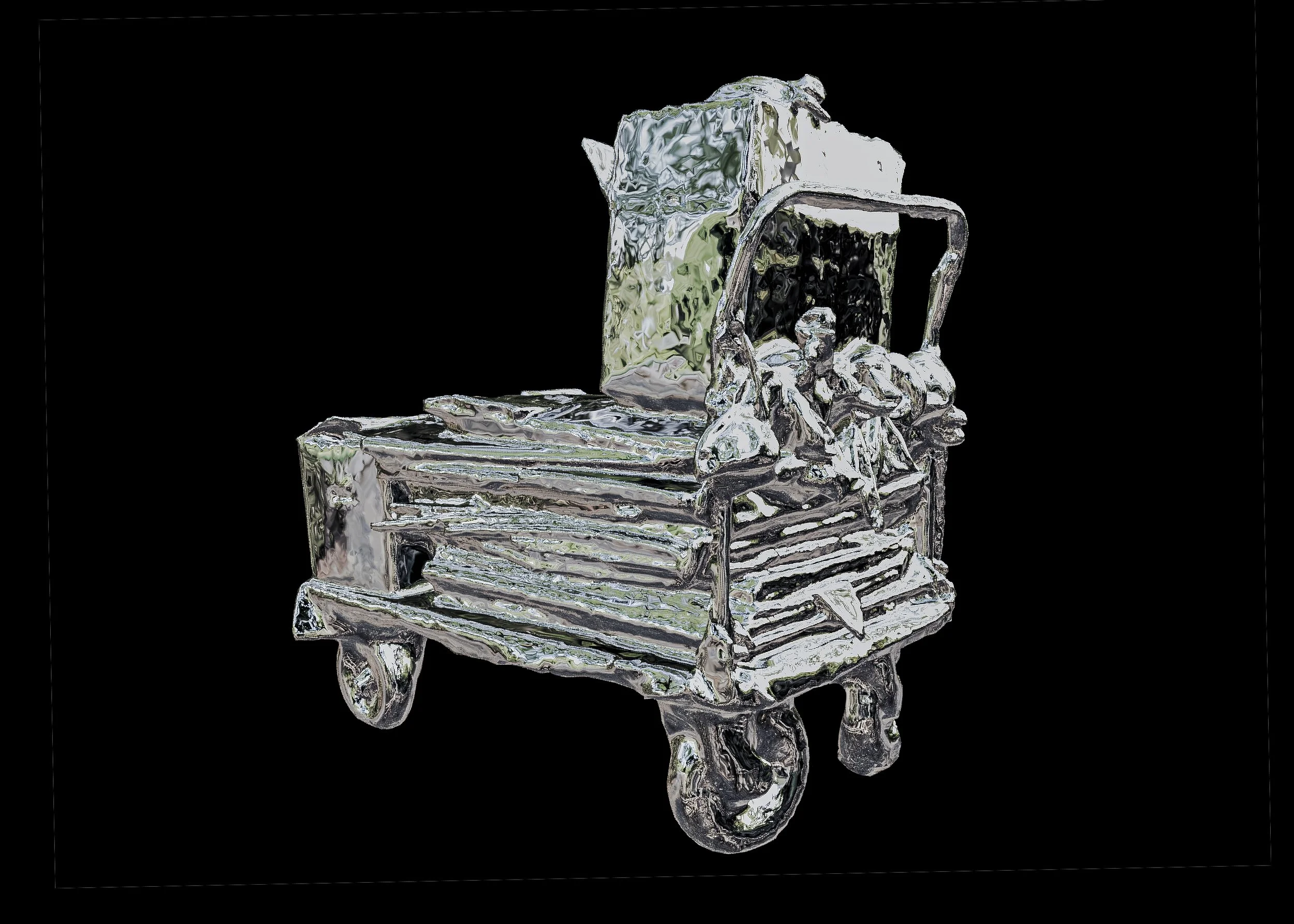


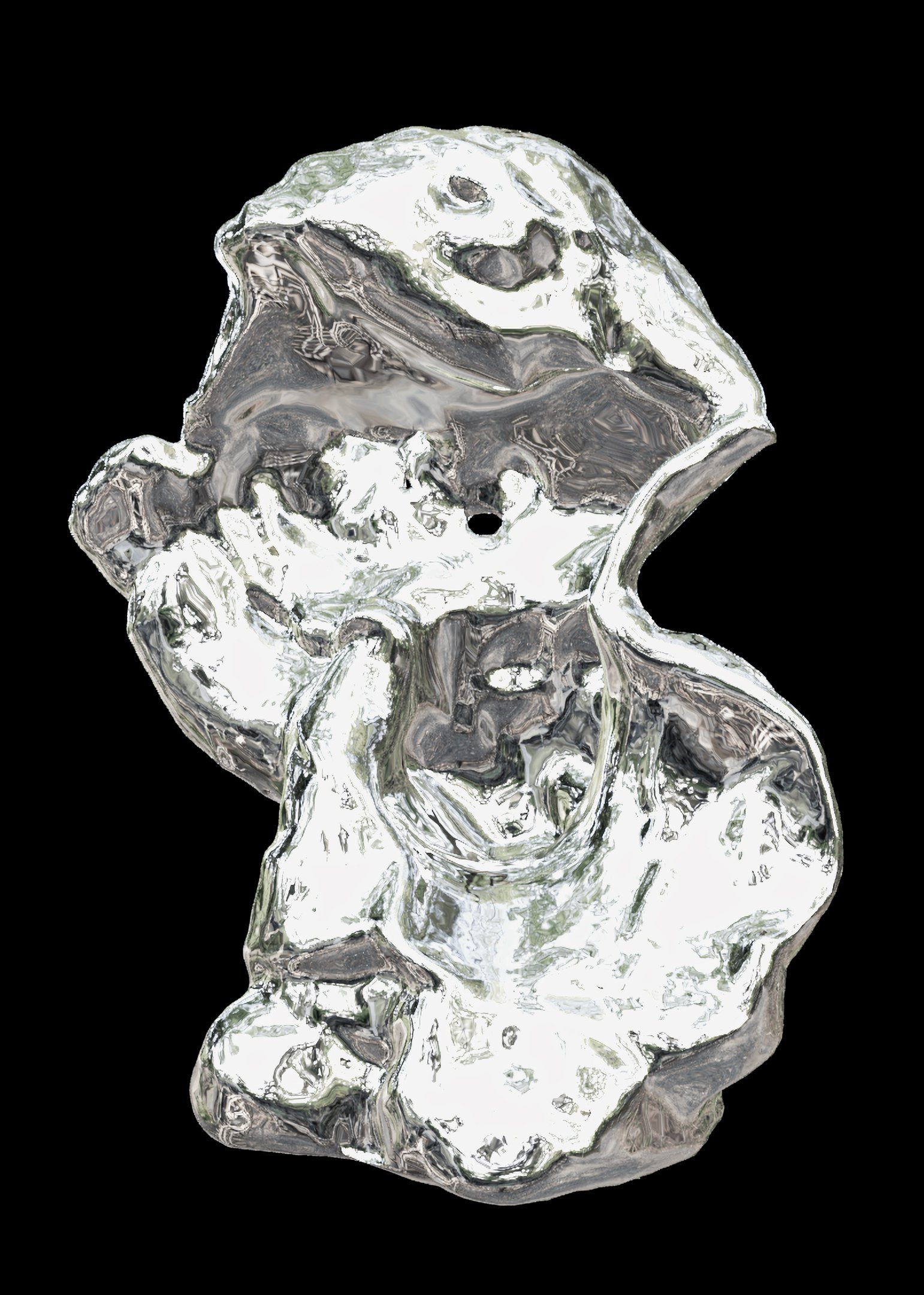
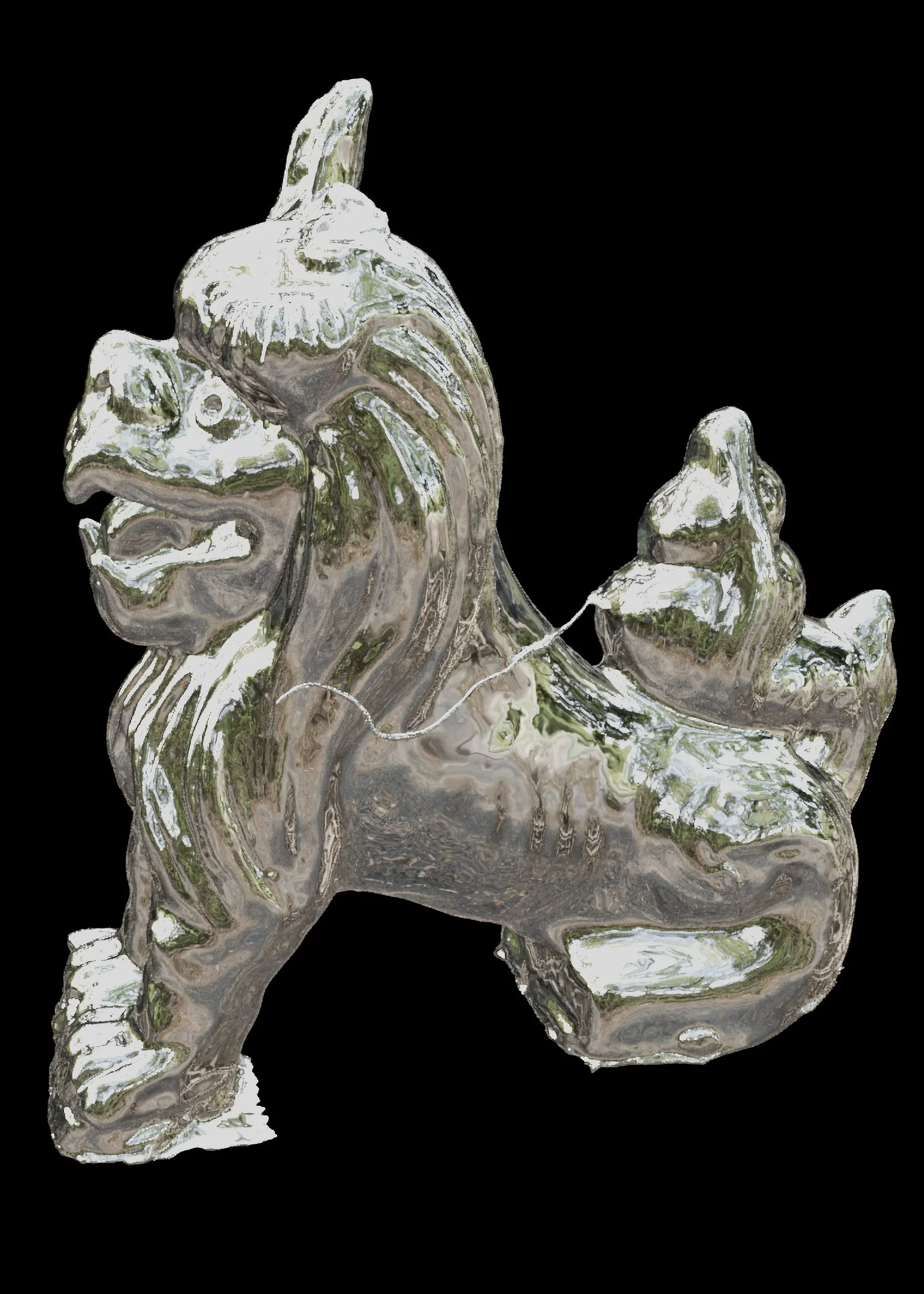










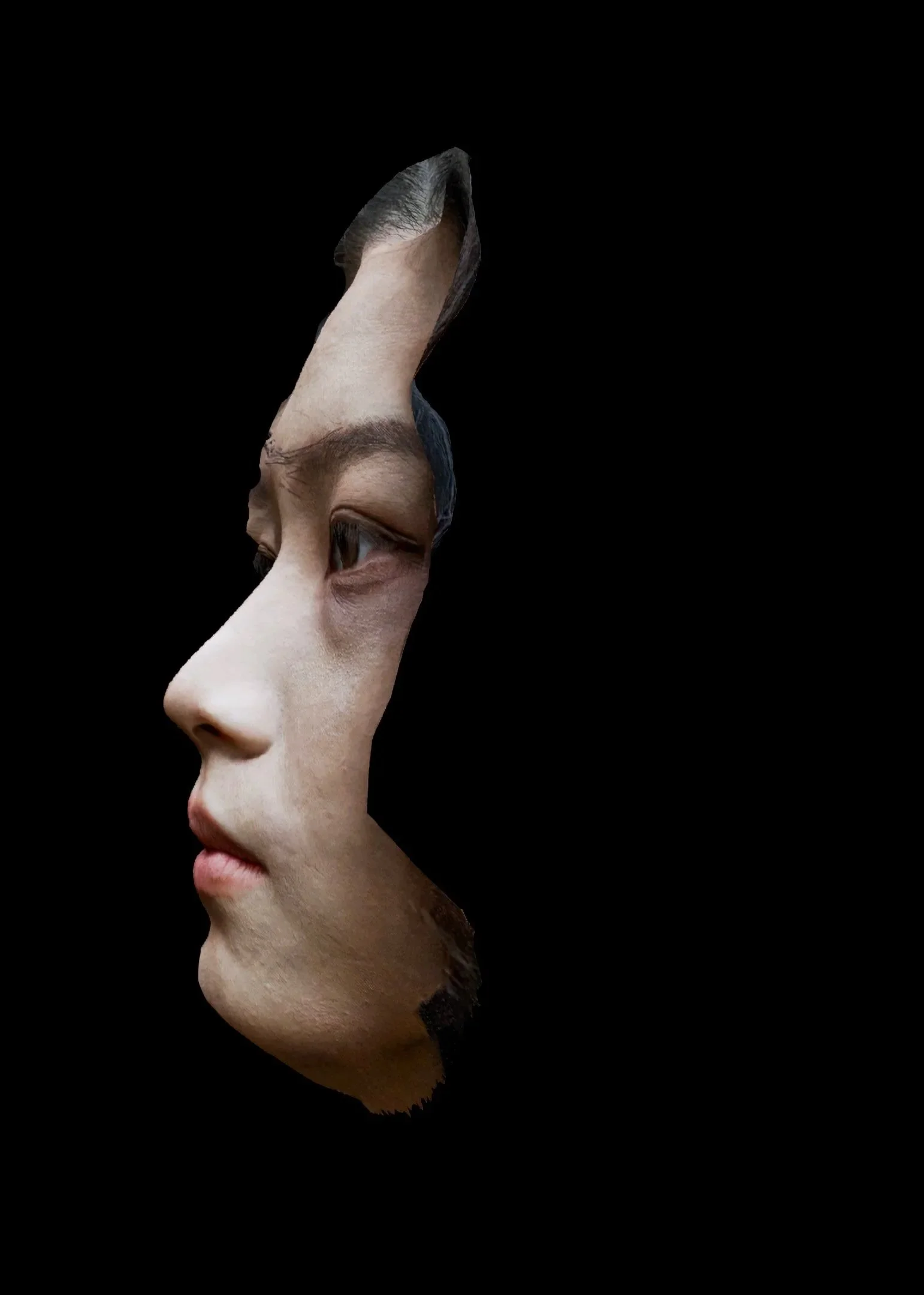
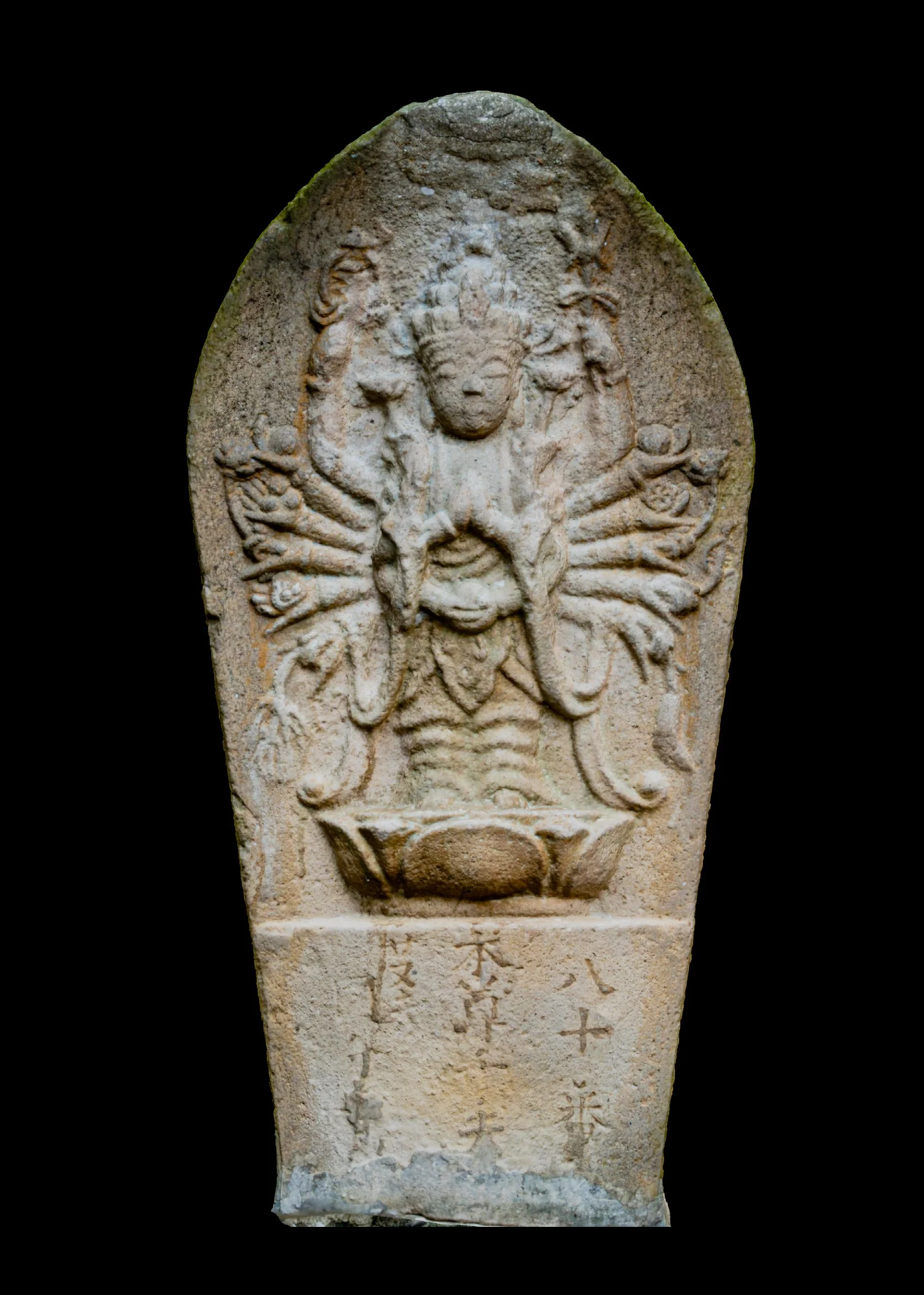
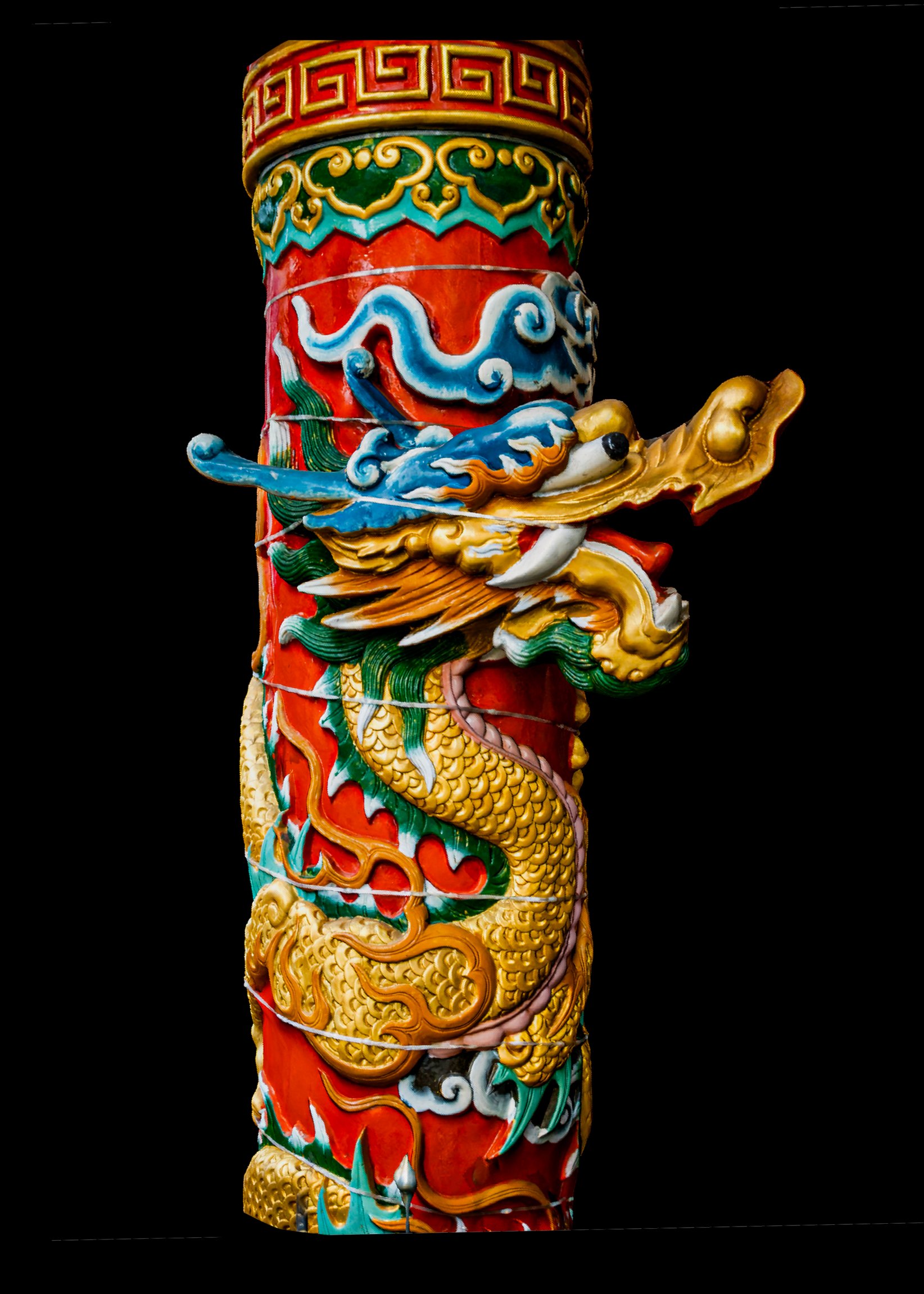




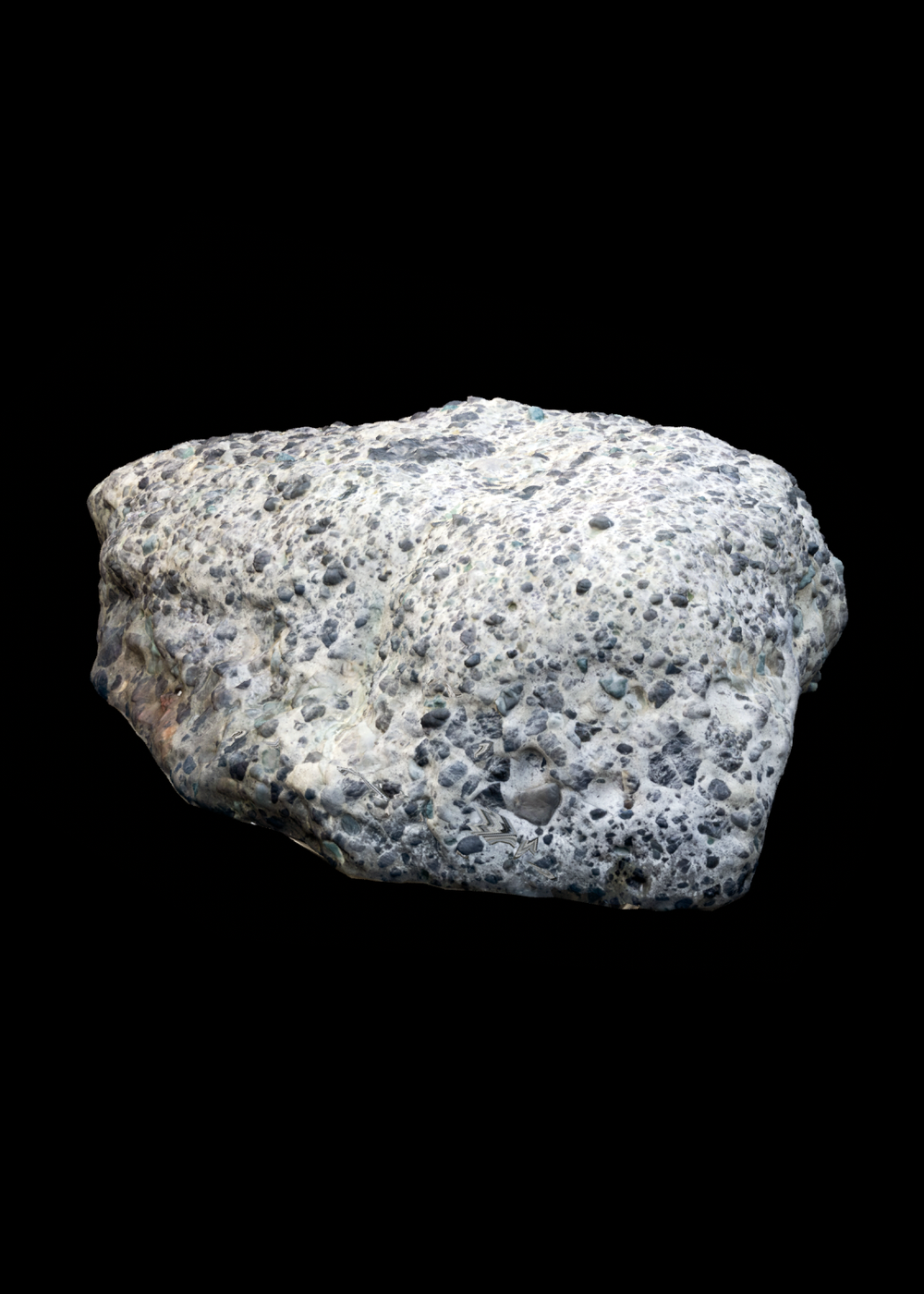

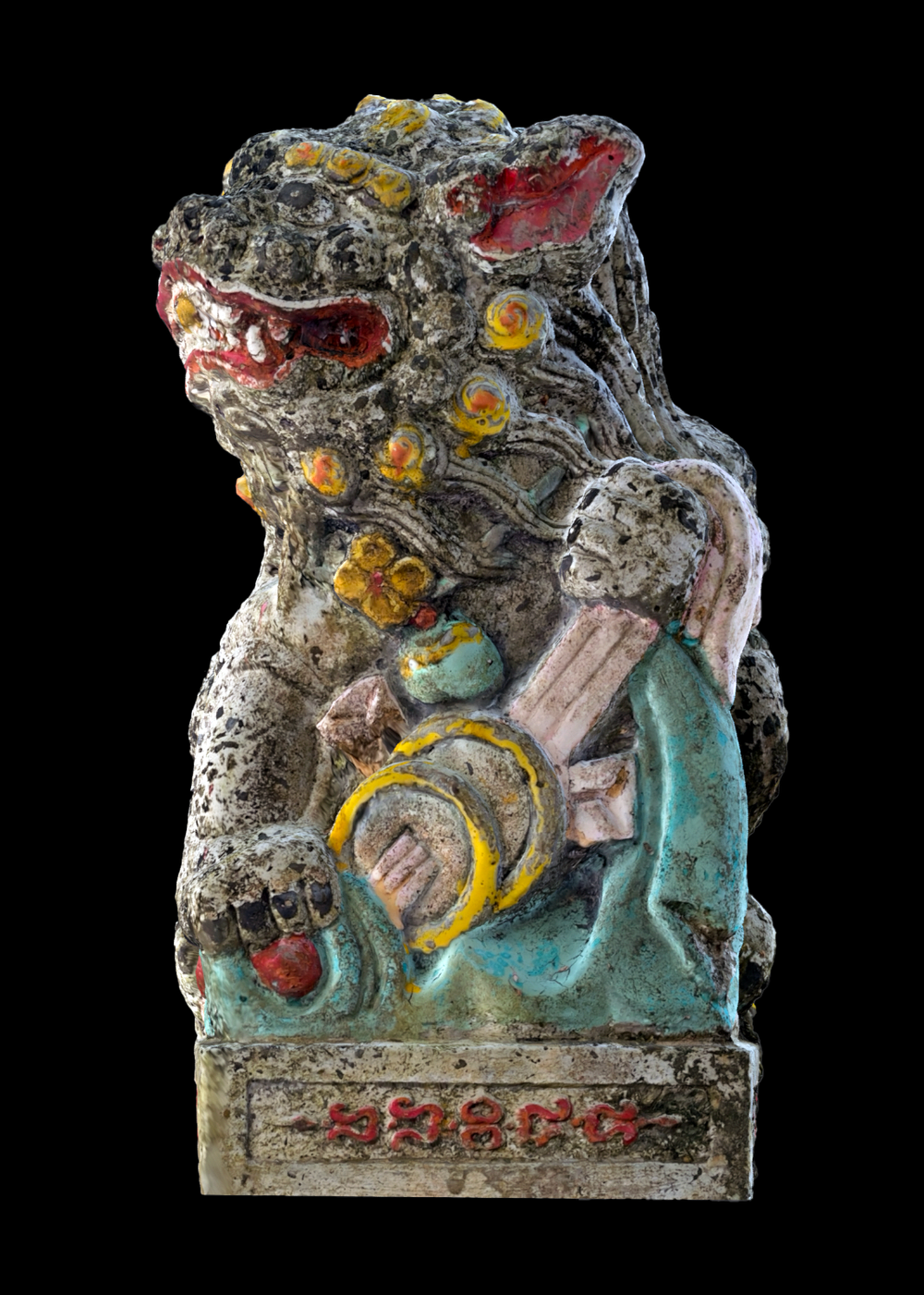

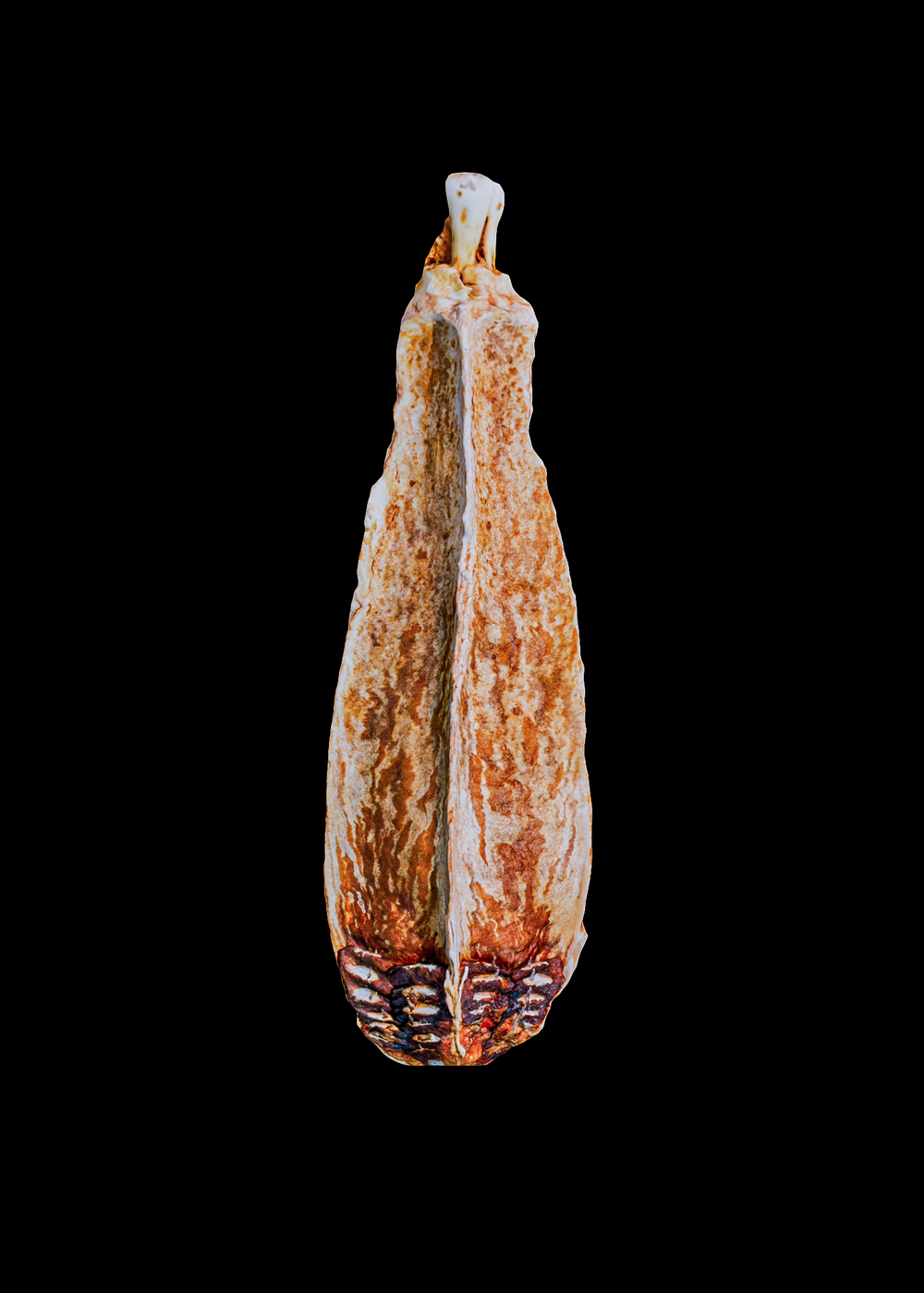


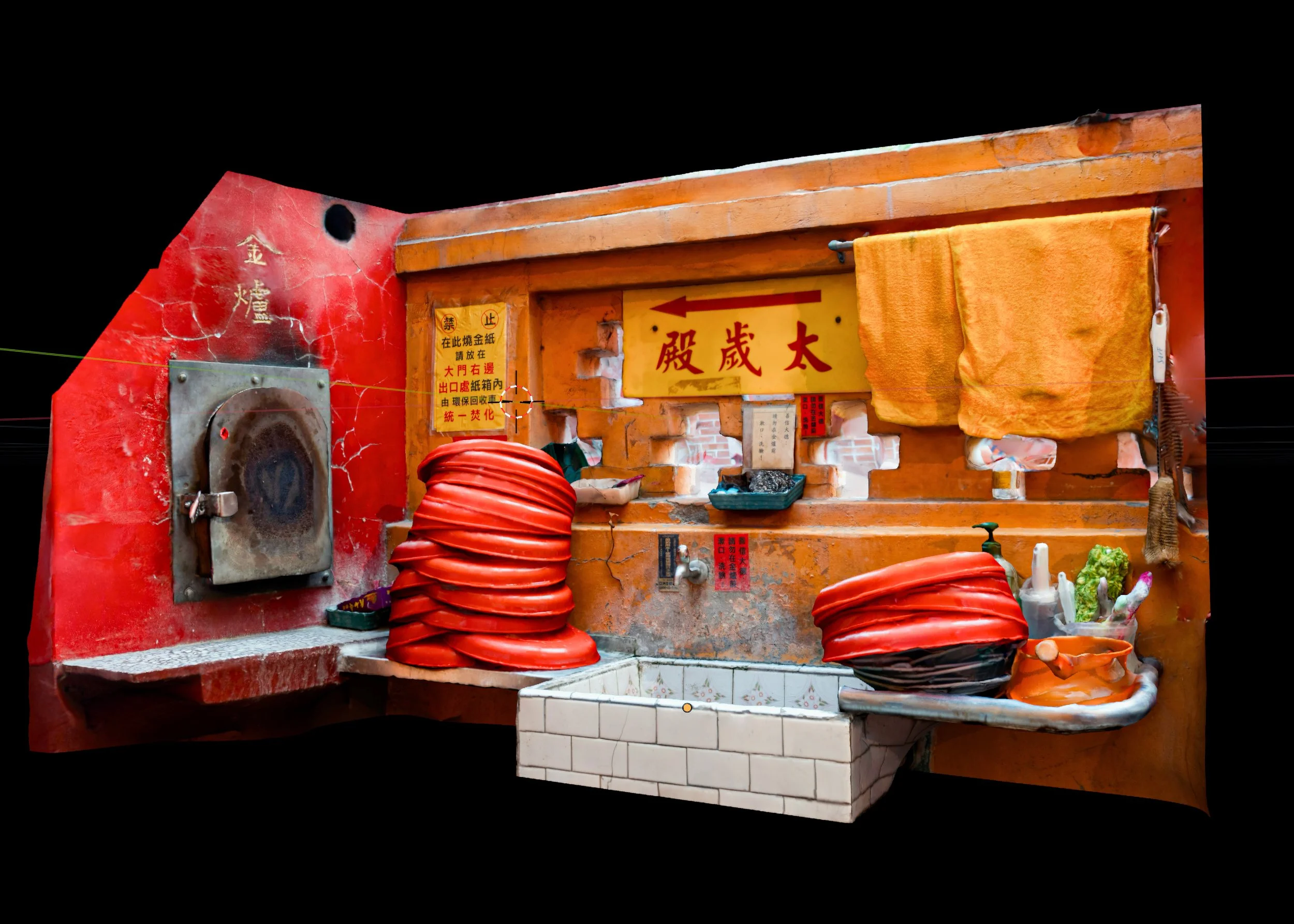





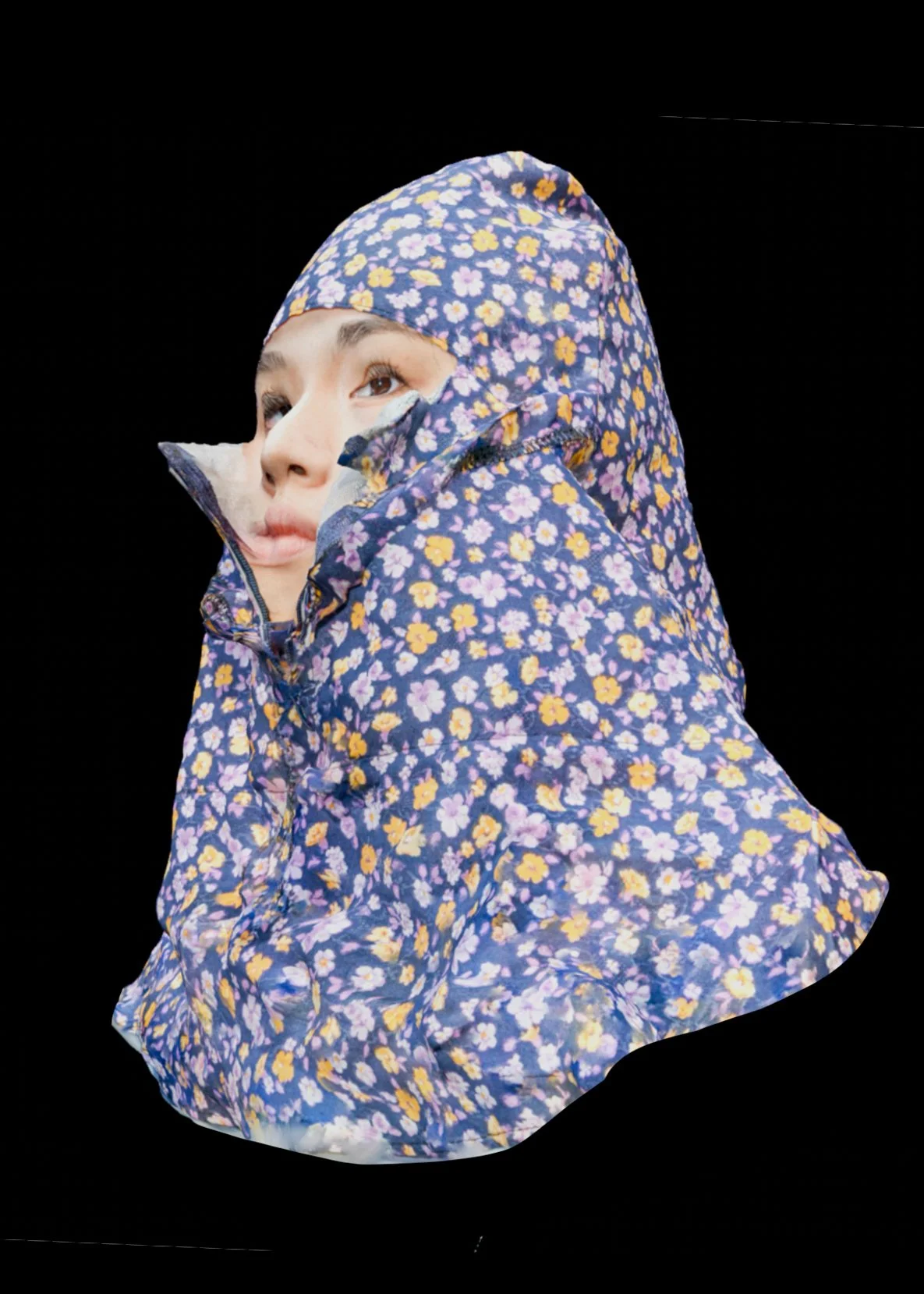



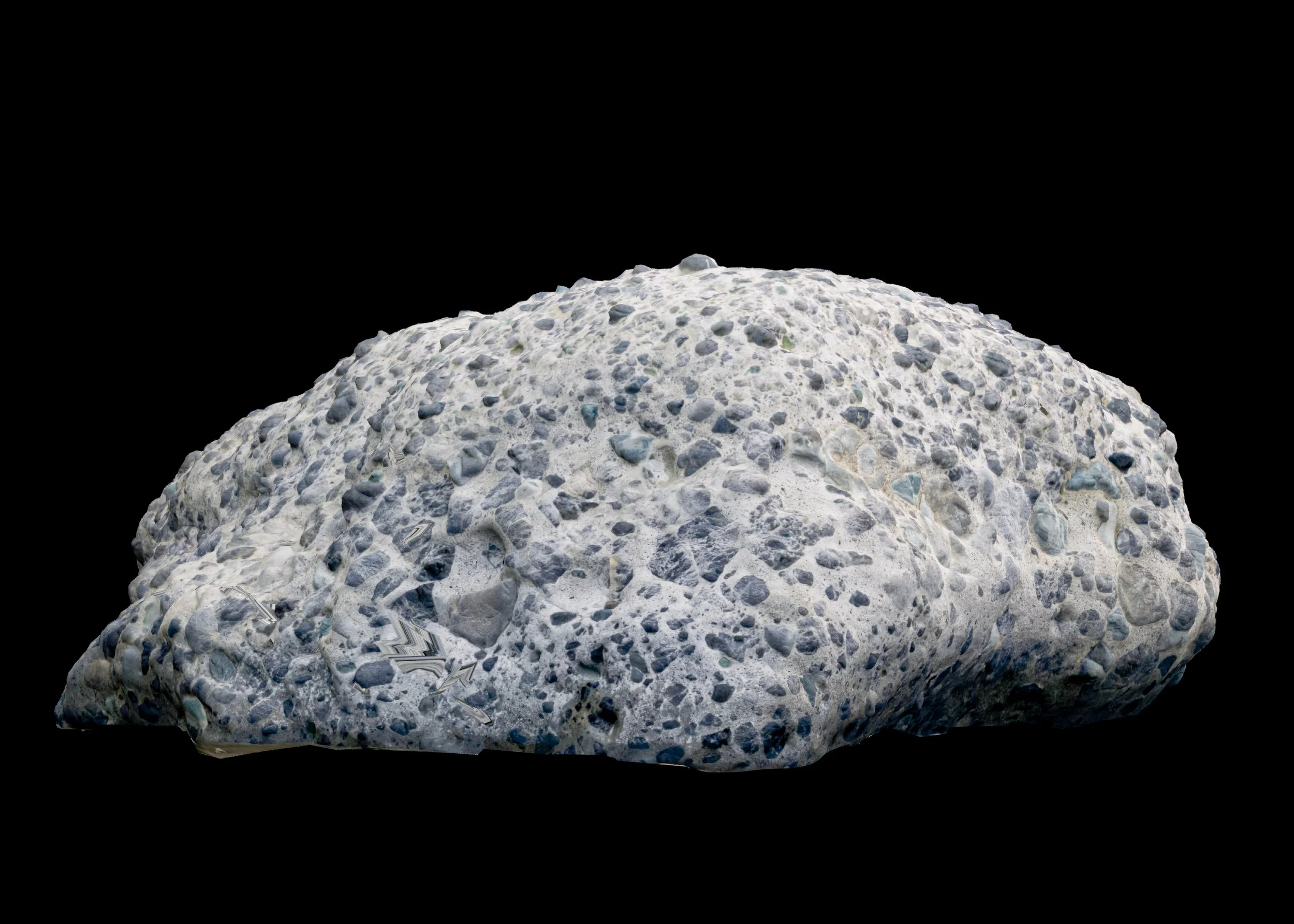
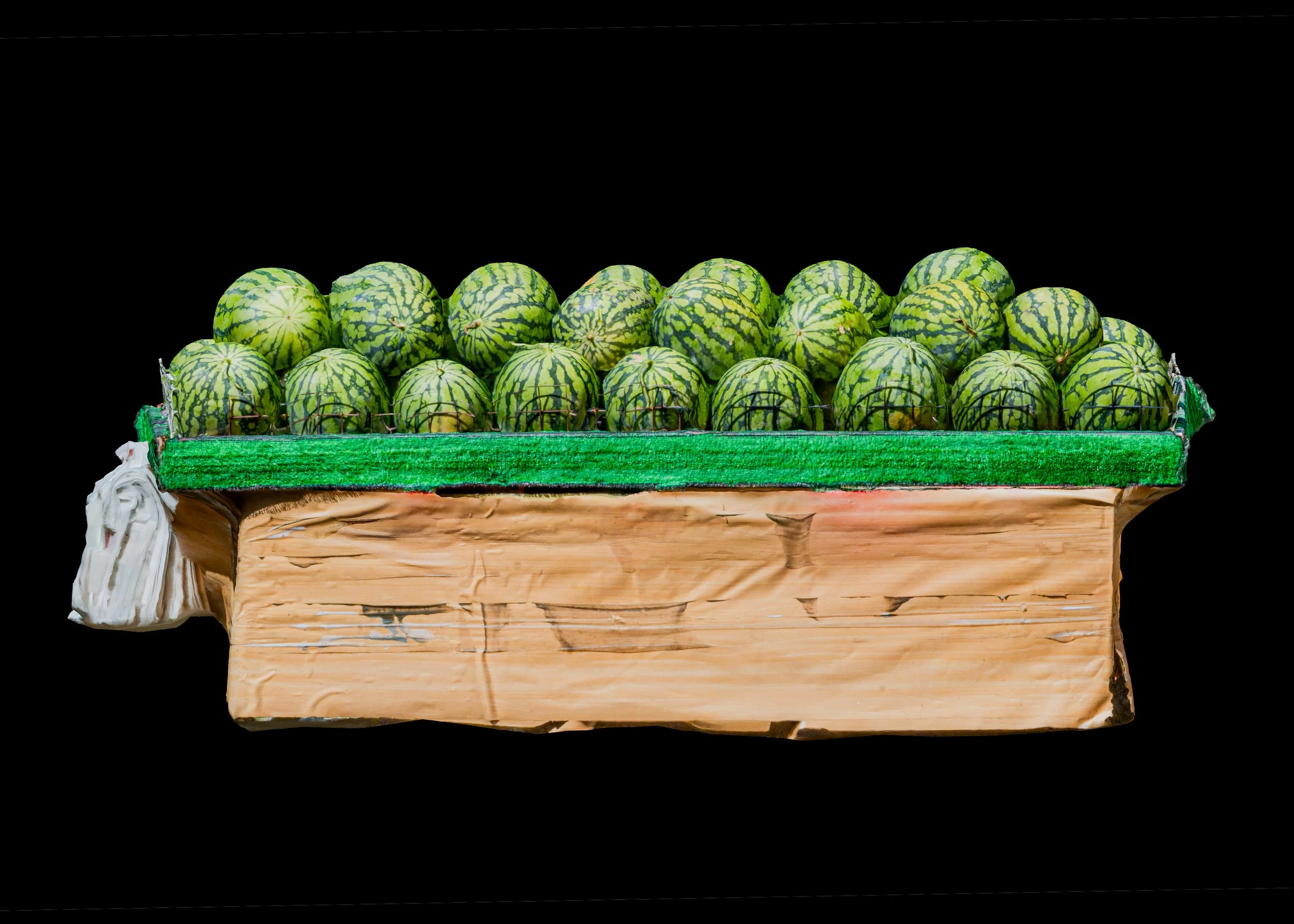

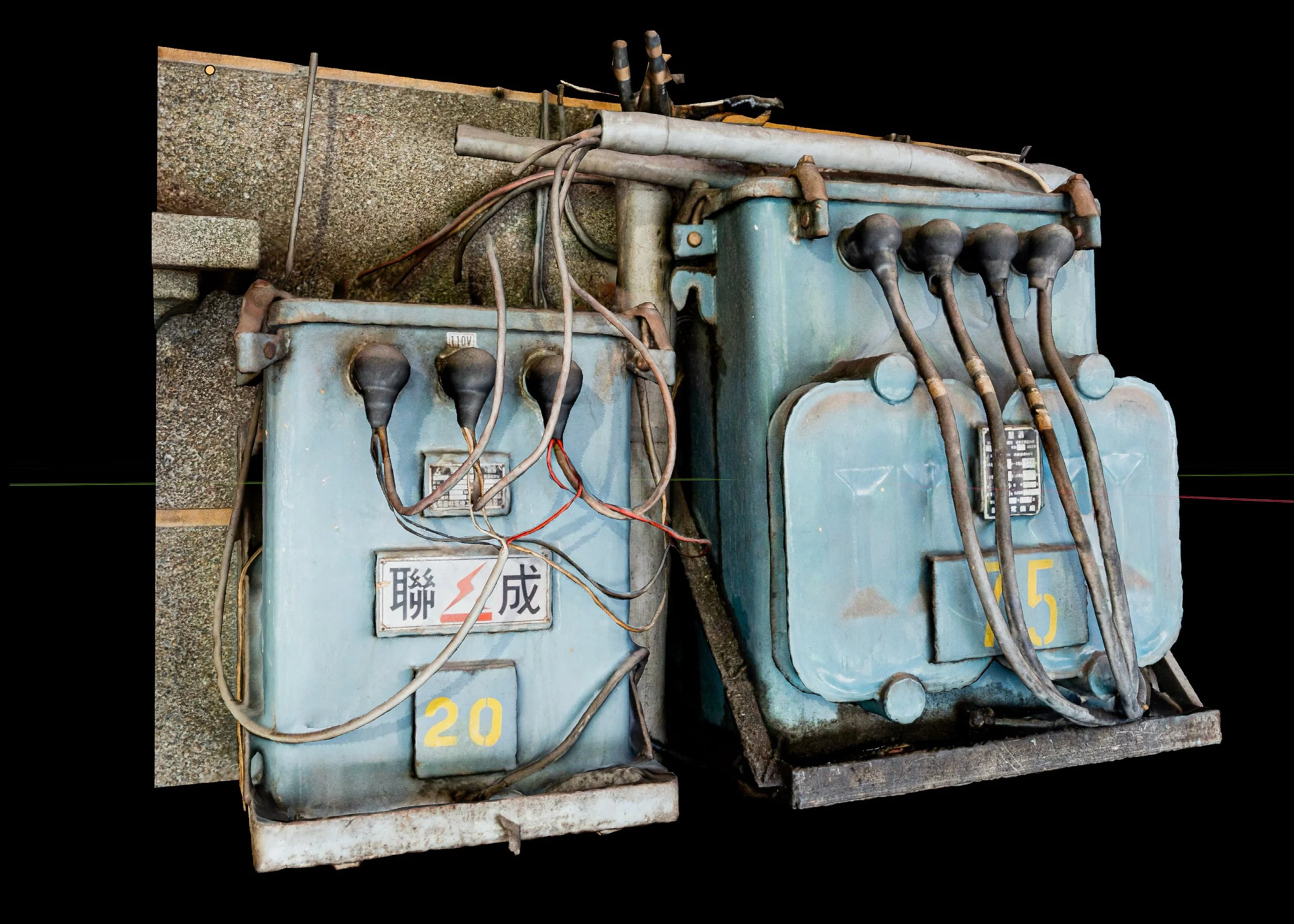
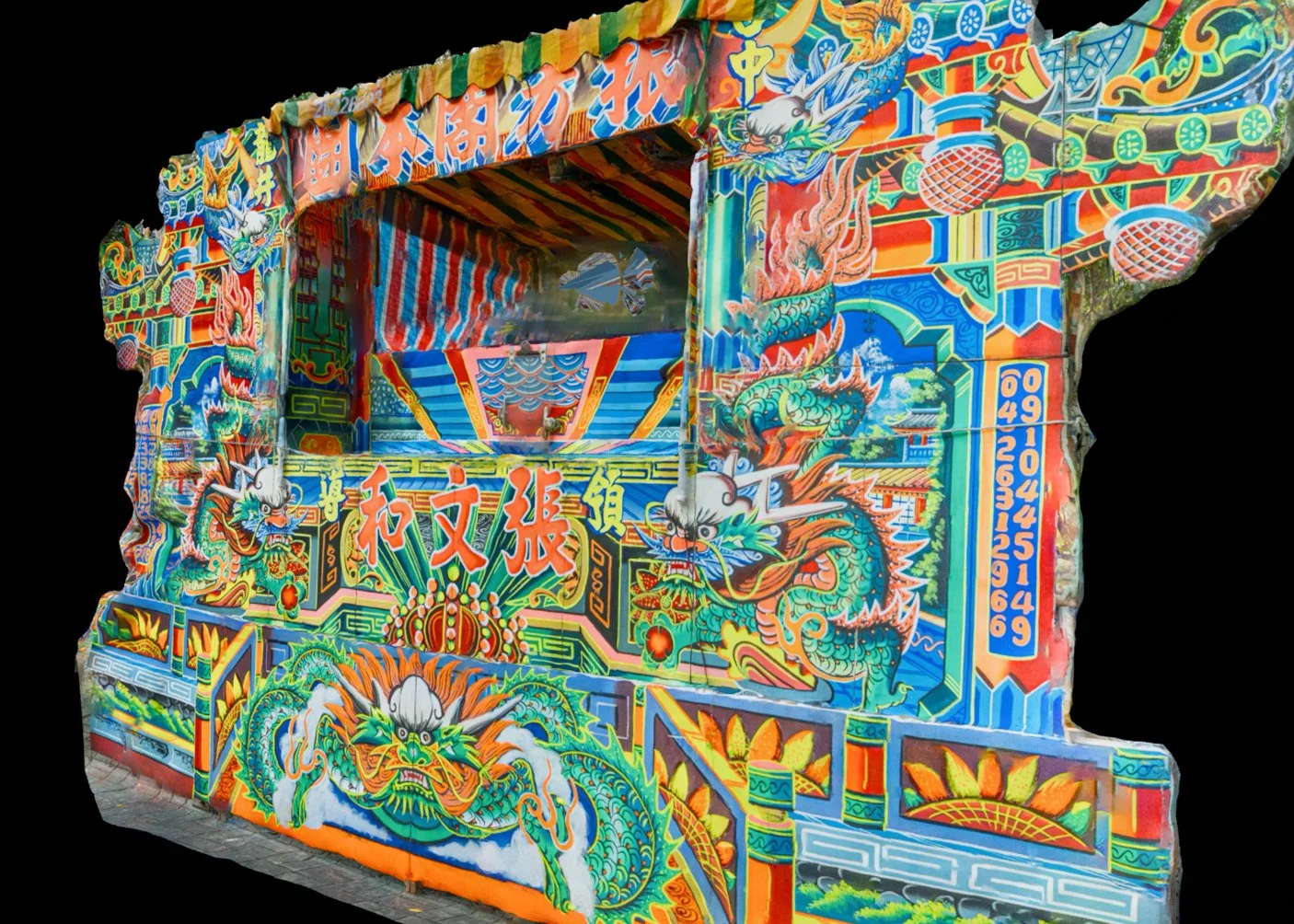







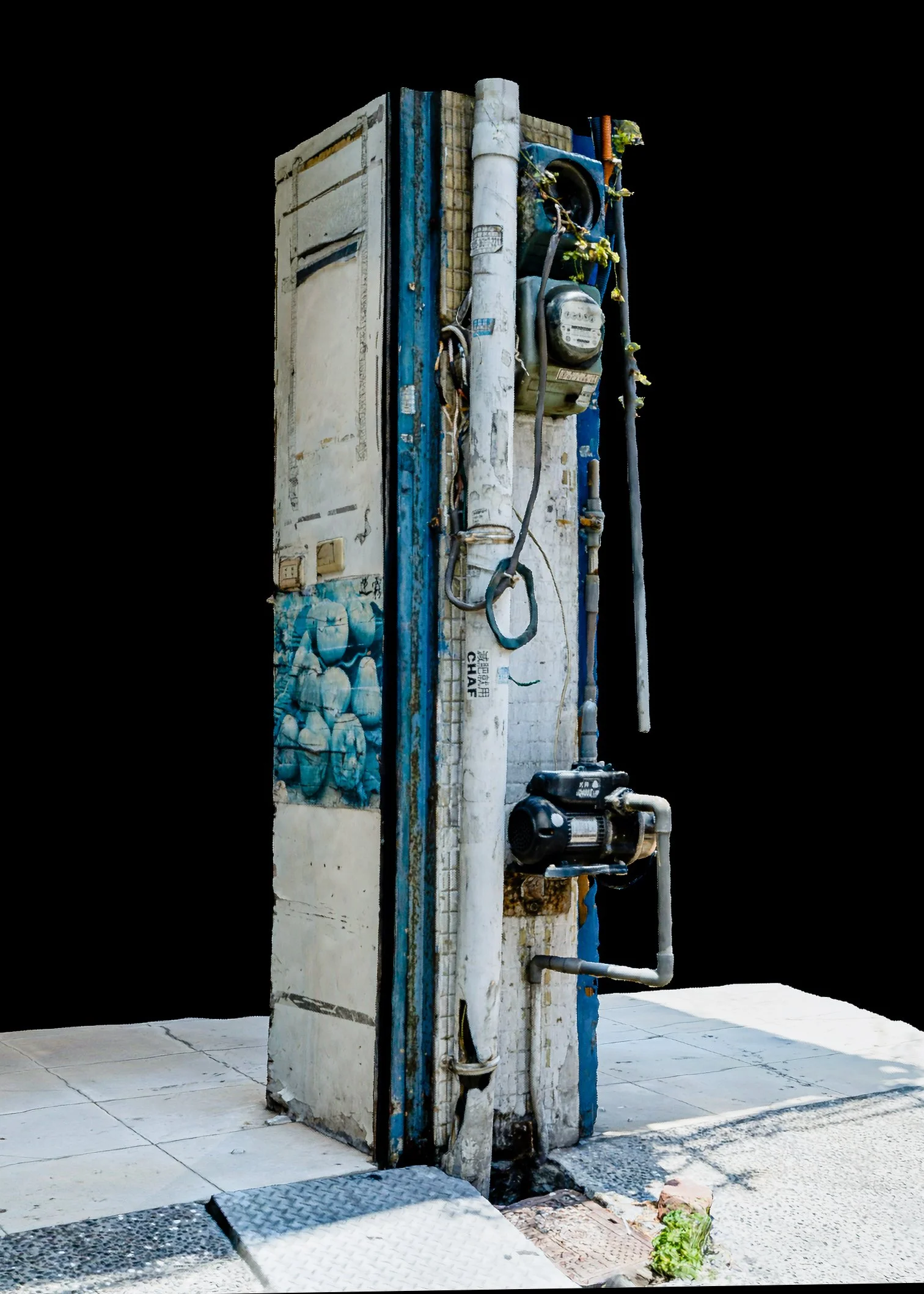

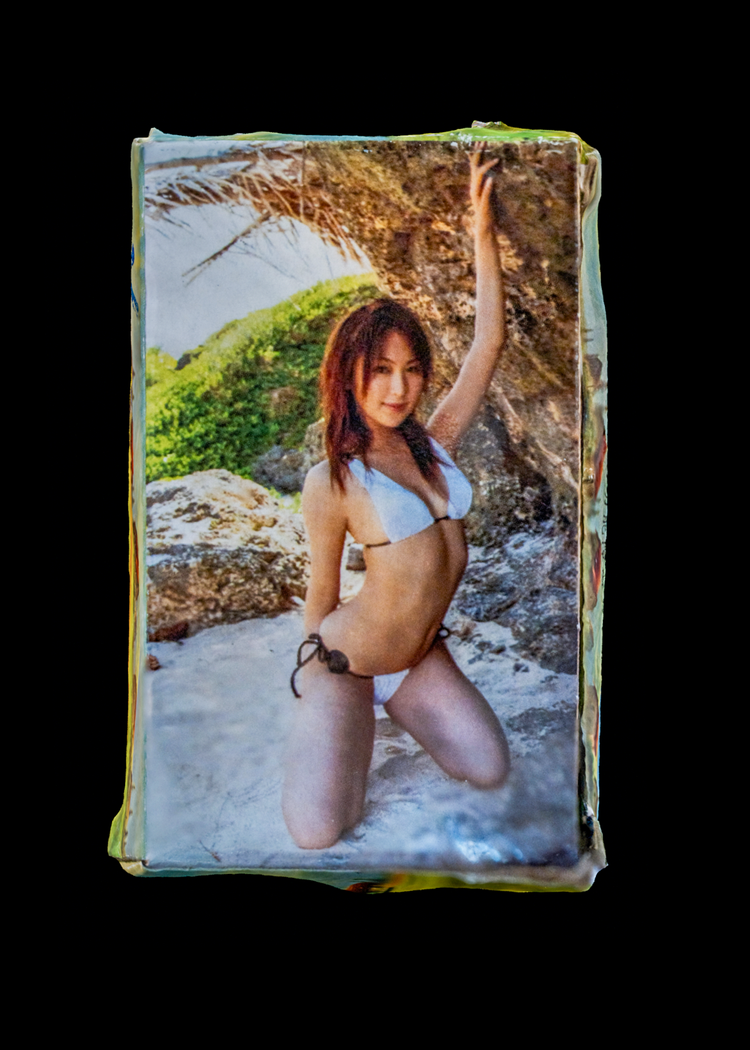
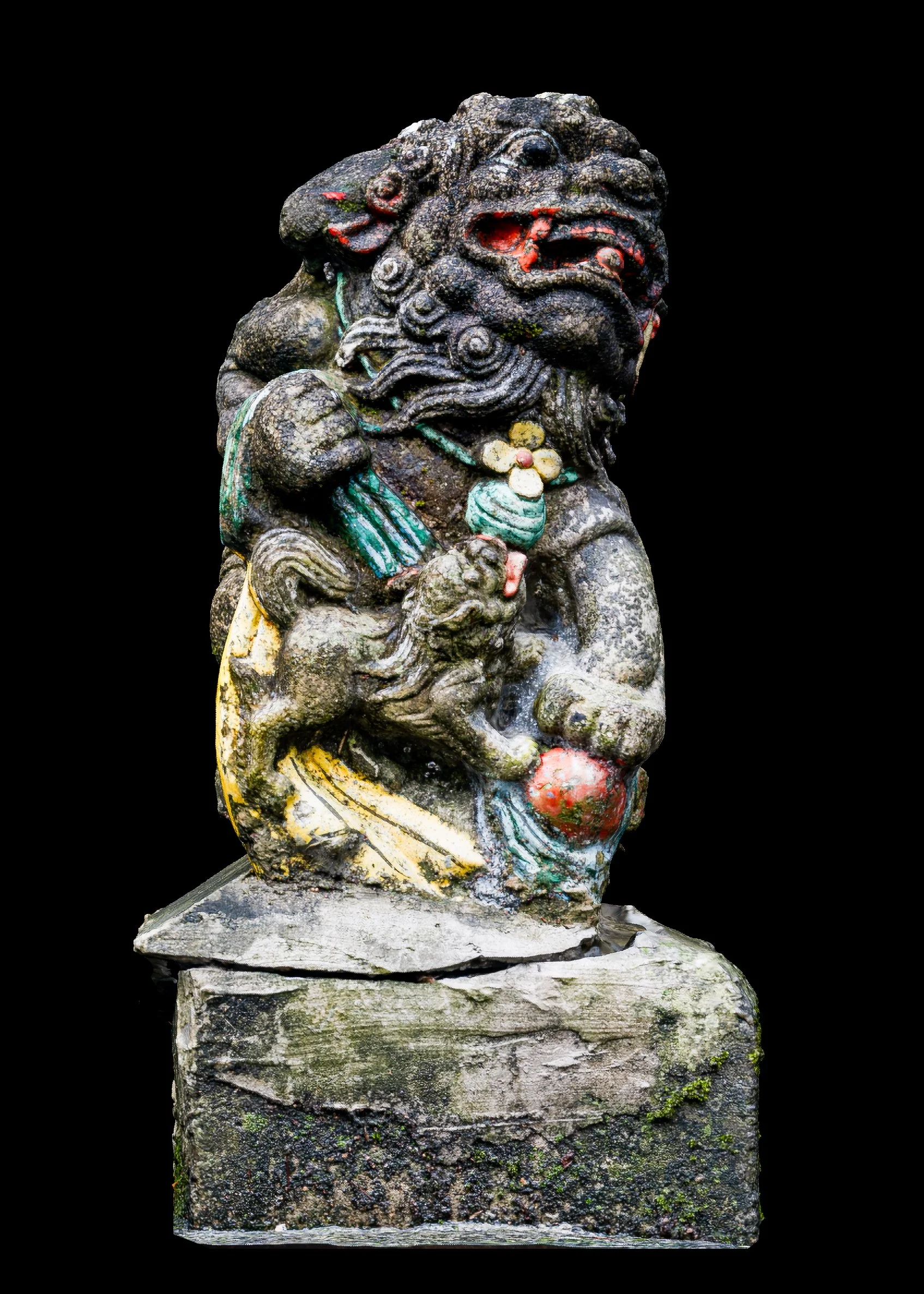


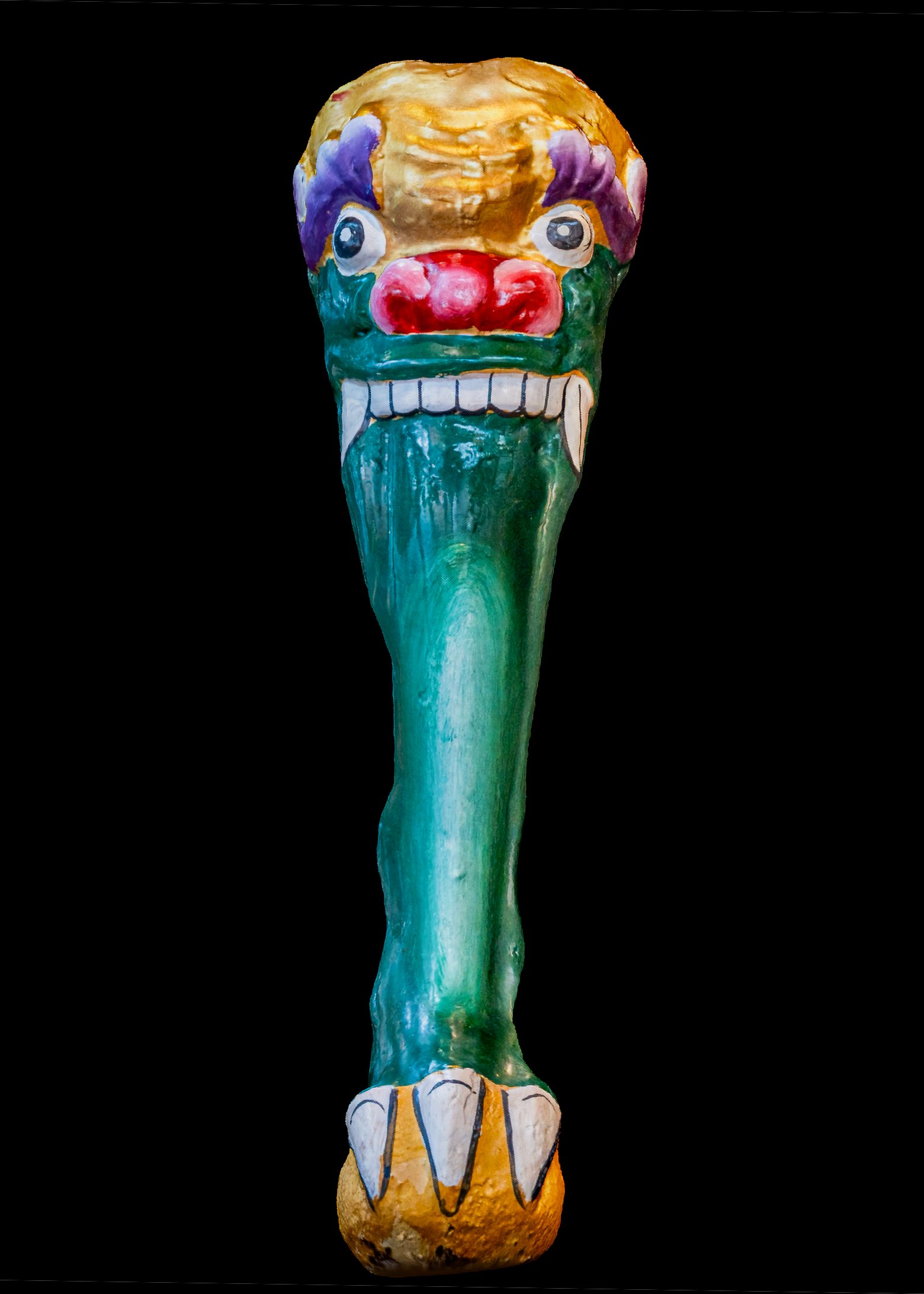

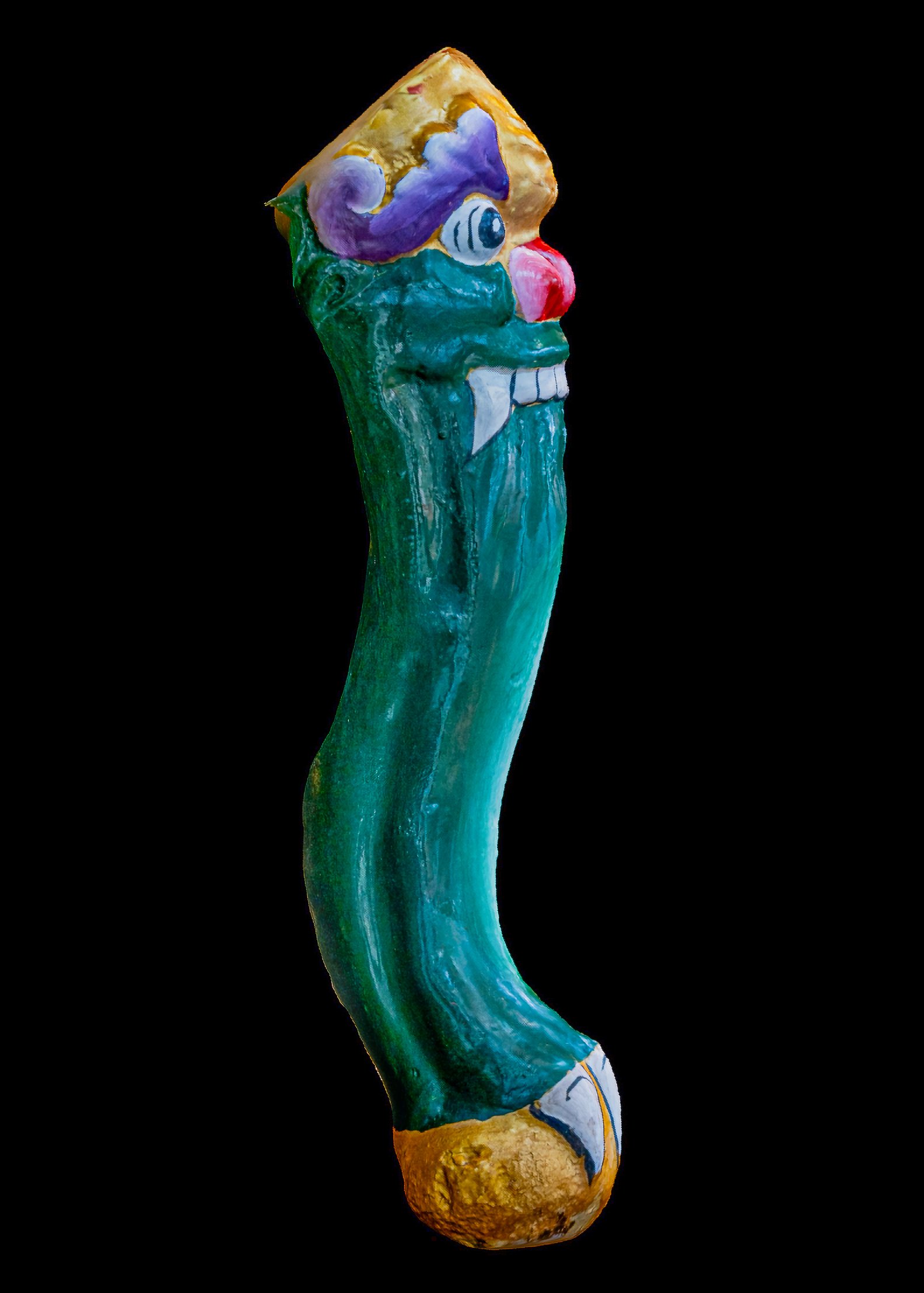
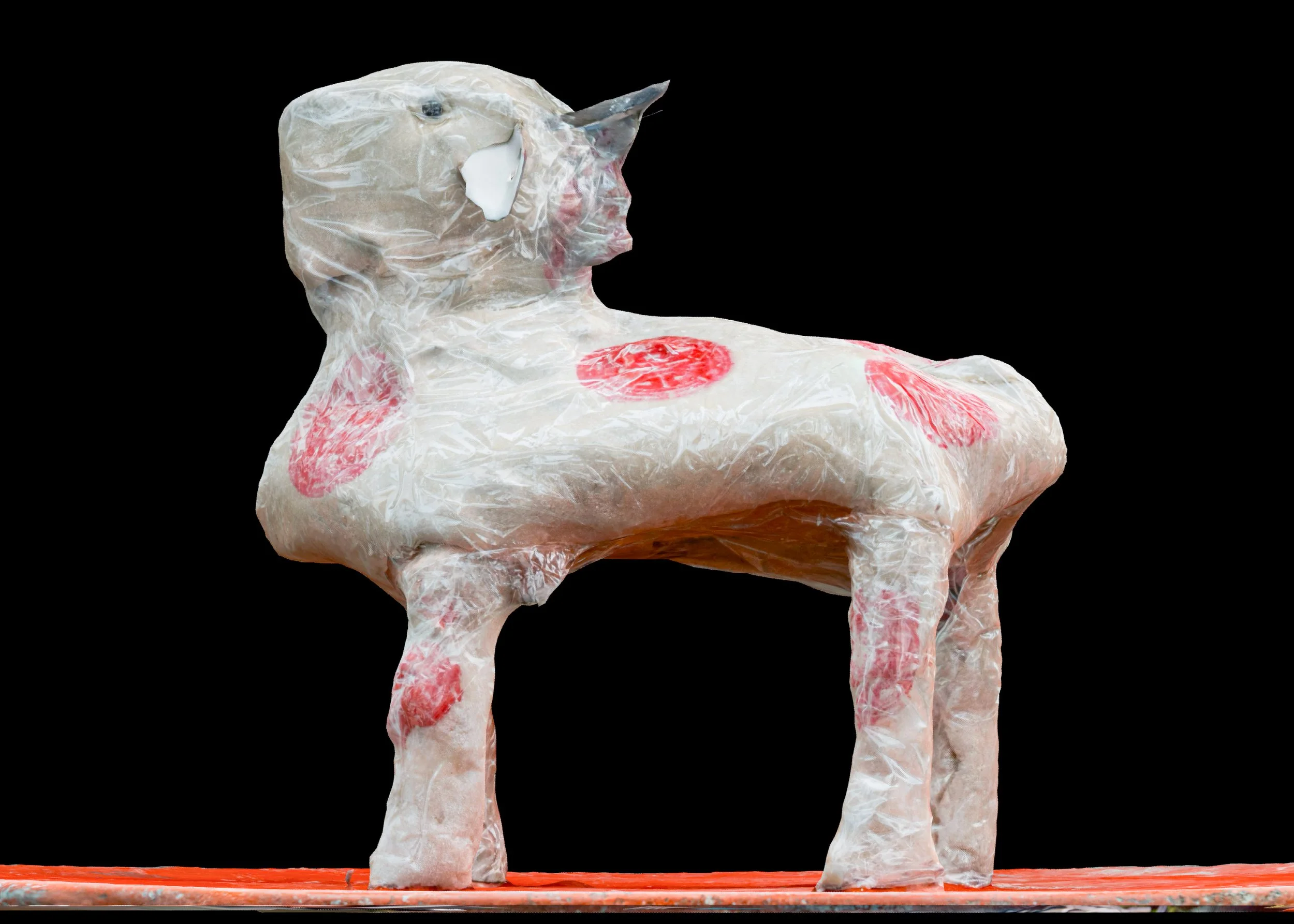

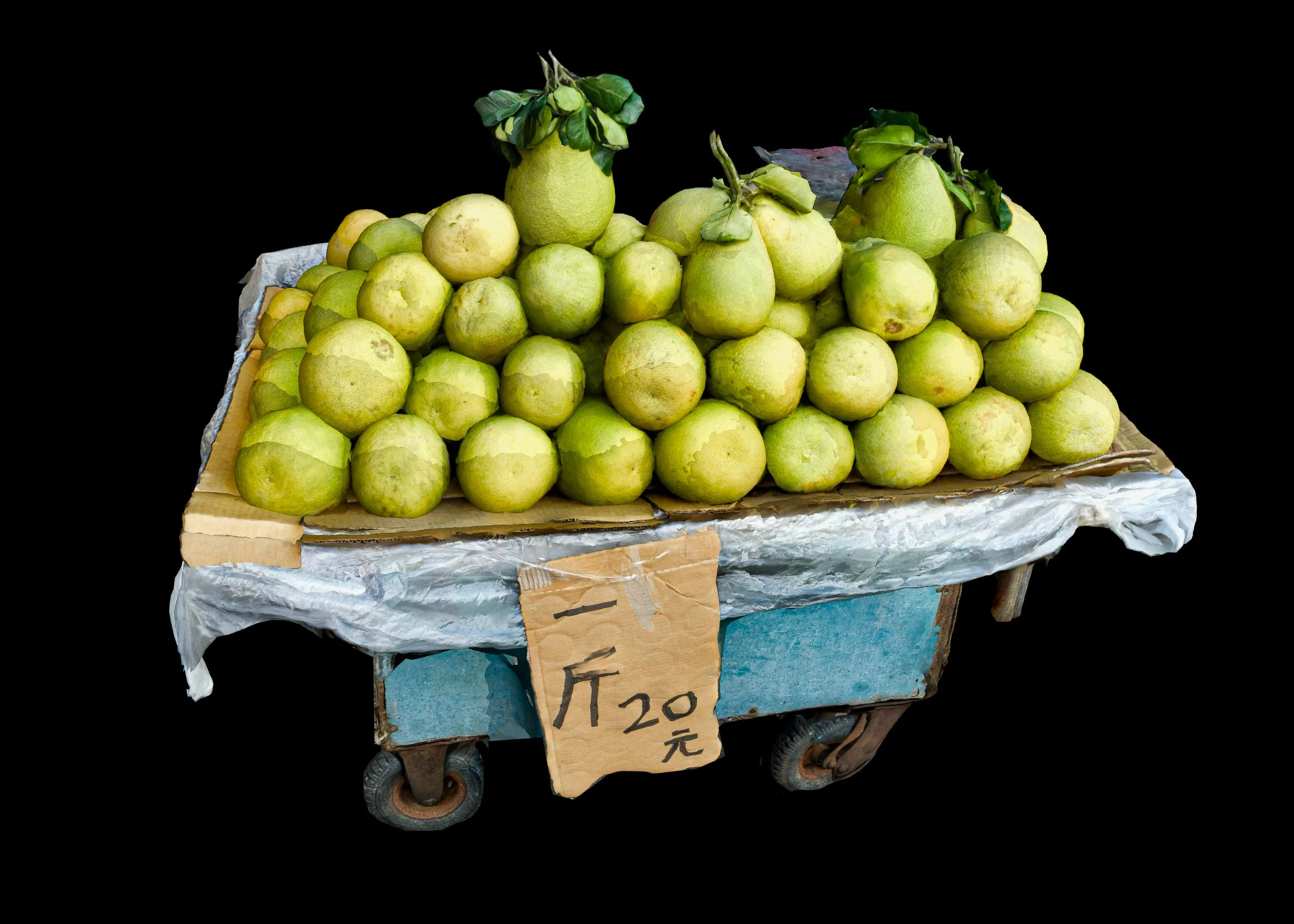
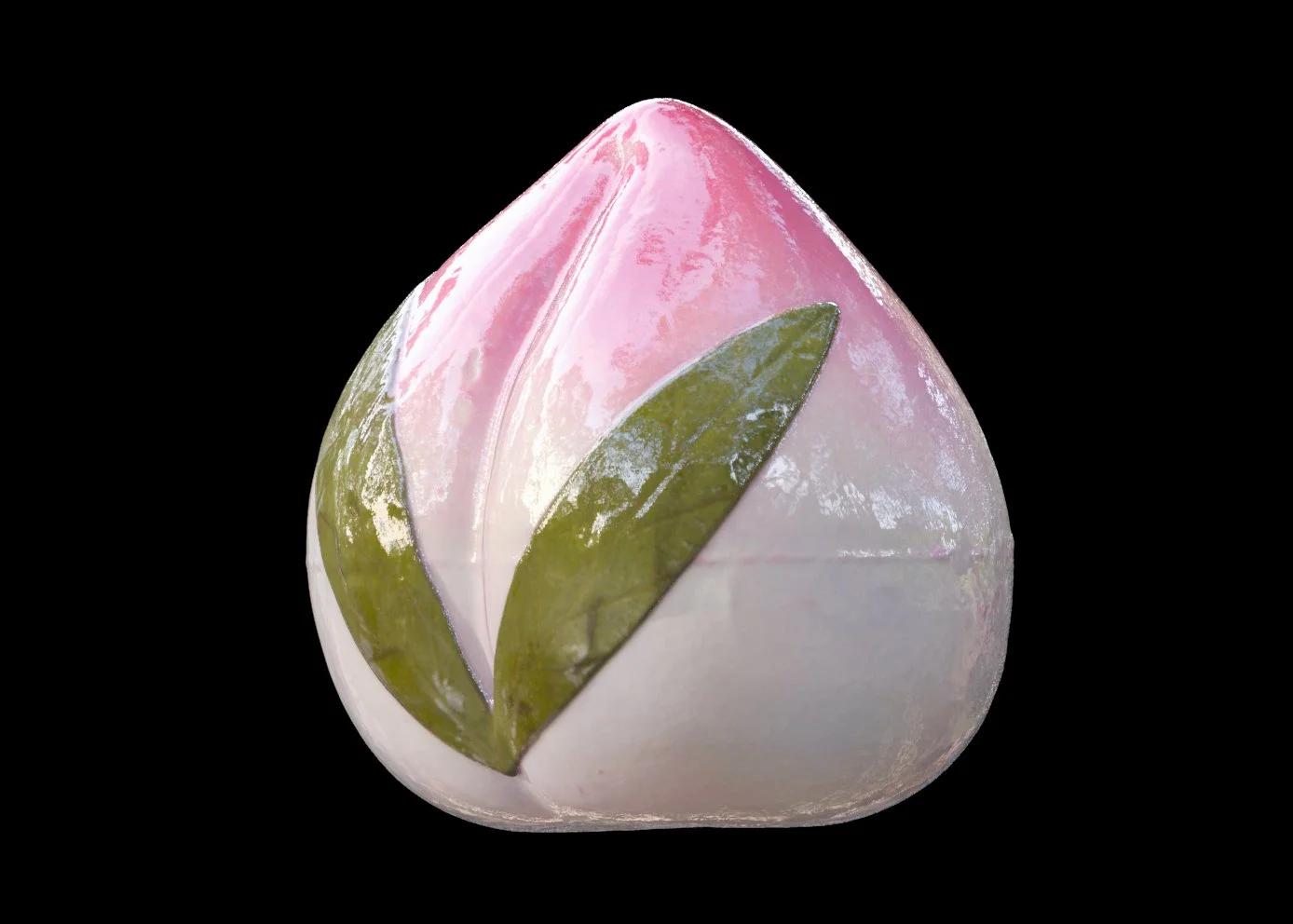

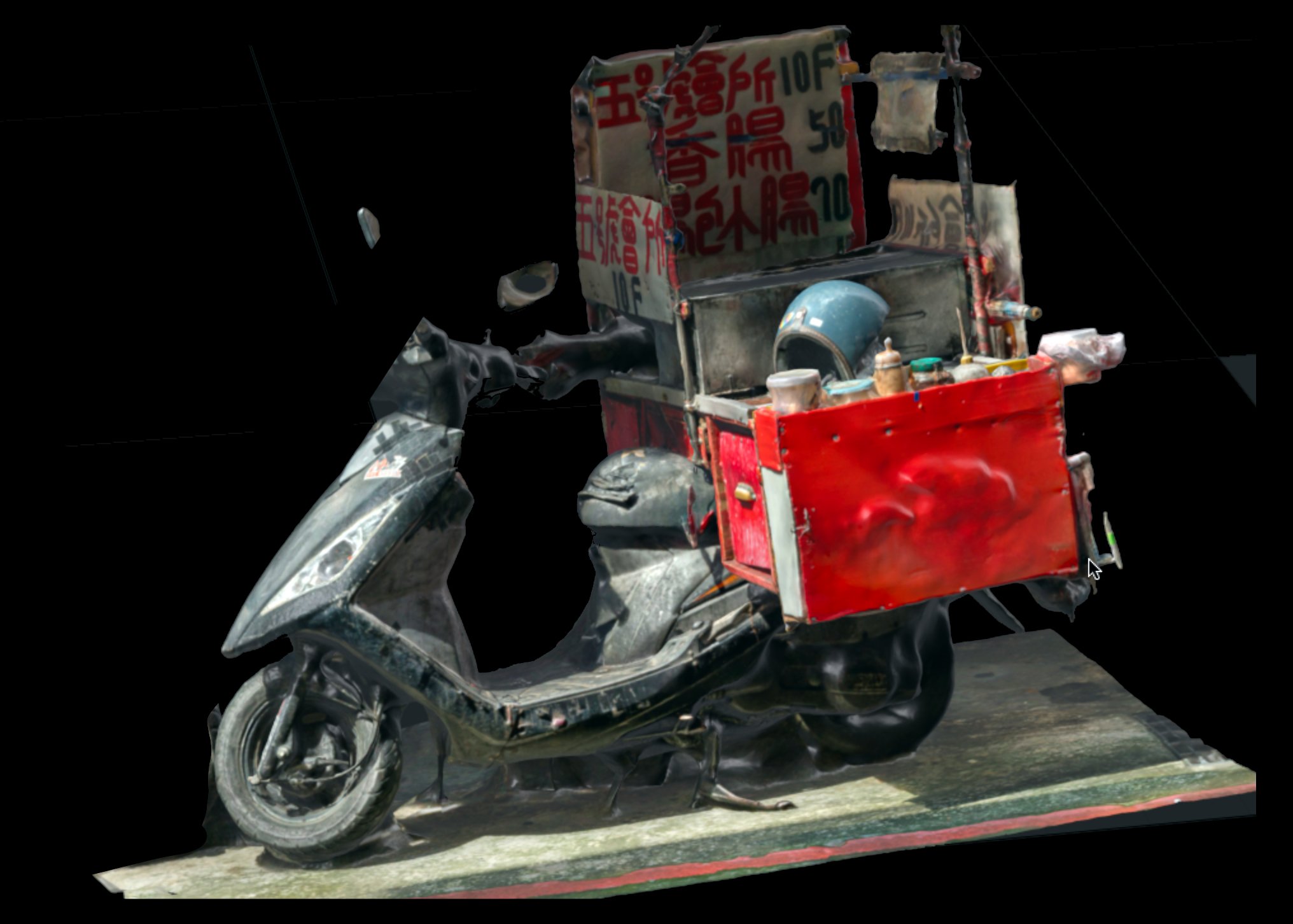
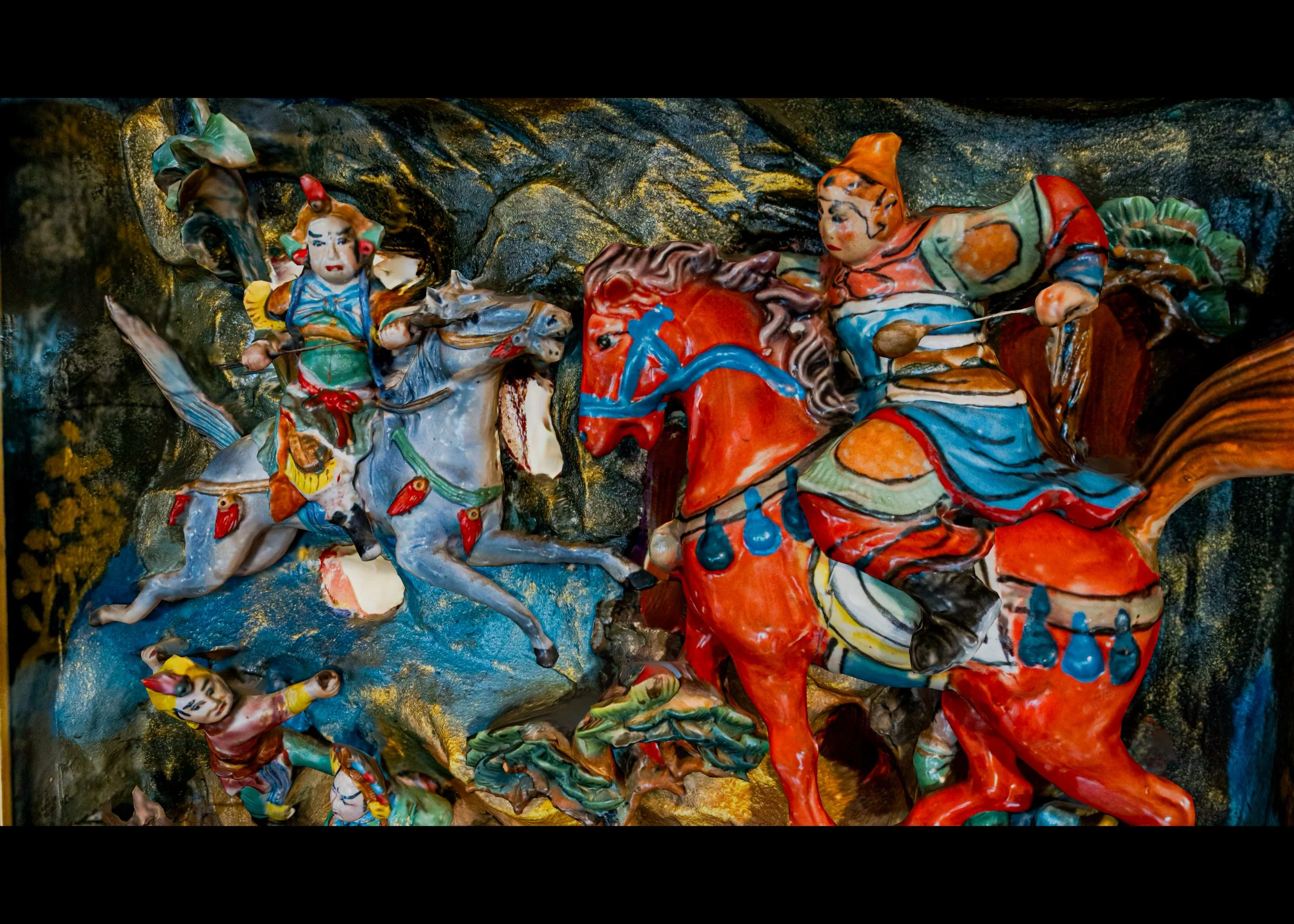
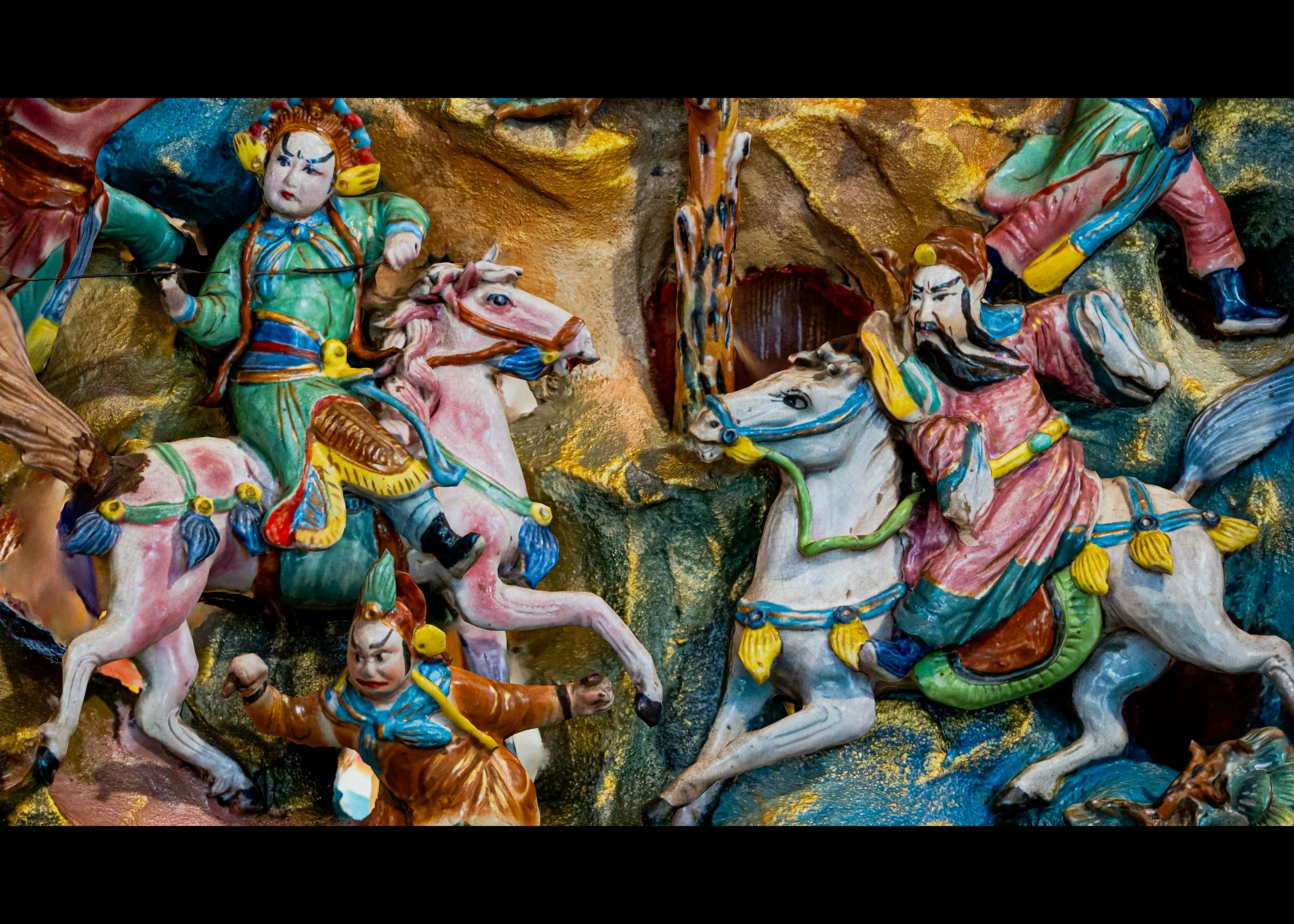
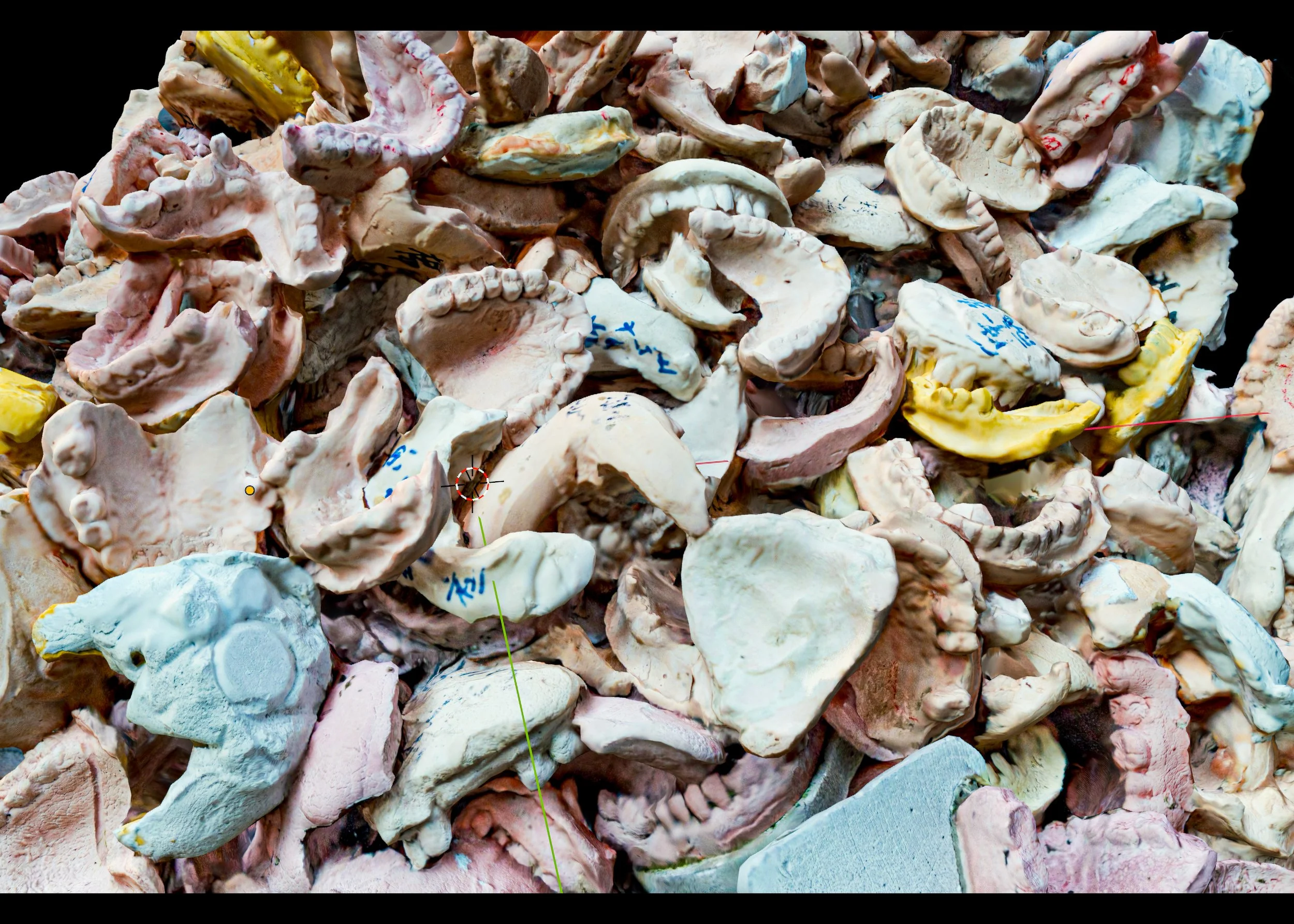

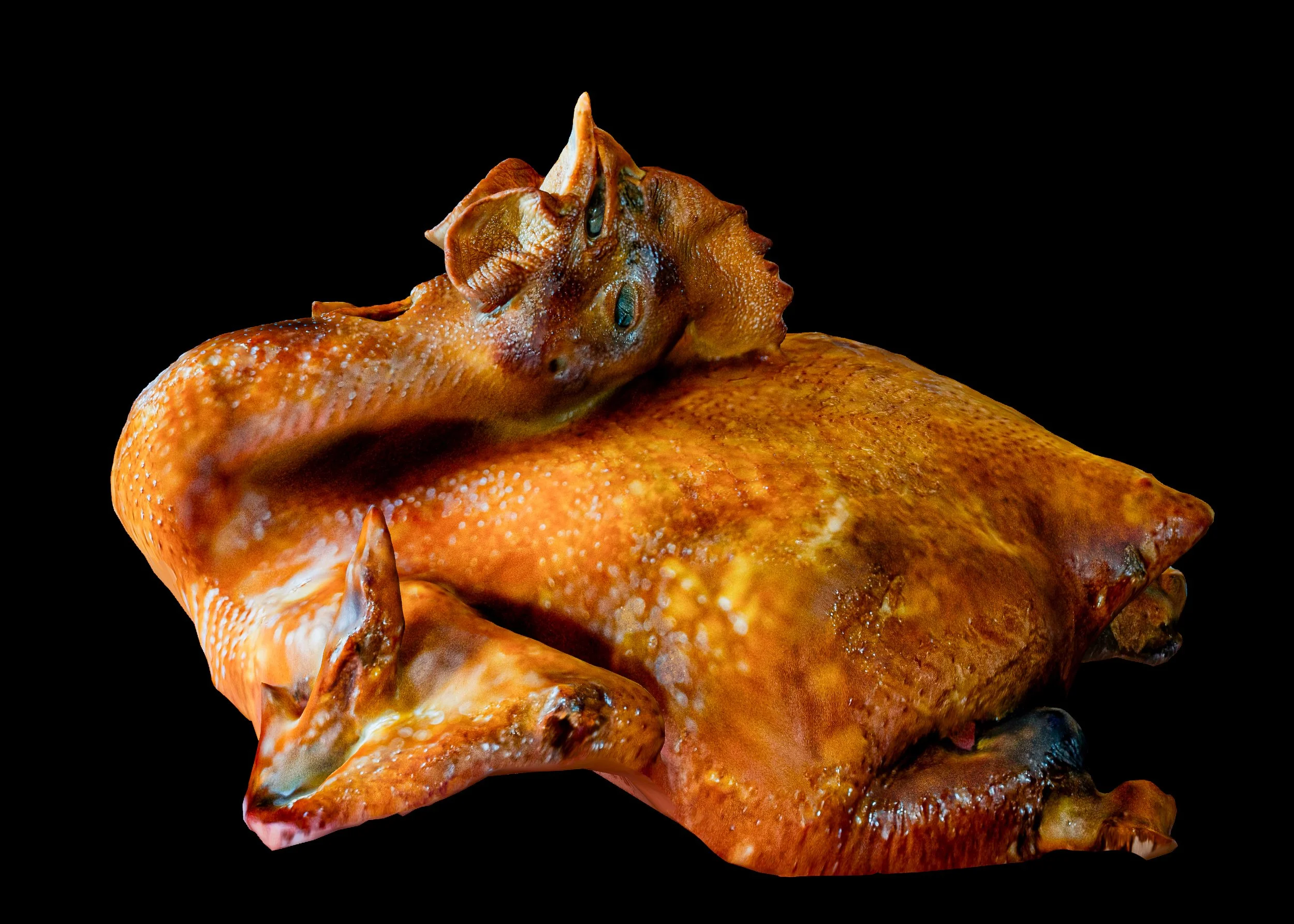
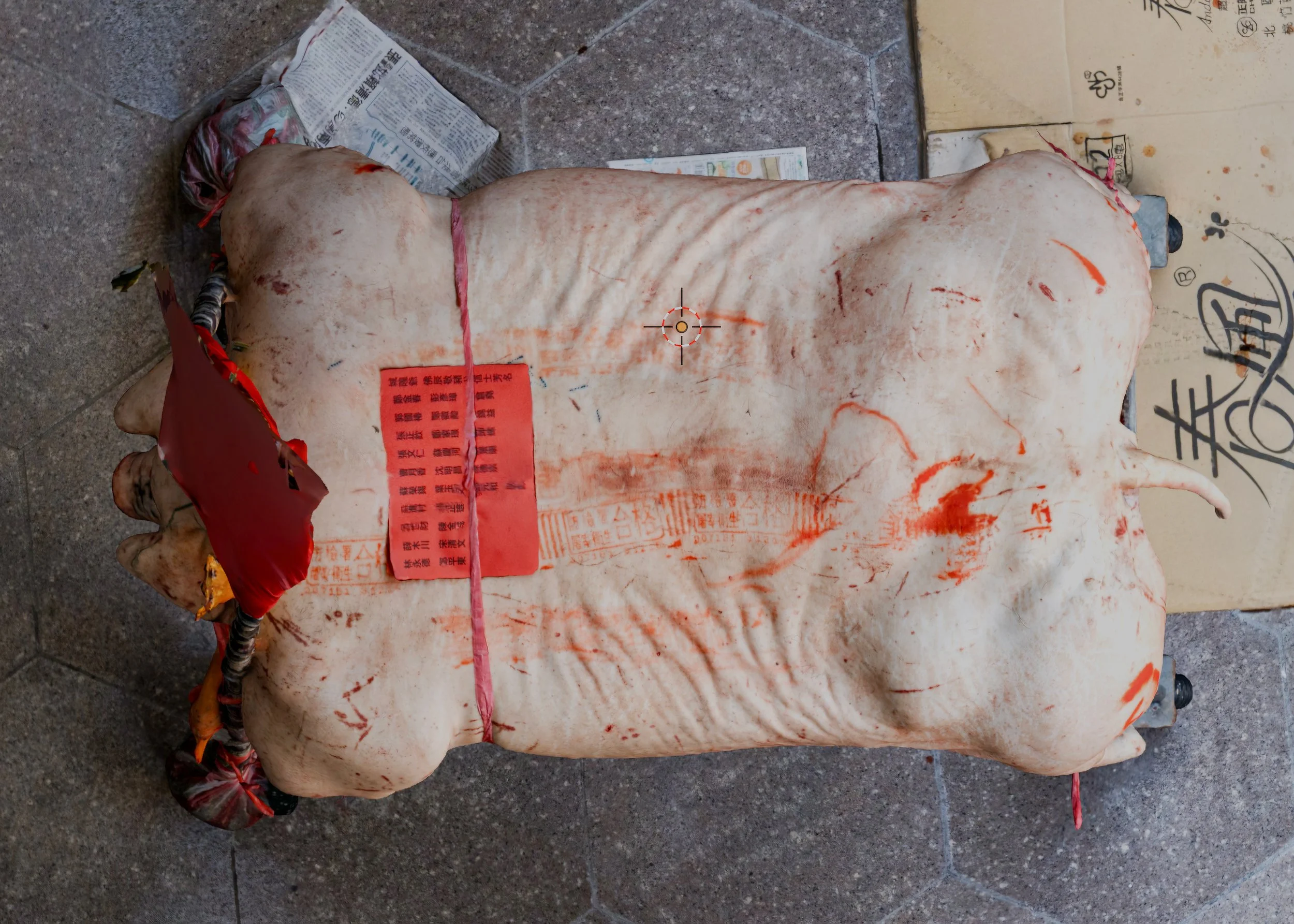
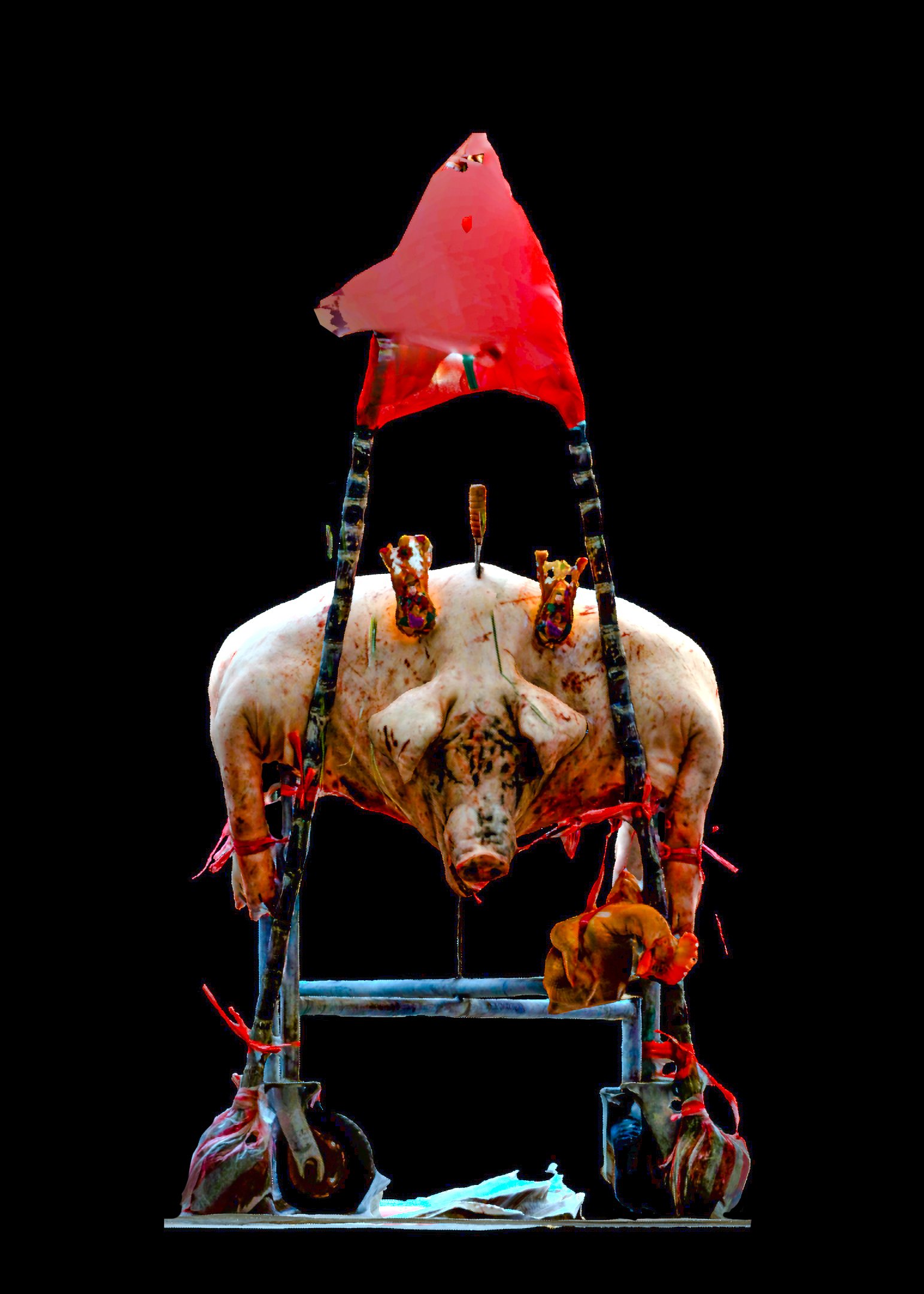
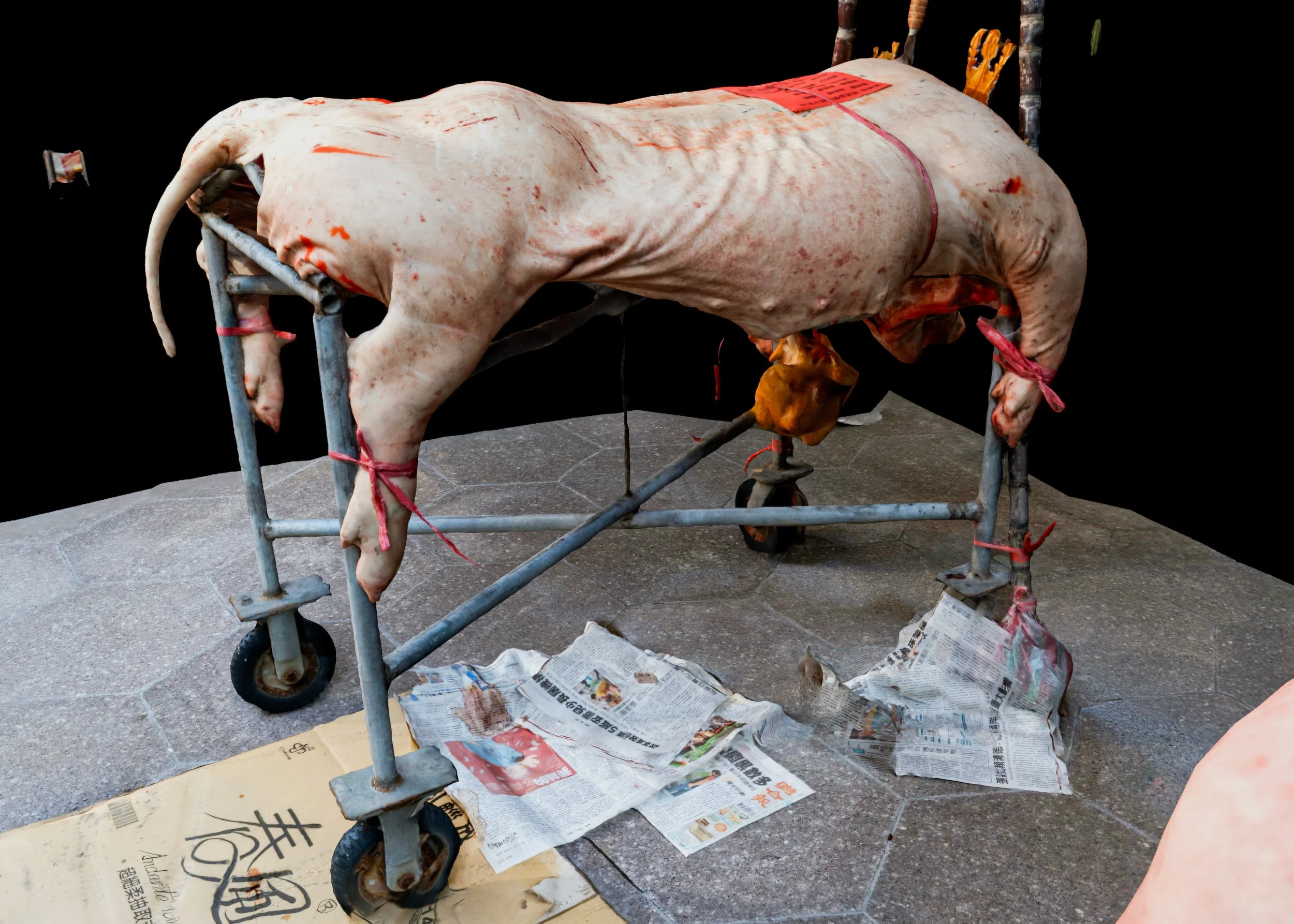

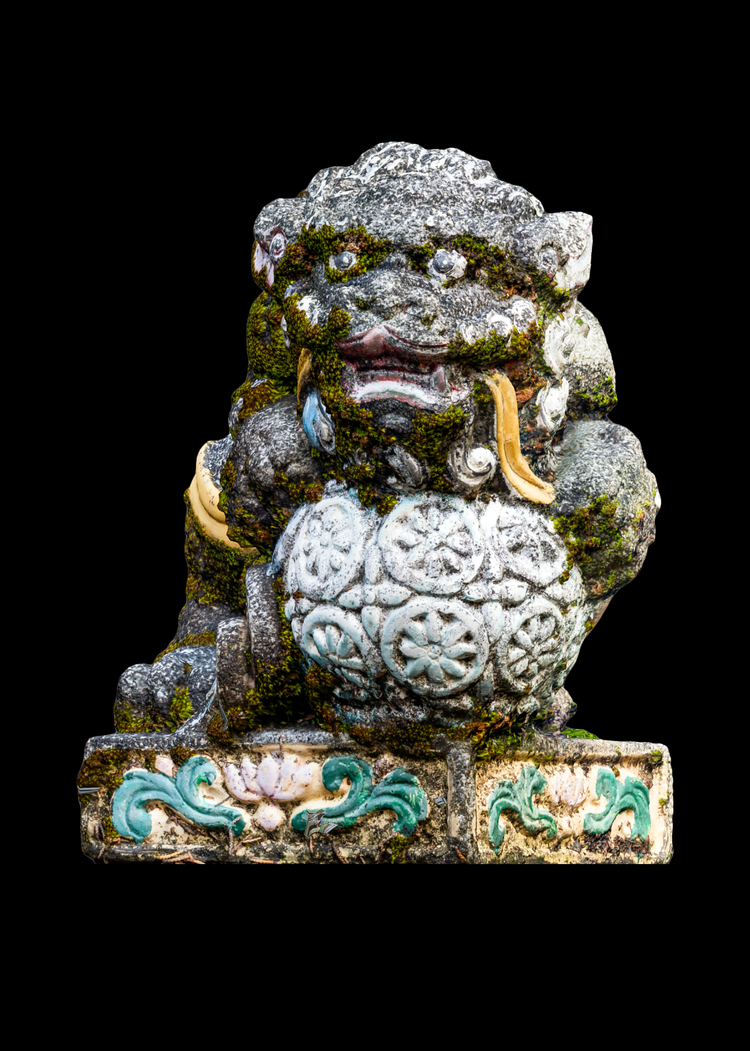
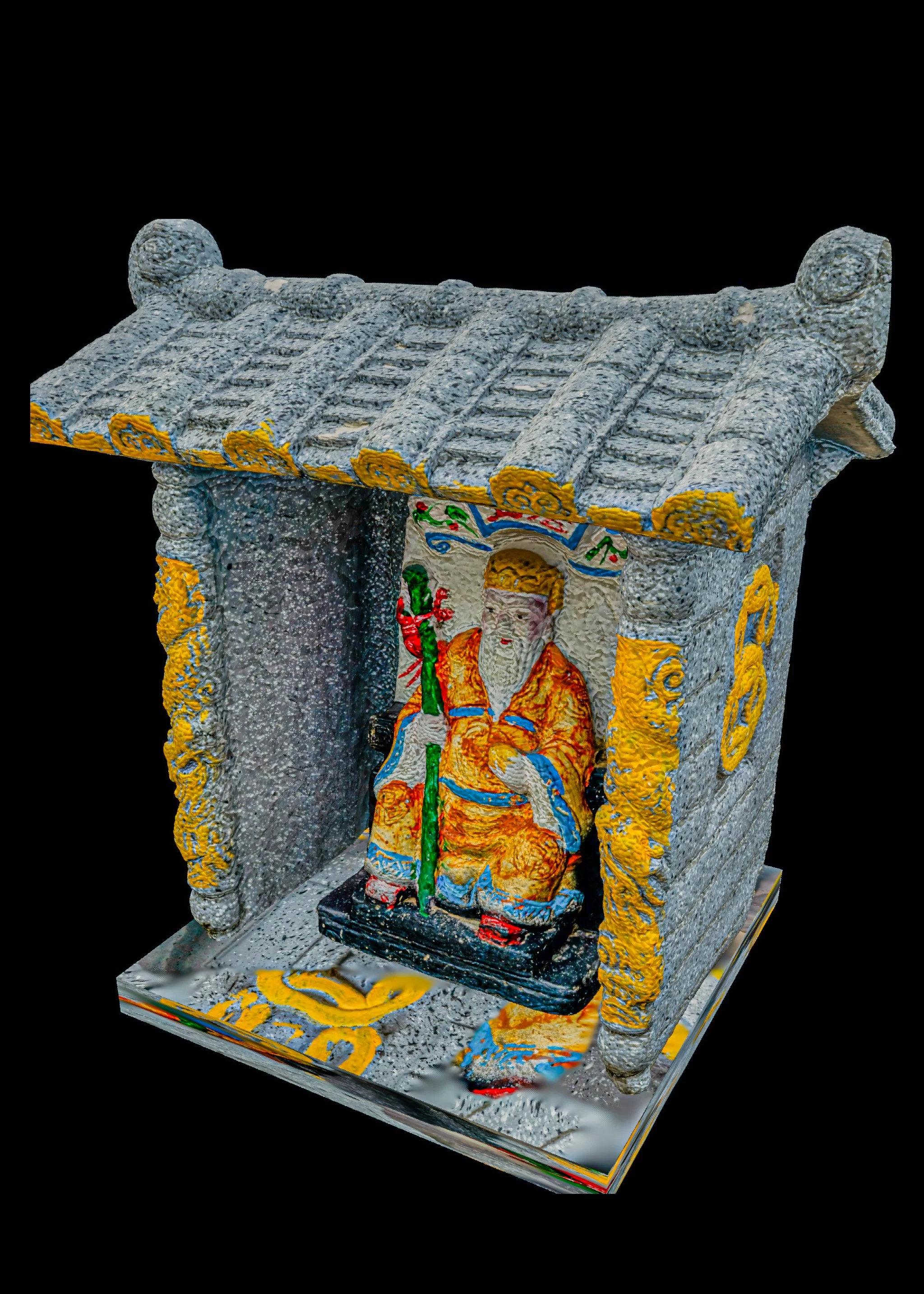
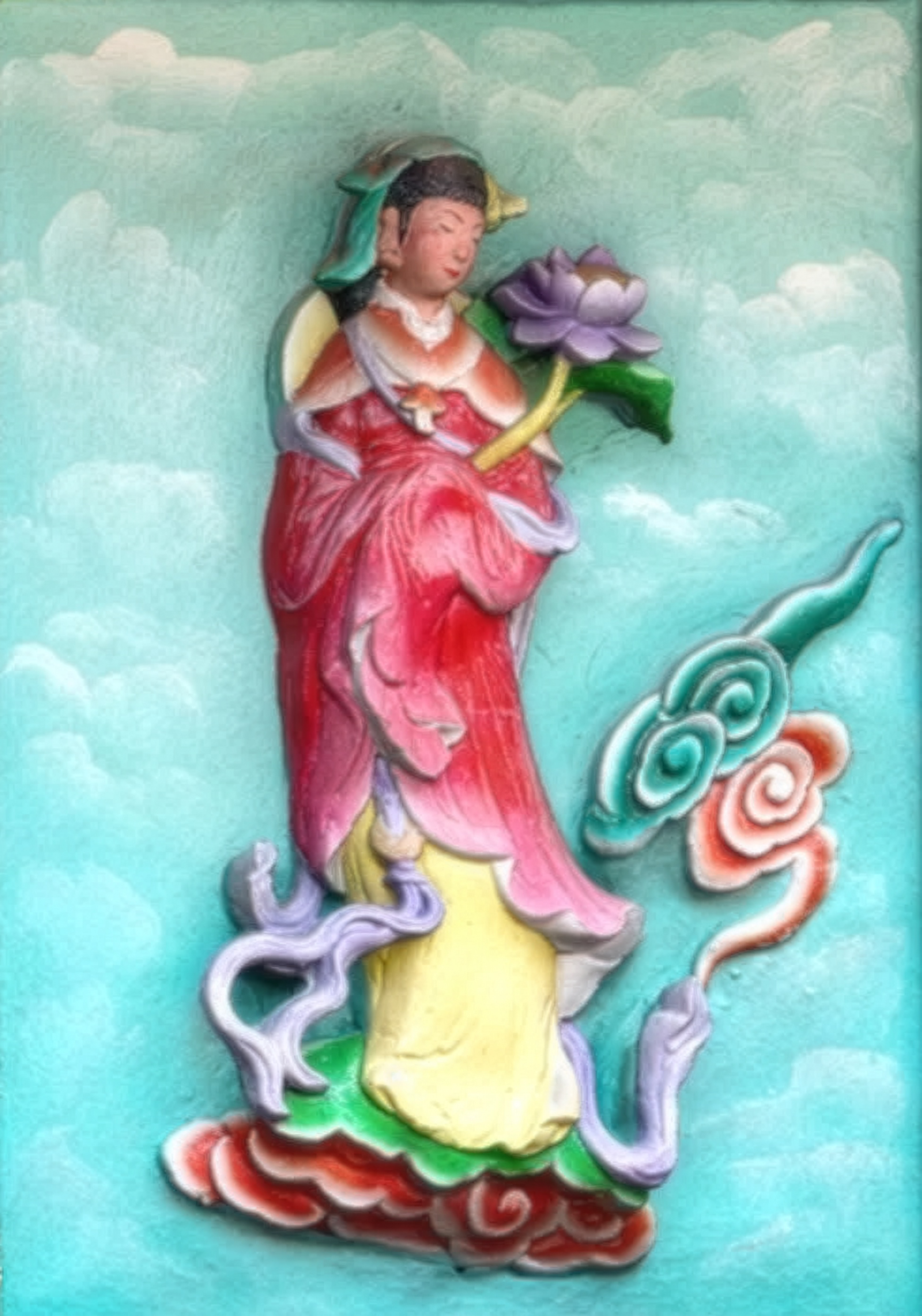


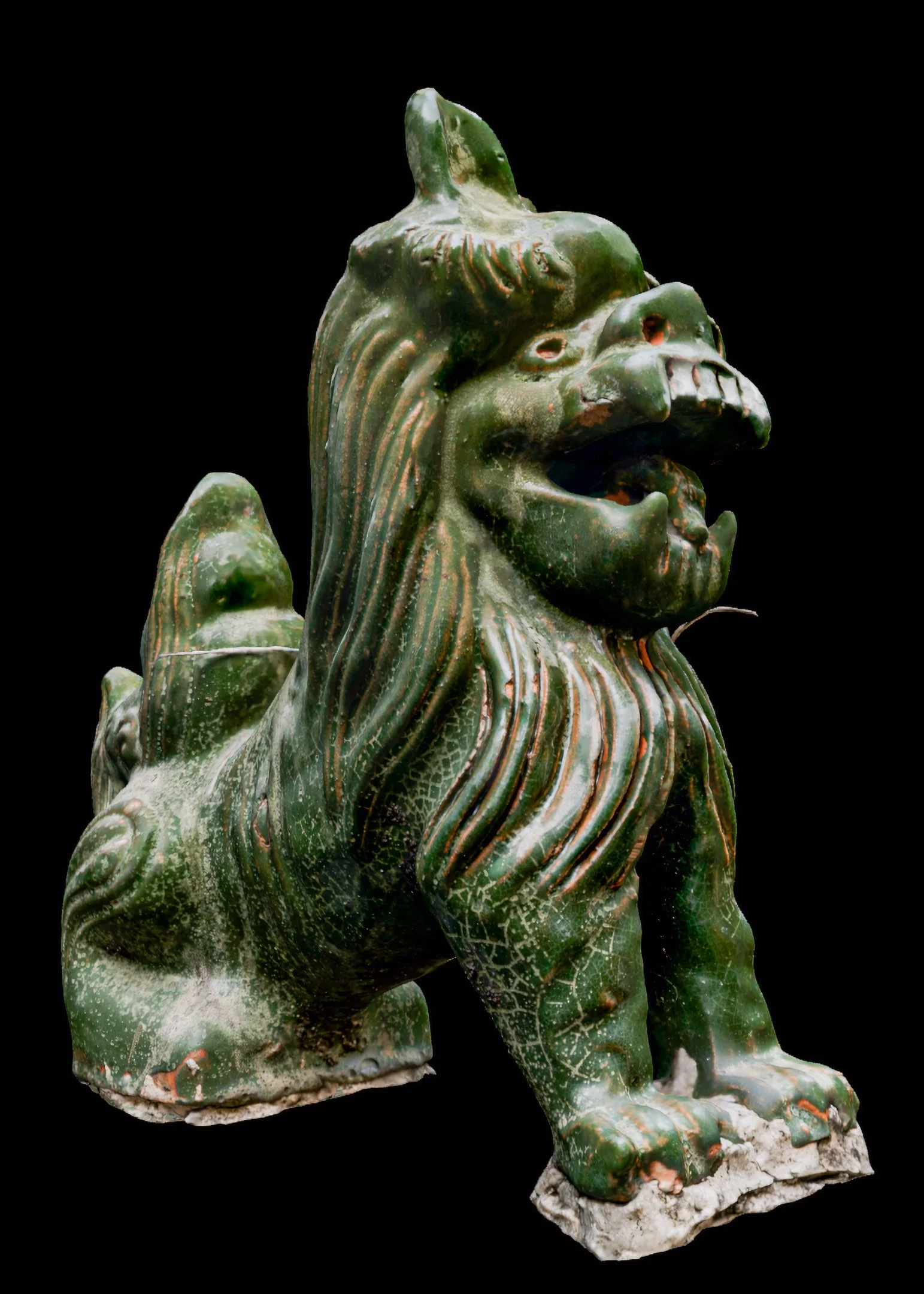
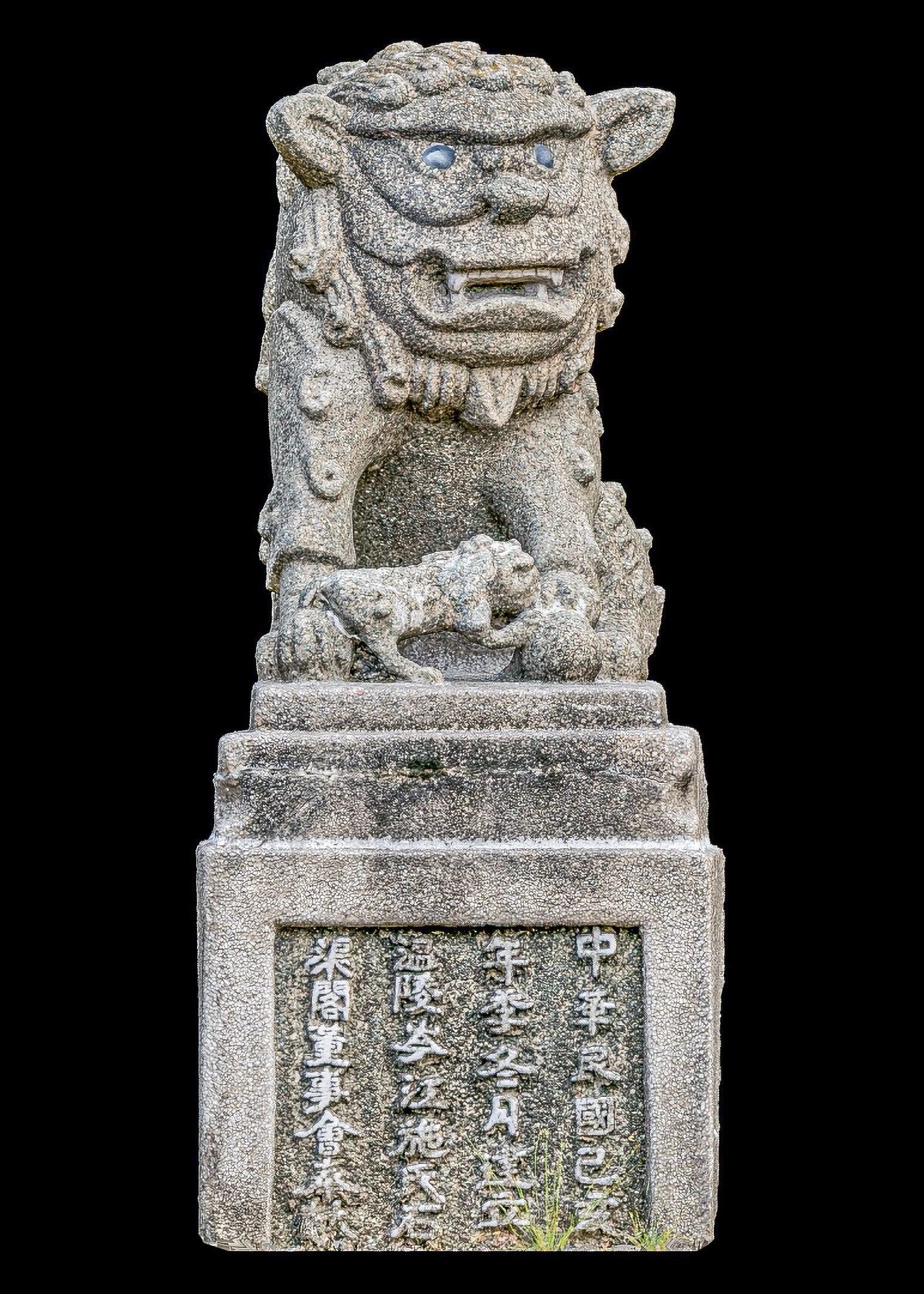
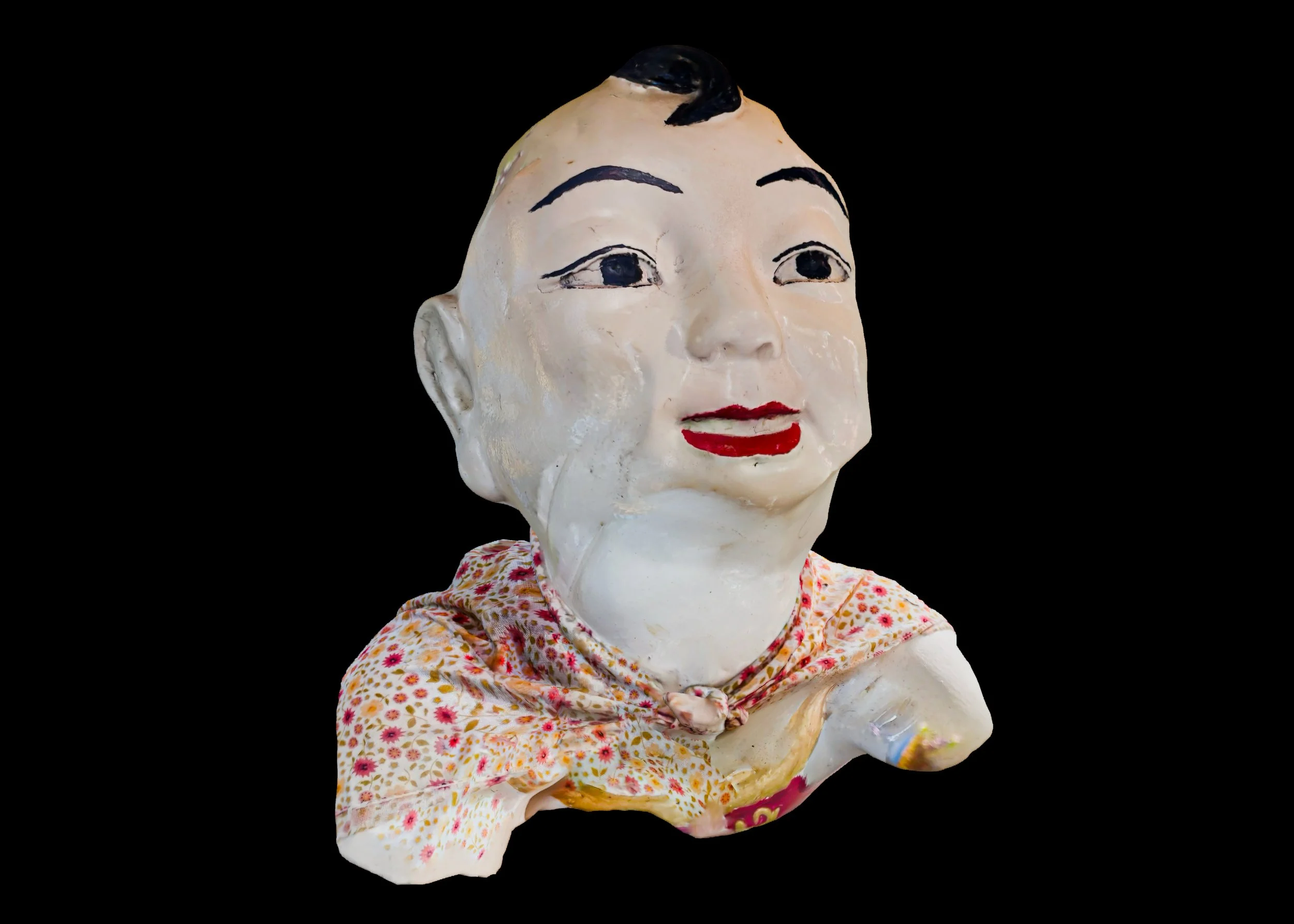

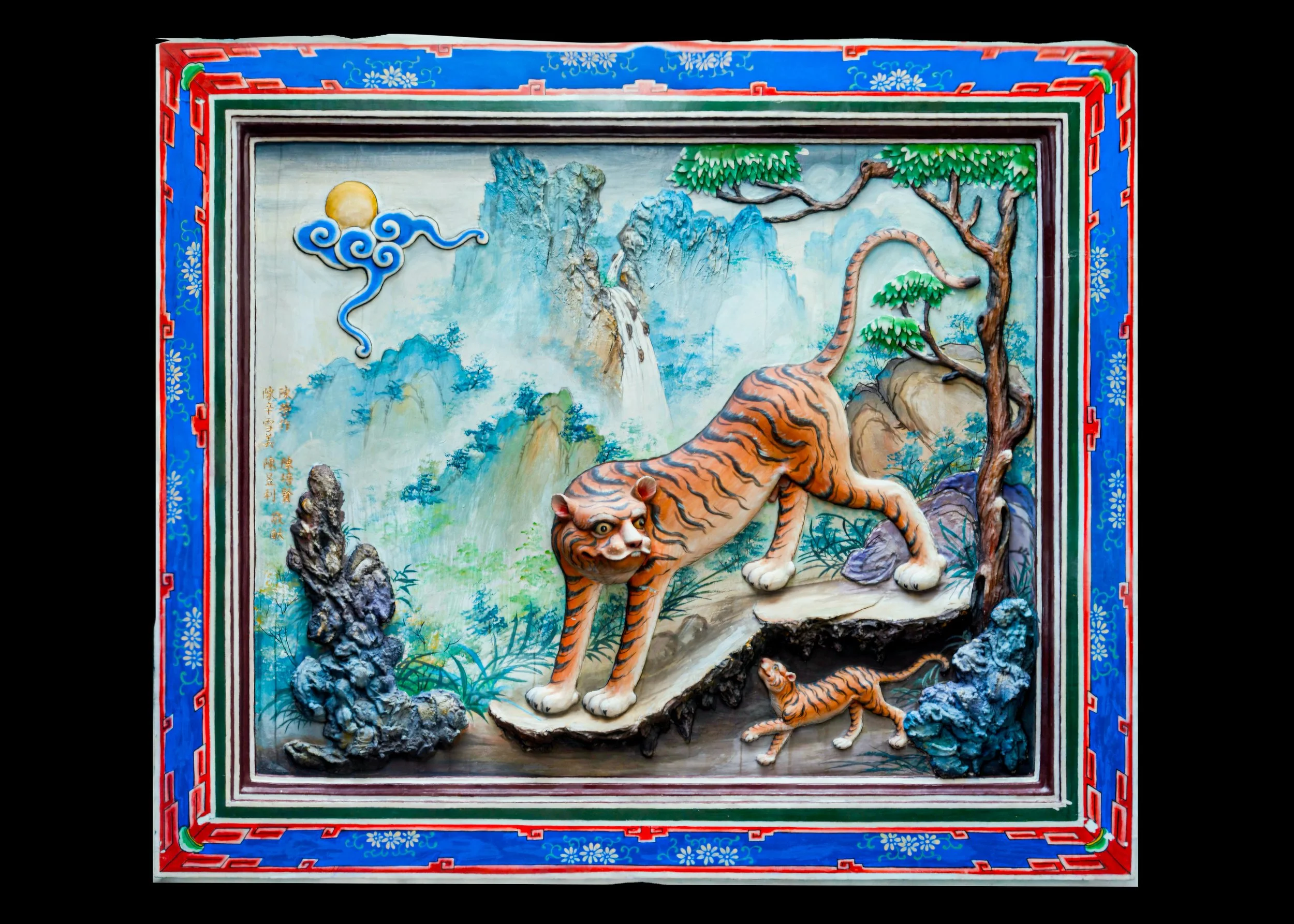
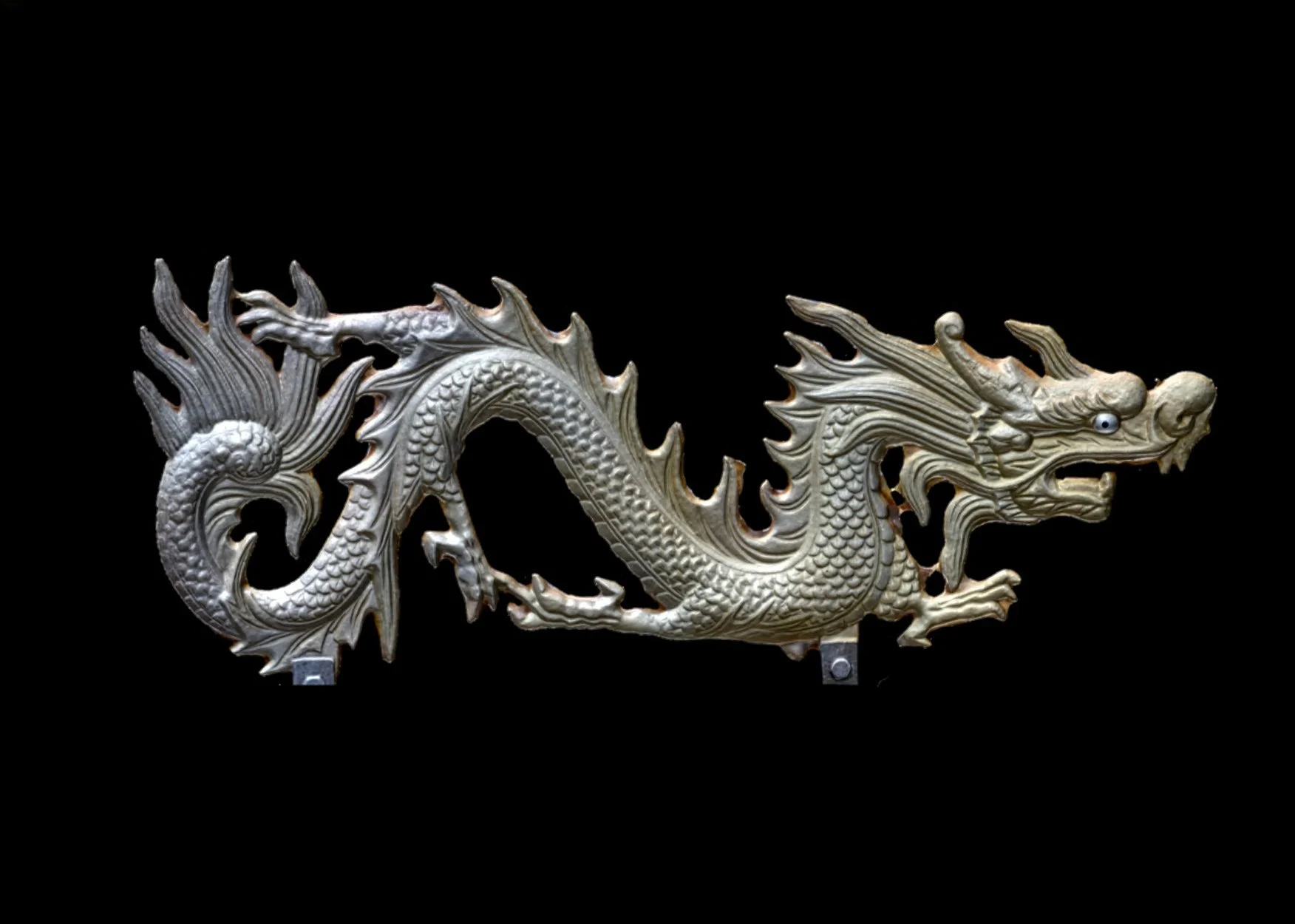
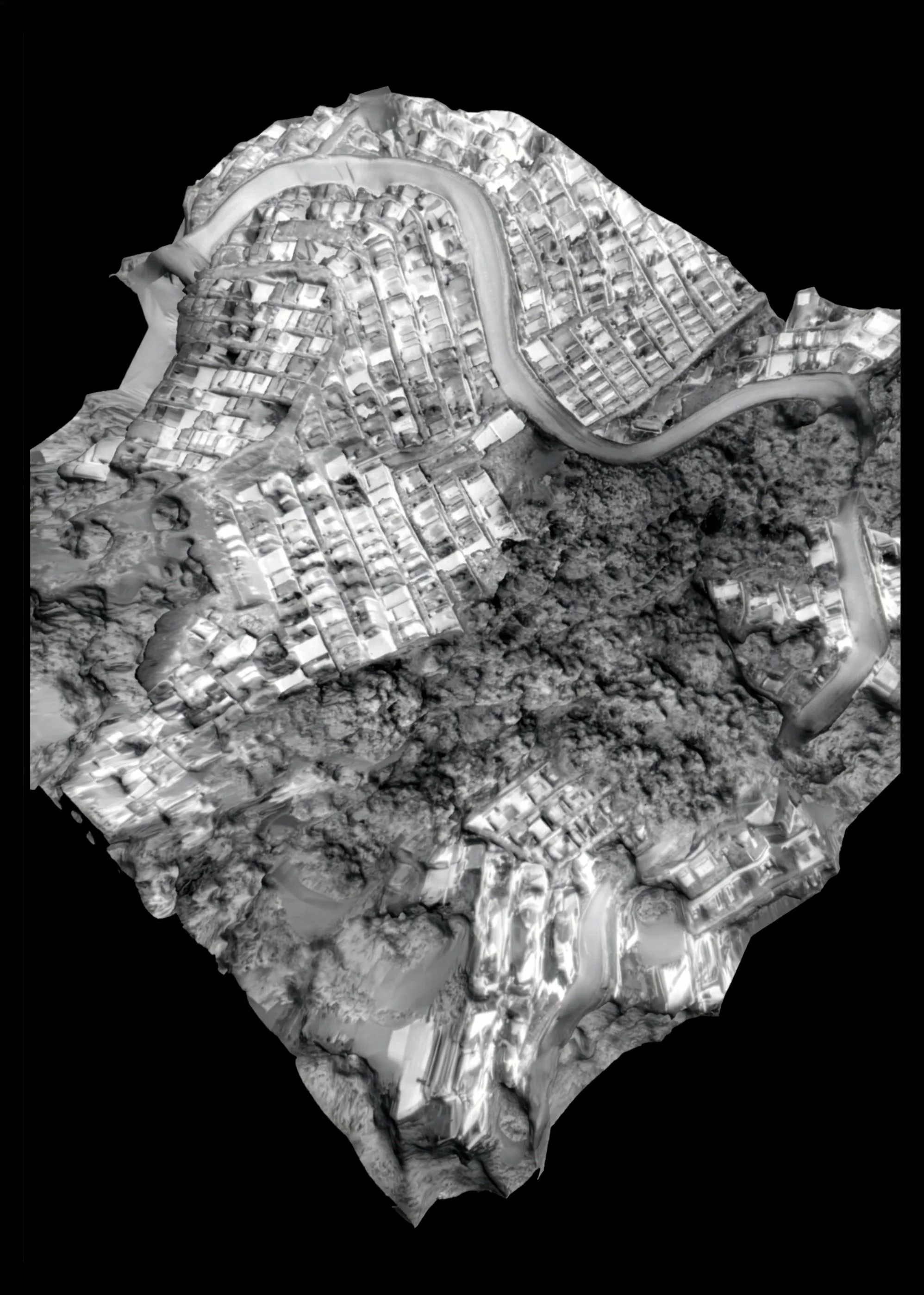
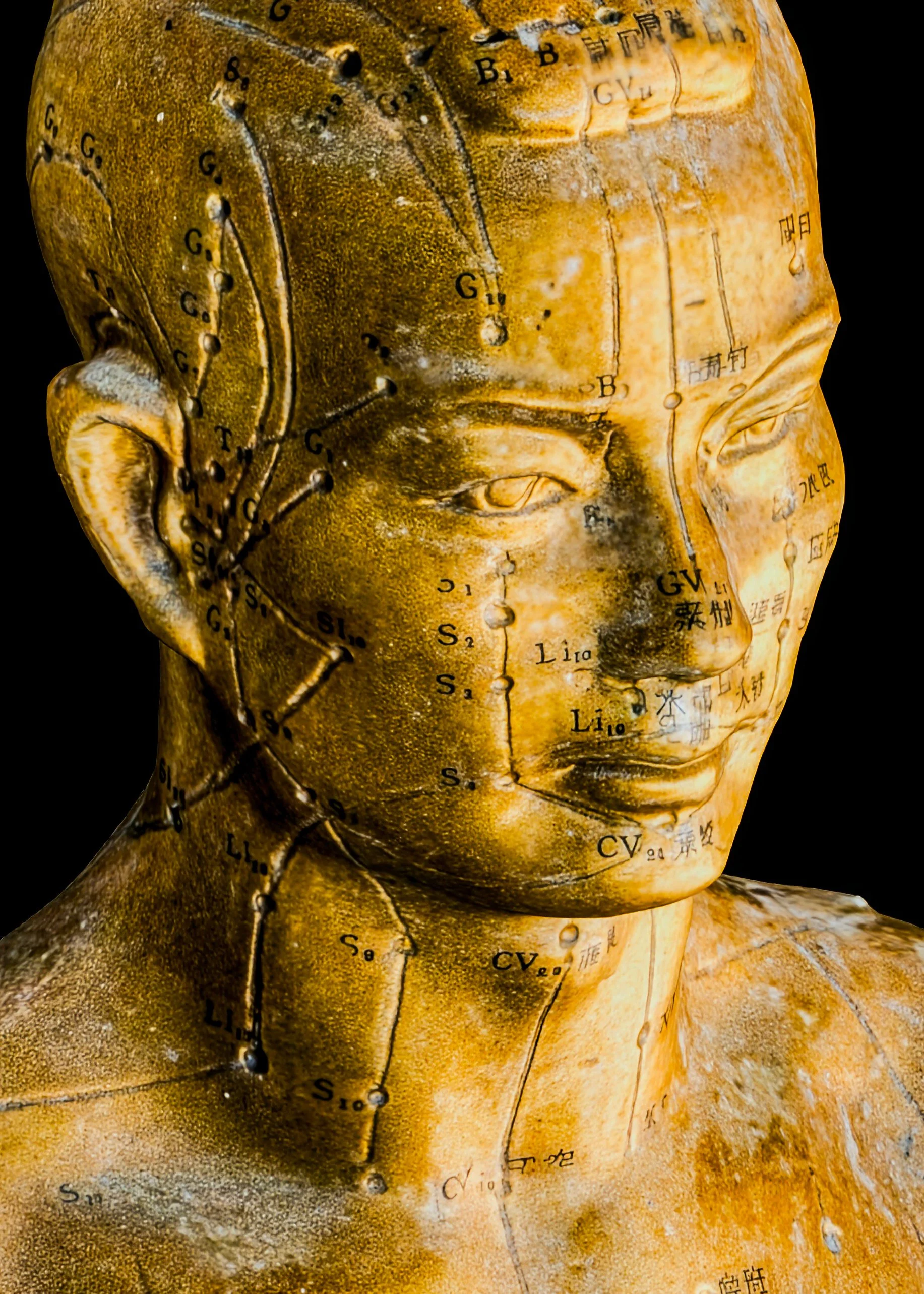
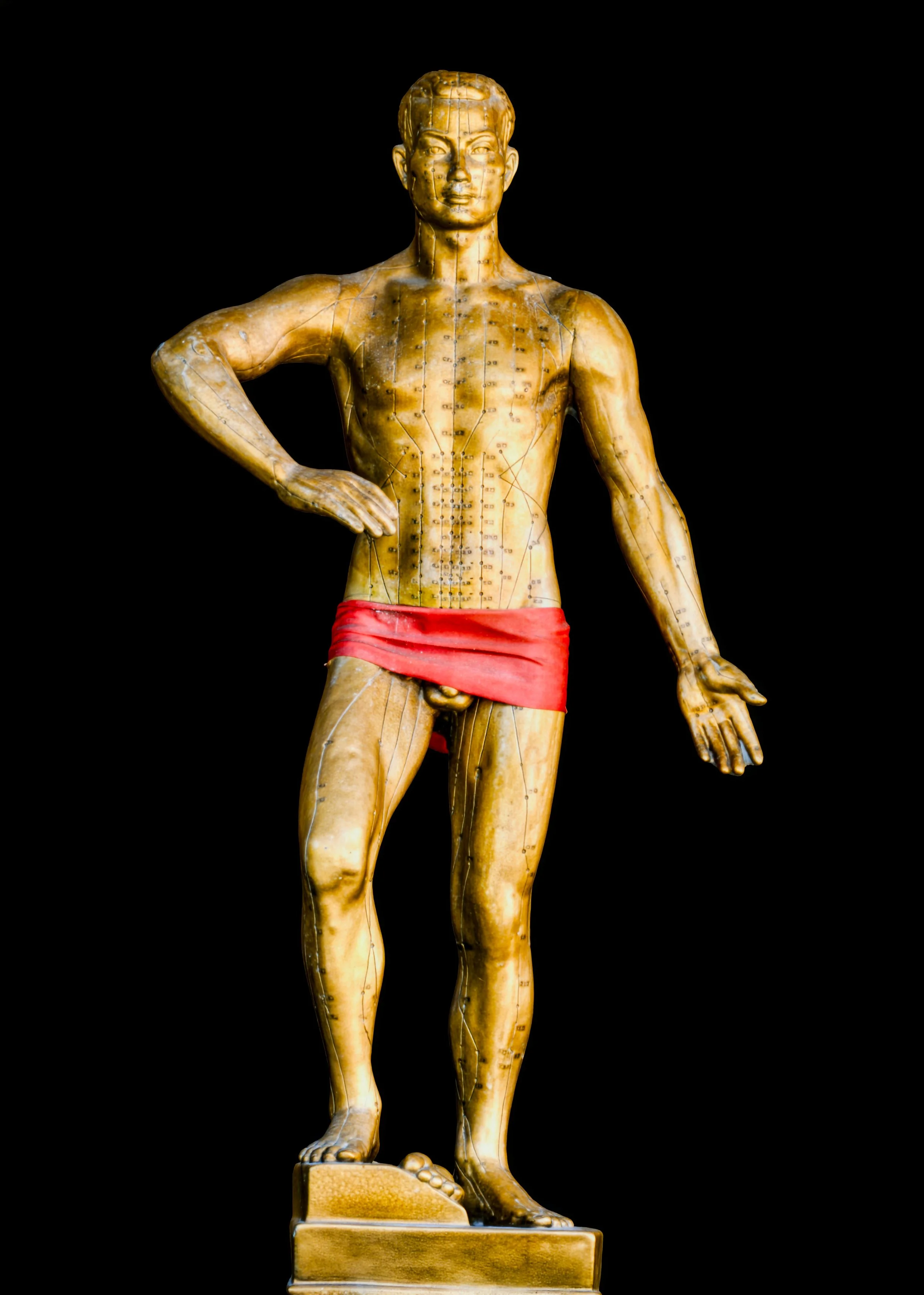
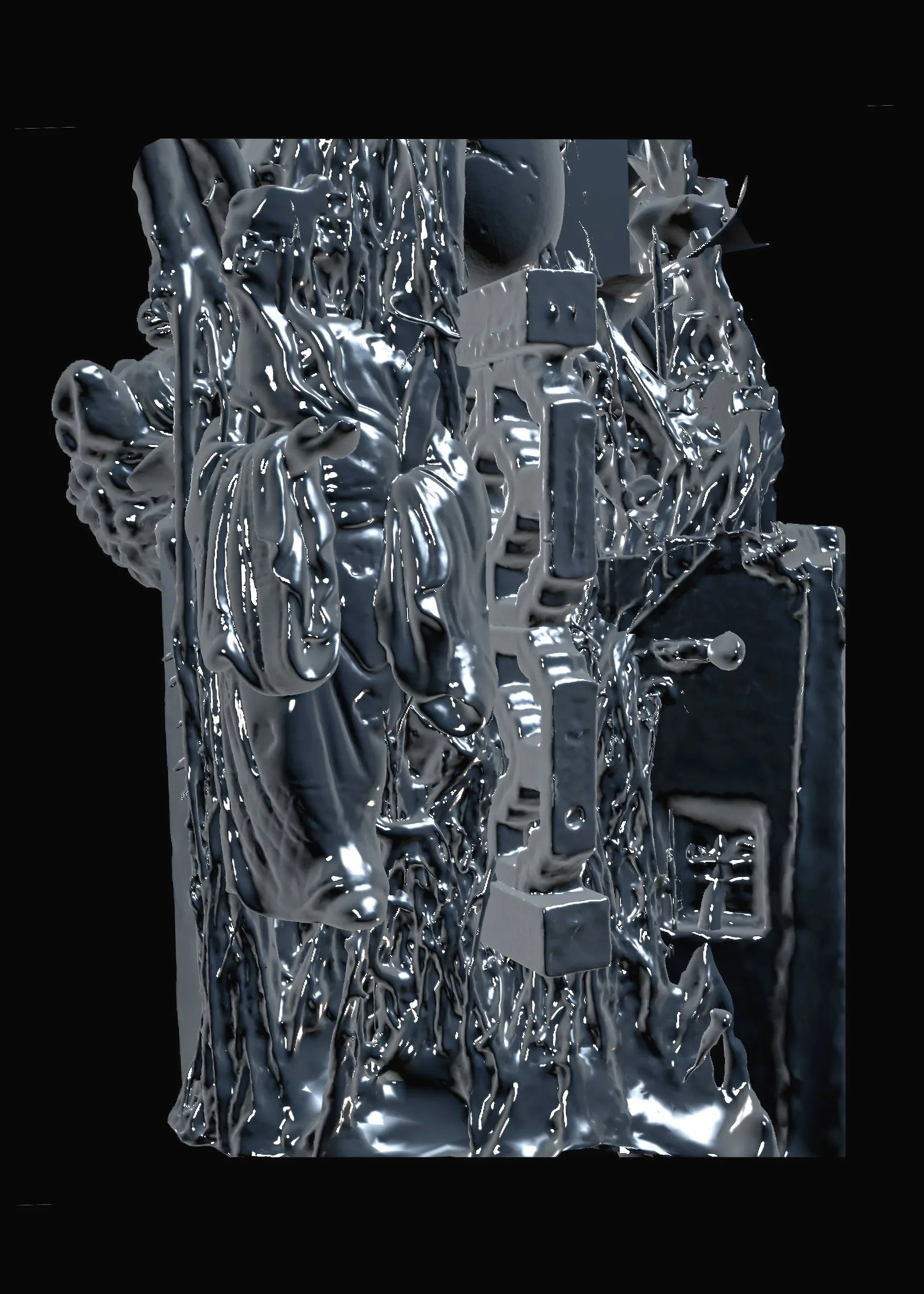
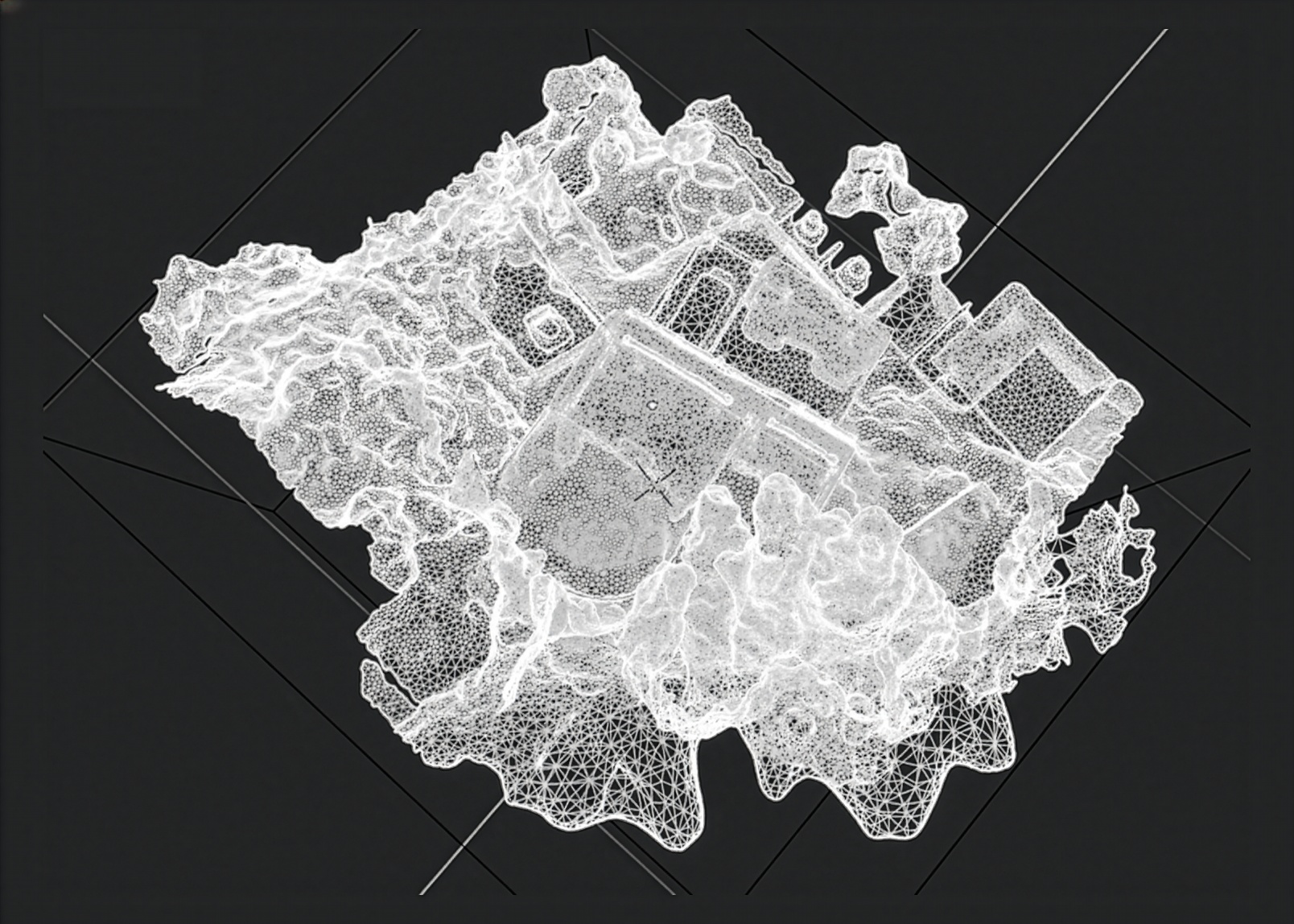
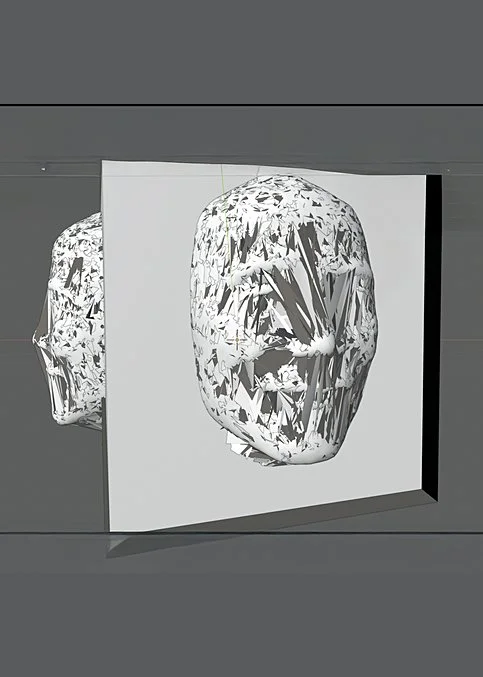
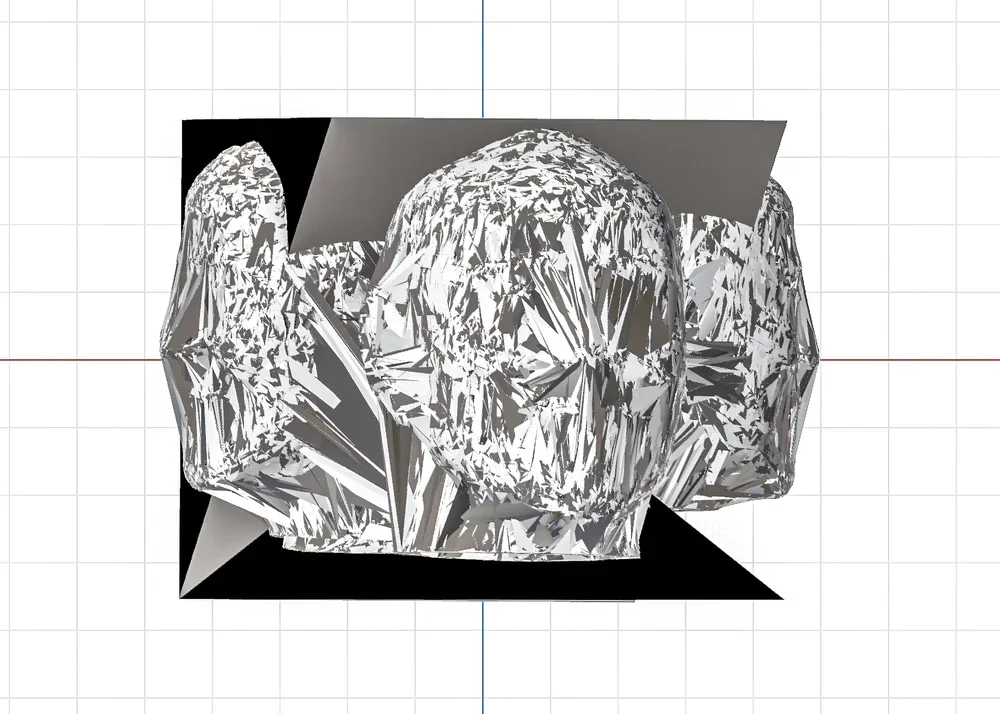
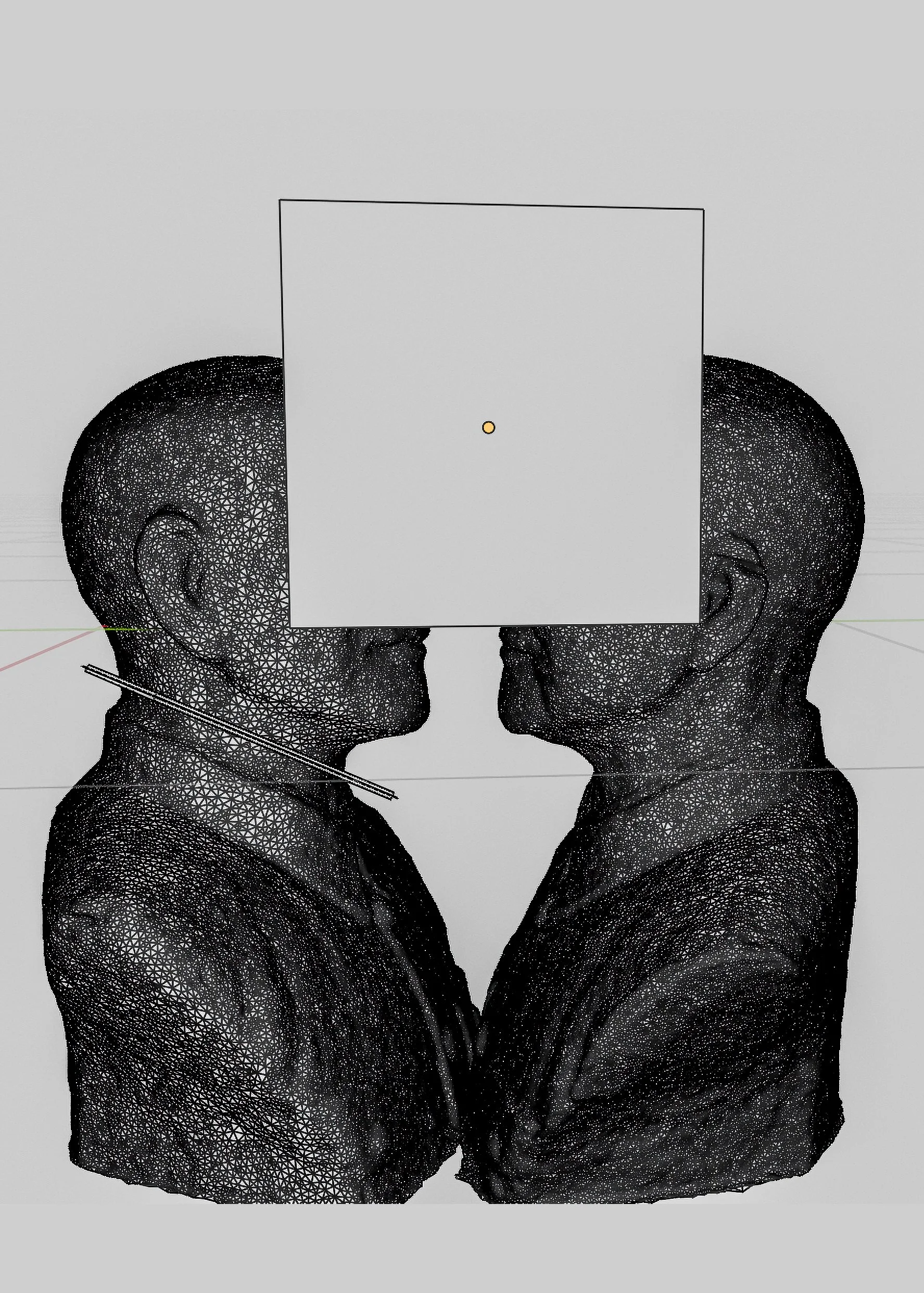
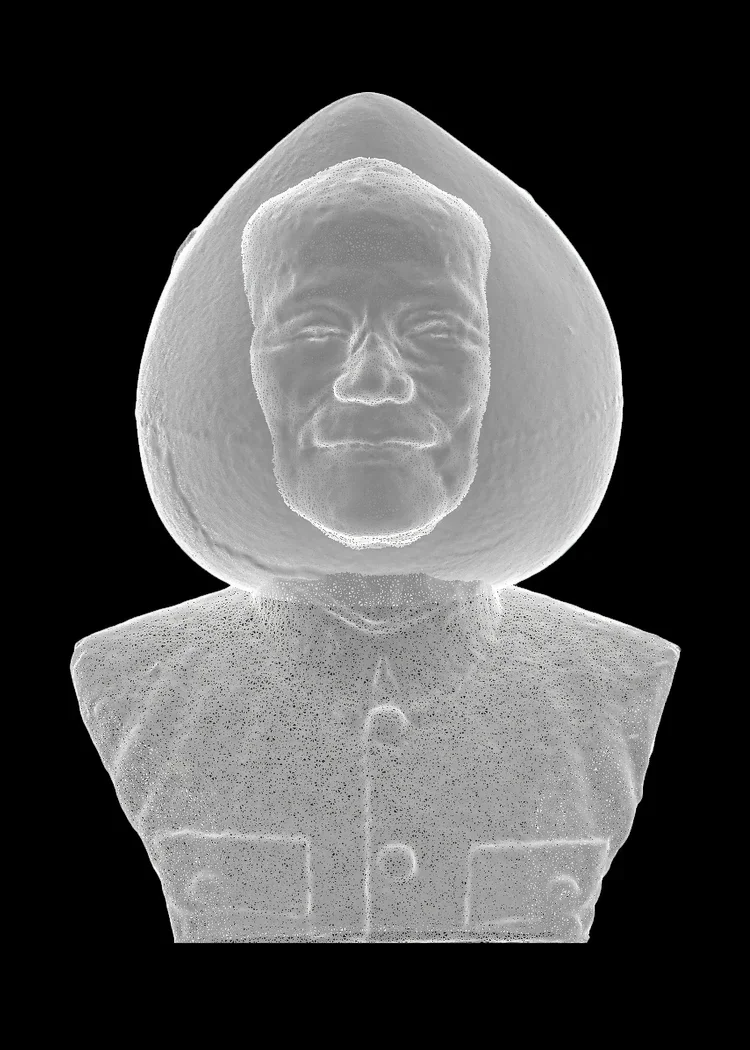
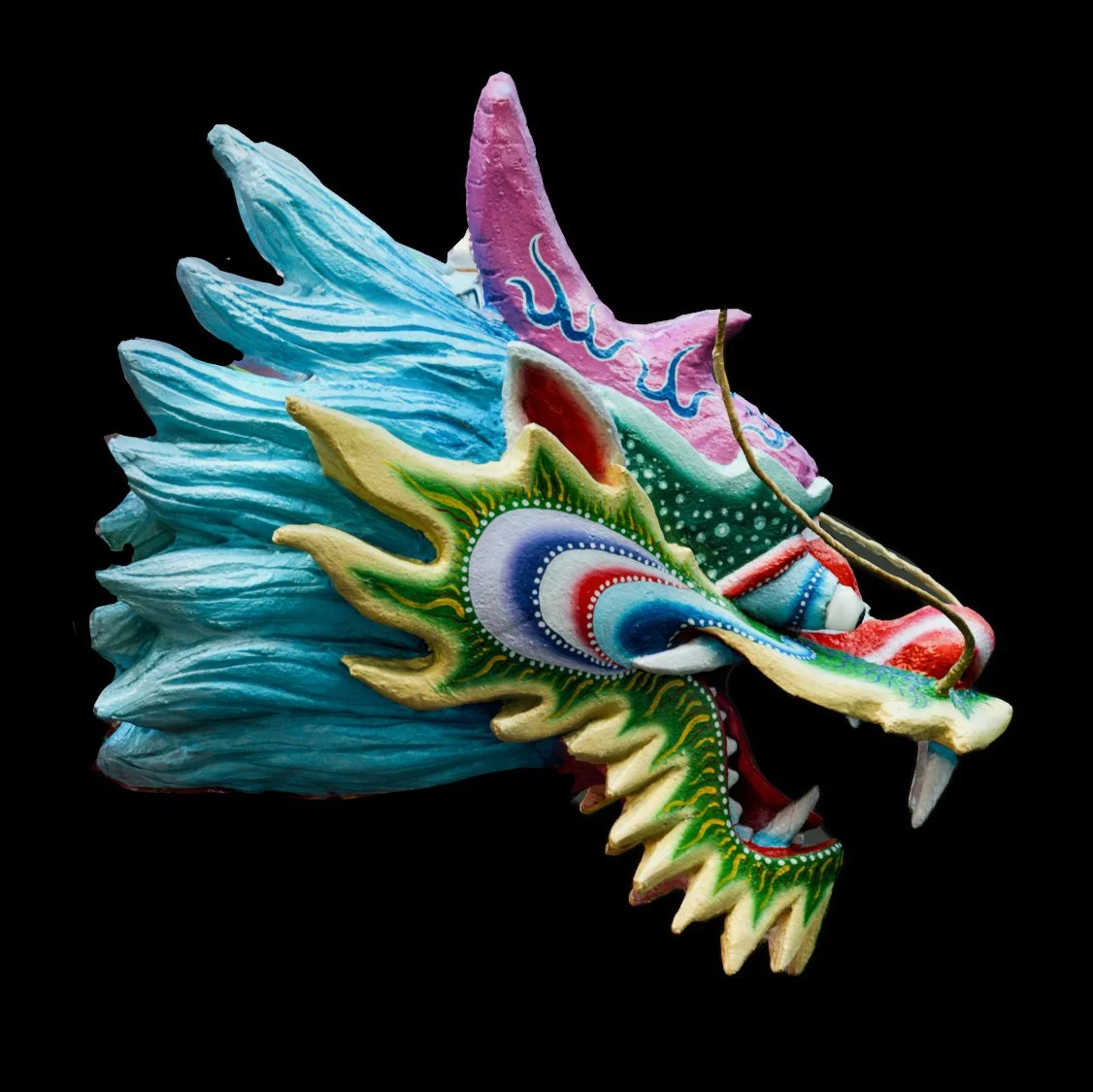
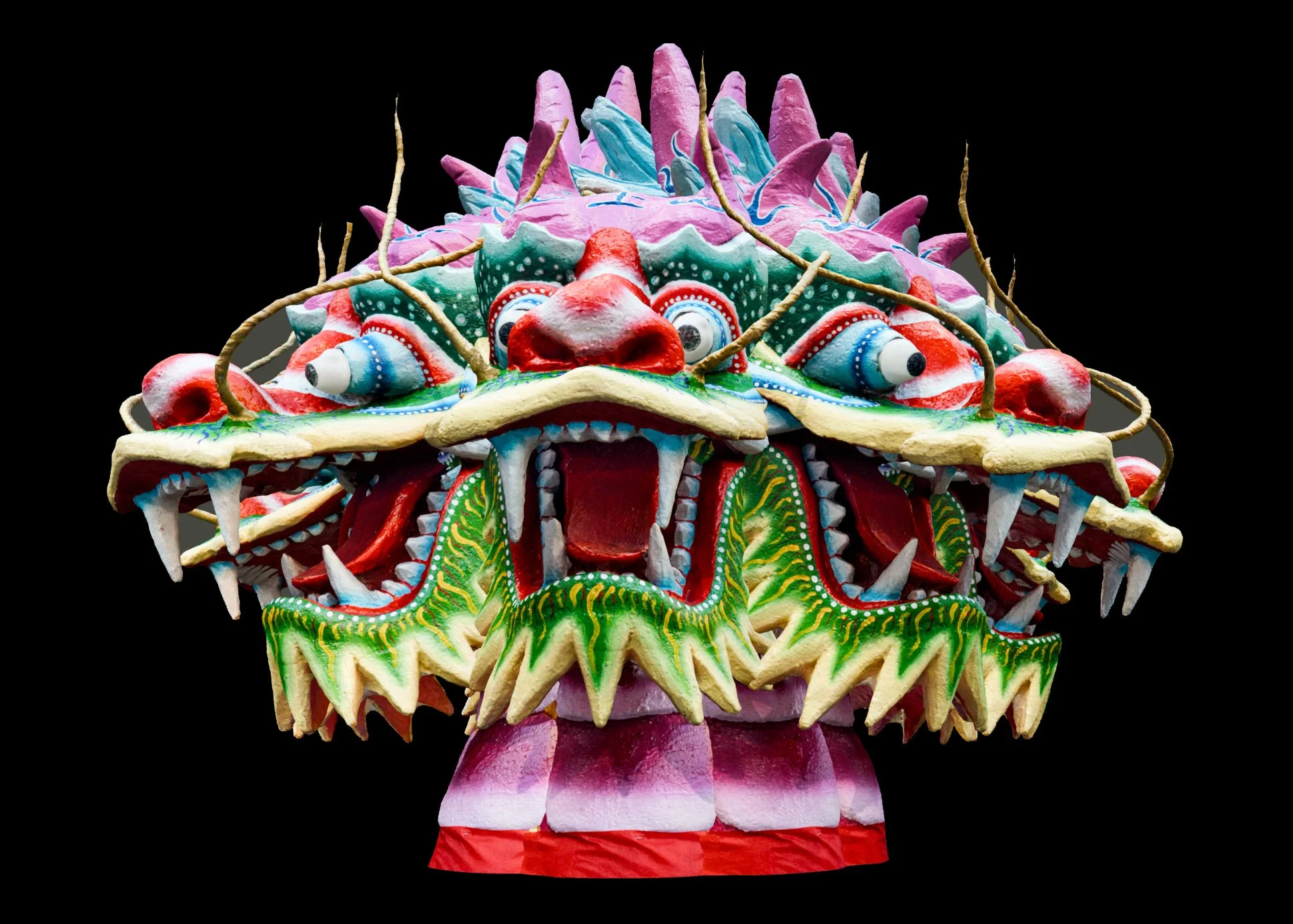

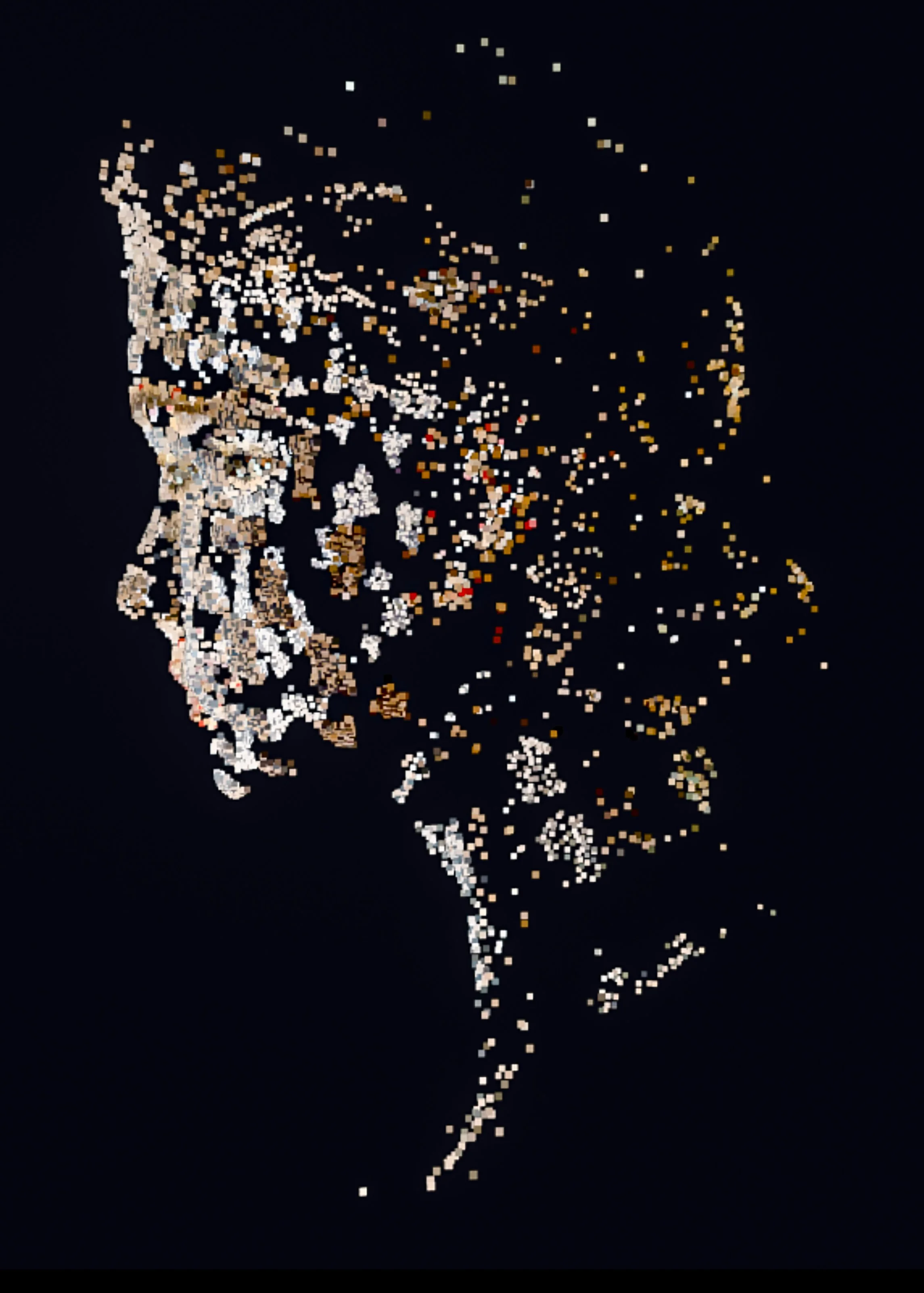



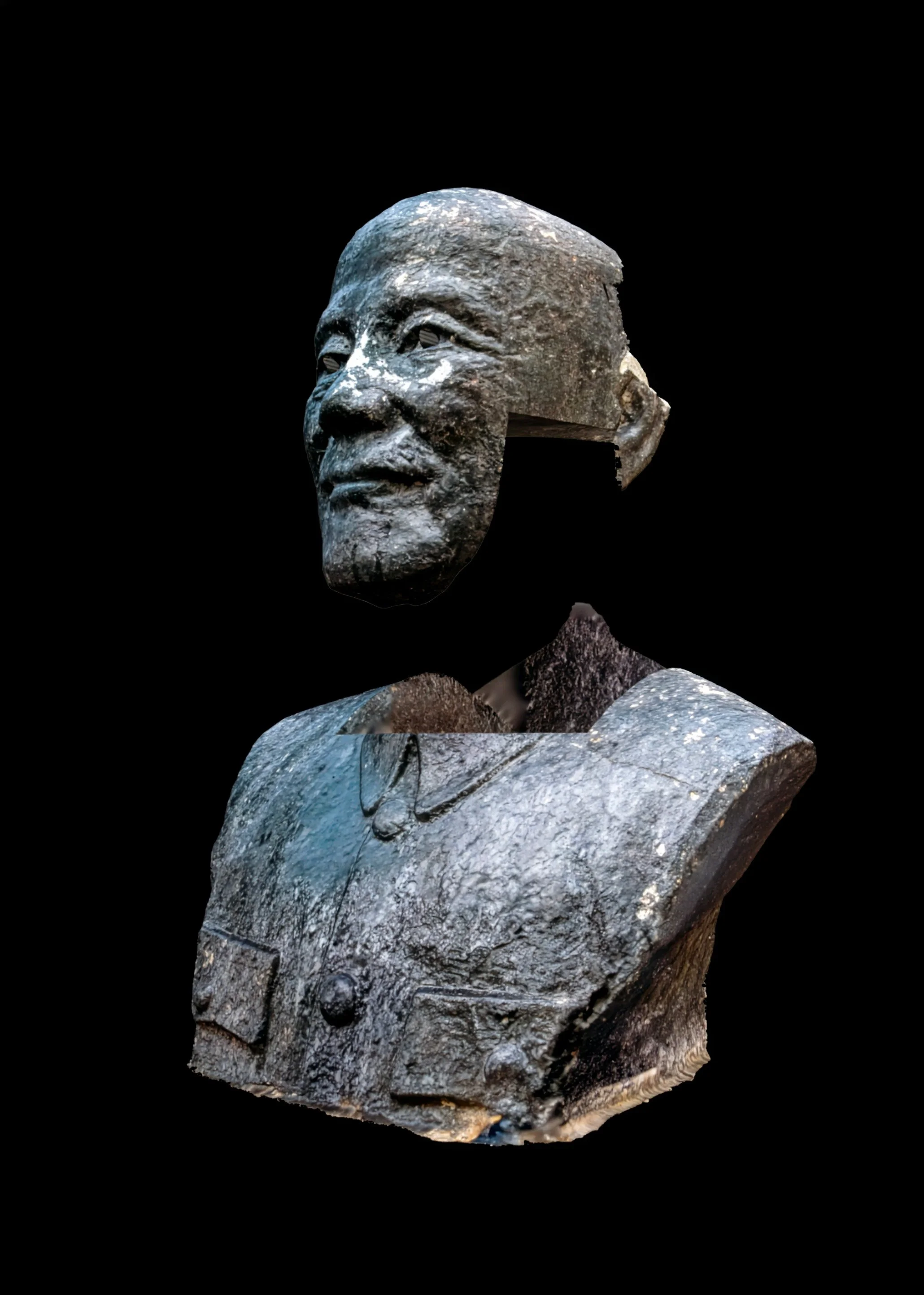
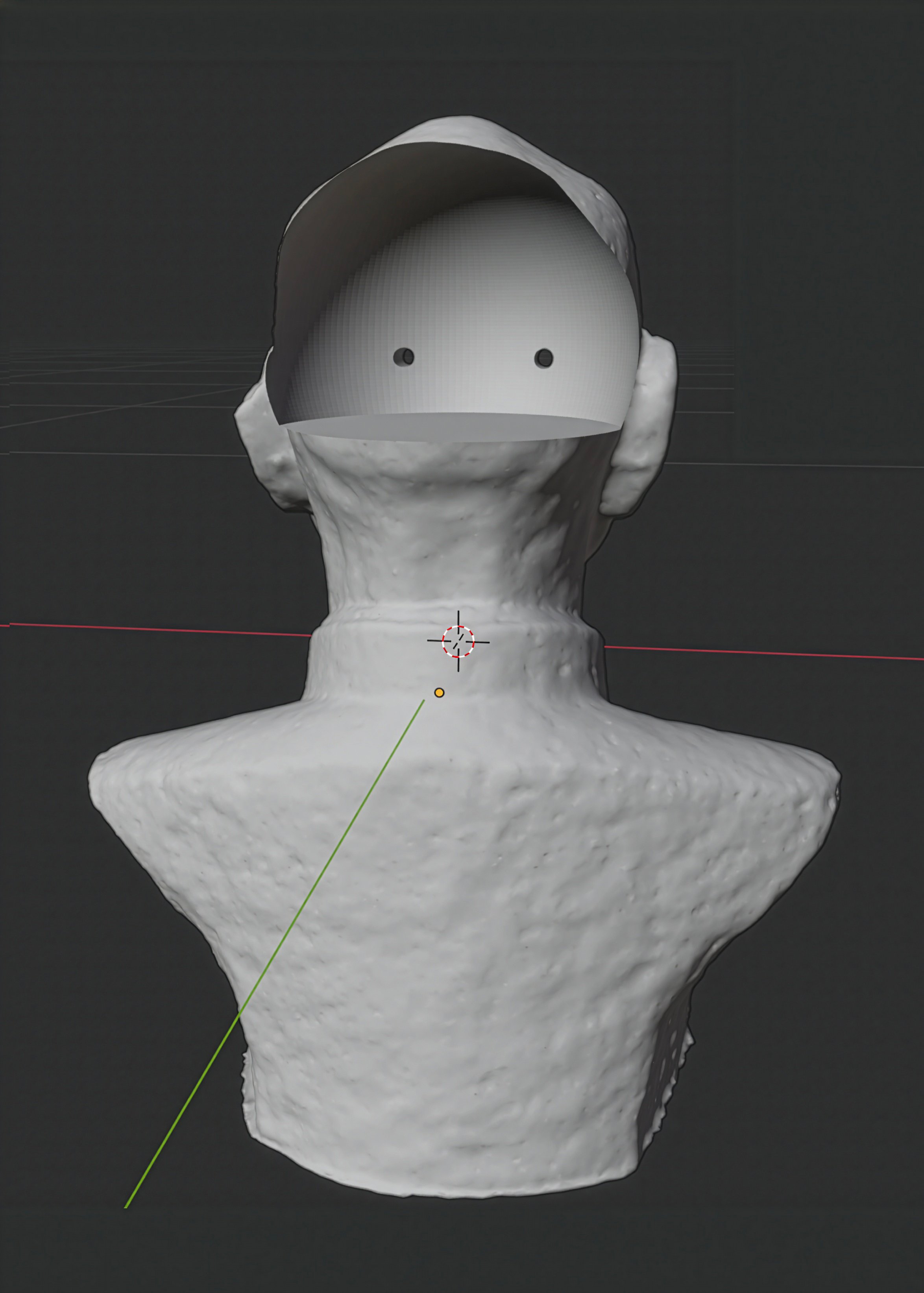
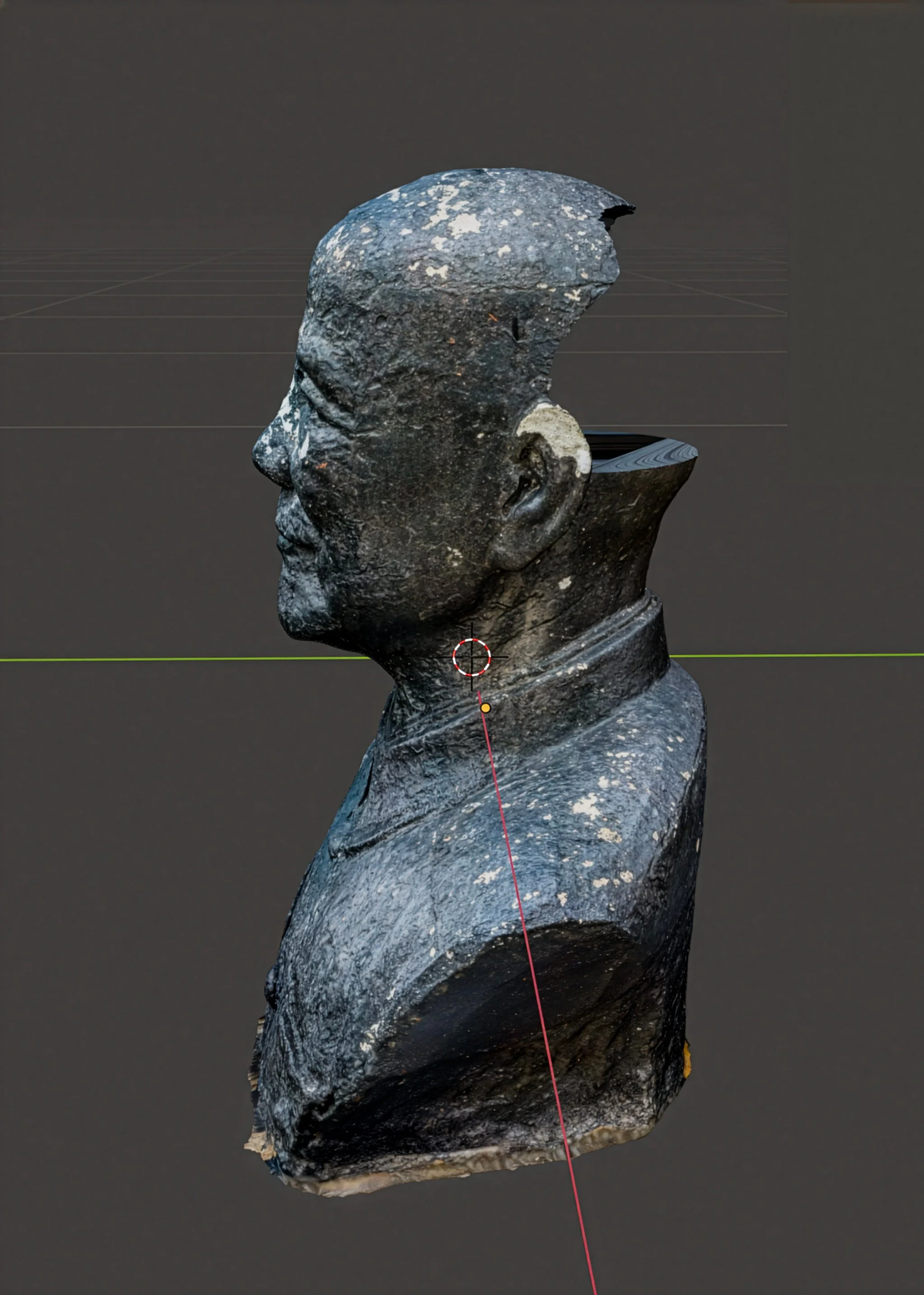
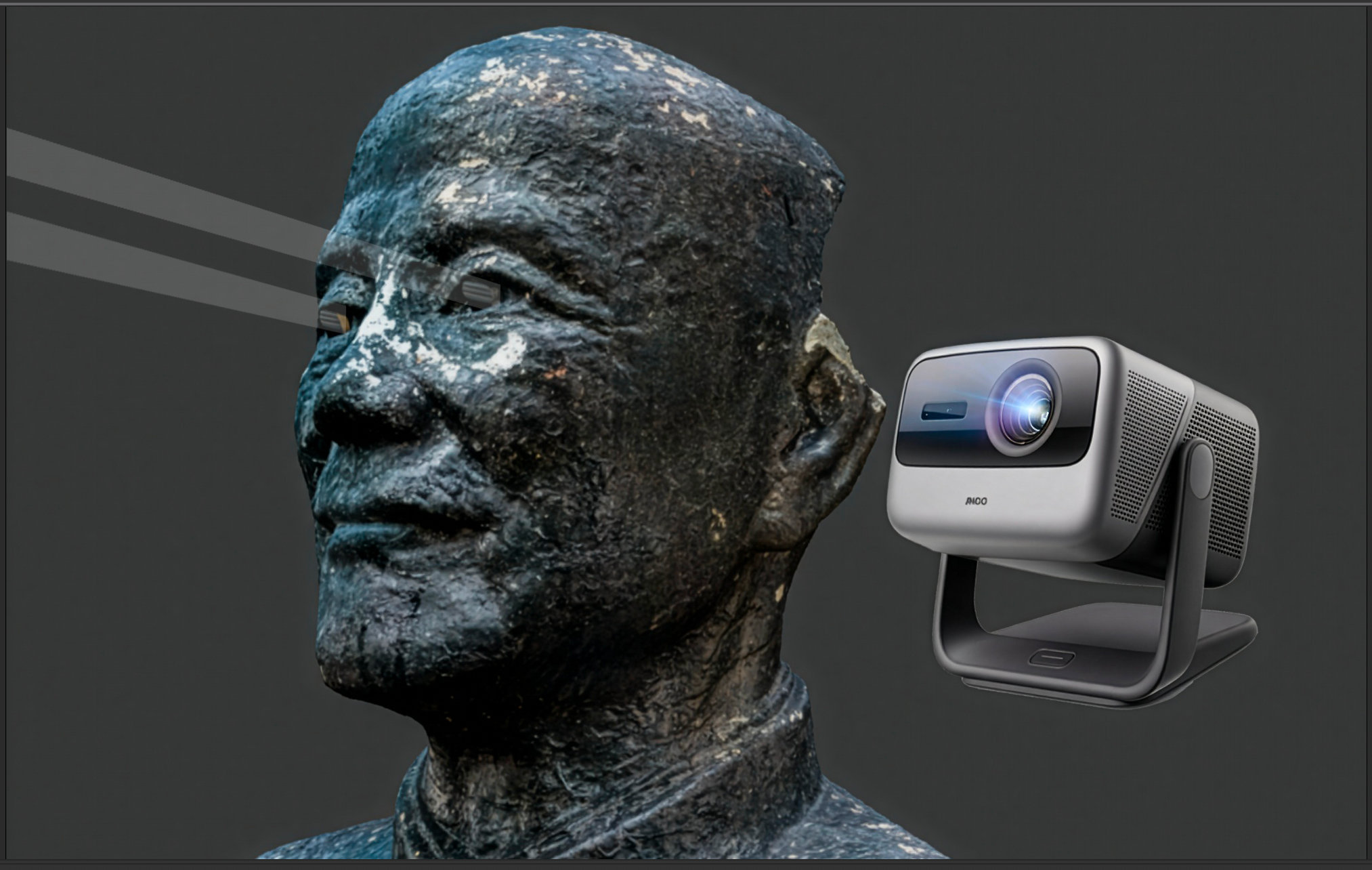
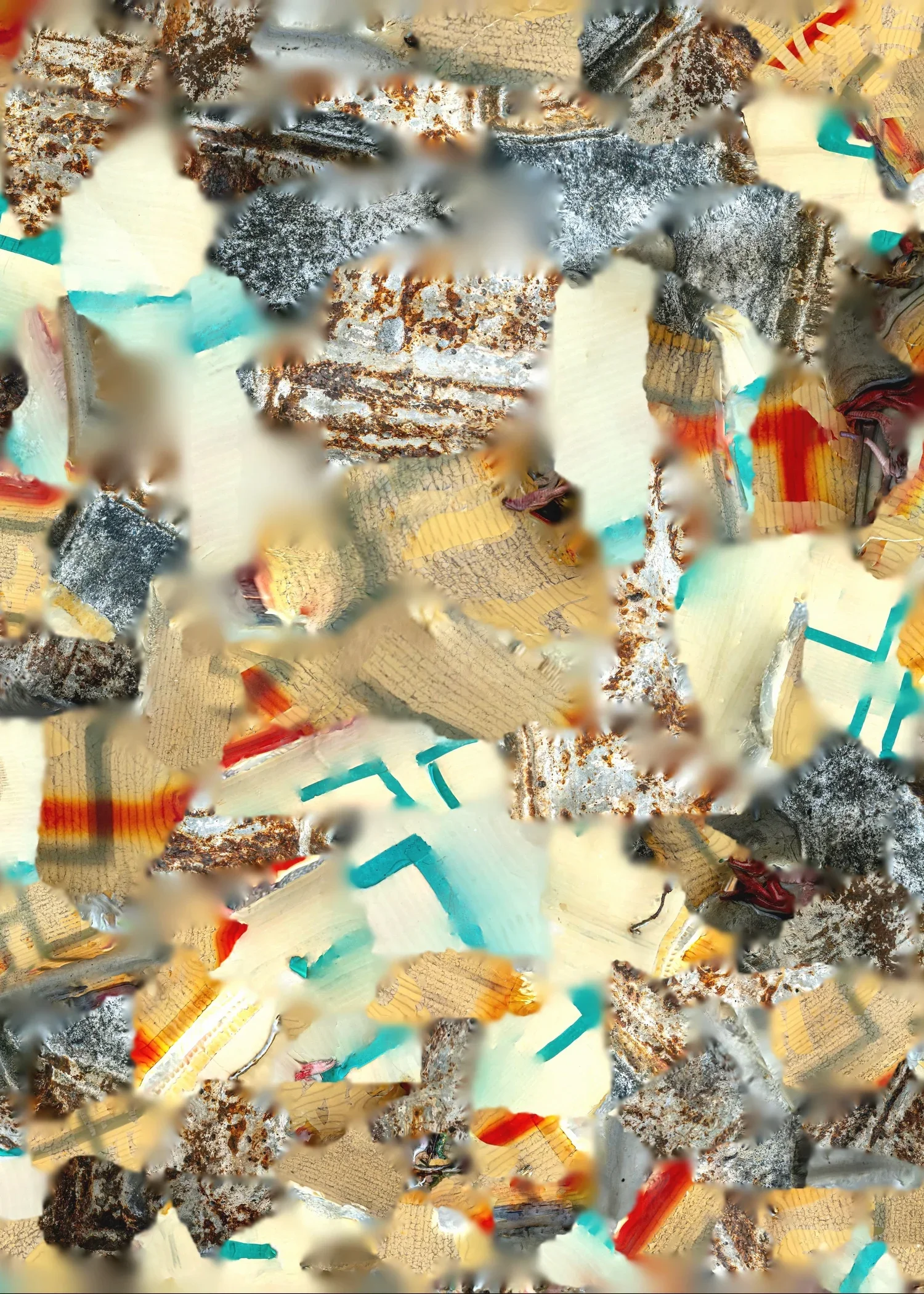
PHOTO
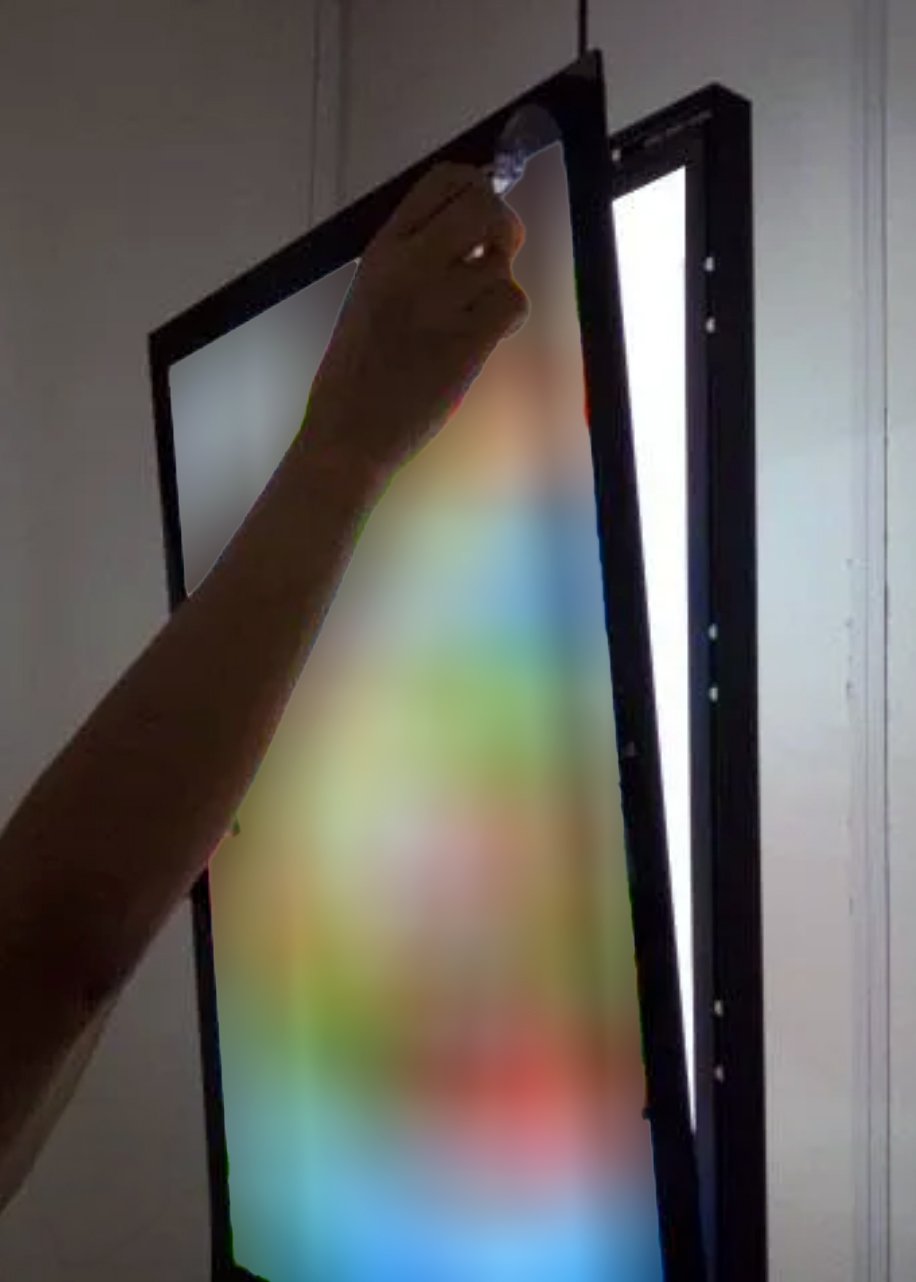
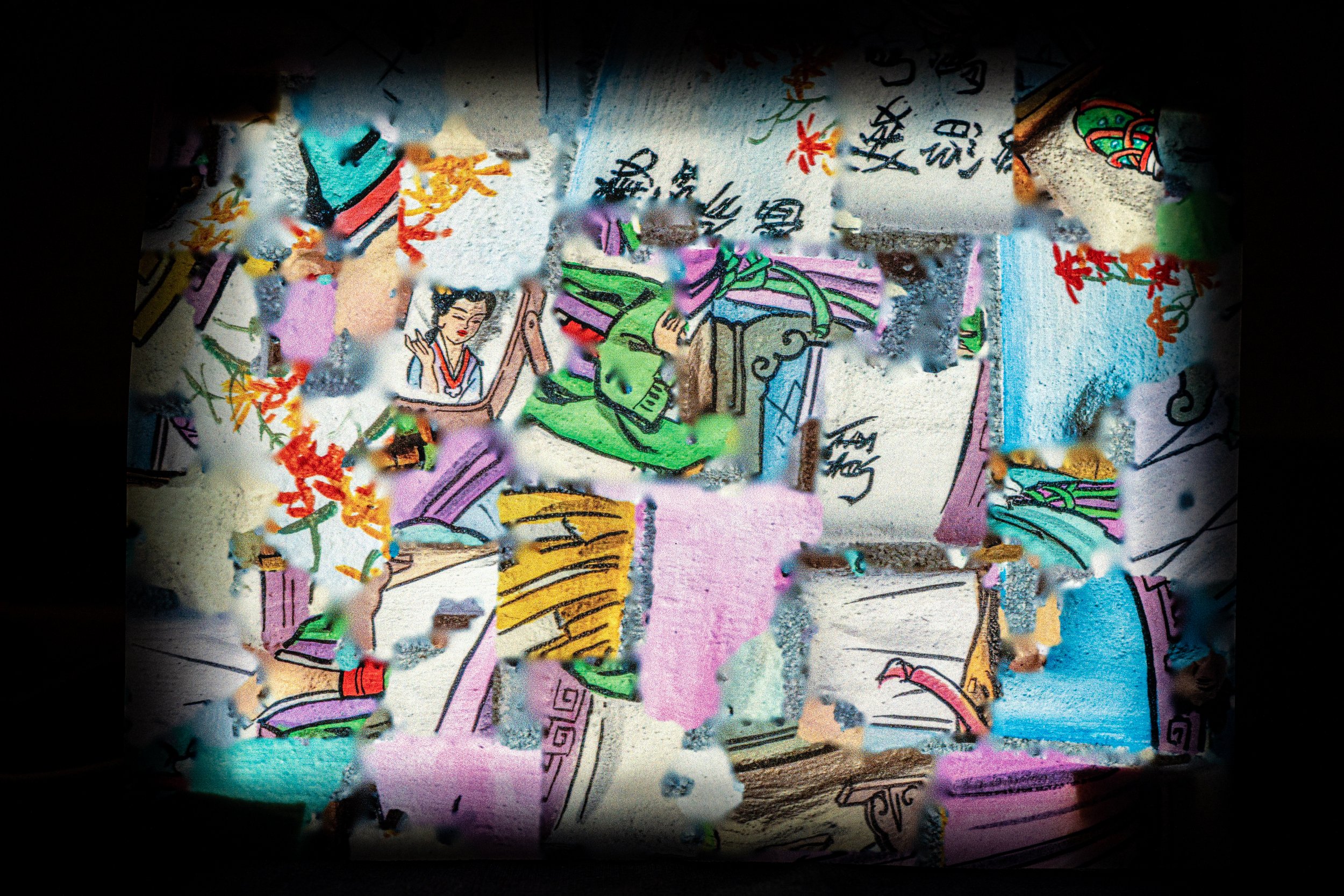
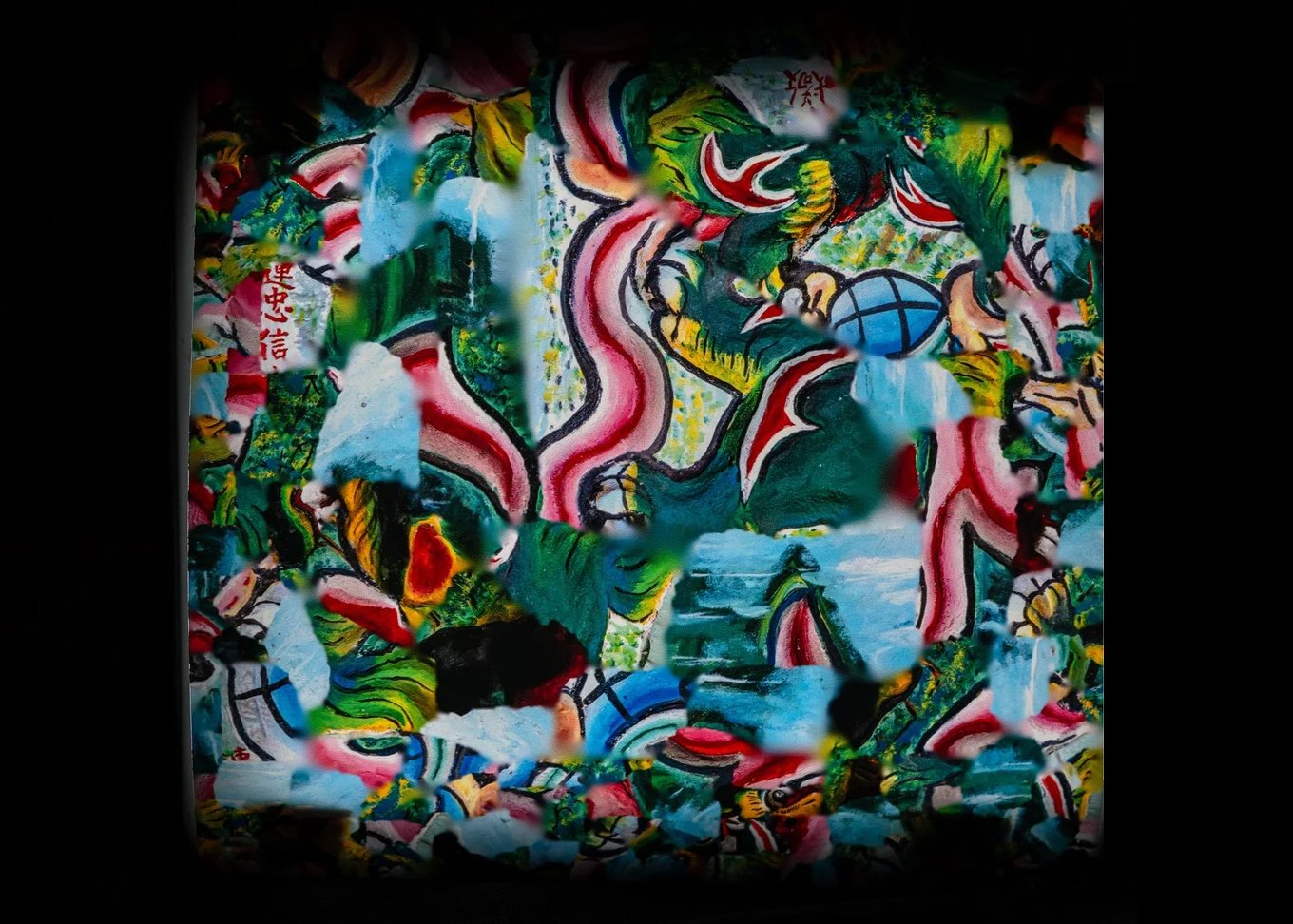
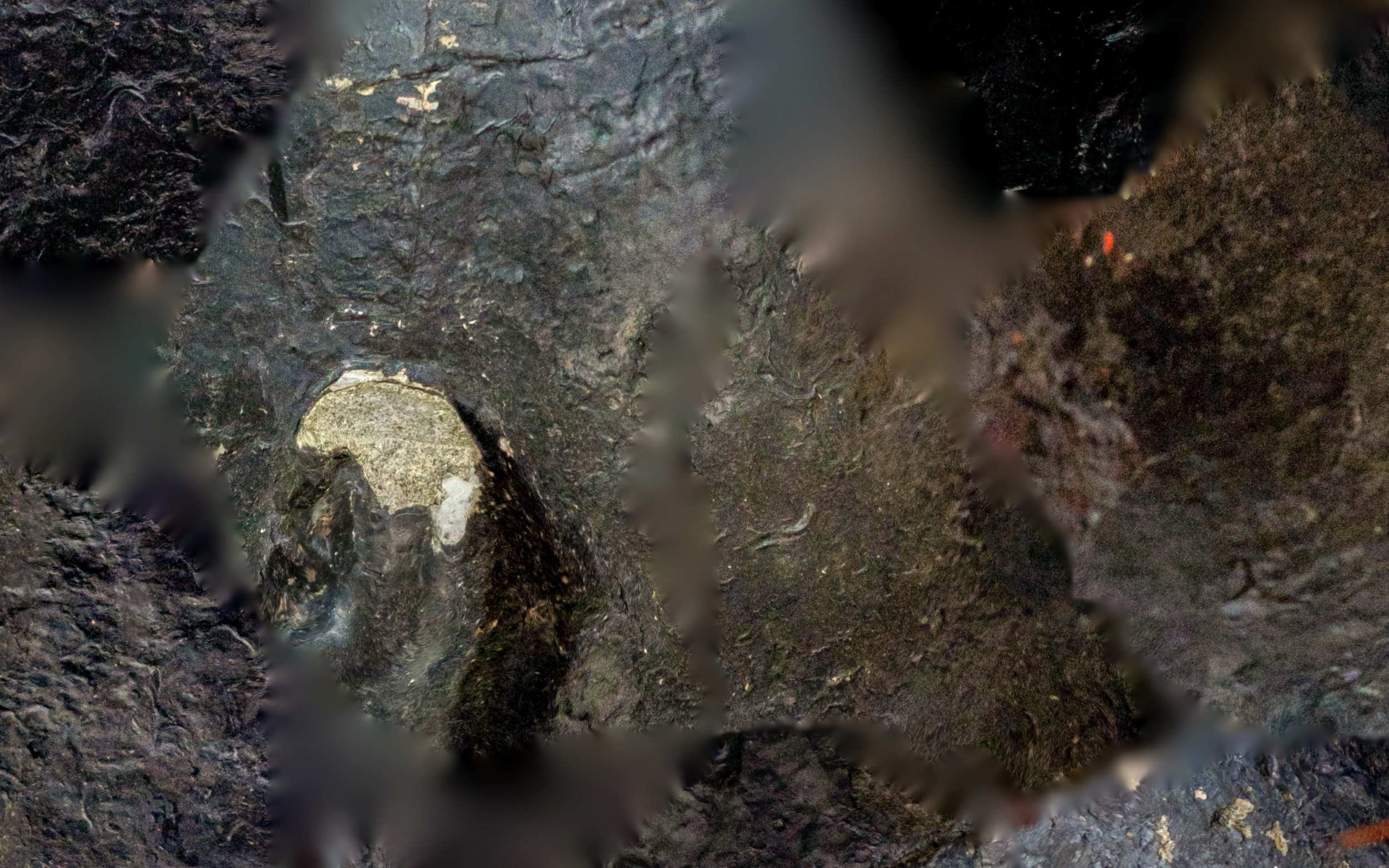
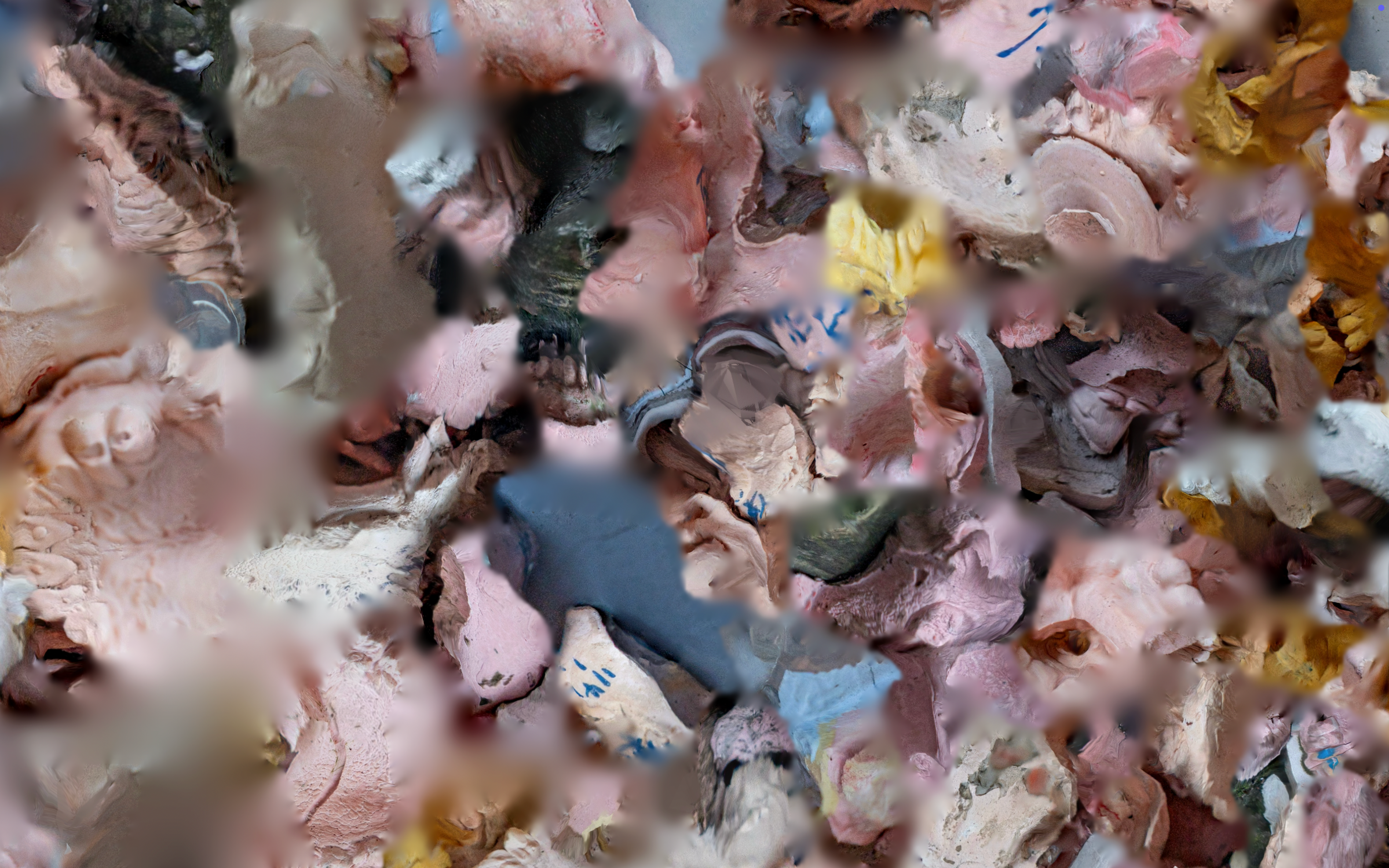
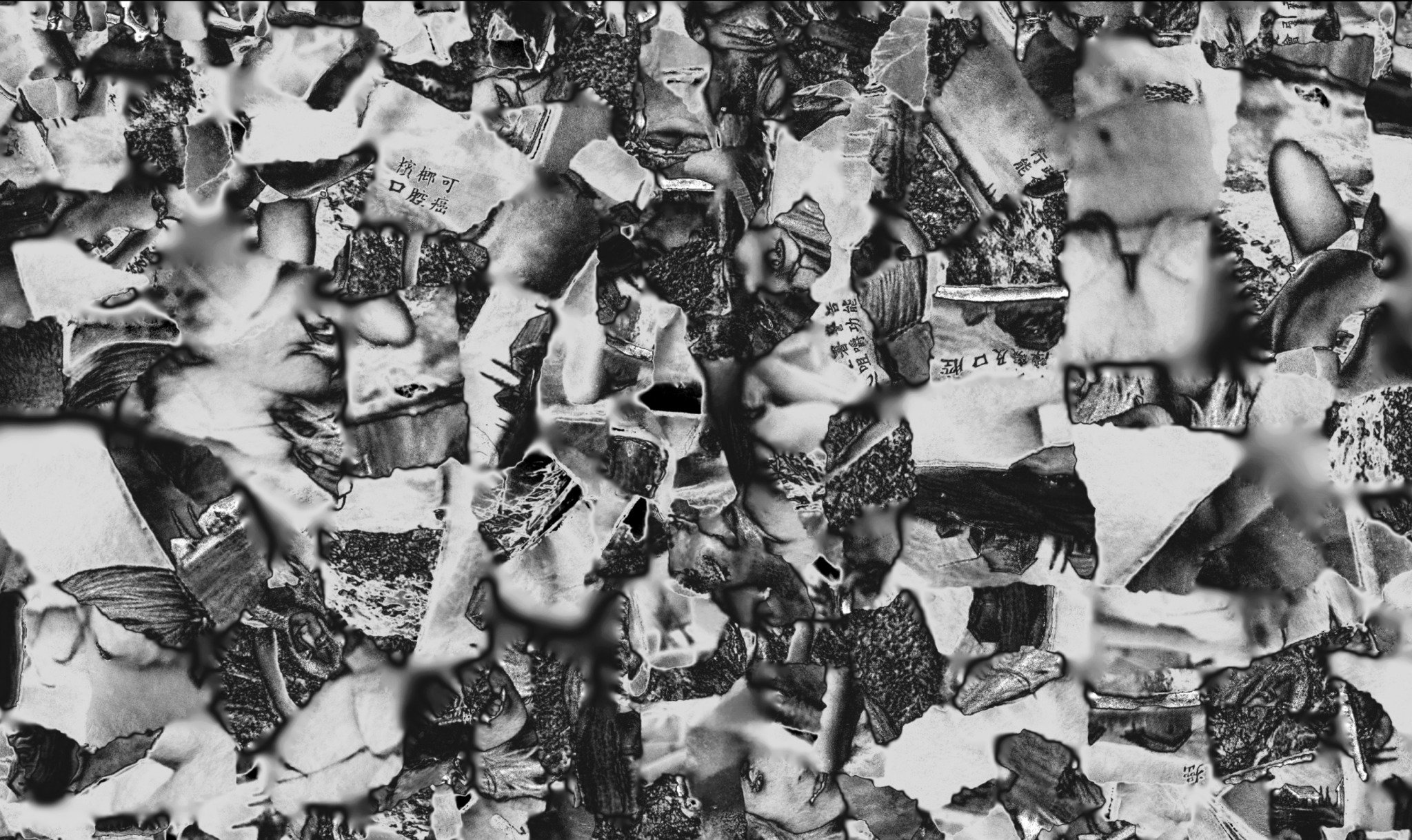
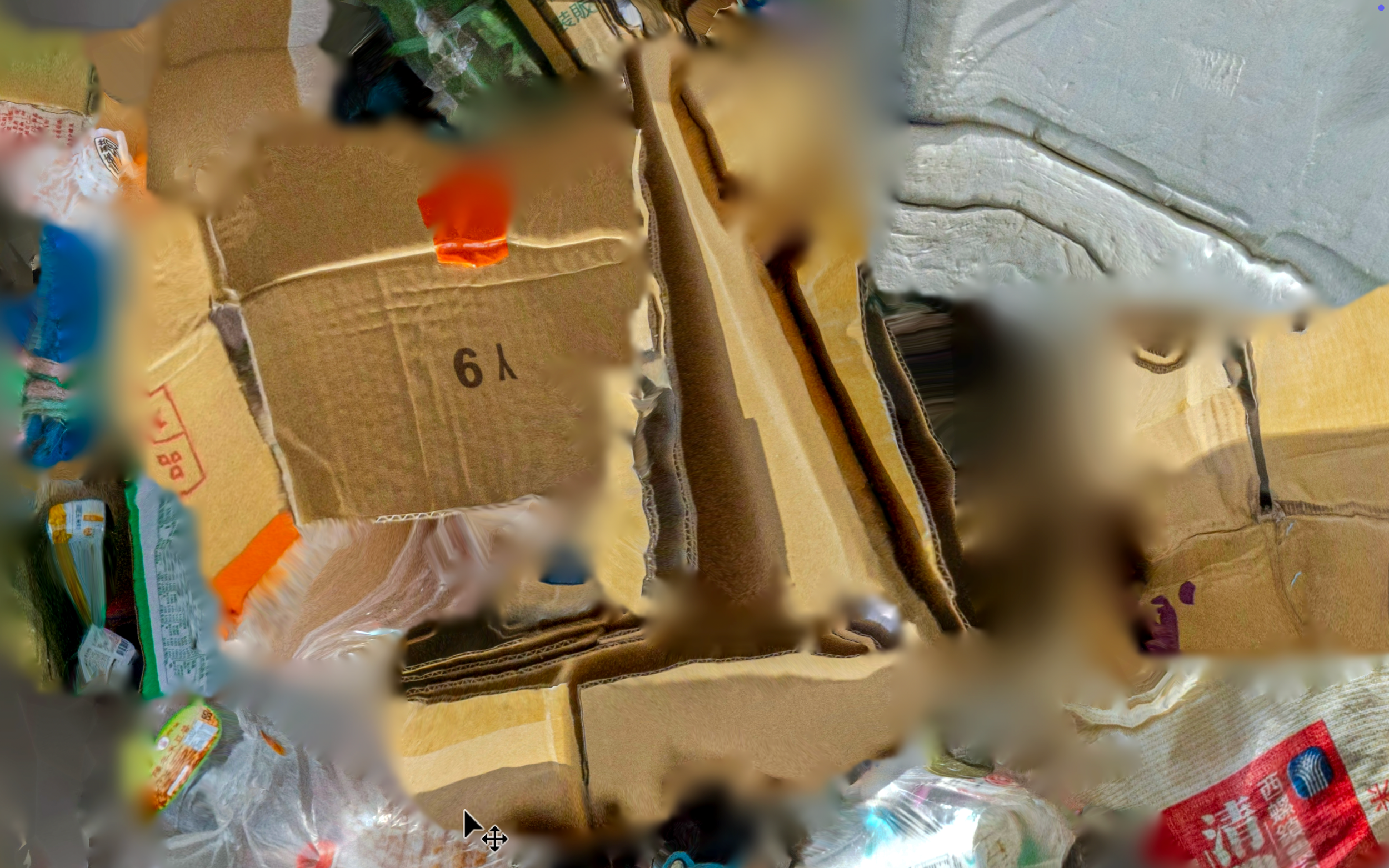
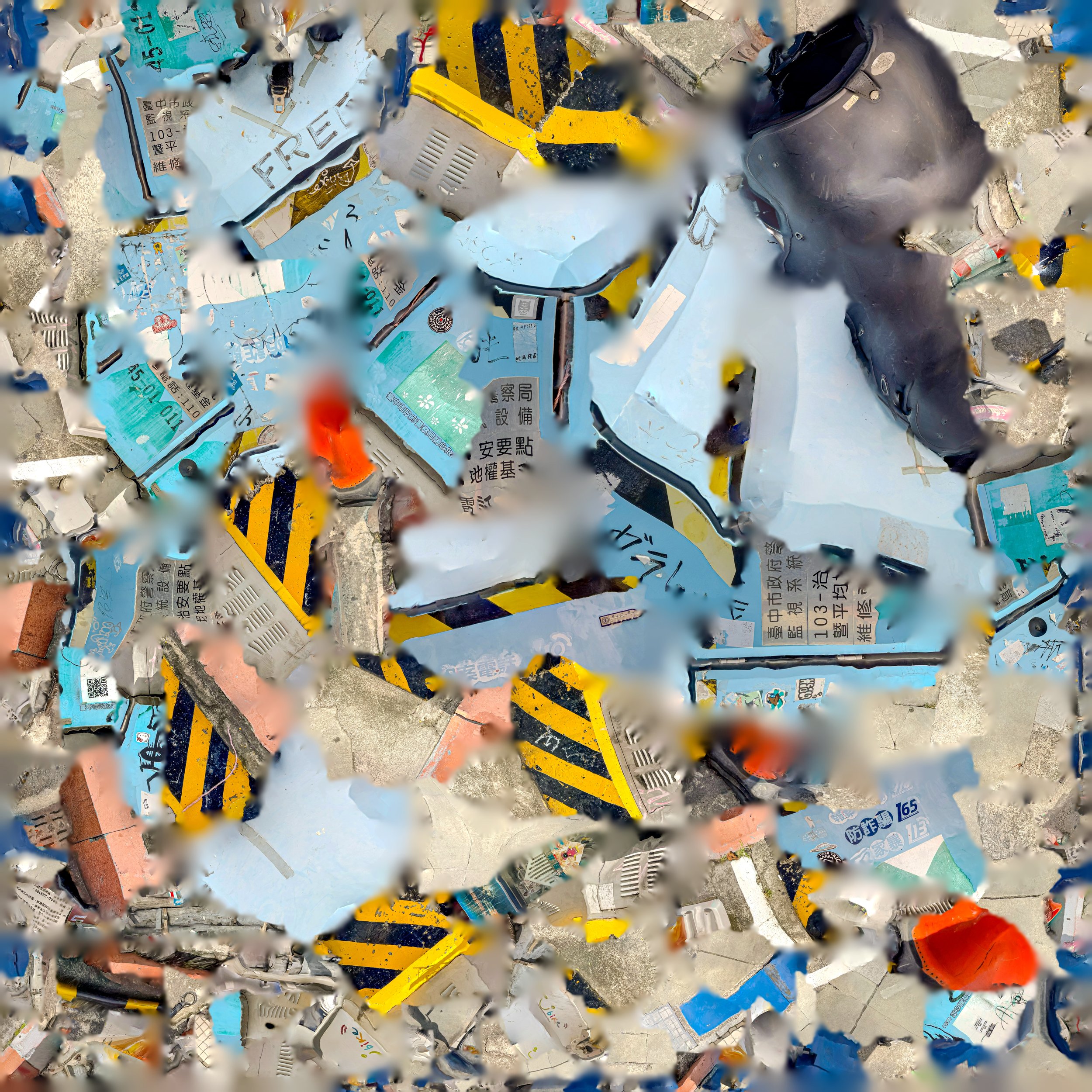
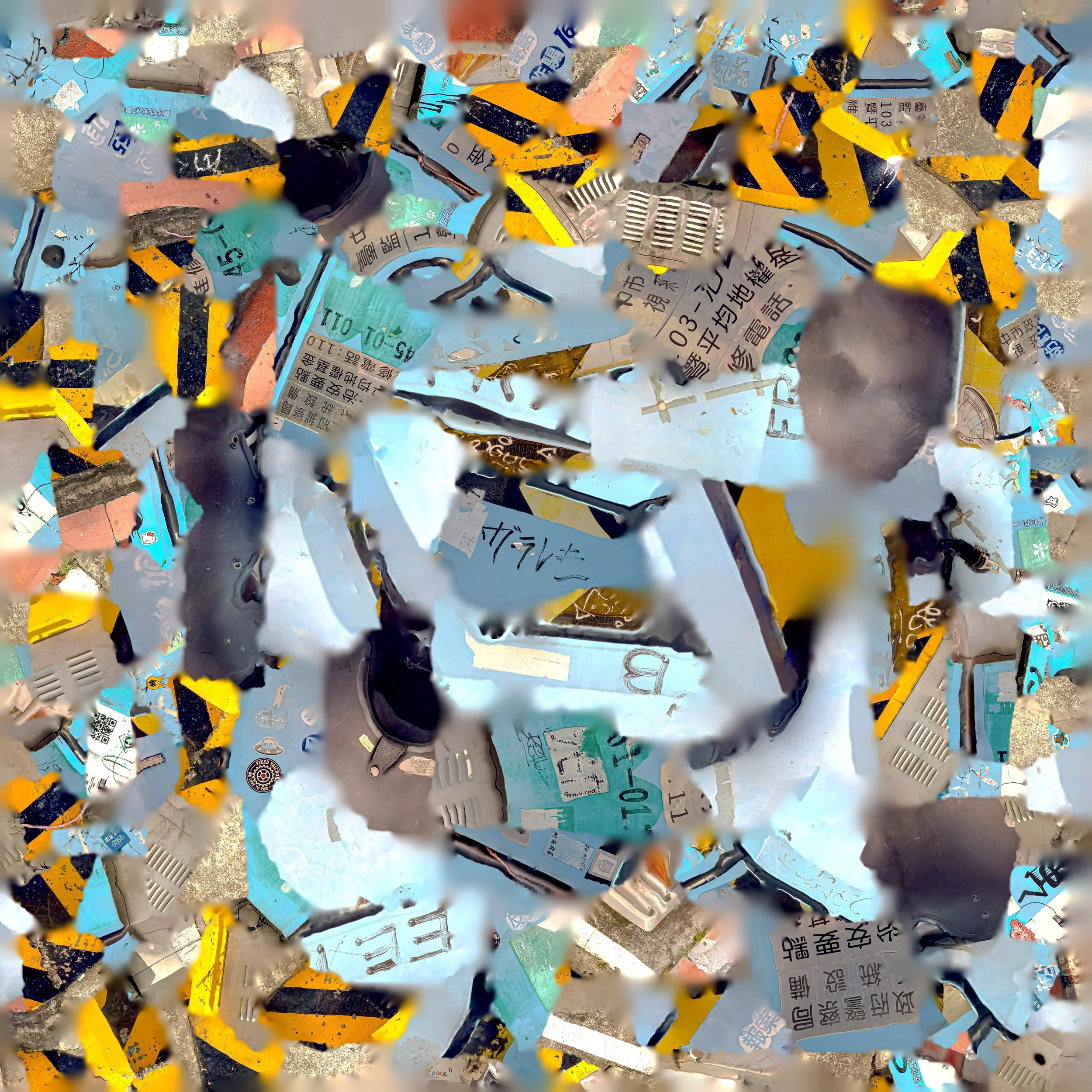
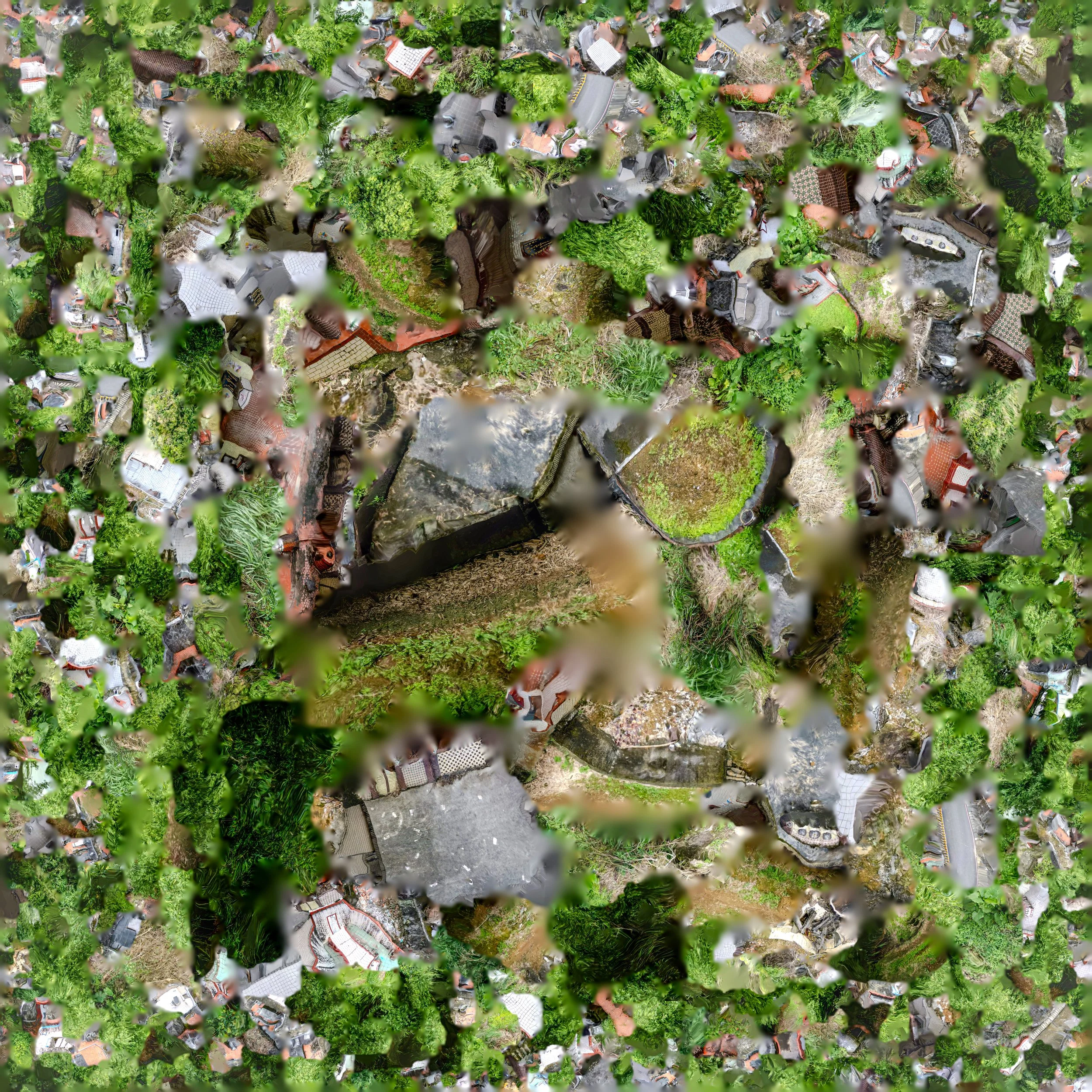
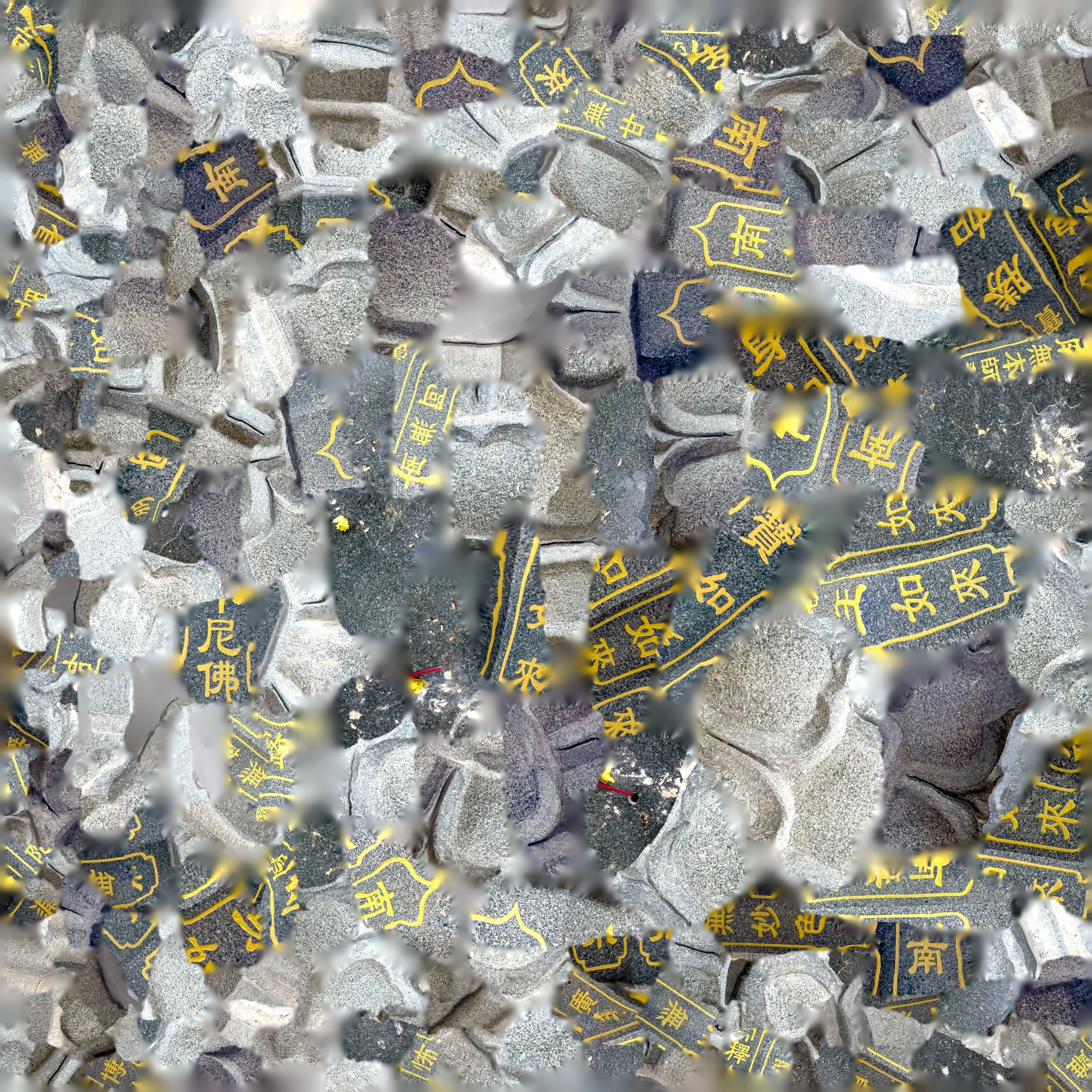
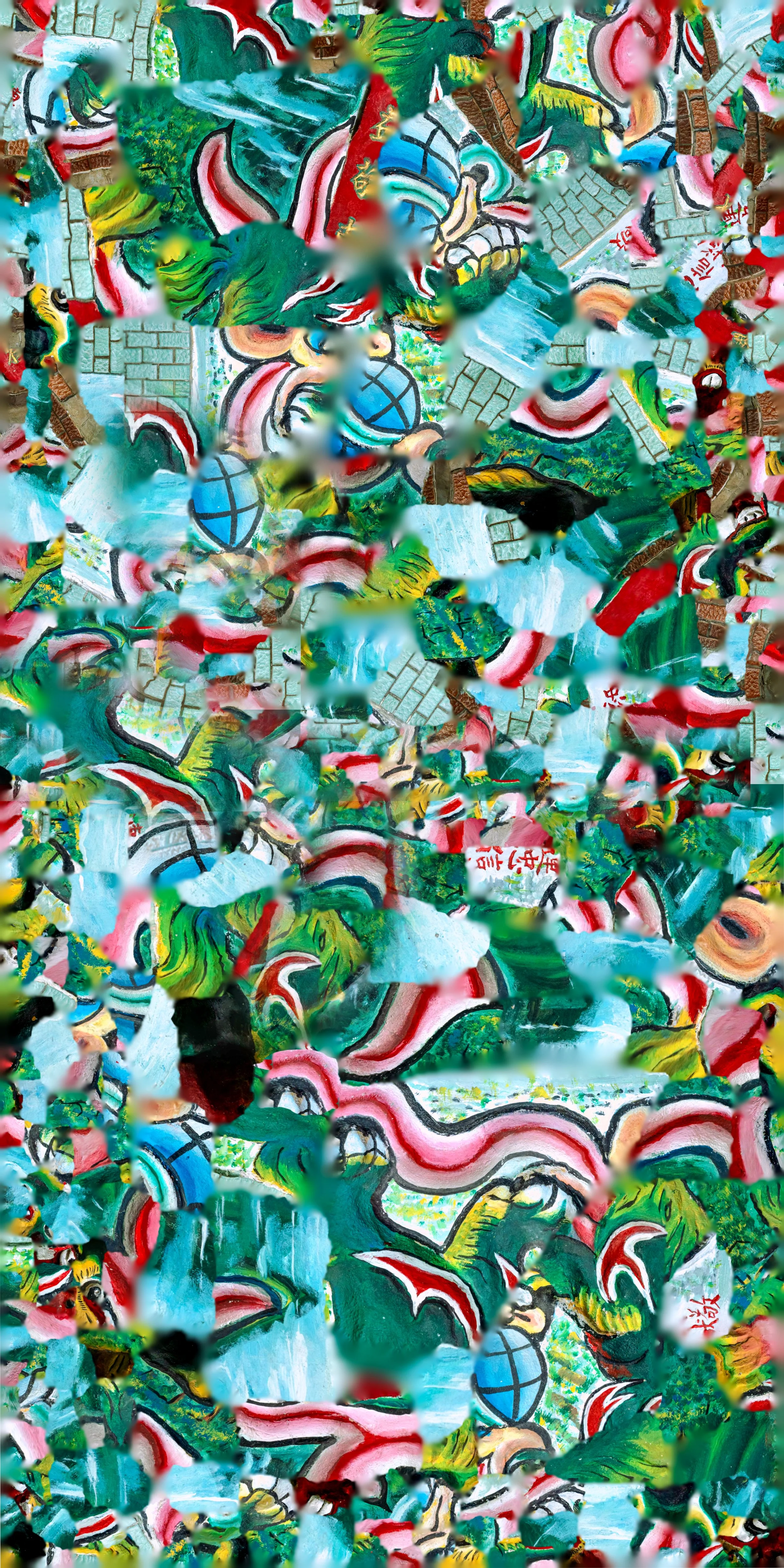
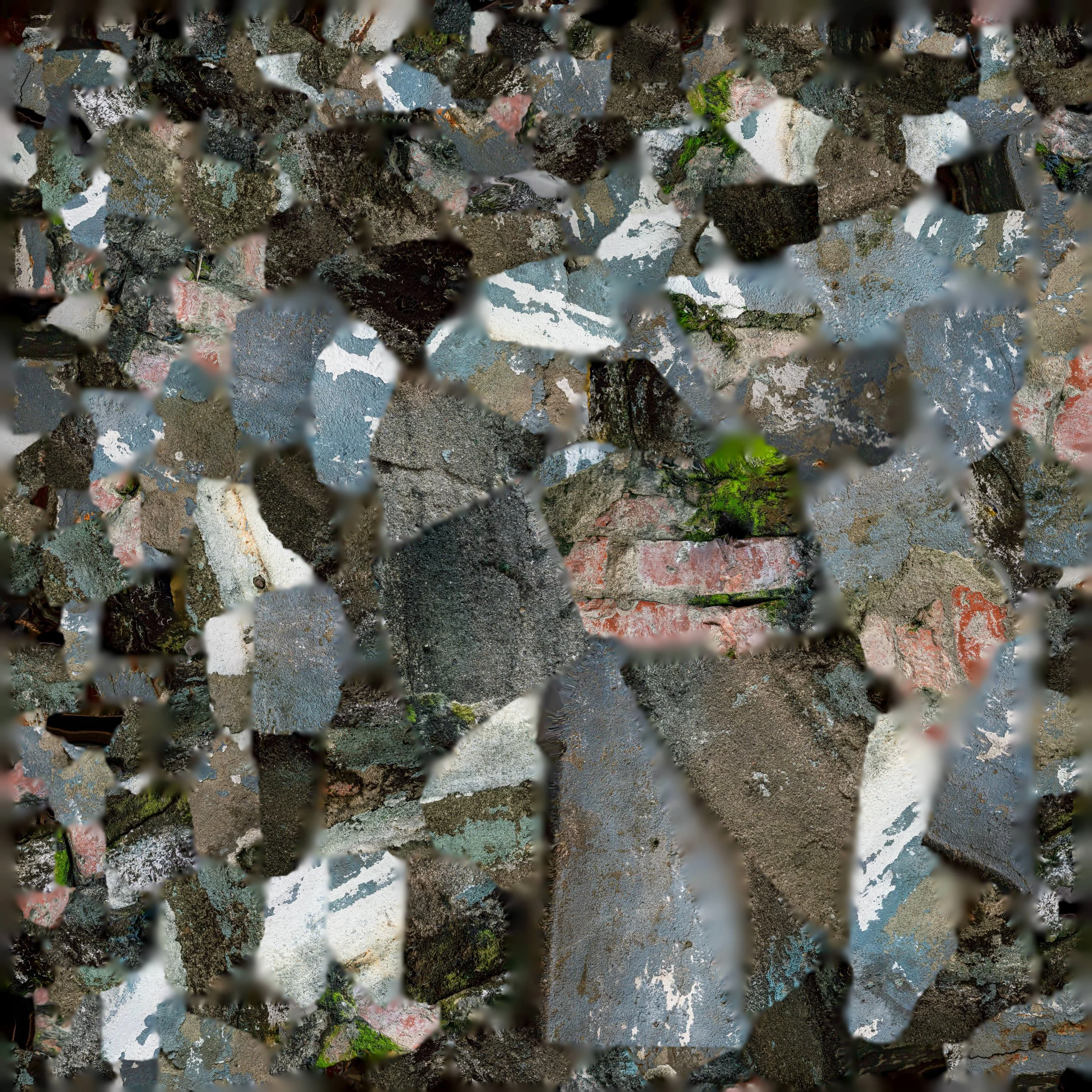
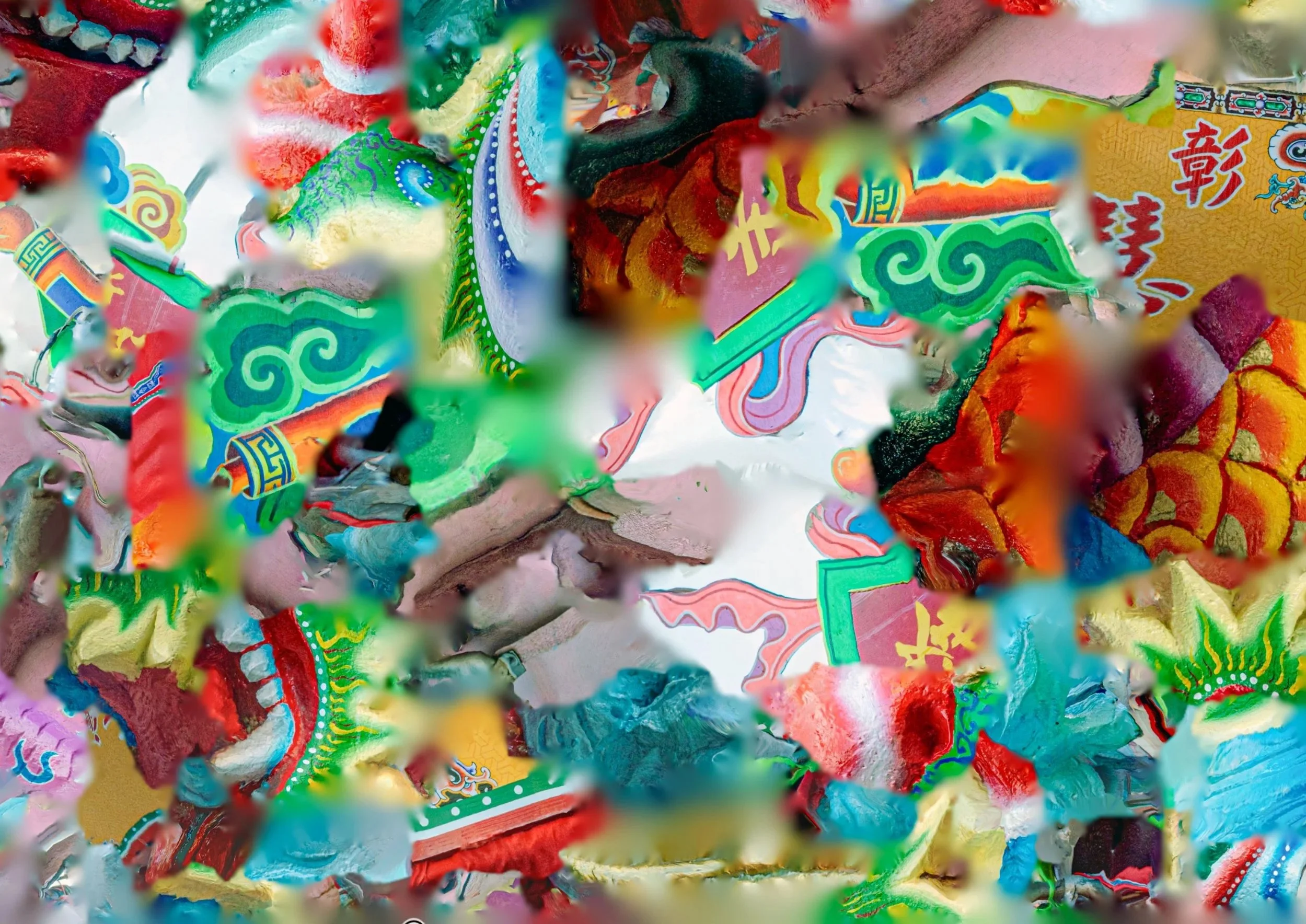
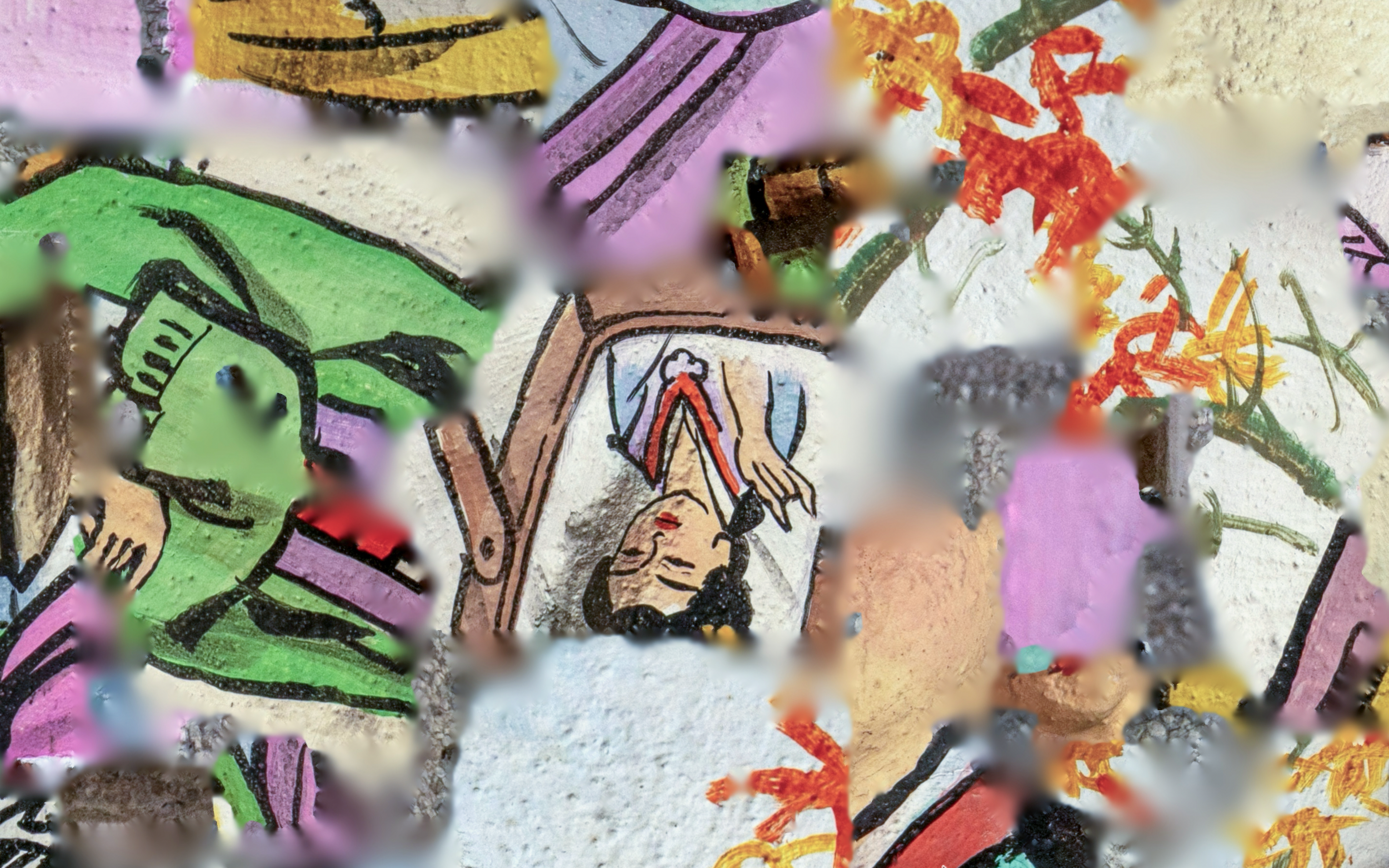
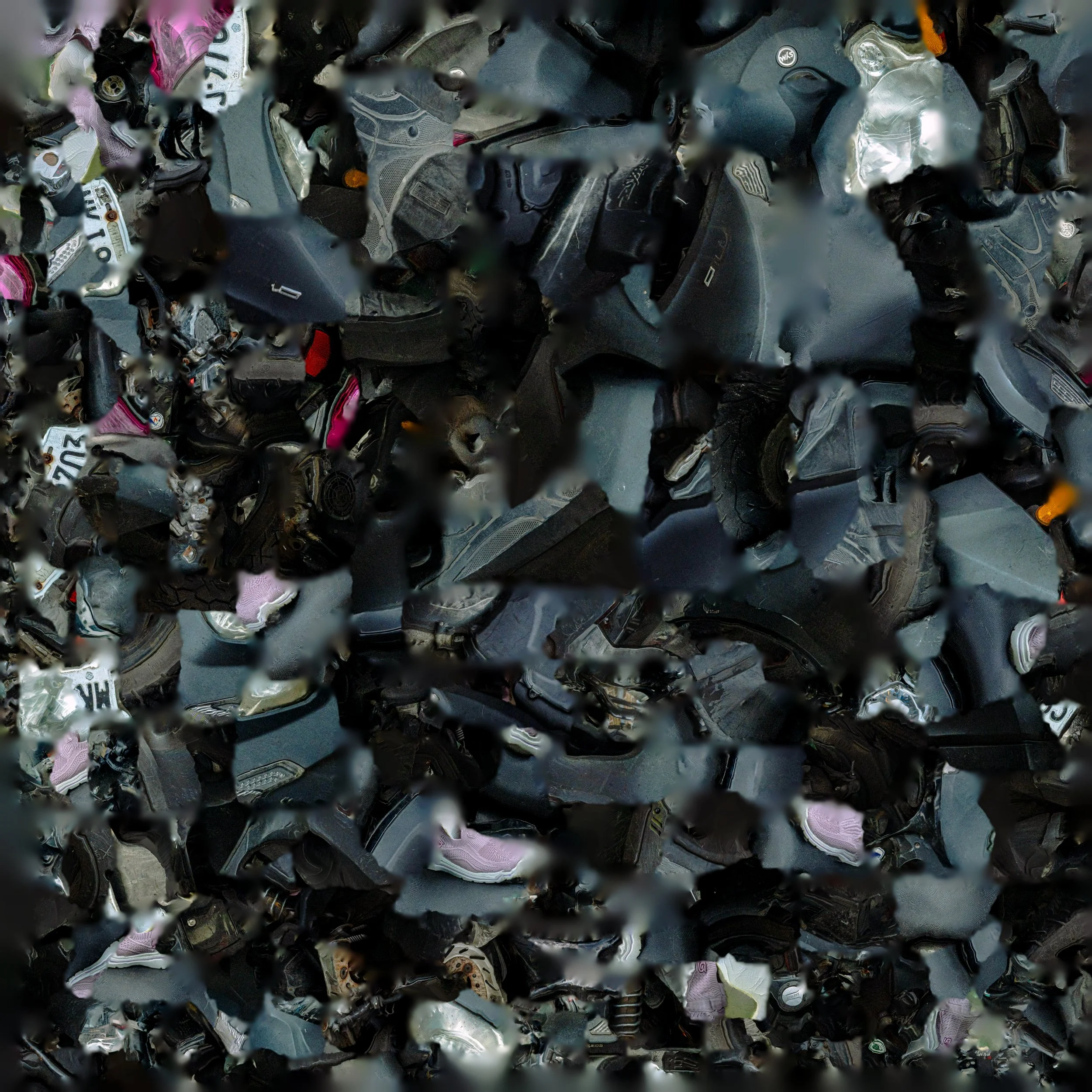
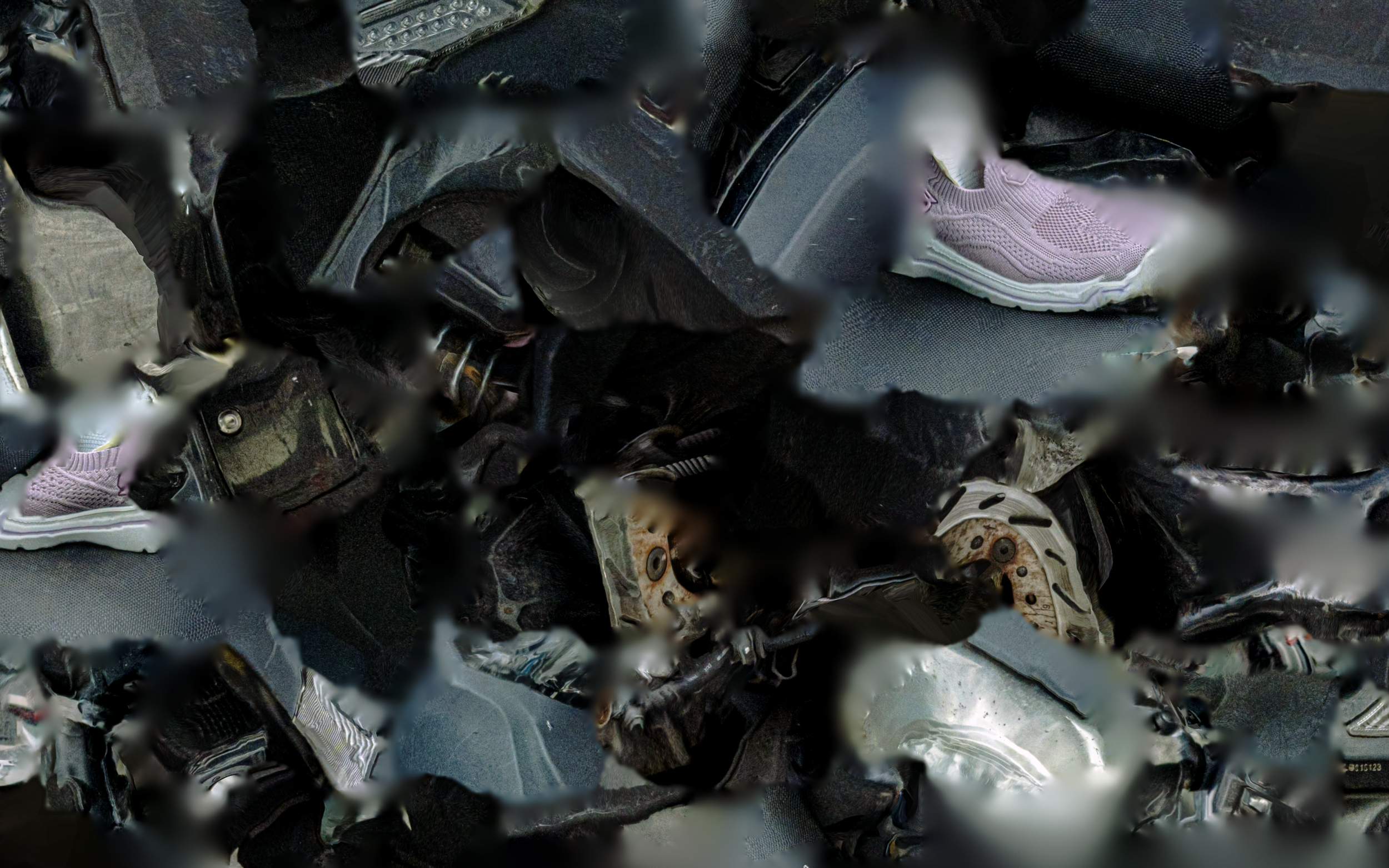
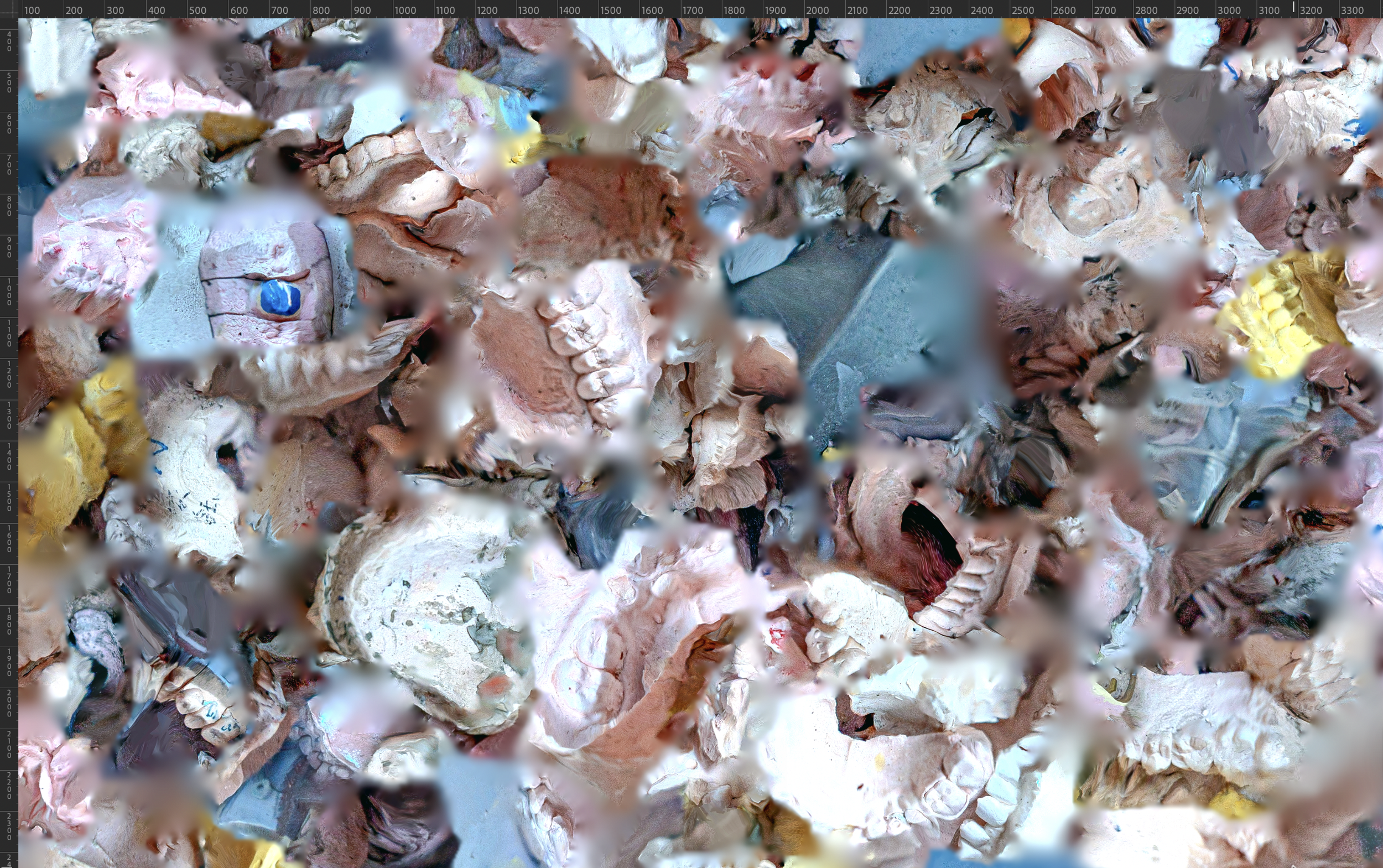
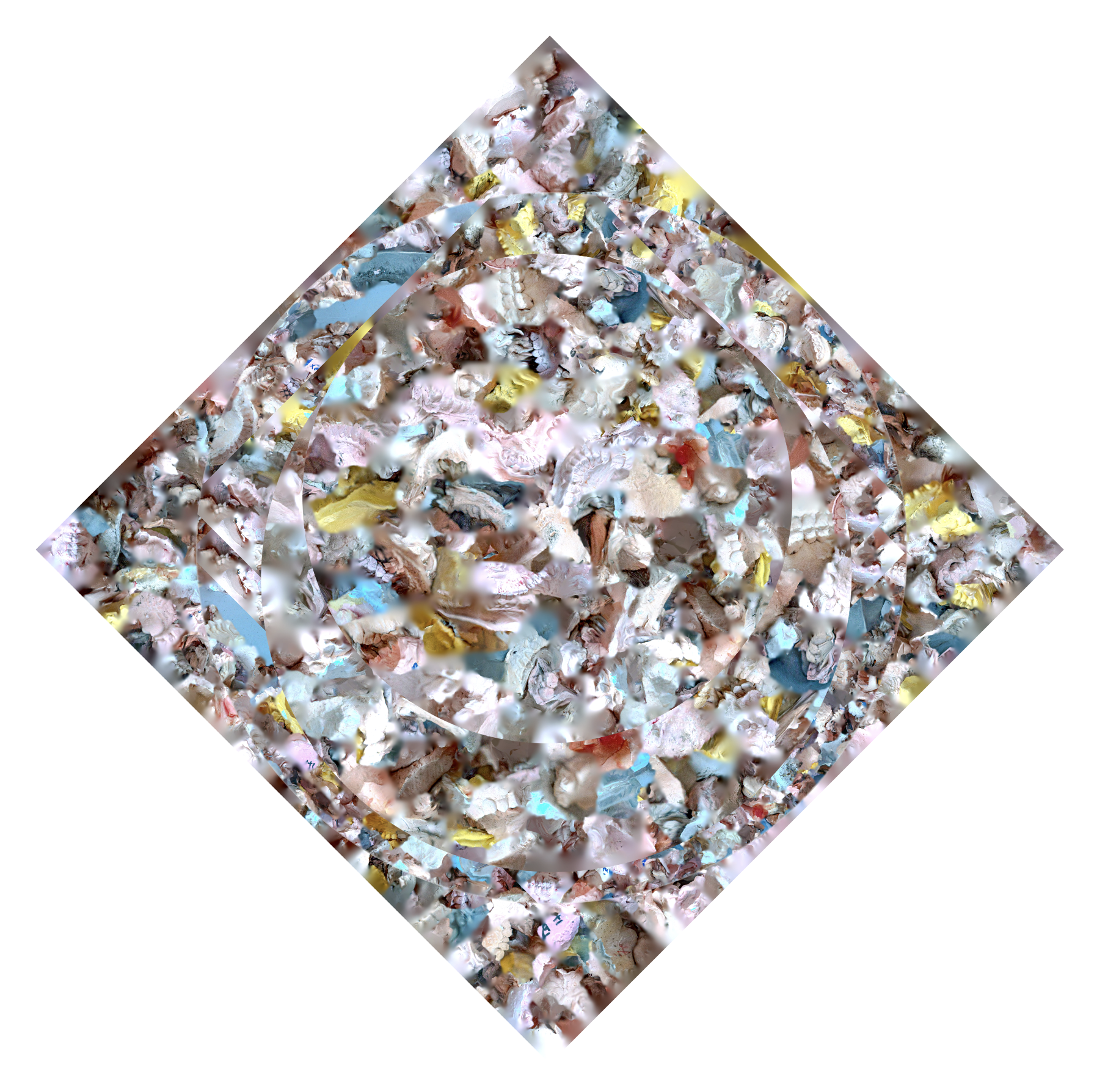
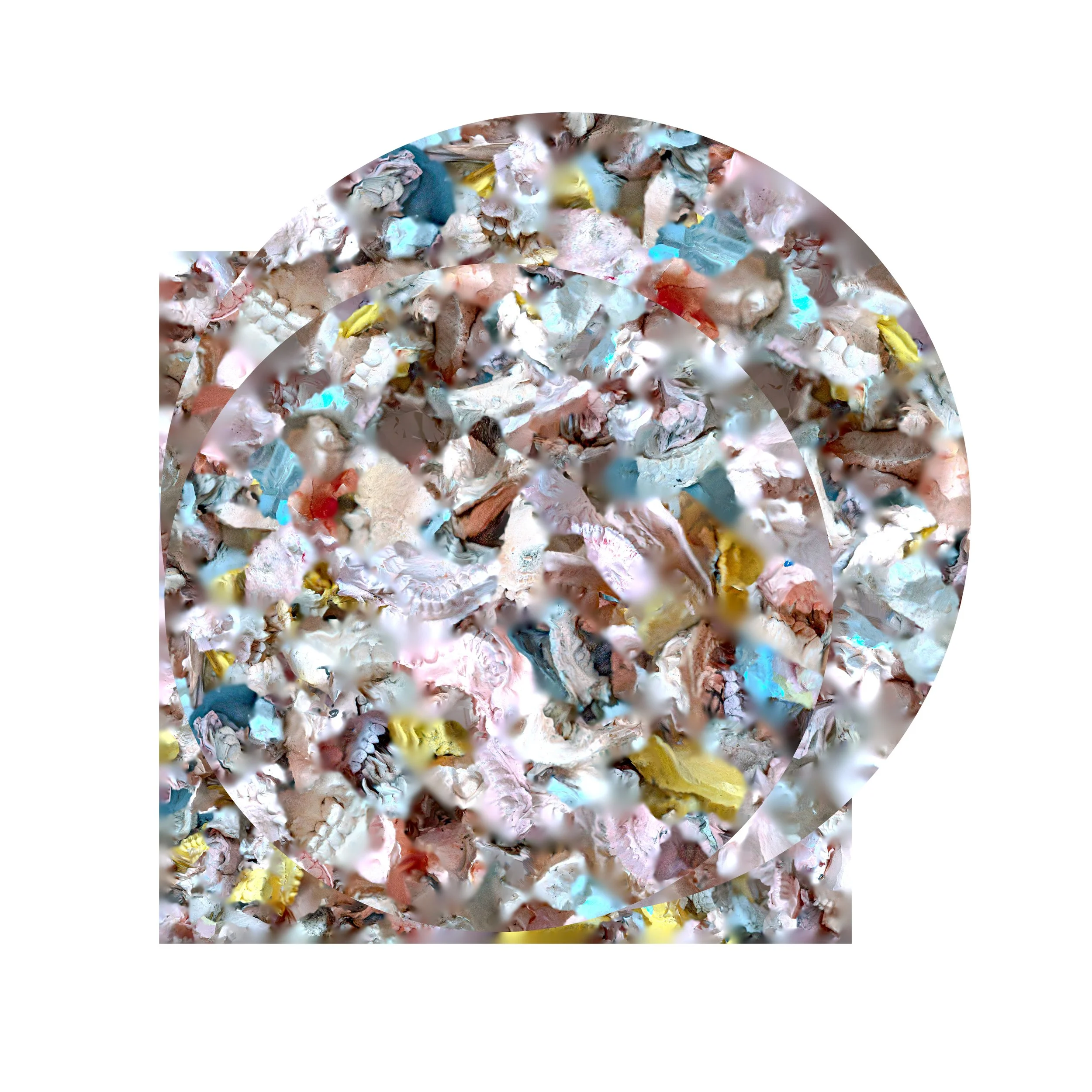
COLLAGE
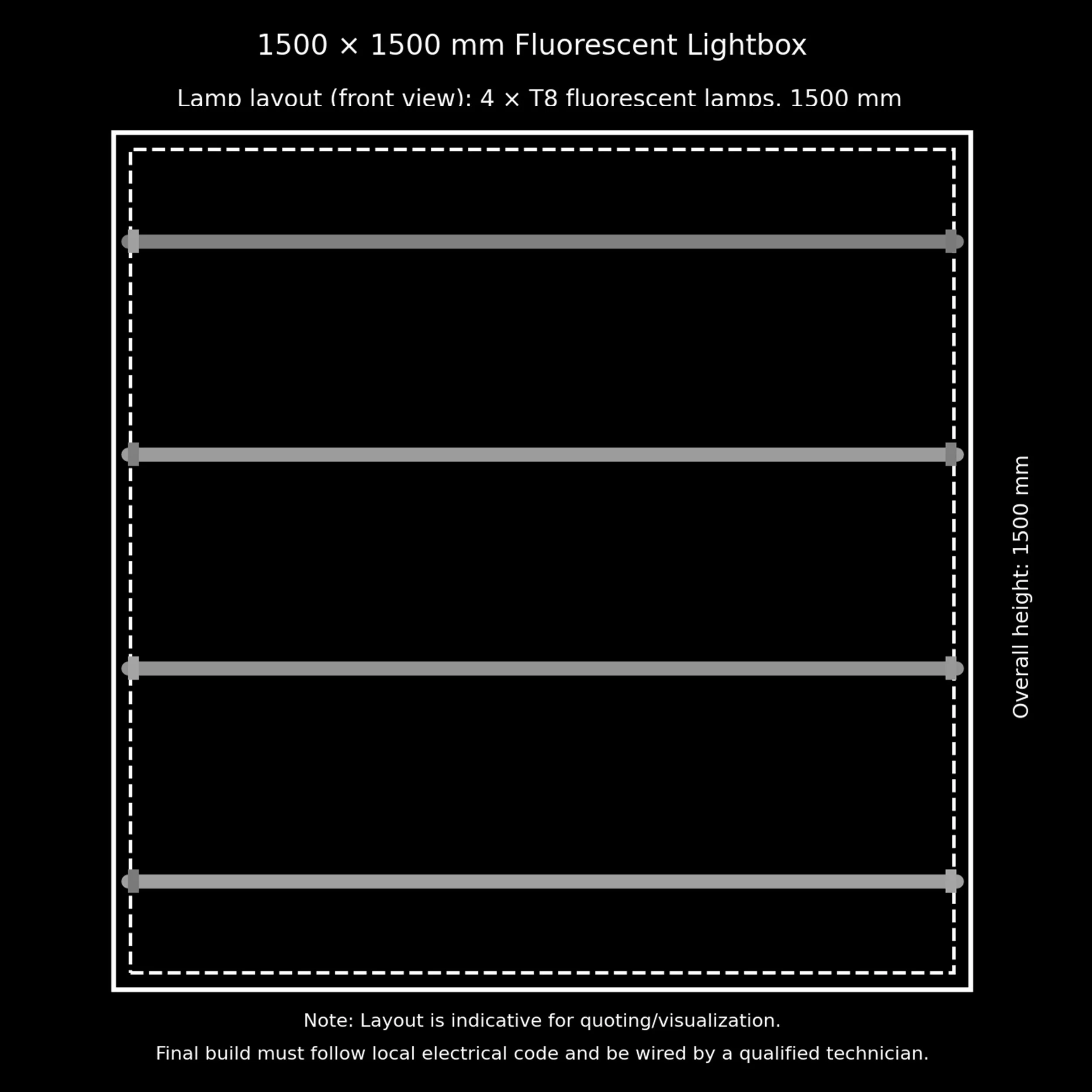
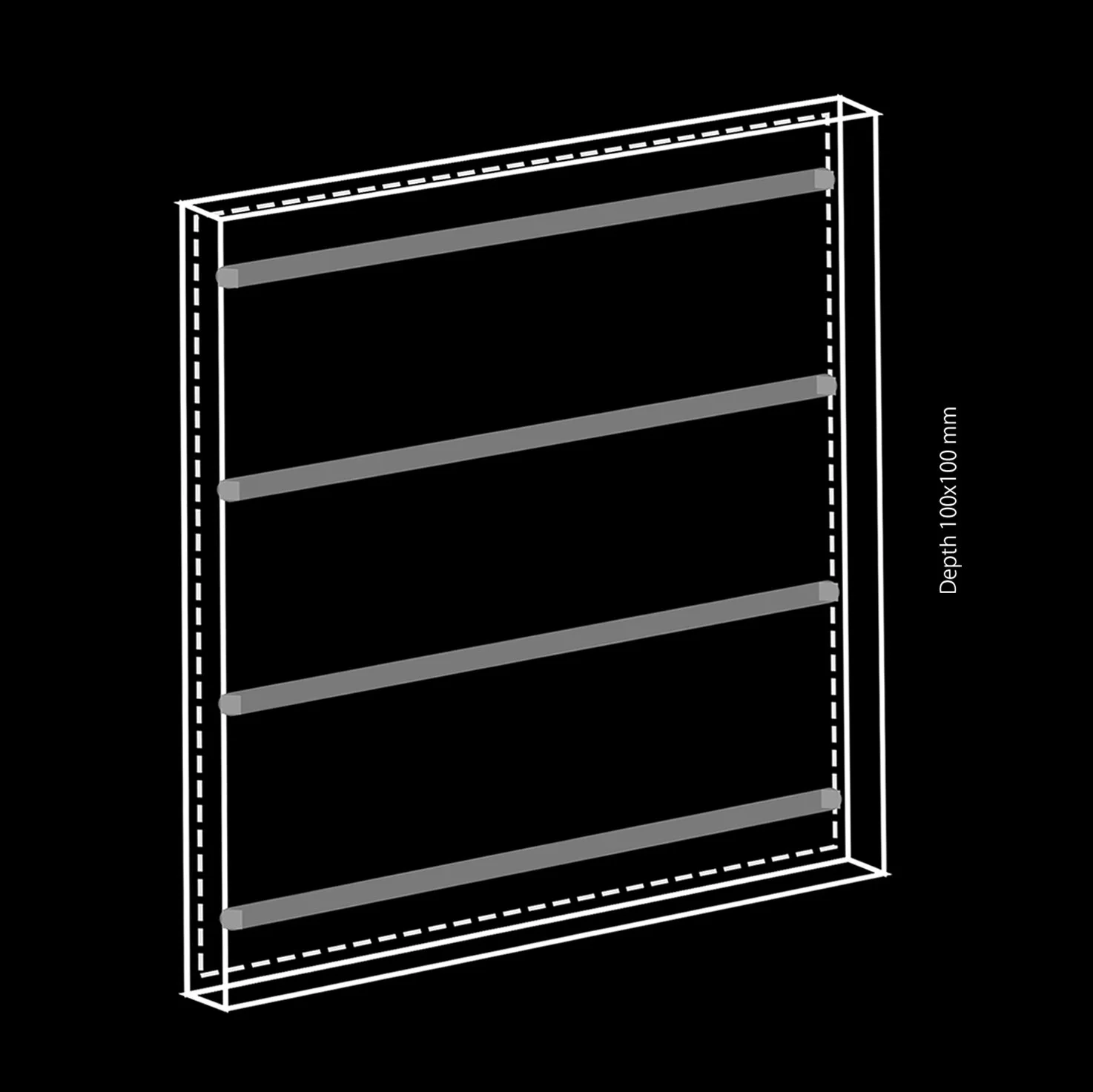
LIGHT BOX
Print Up To 700 x 700cm, 300DP, Variable Lightbox Dimensions




















PHOTO
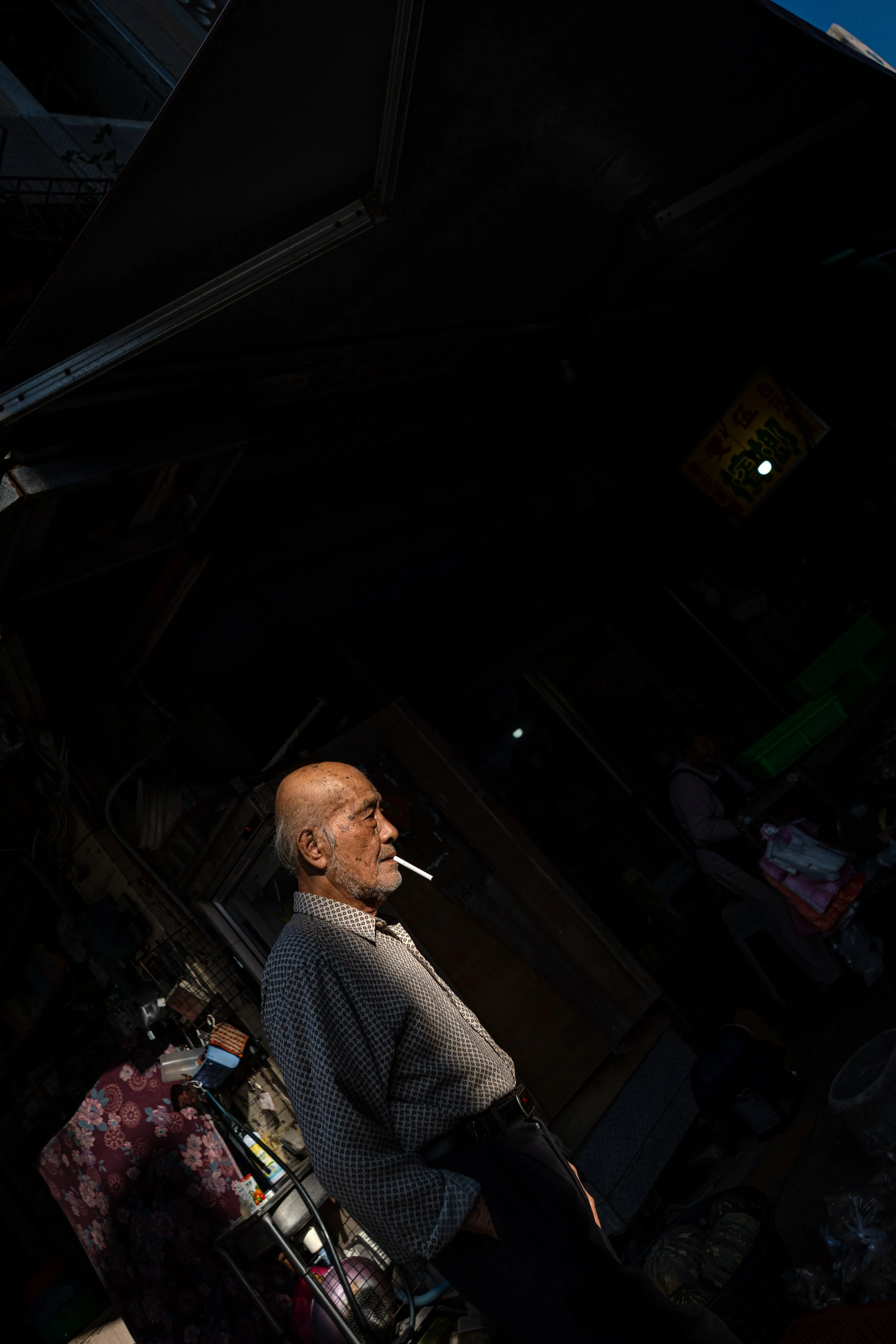
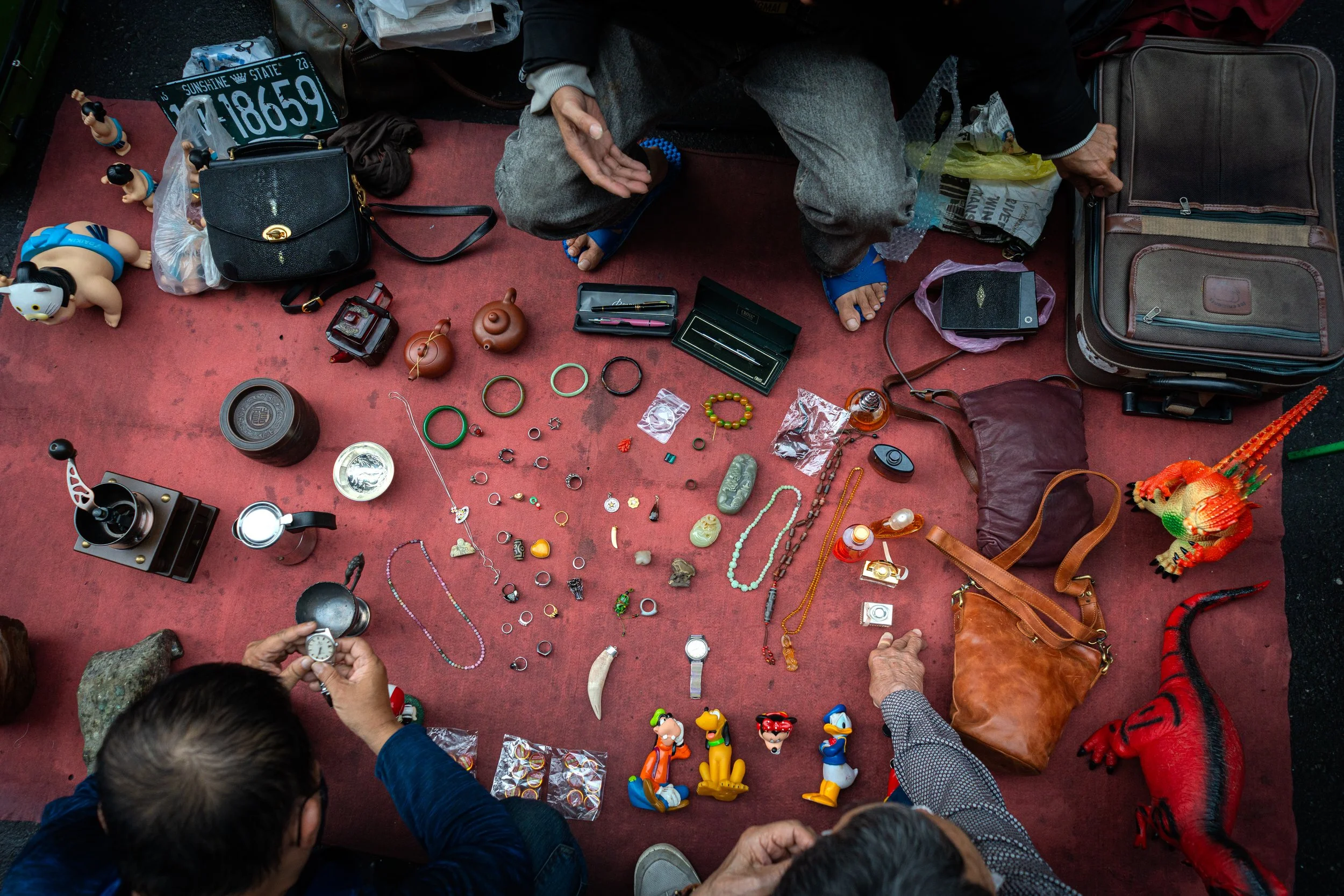
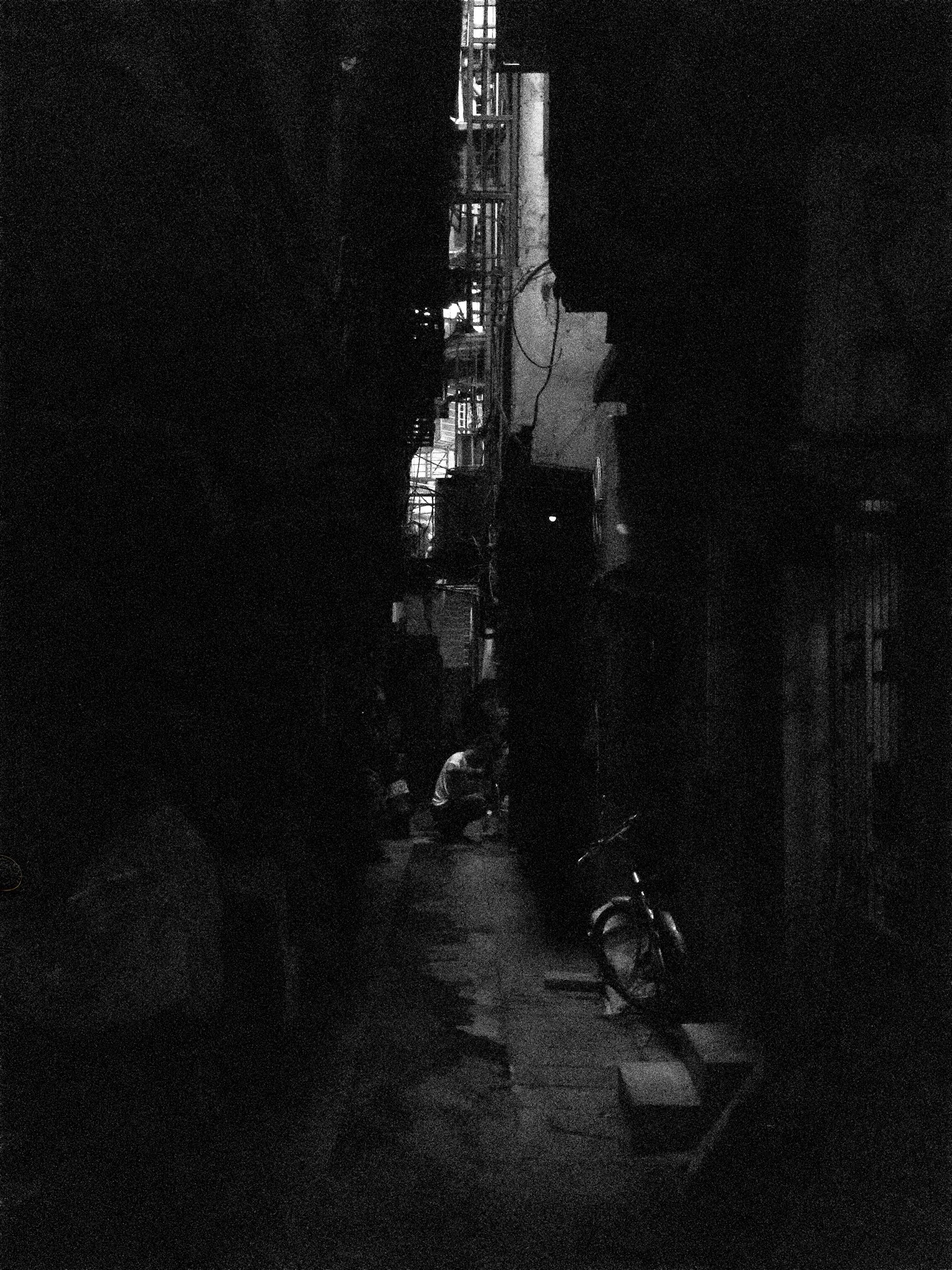
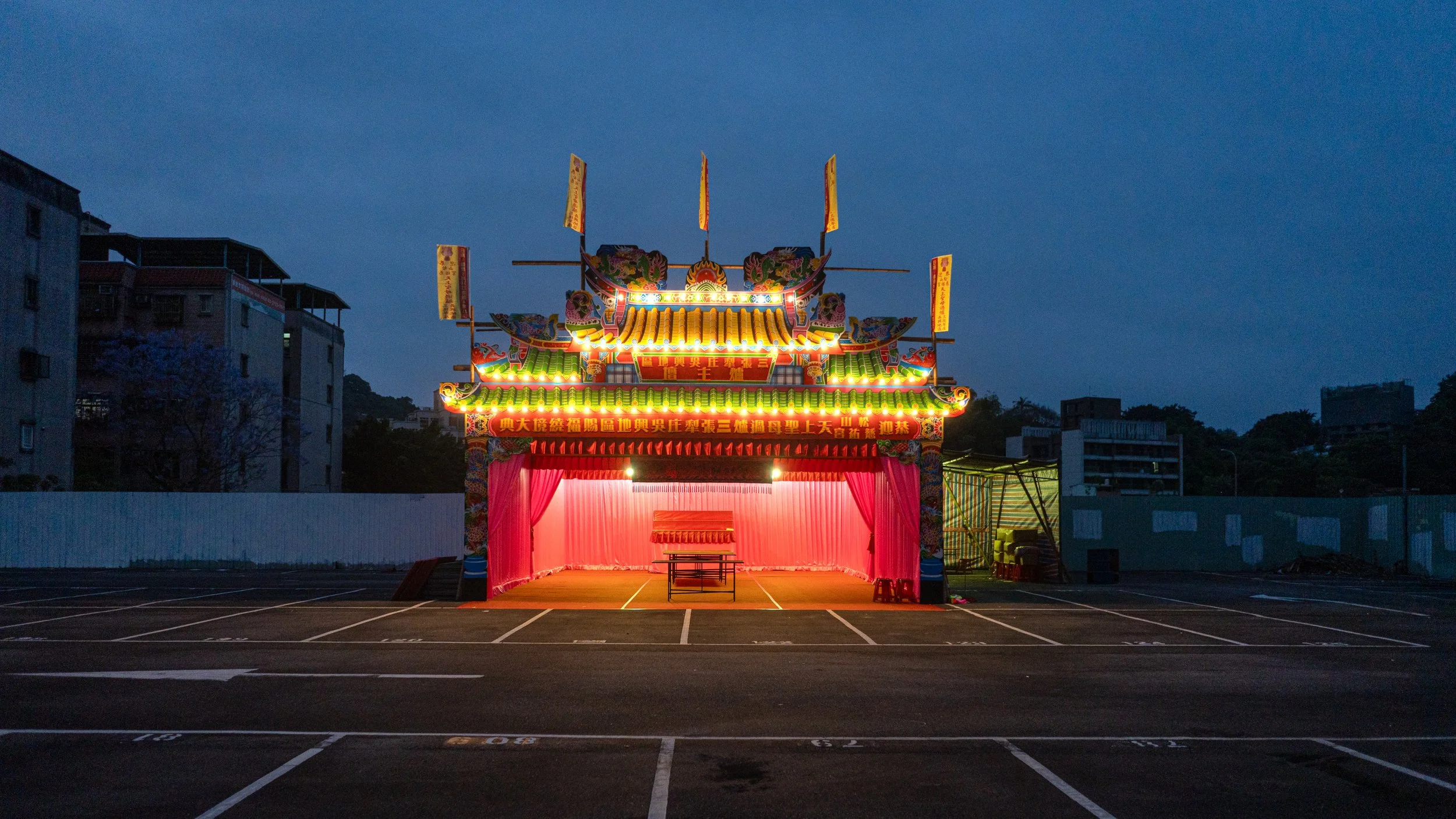
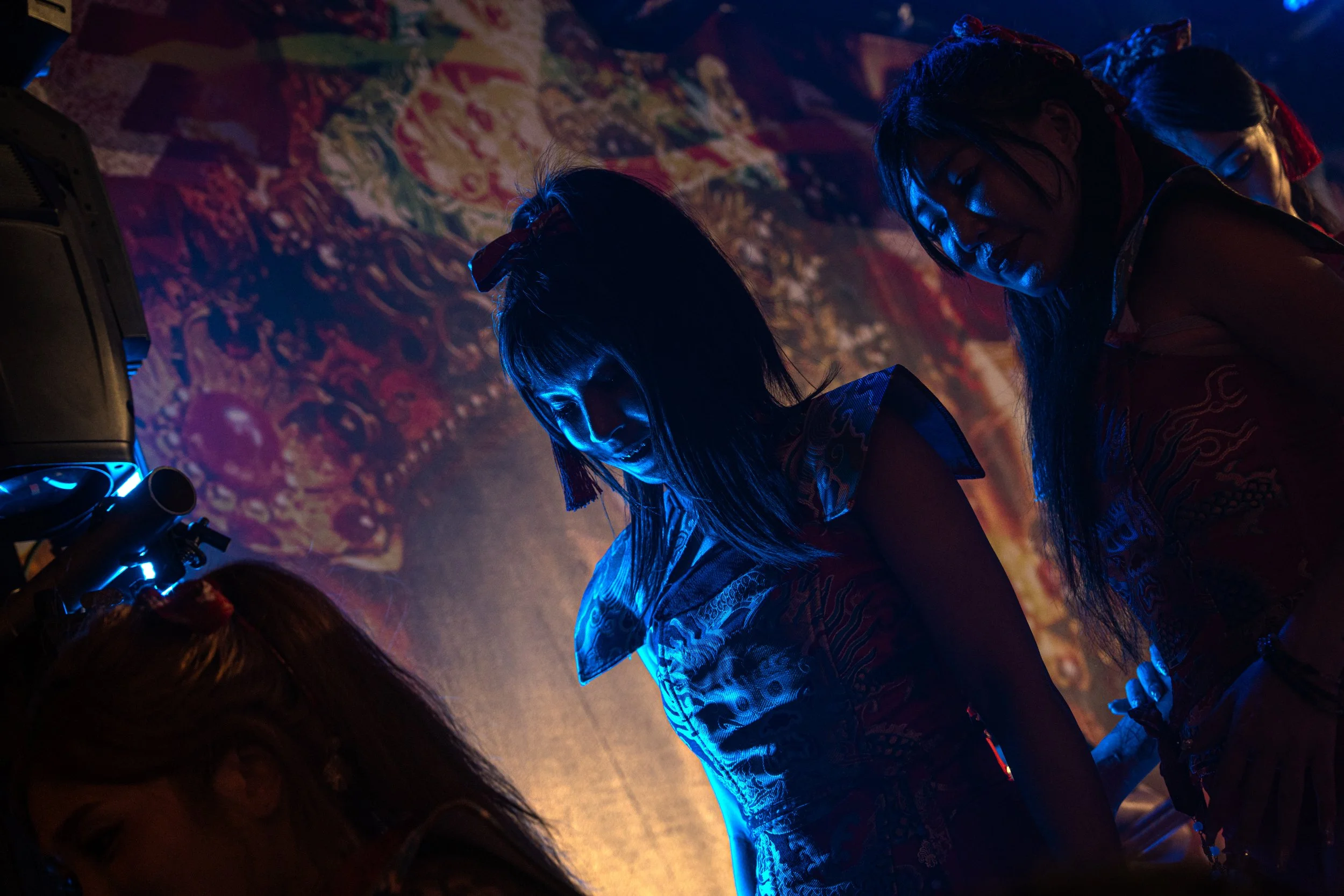
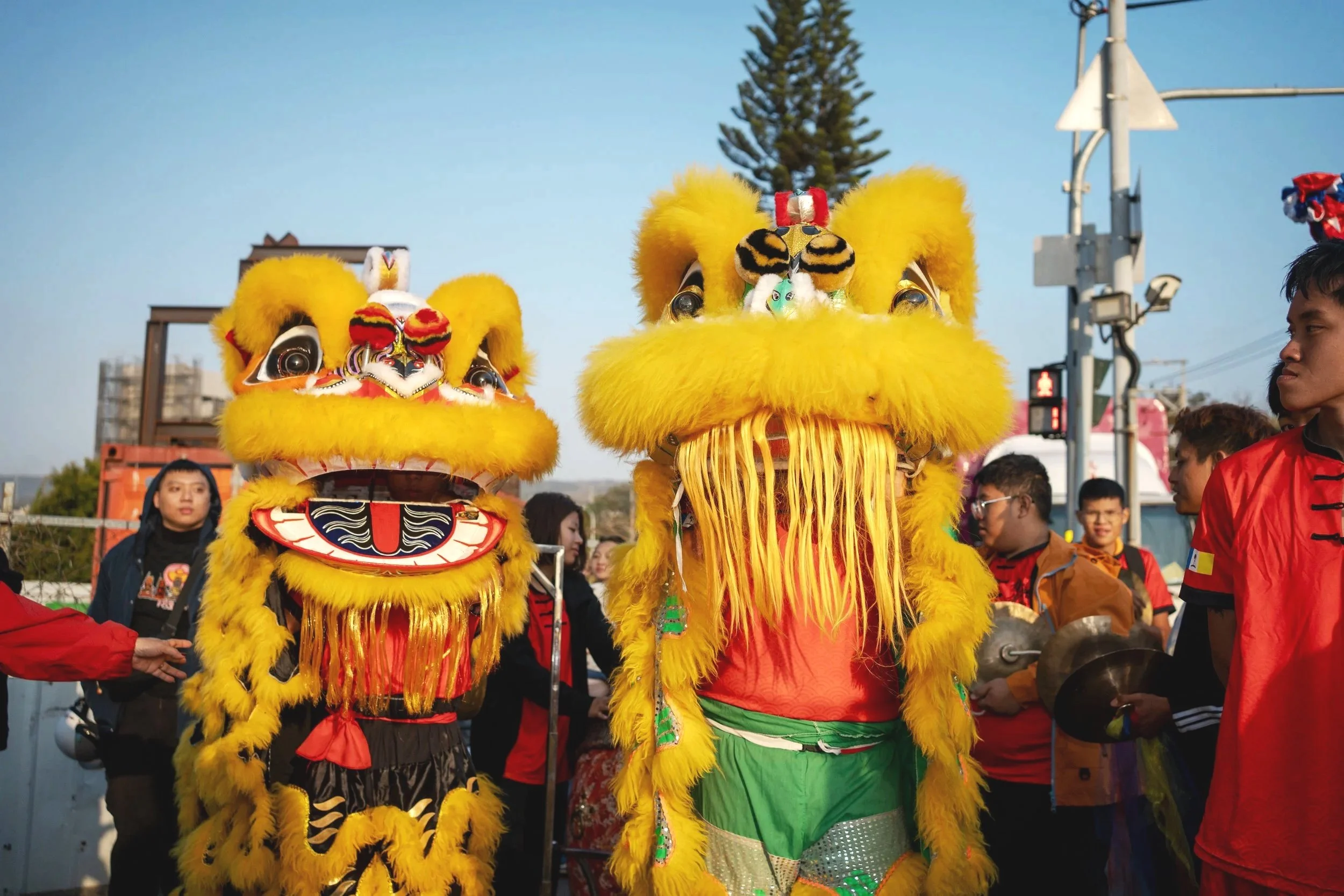
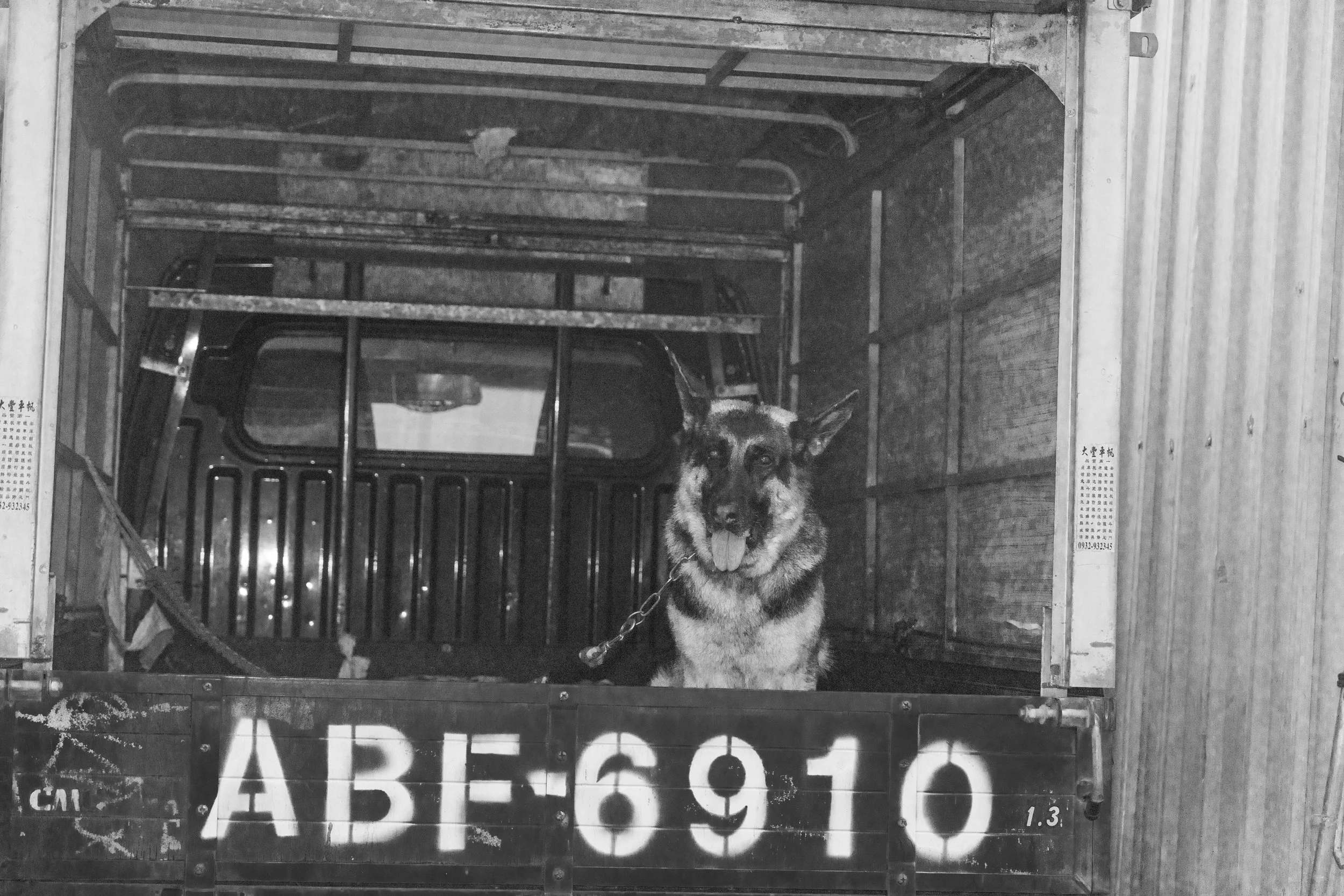
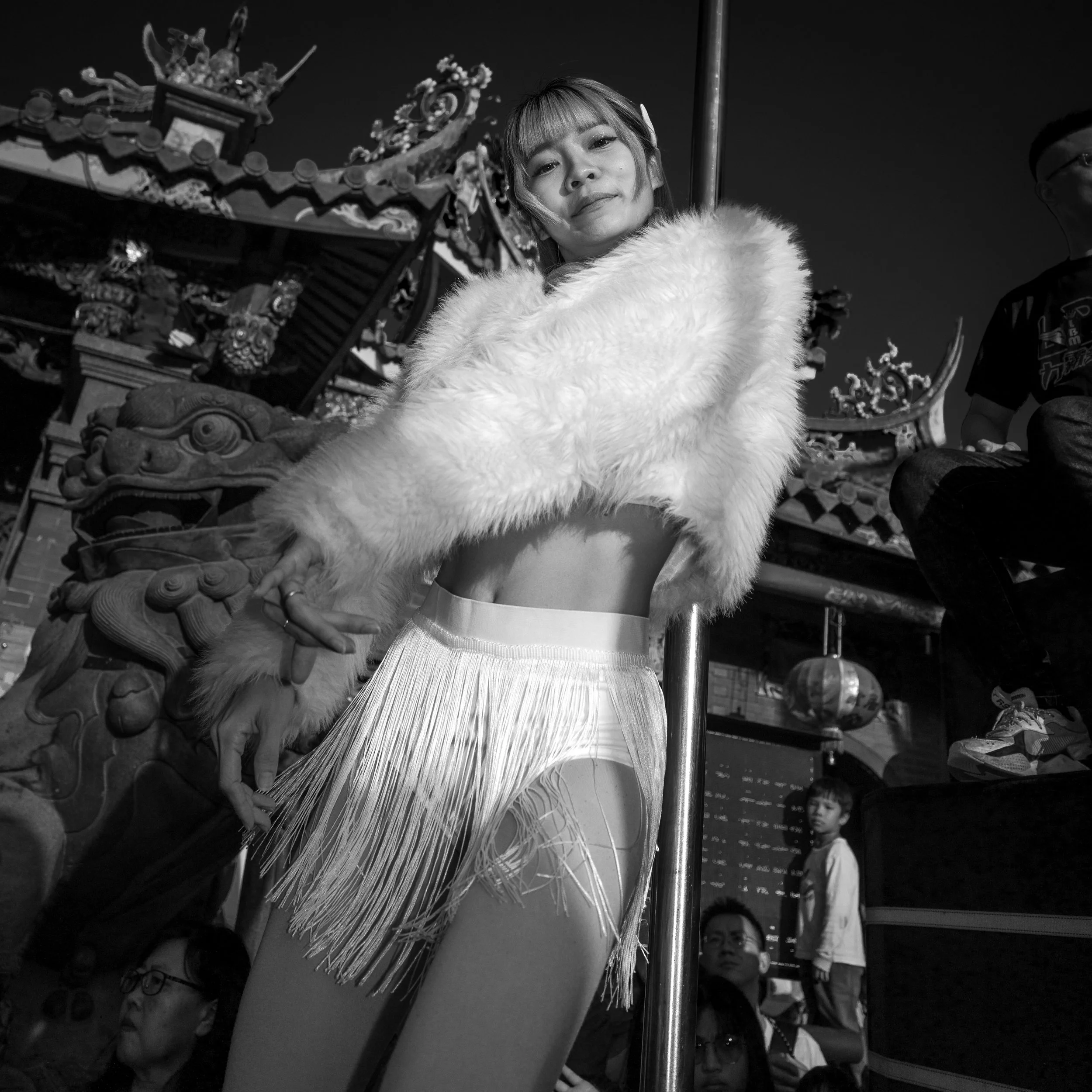
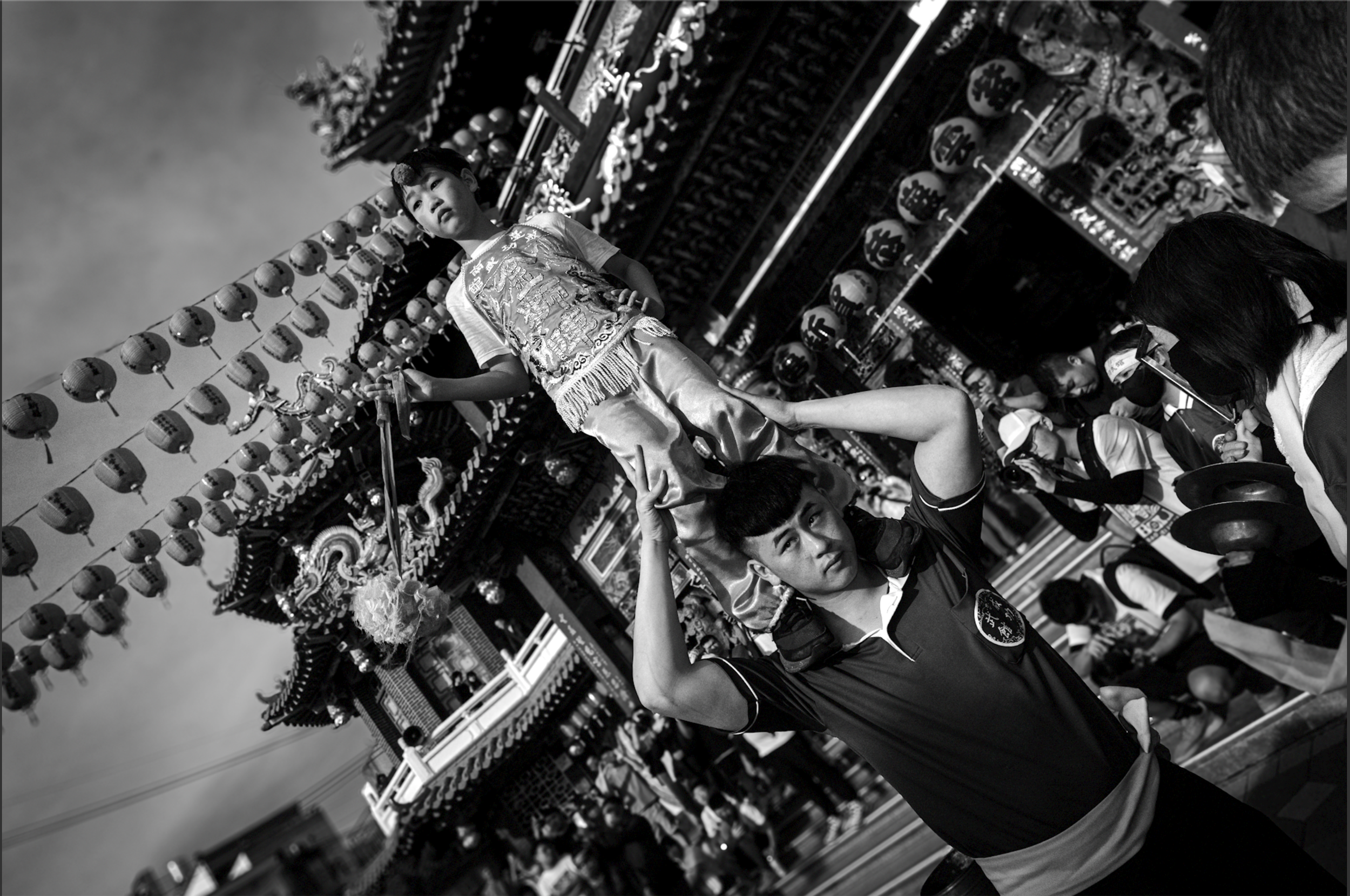
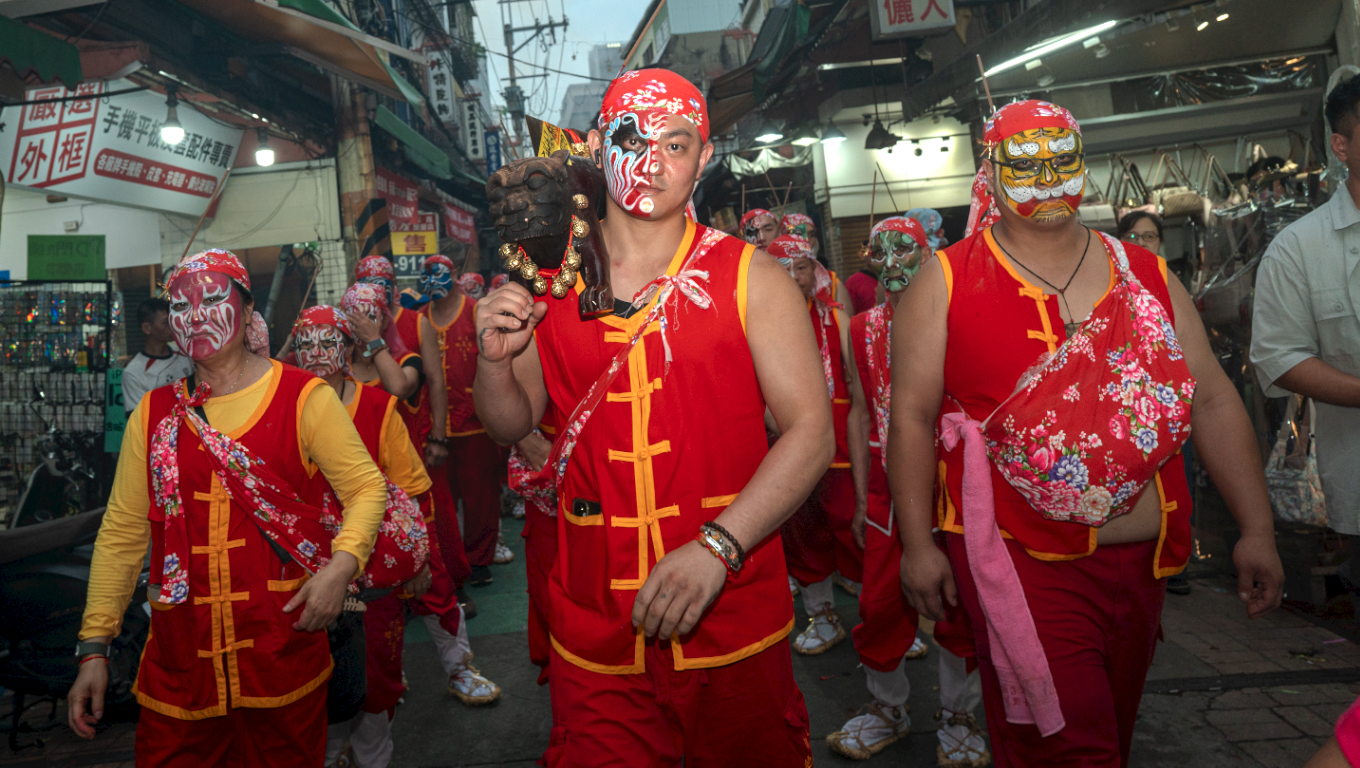
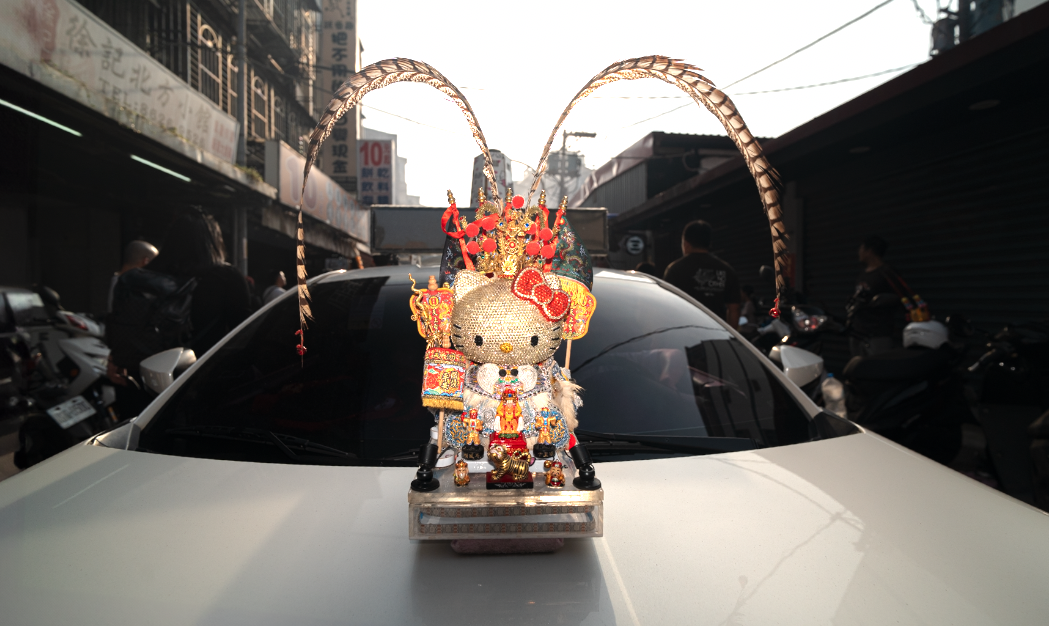
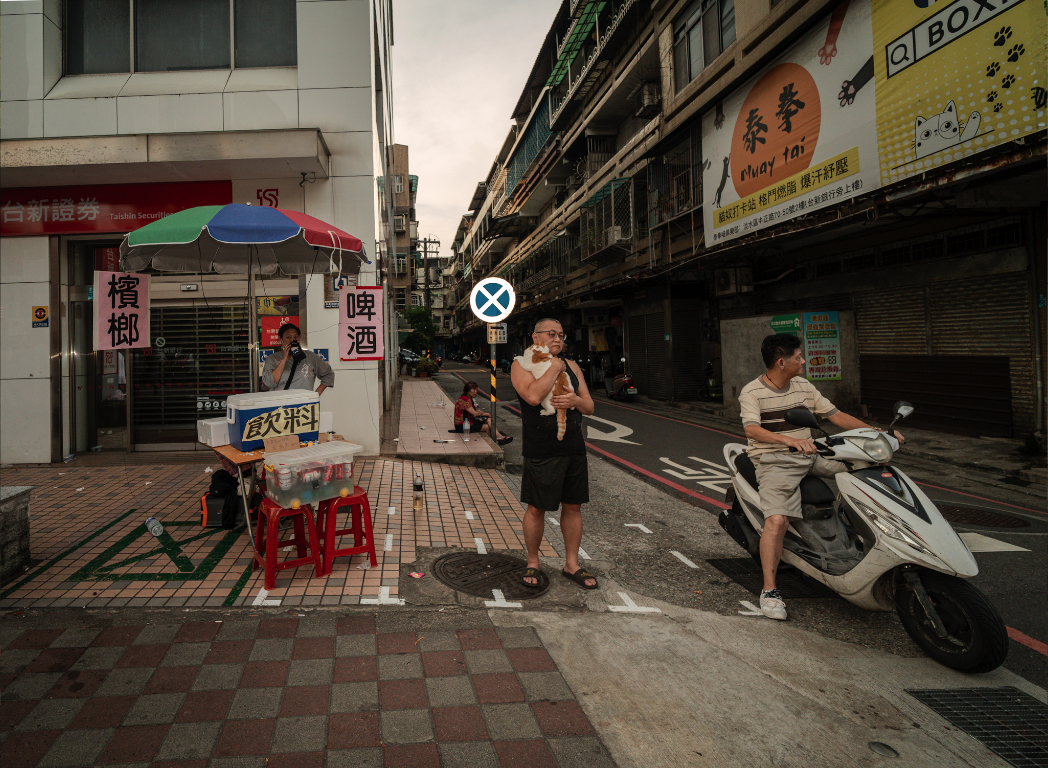
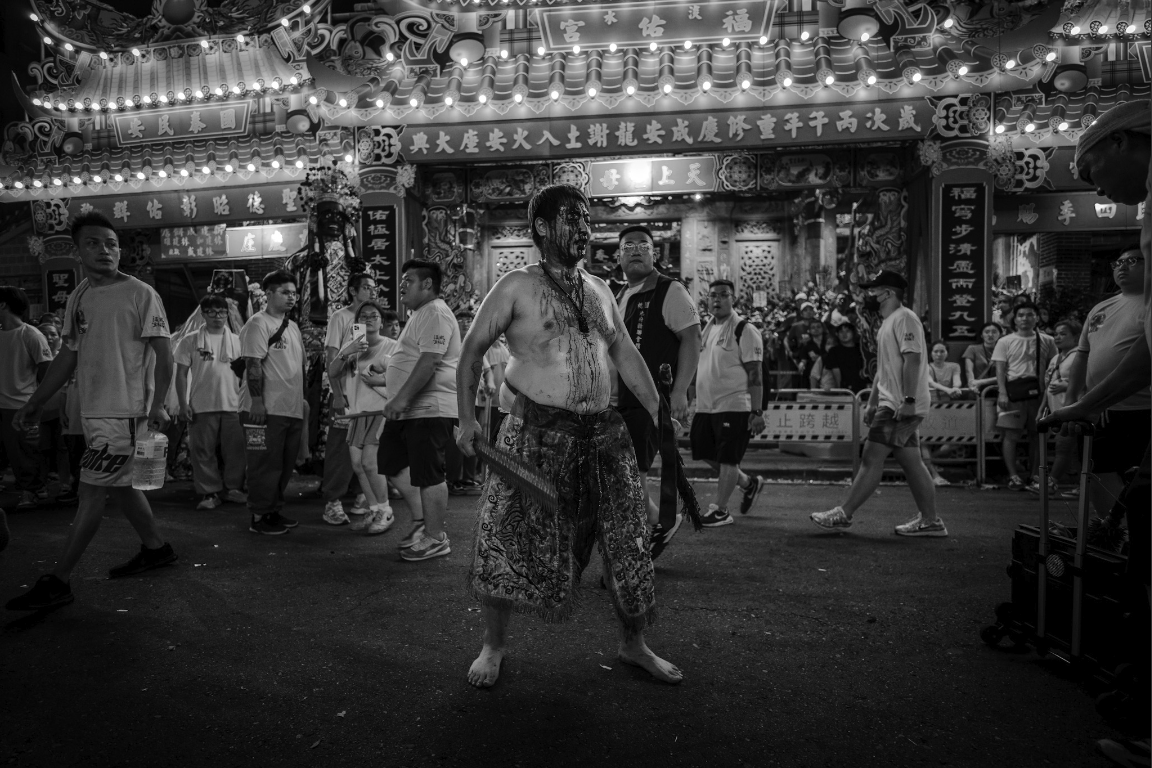
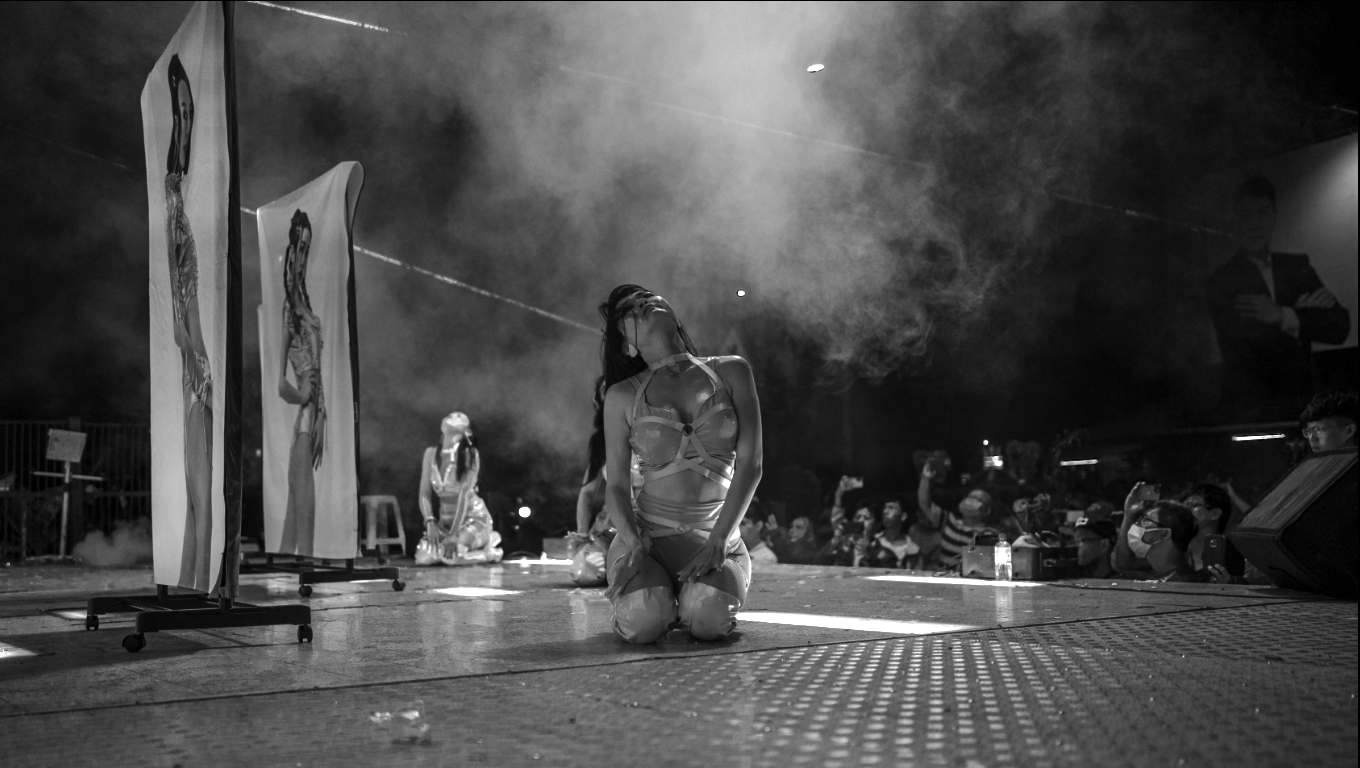
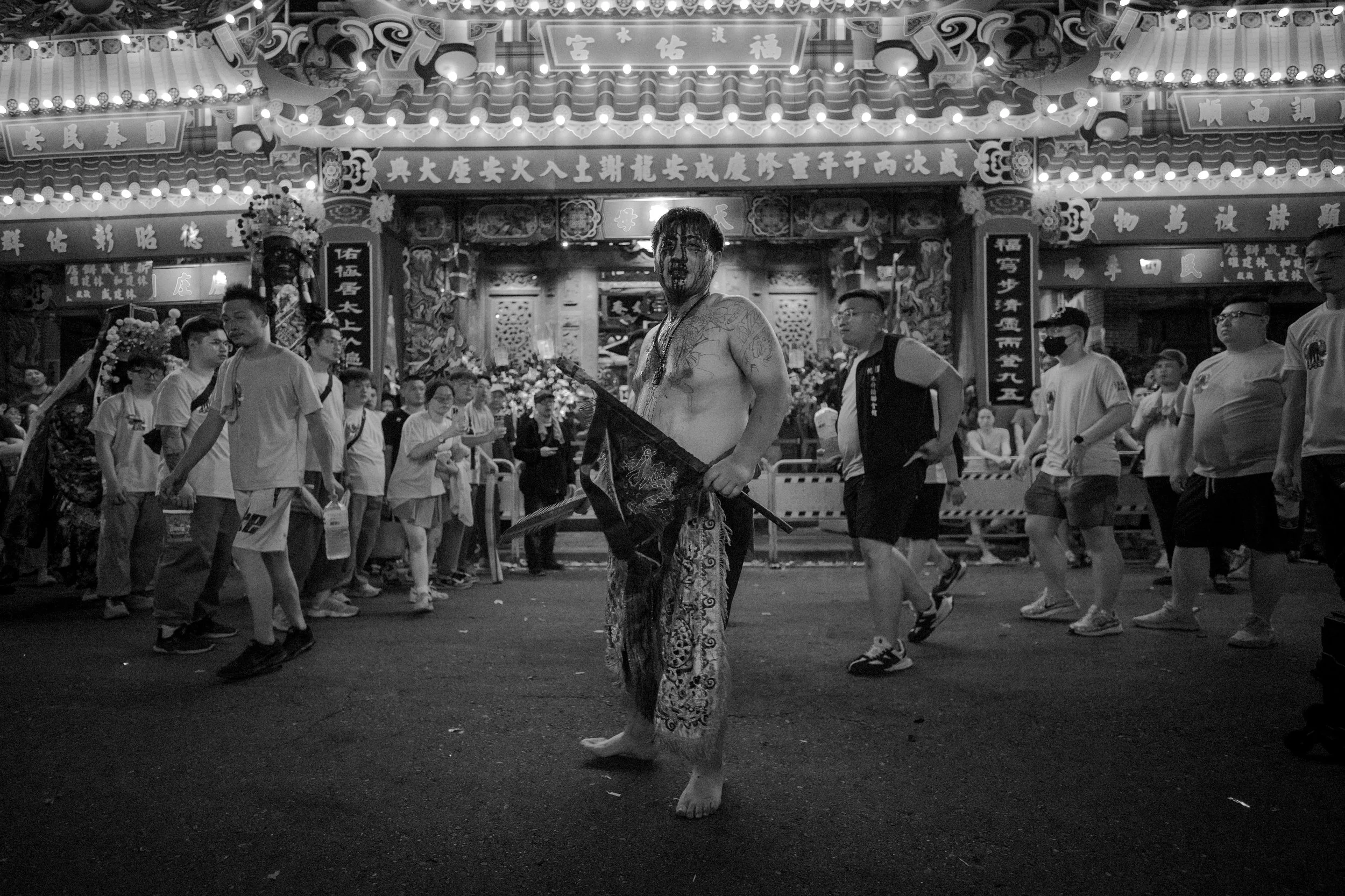
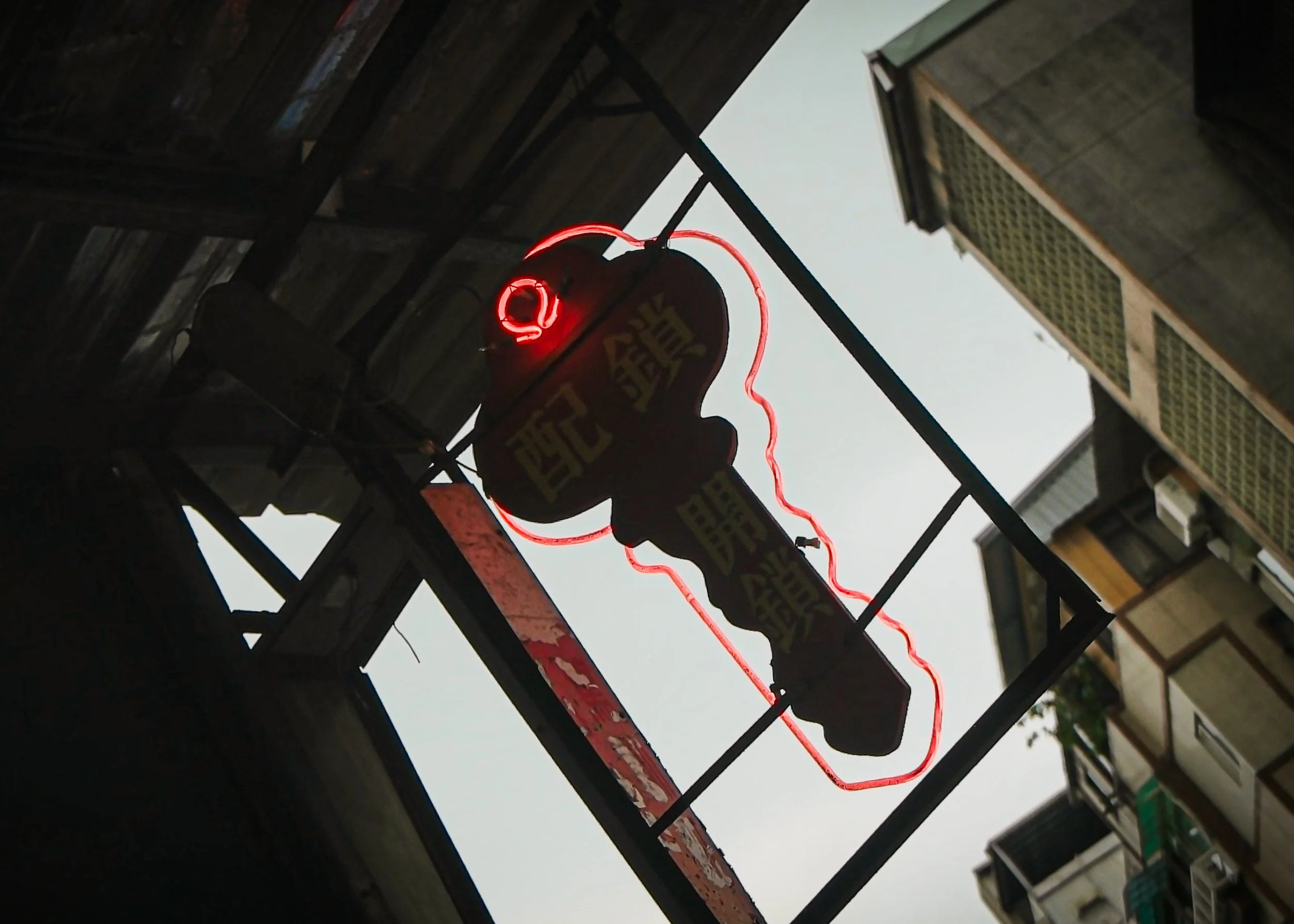
Street Photography
Print Up To 120 x 80cm, 300DPI











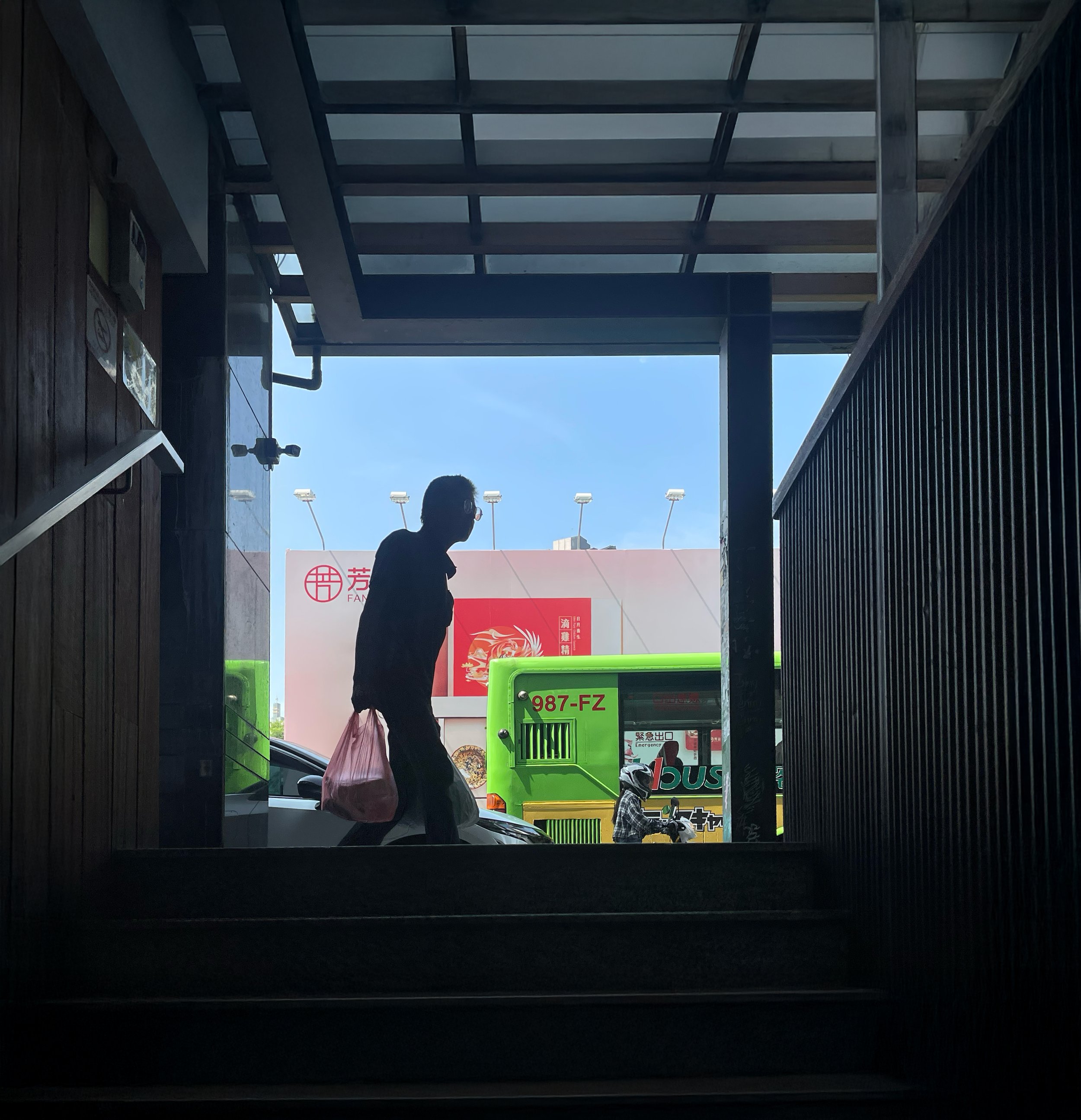

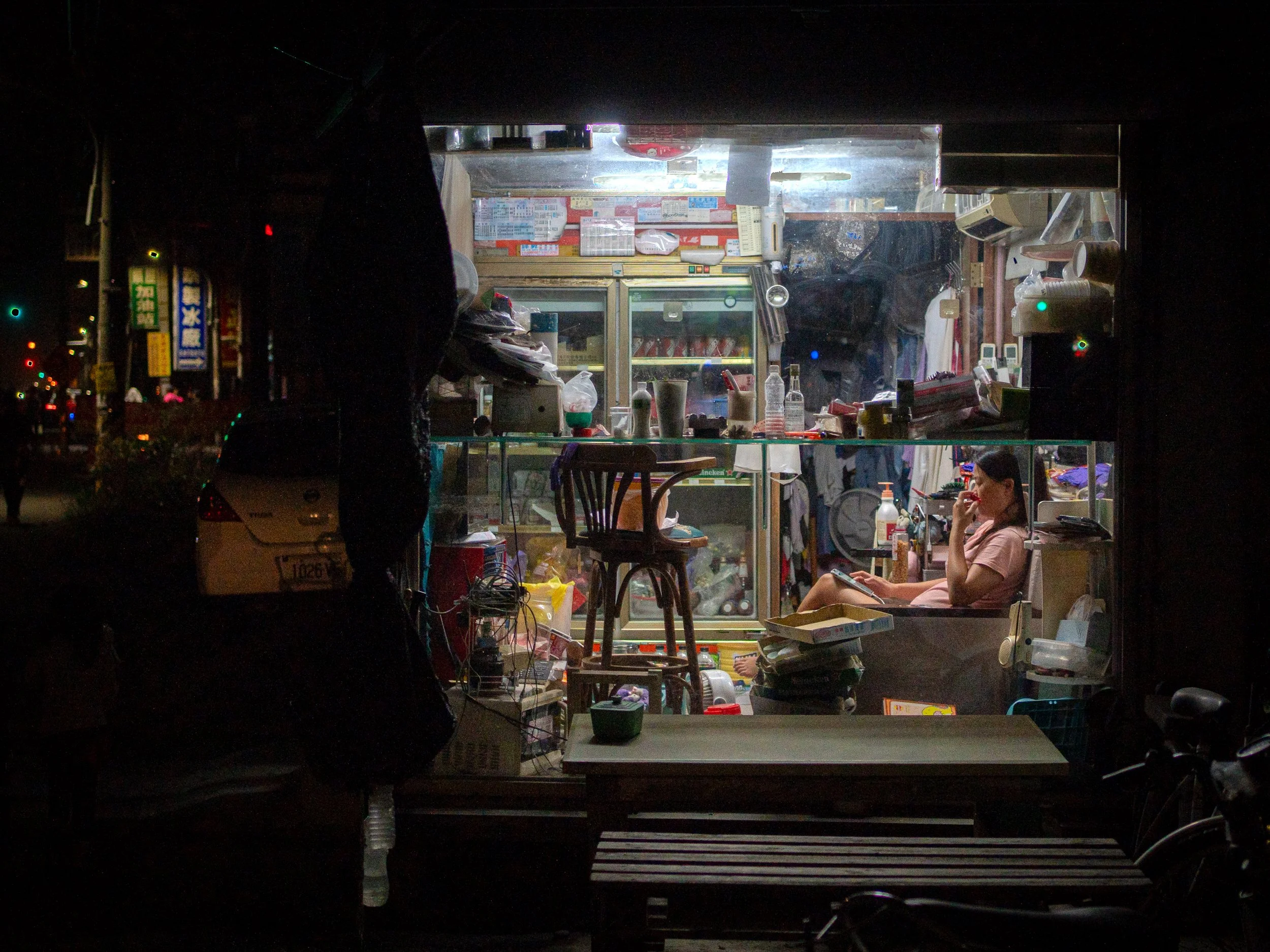
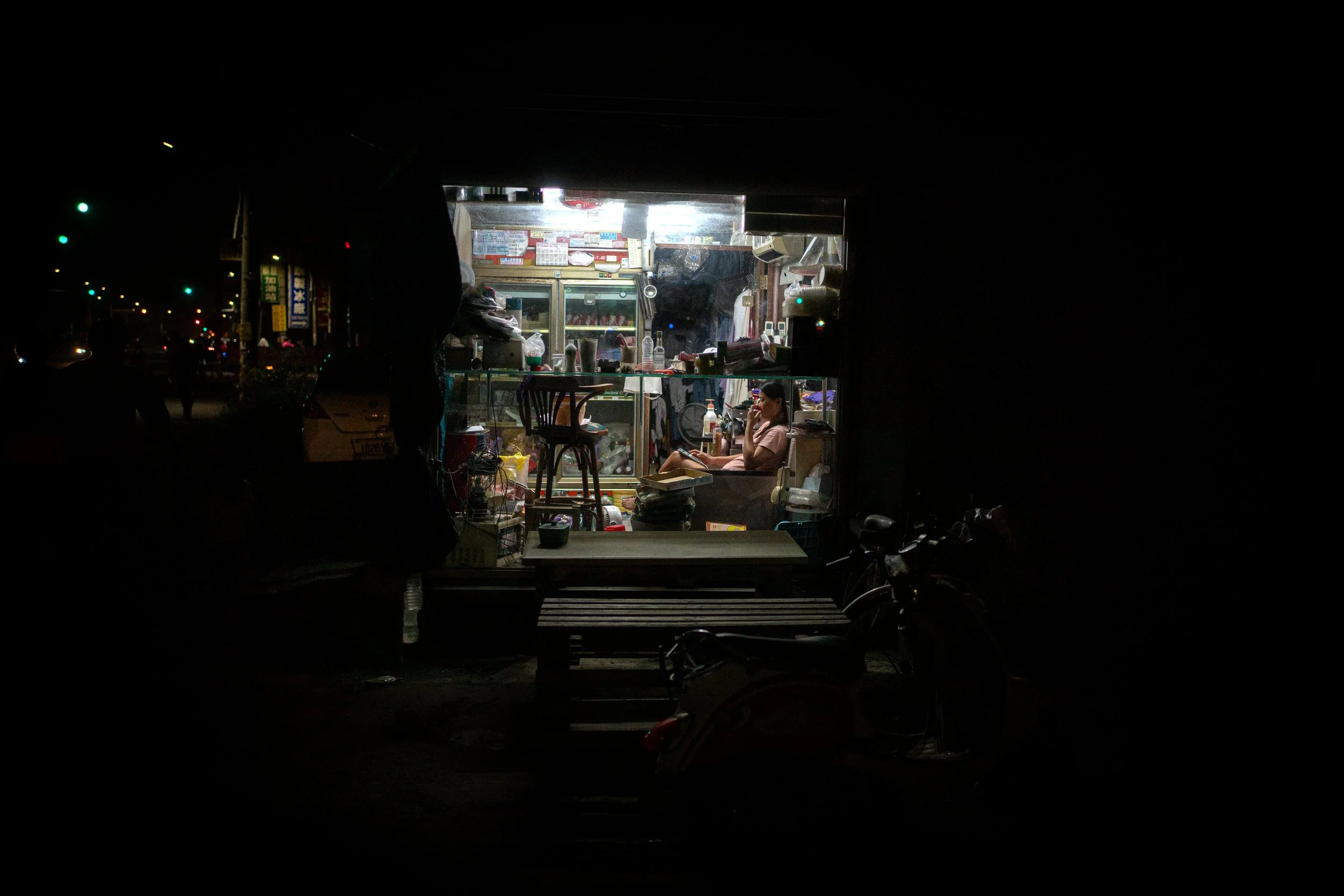
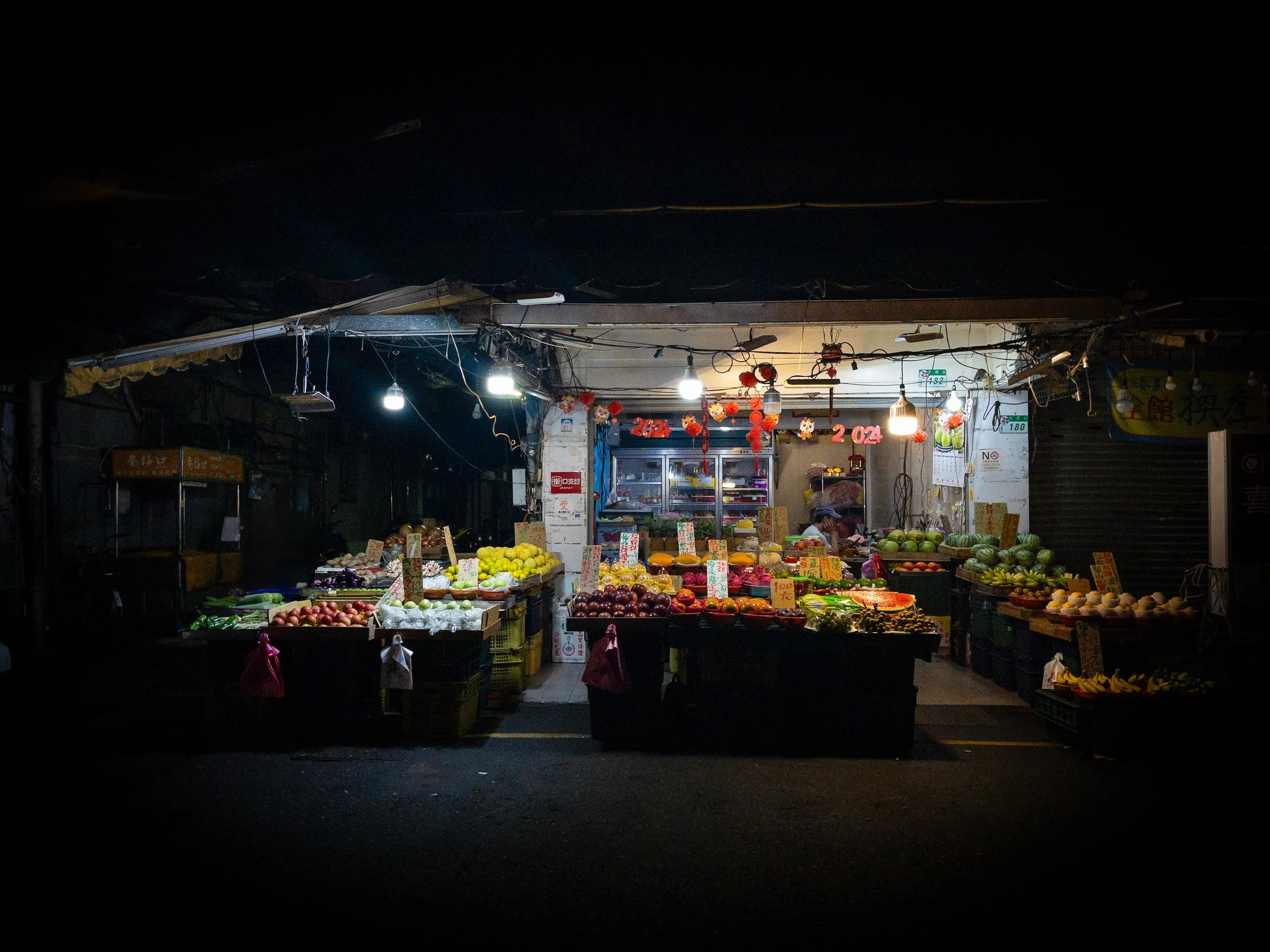





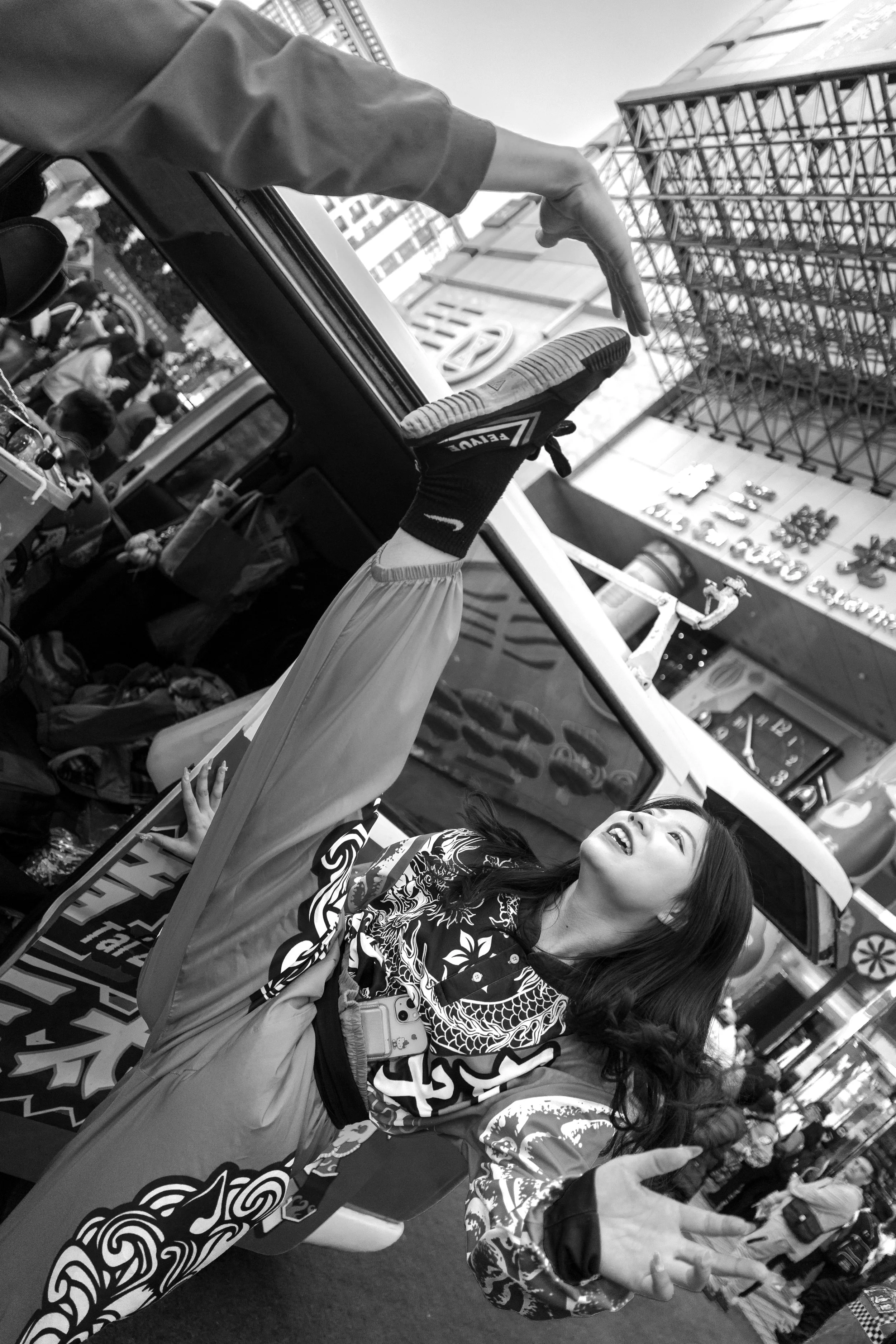
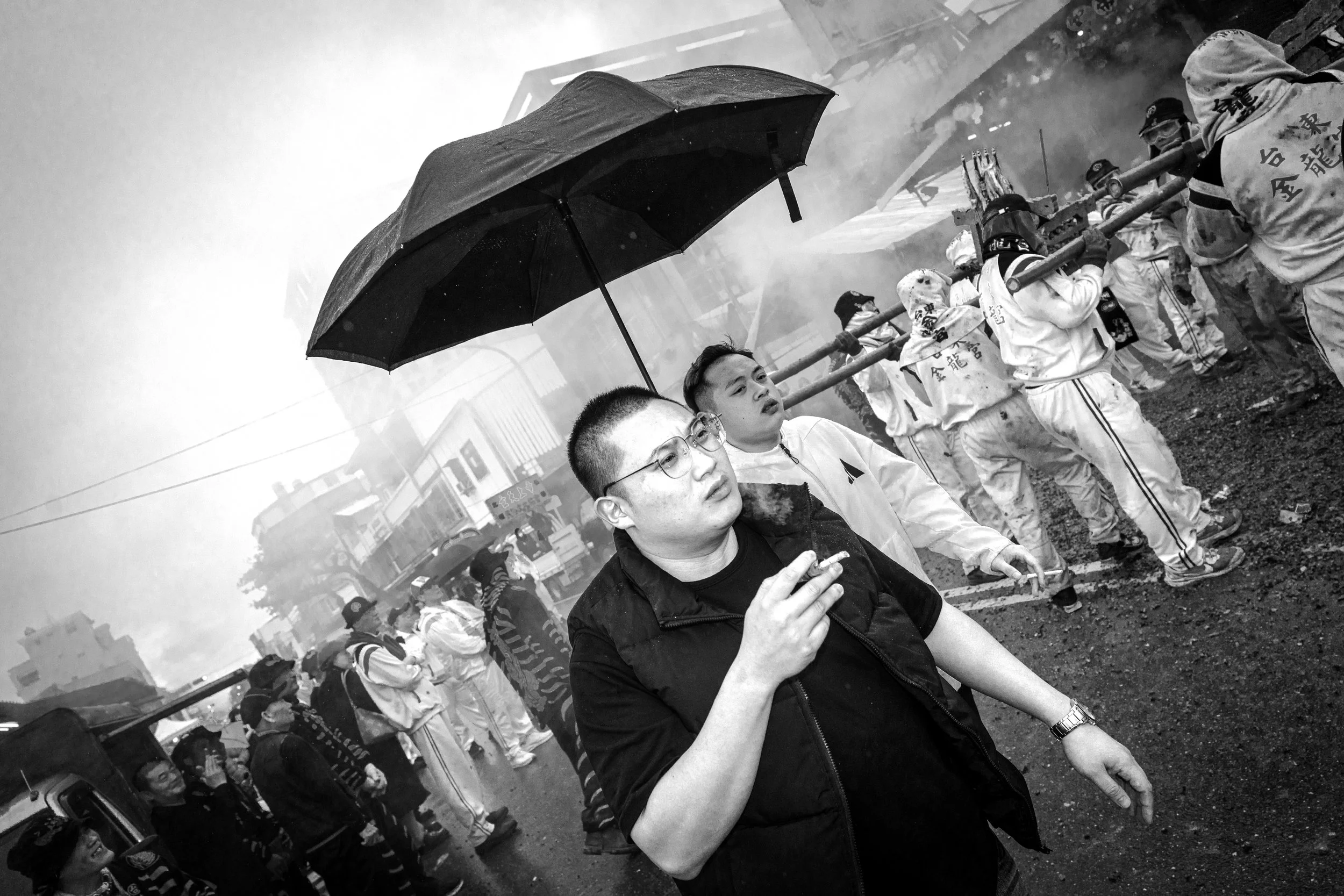
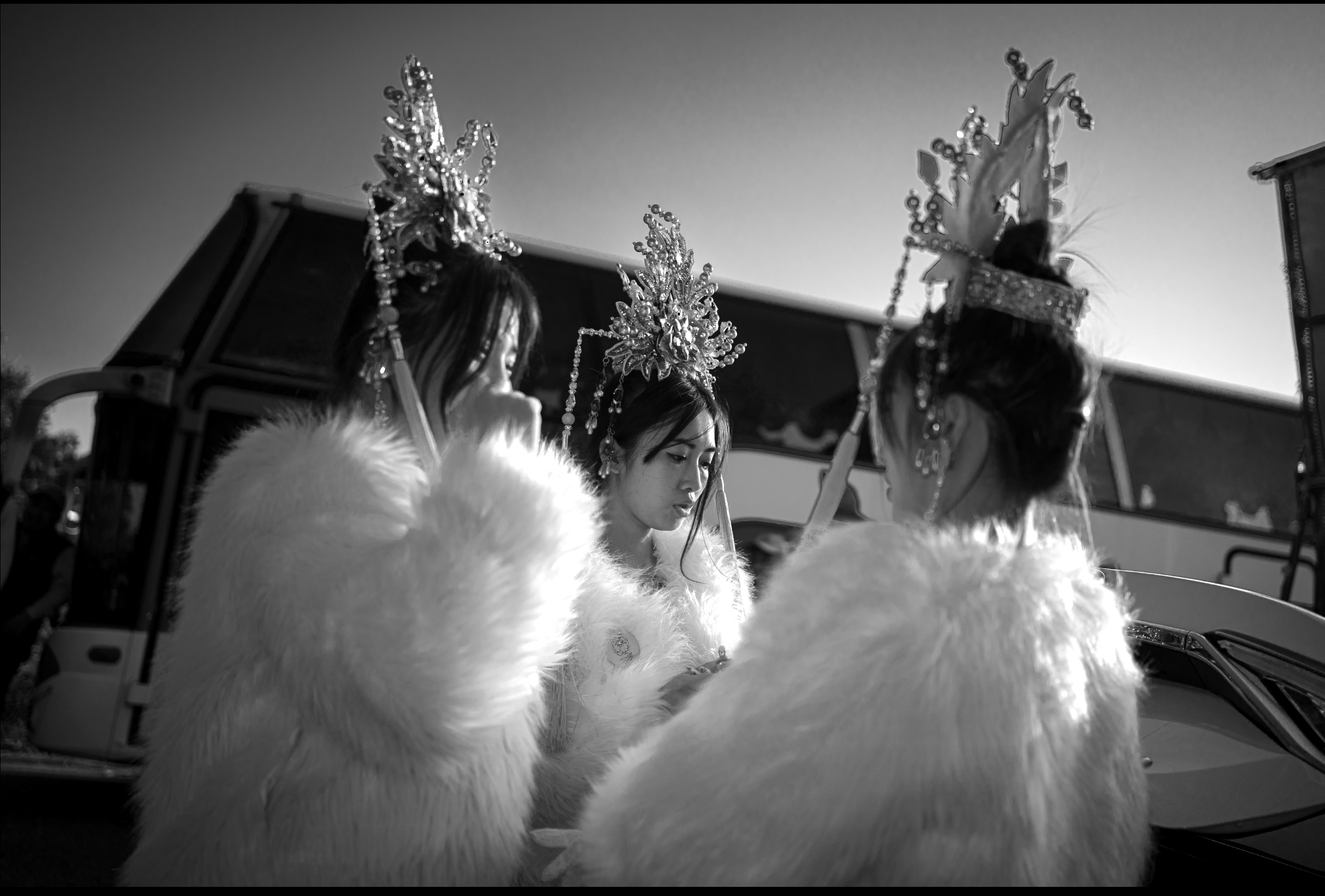
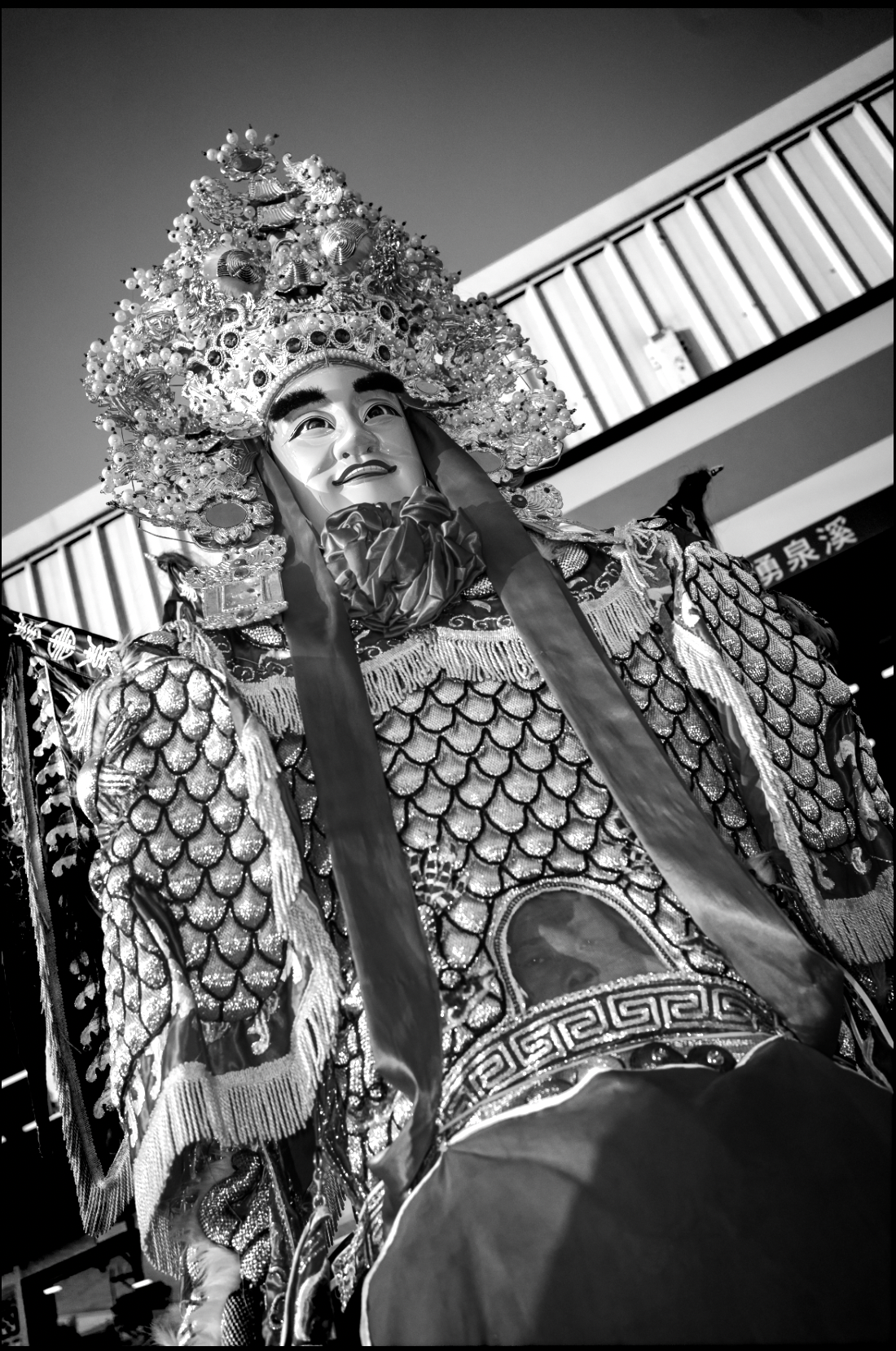


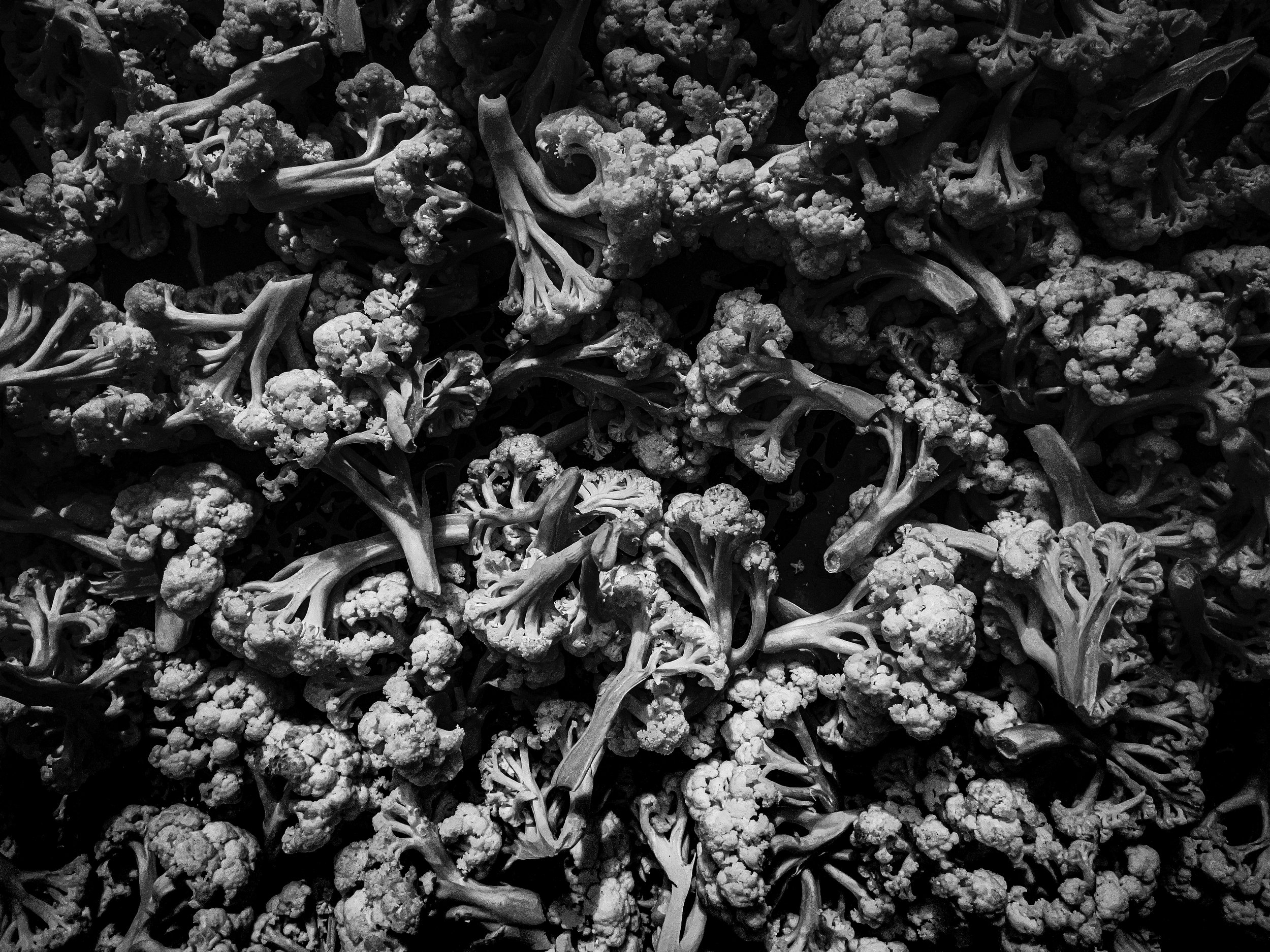
PHOTO
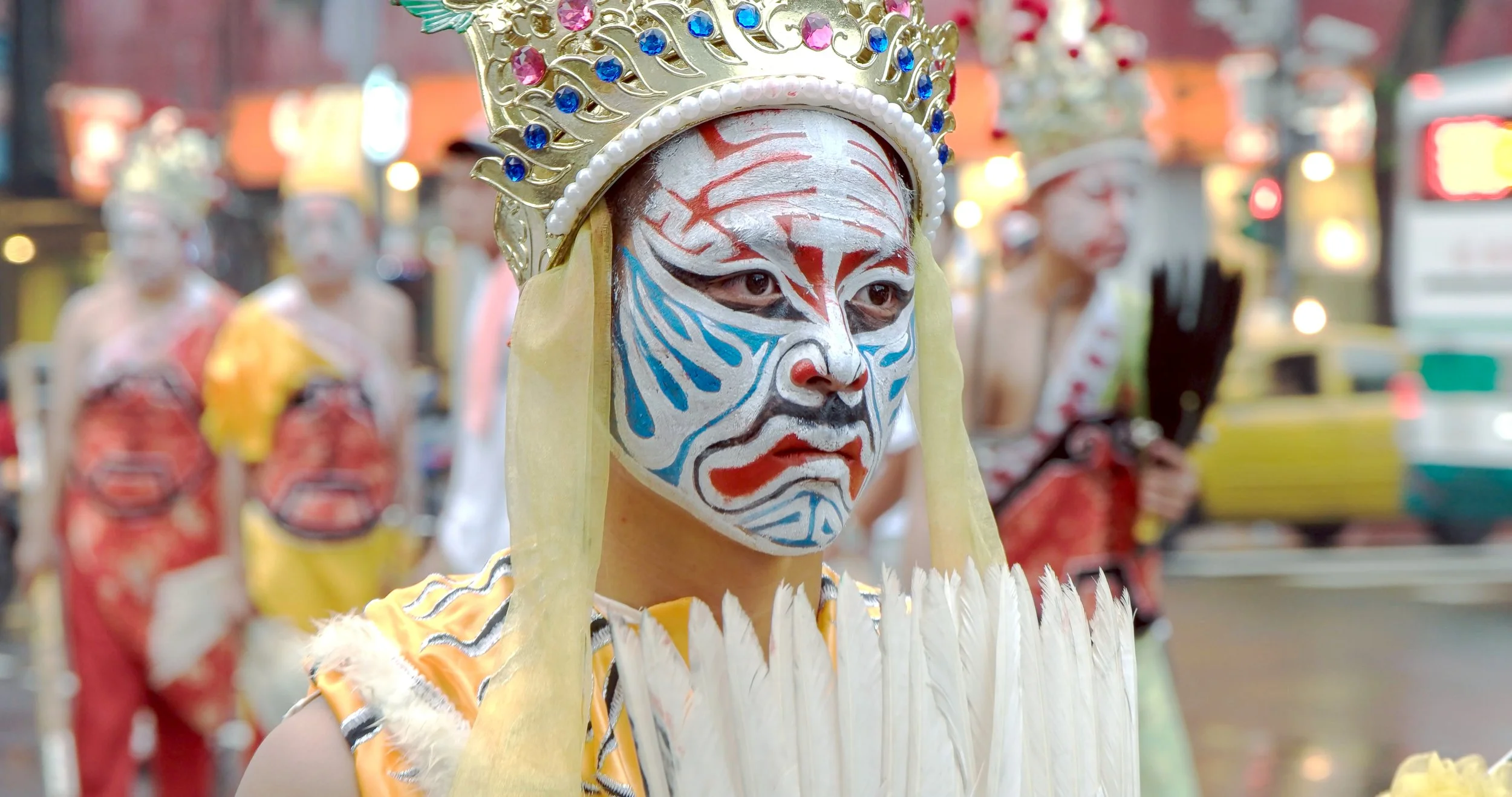
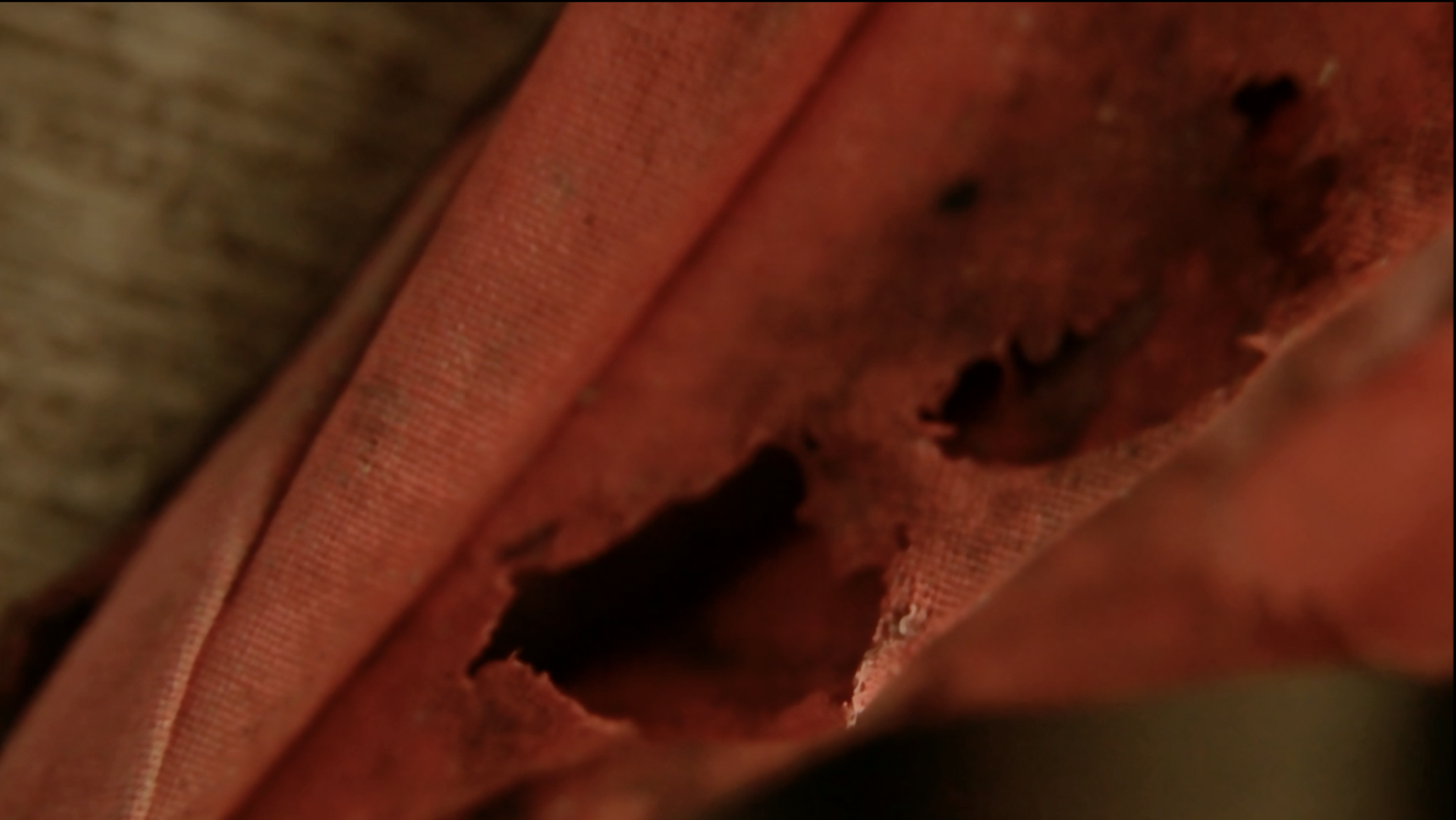
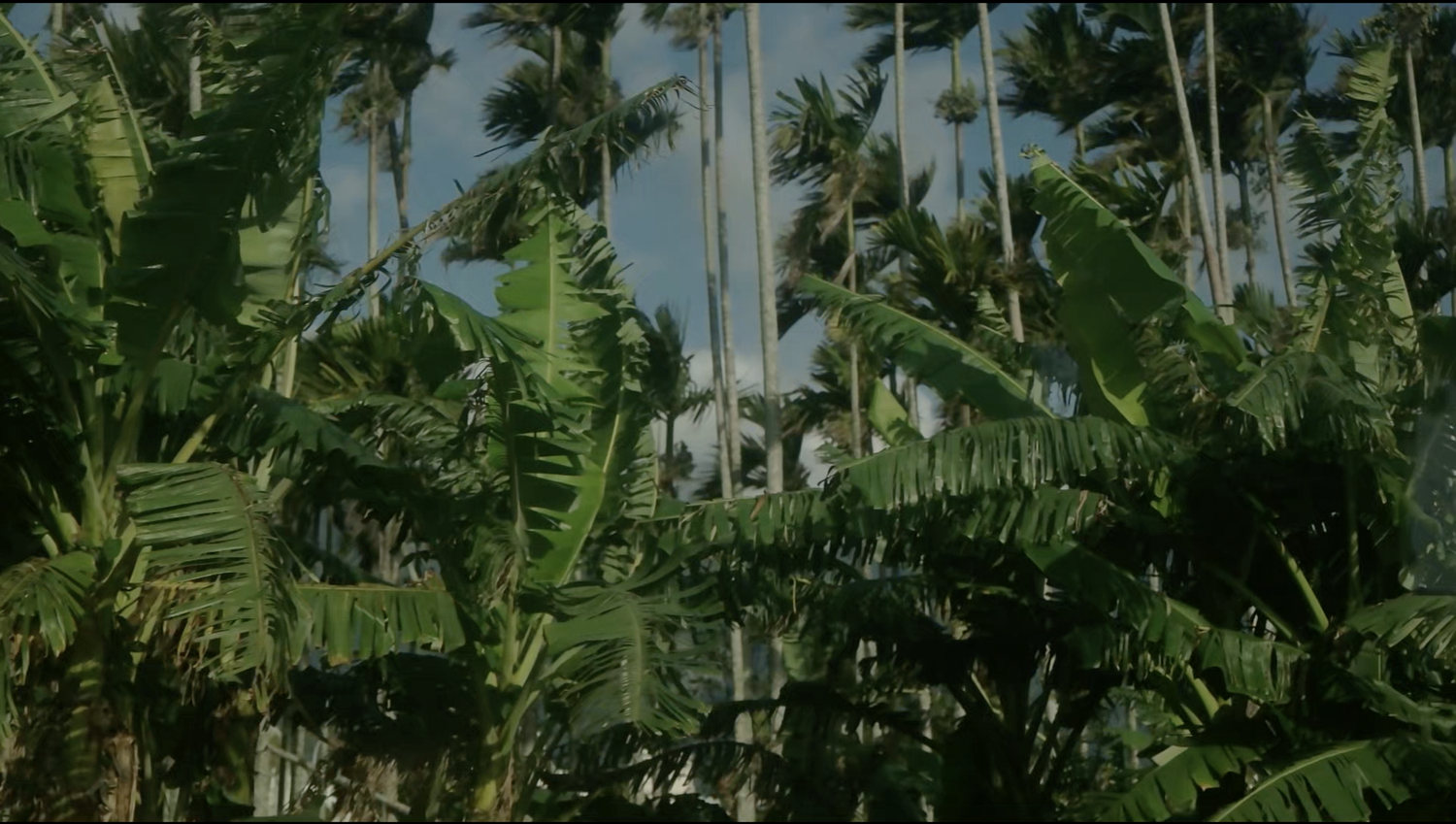
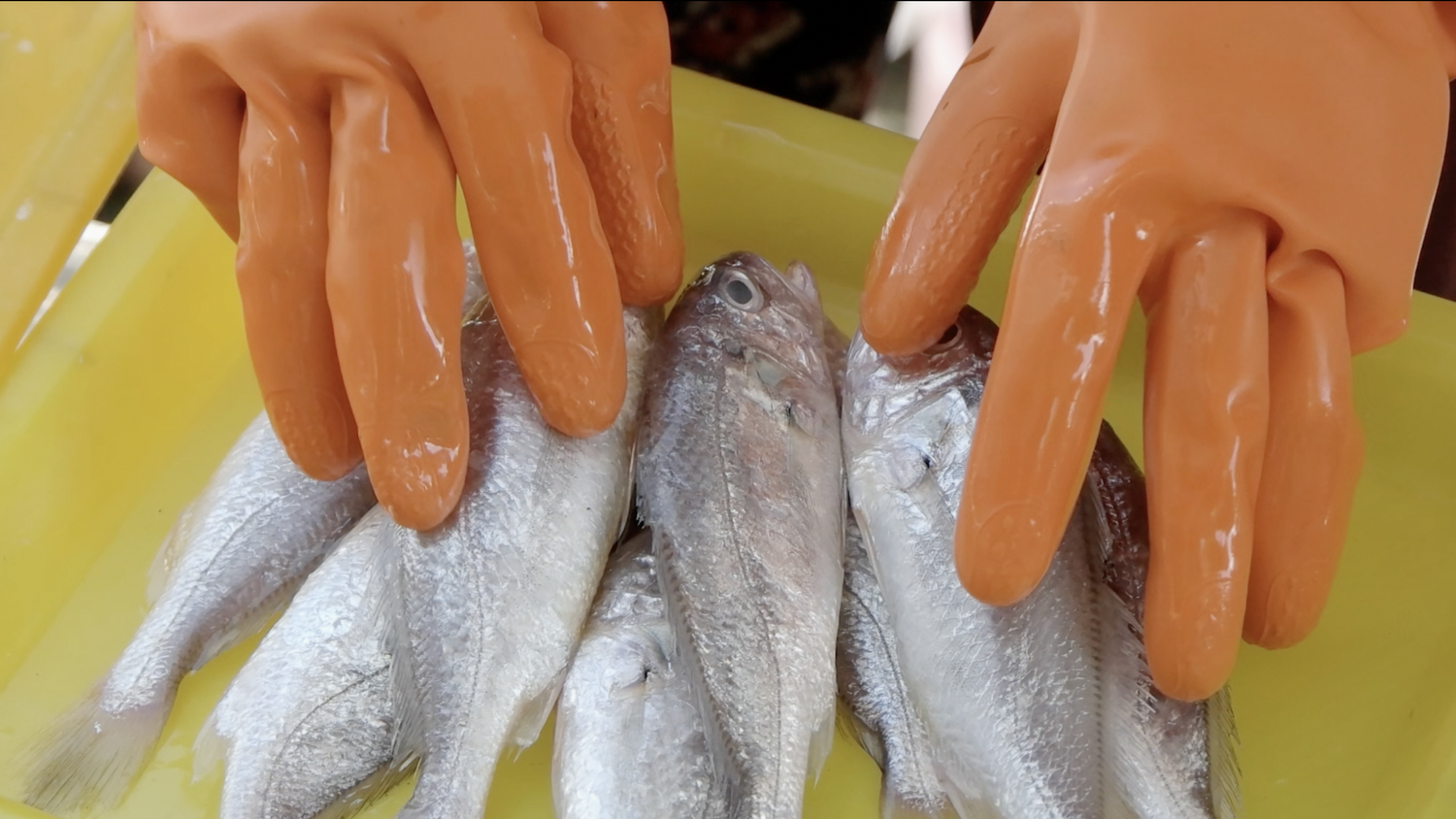
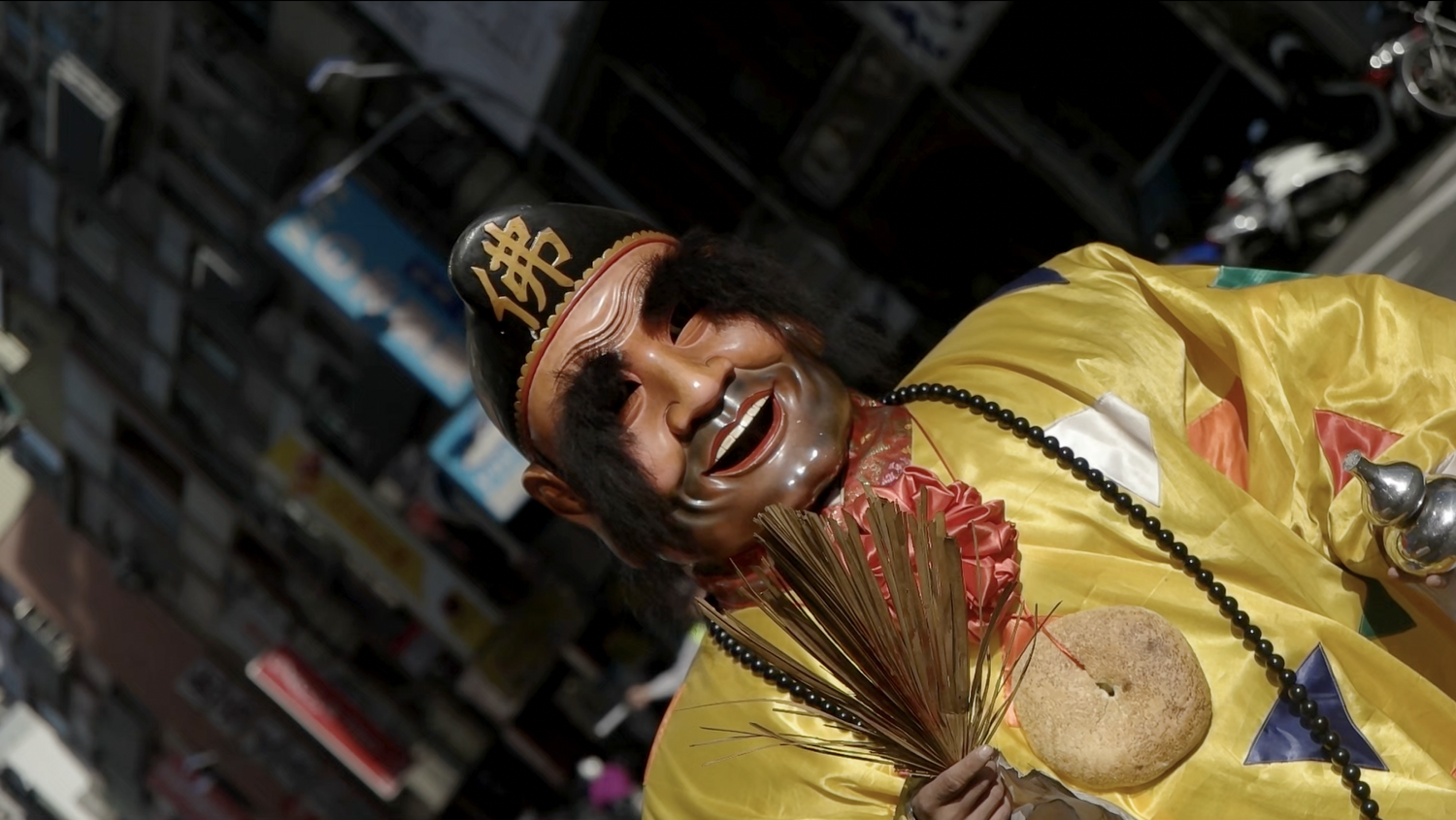
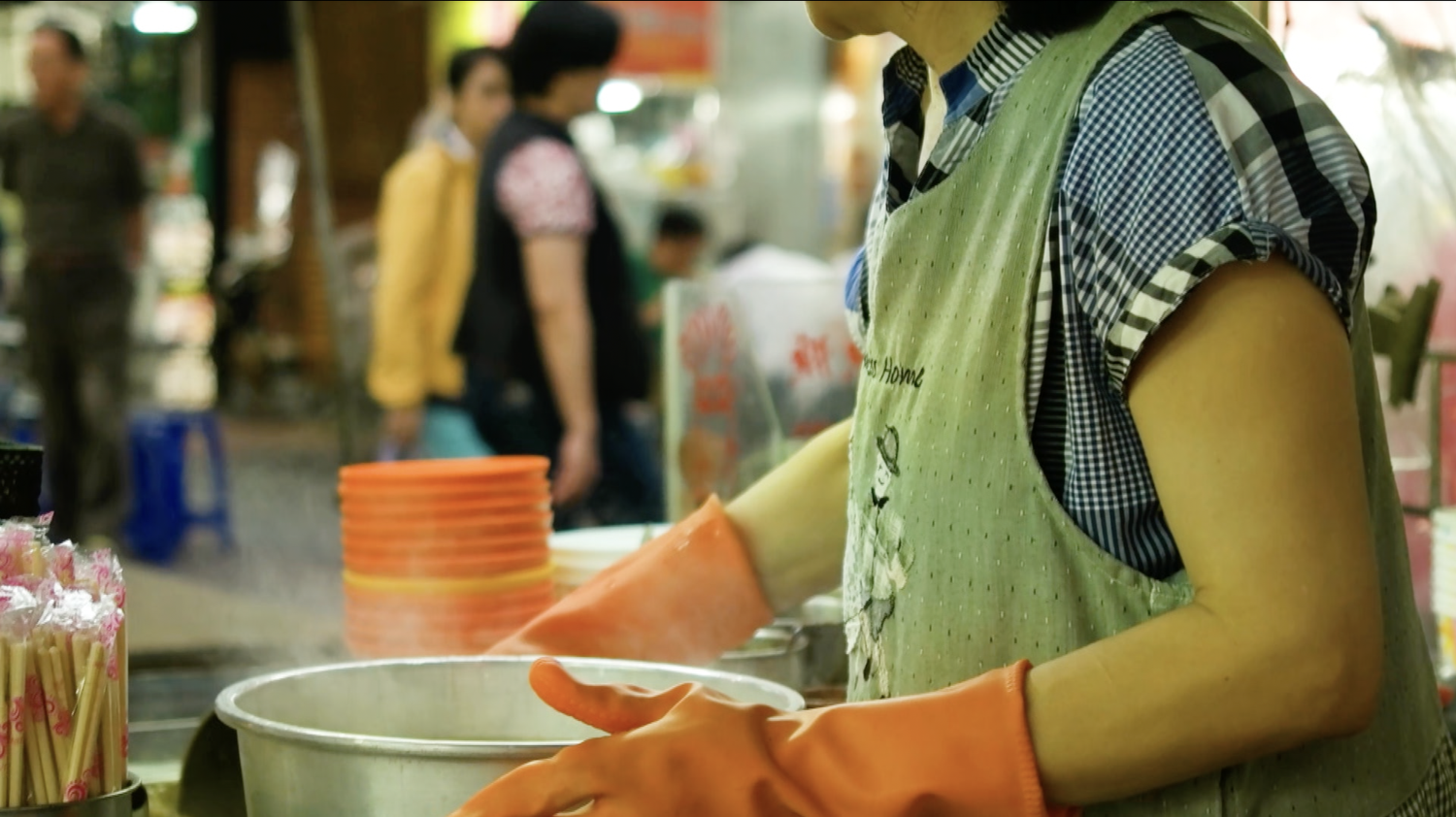
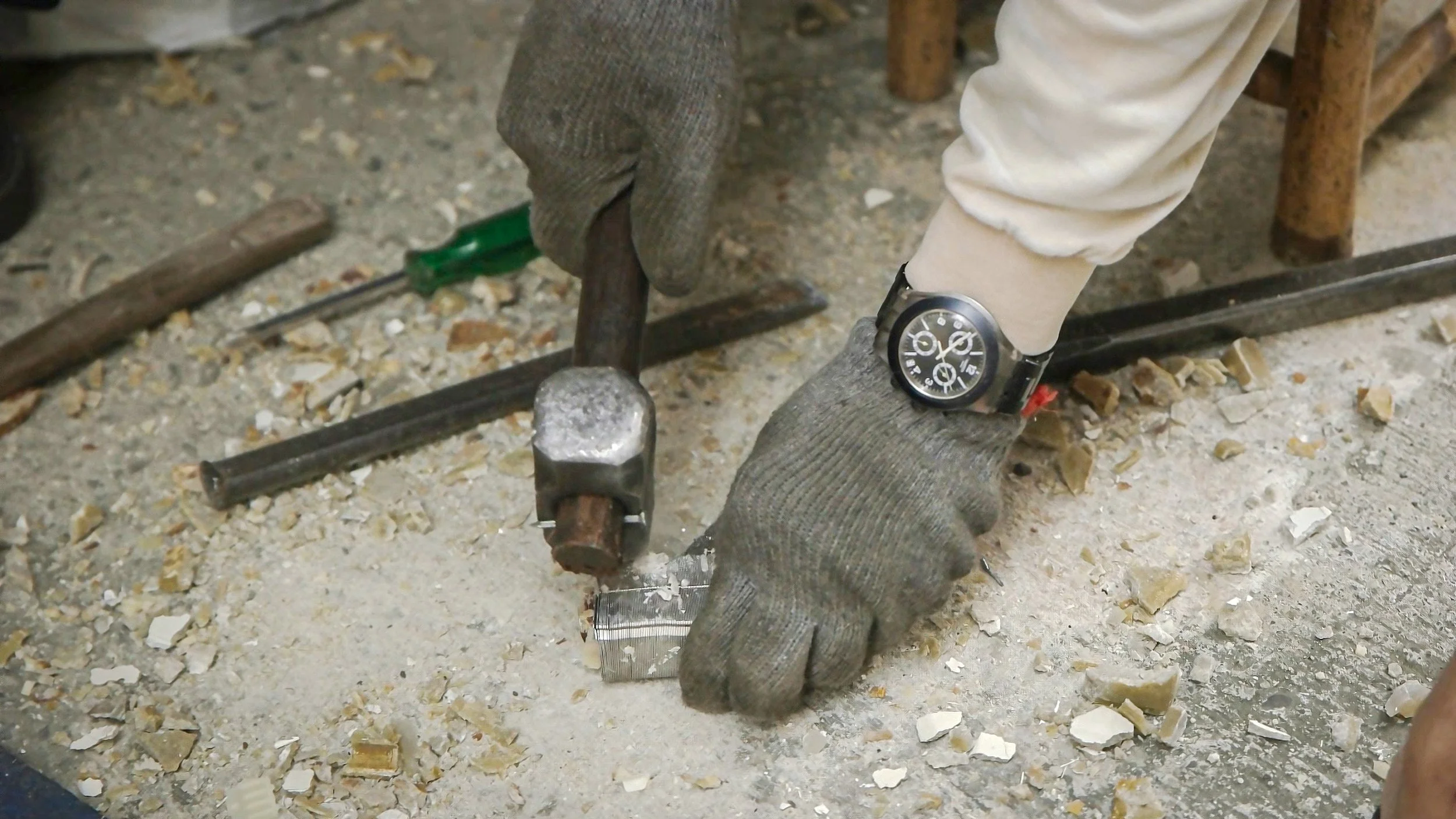
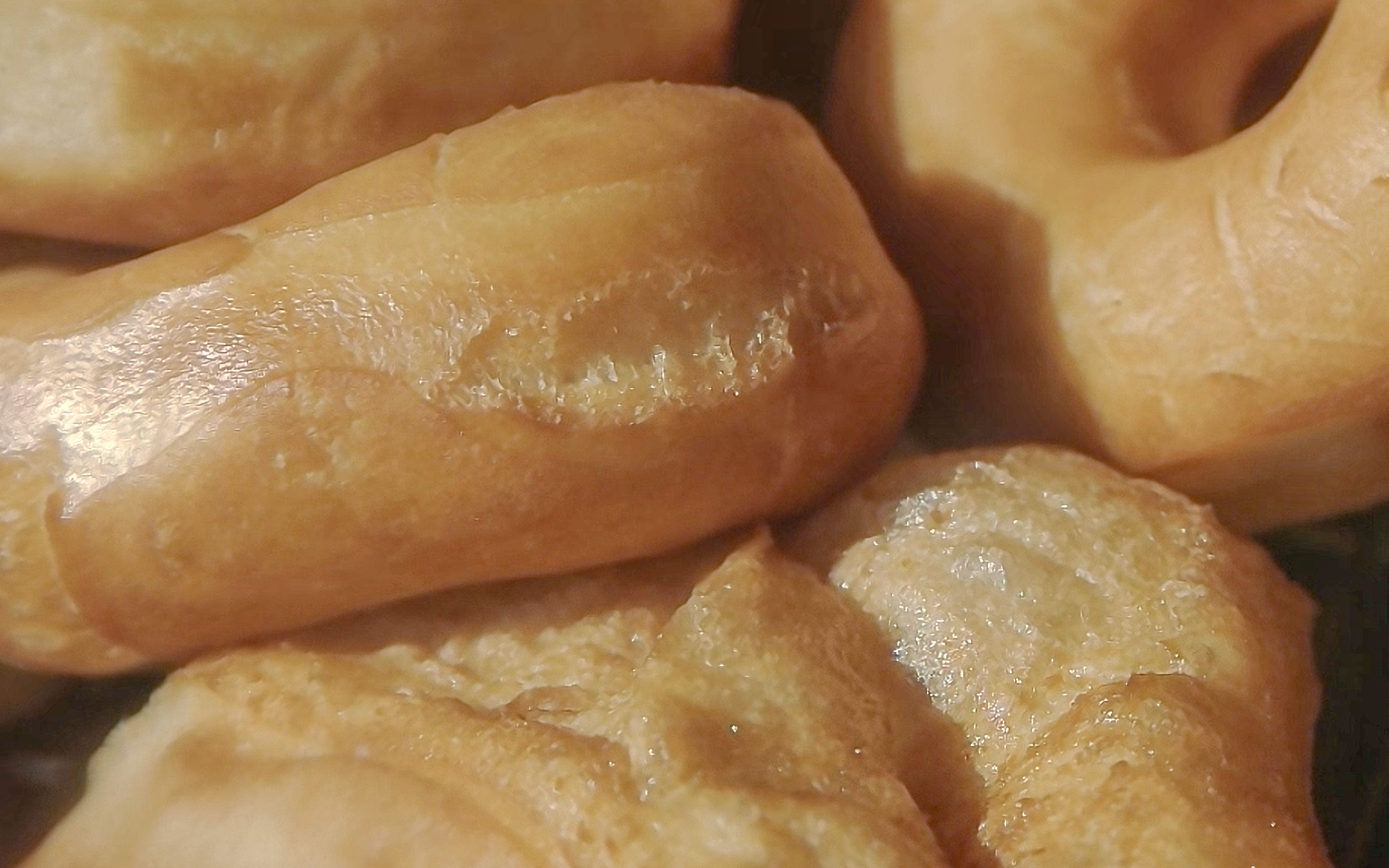
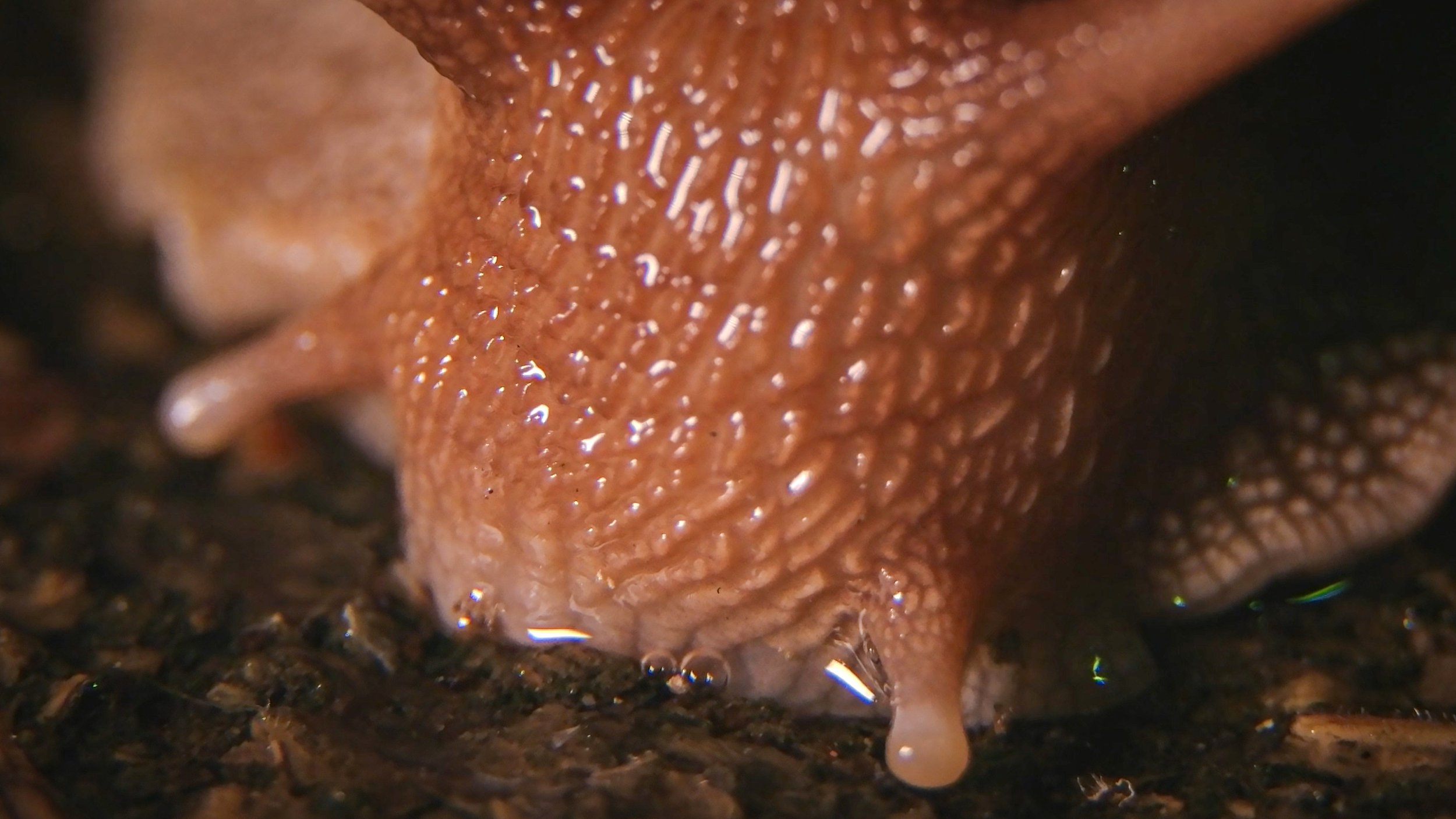
Video Stills
Print Up To 65 x 39cm, 300DPI


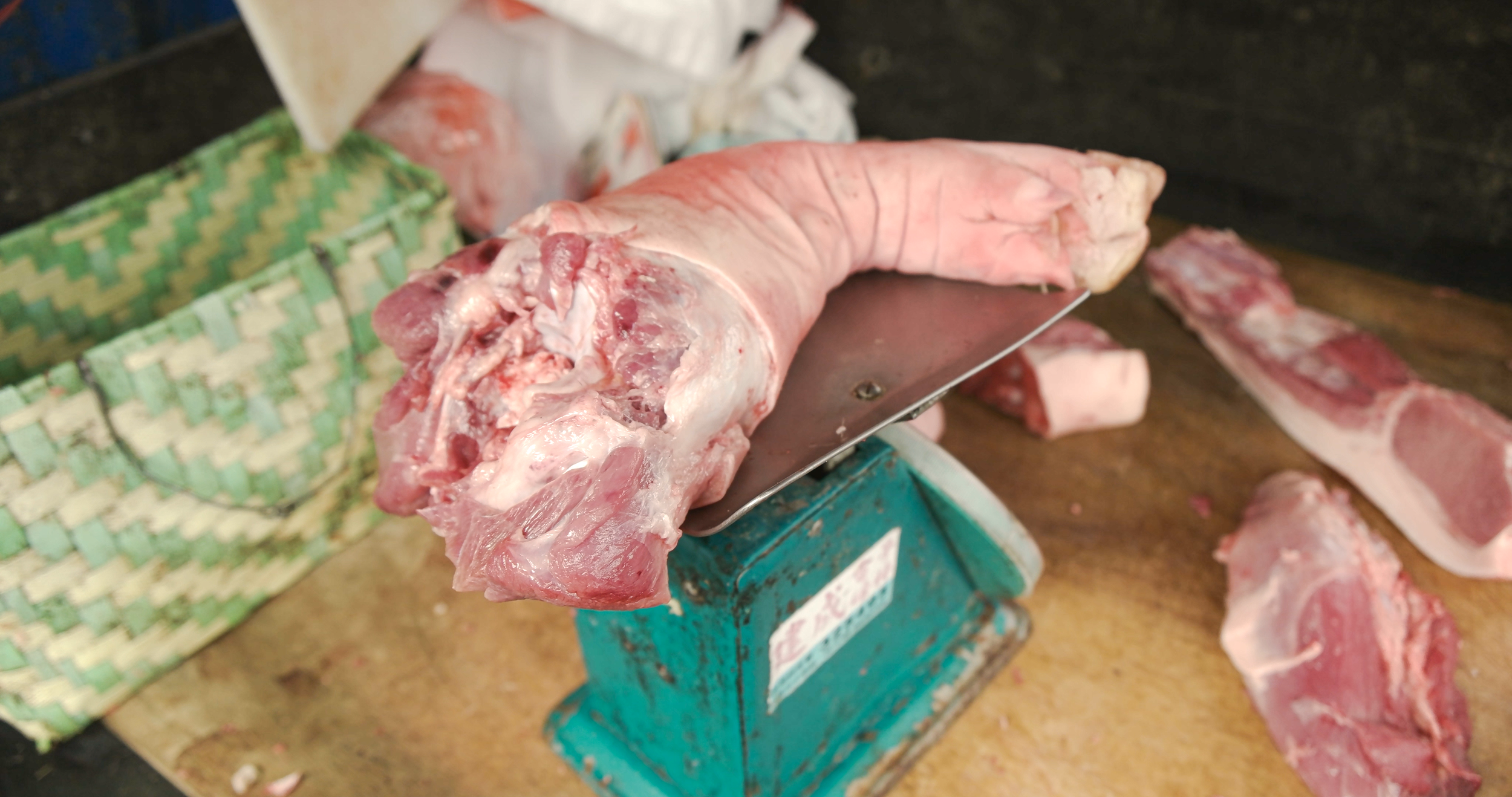




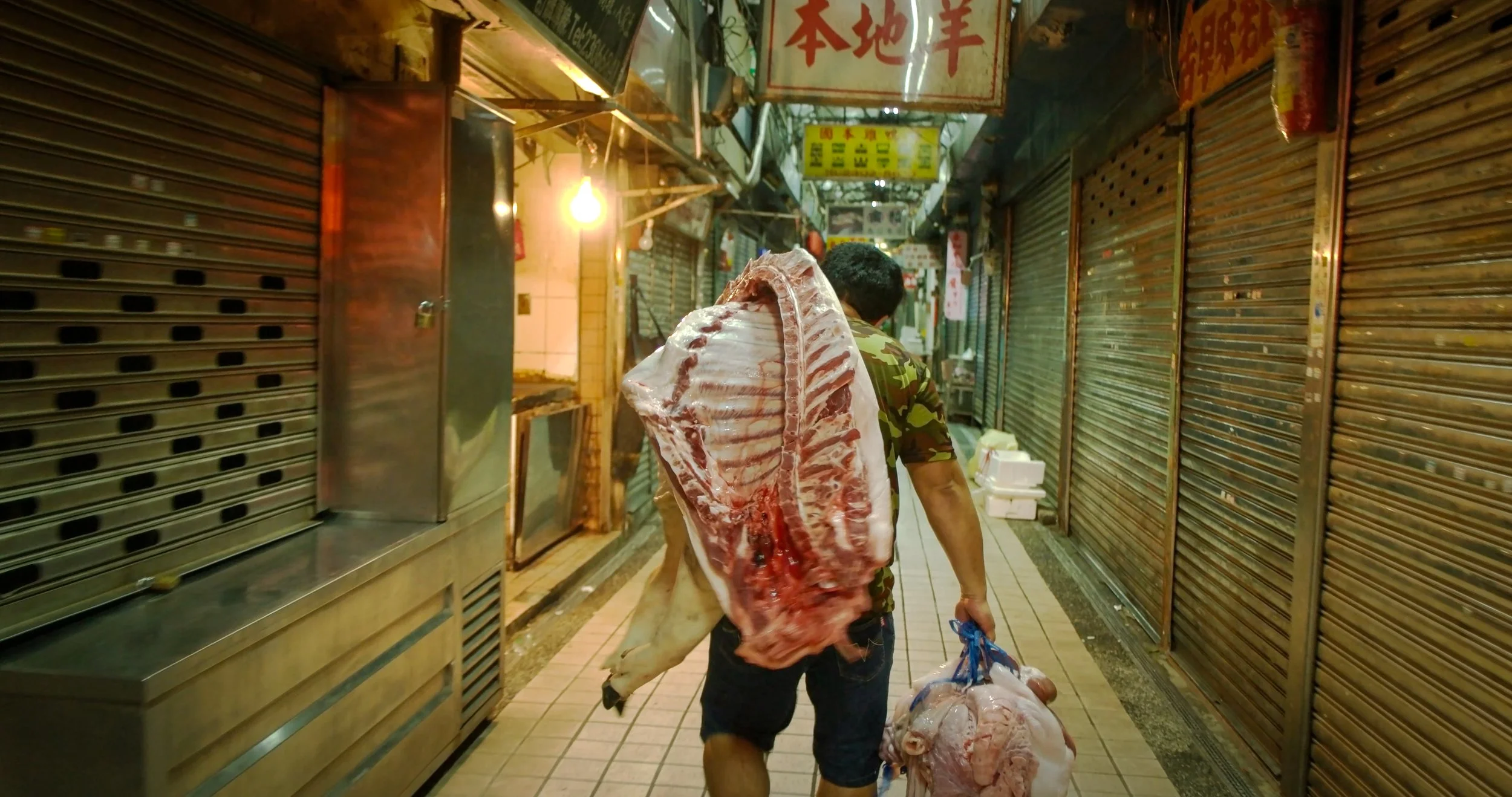





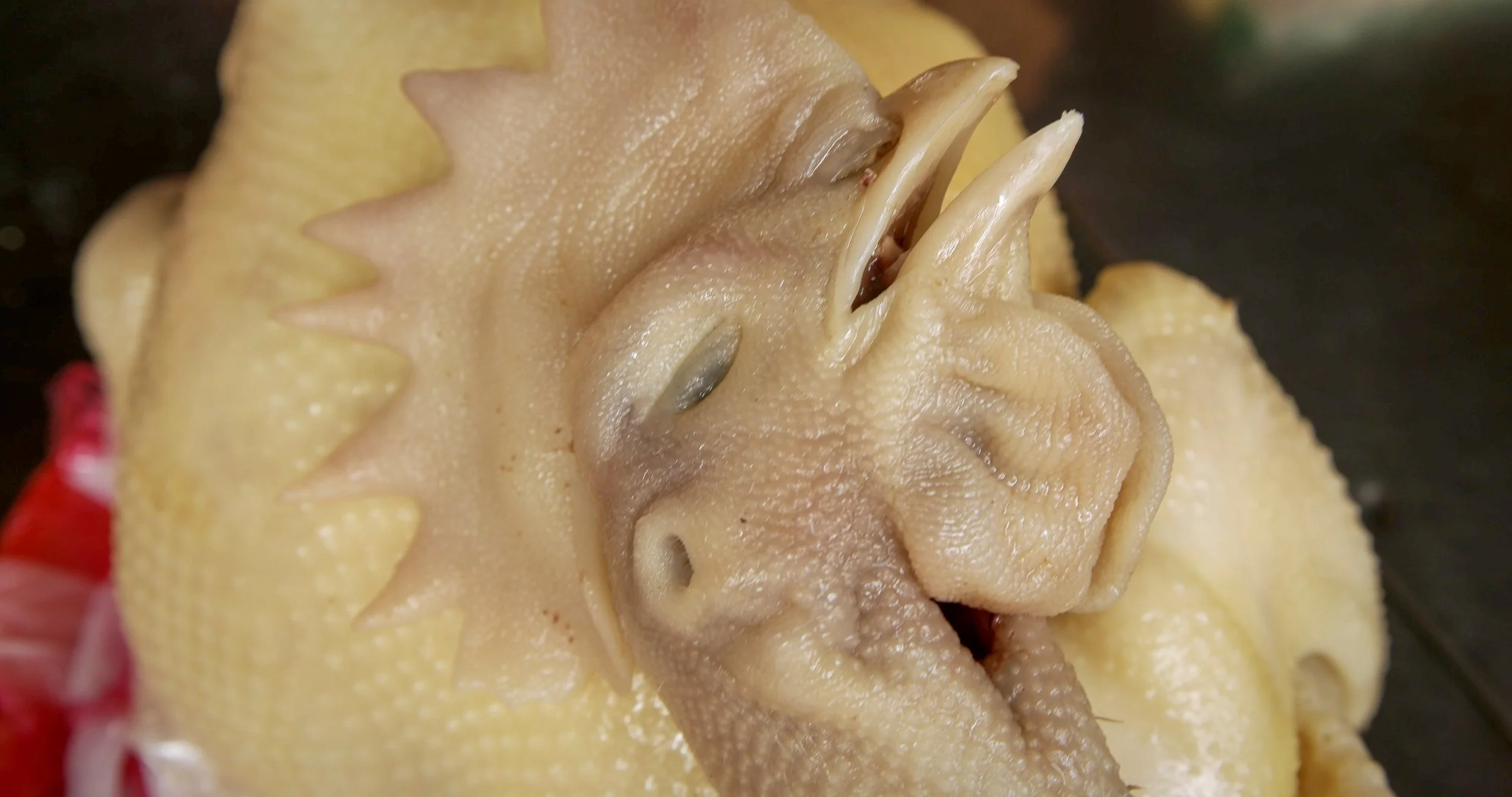








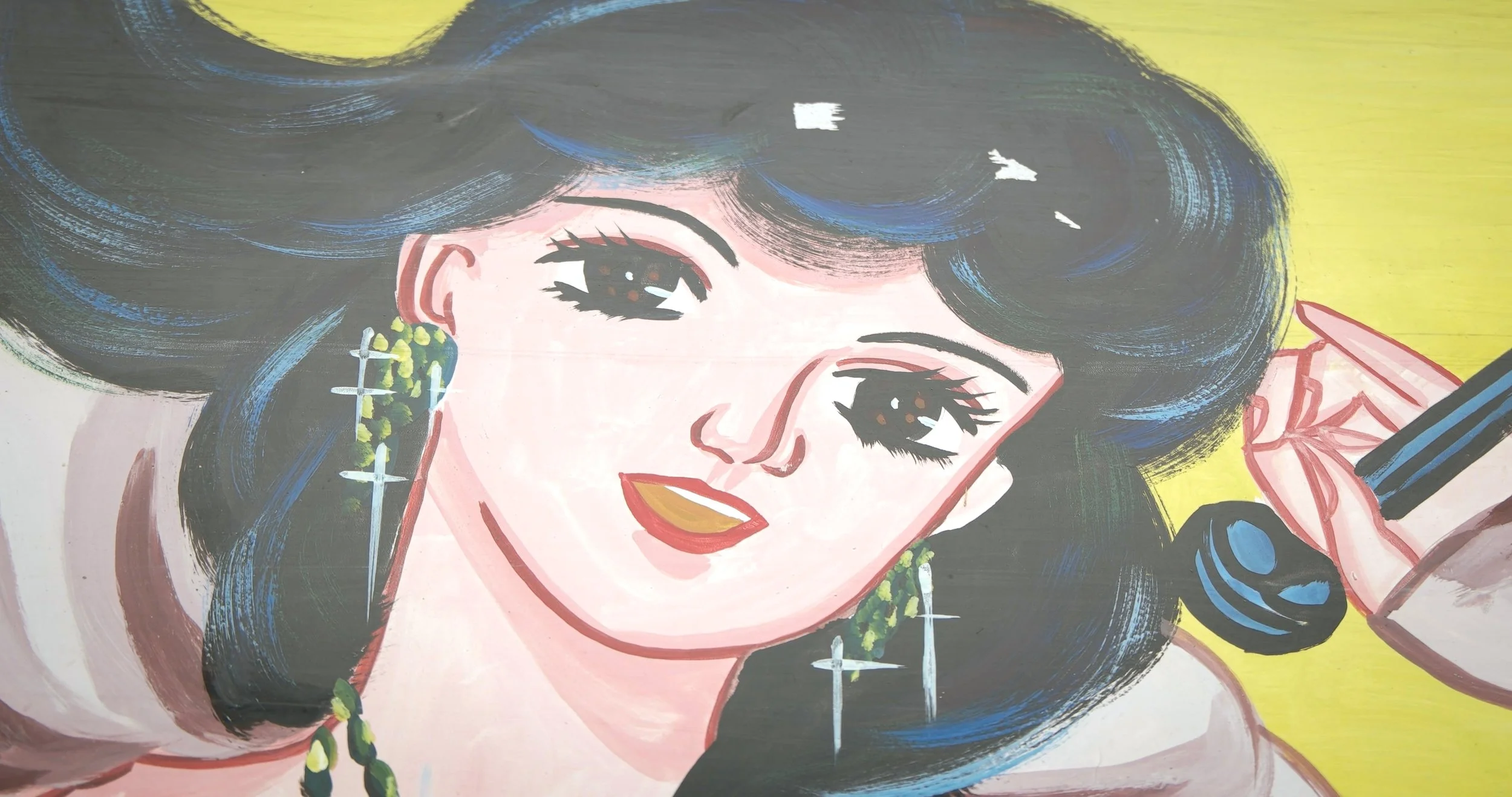




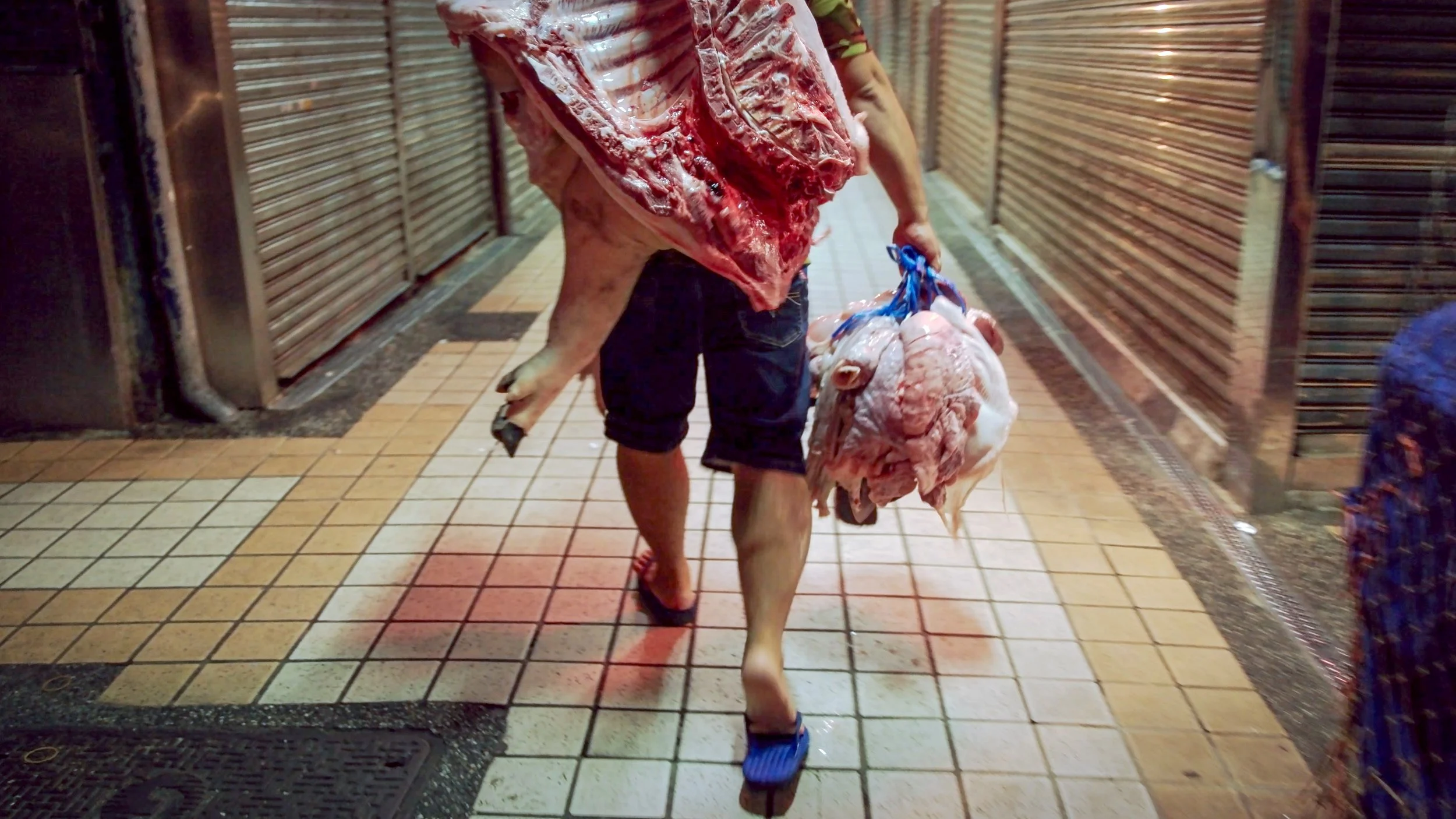






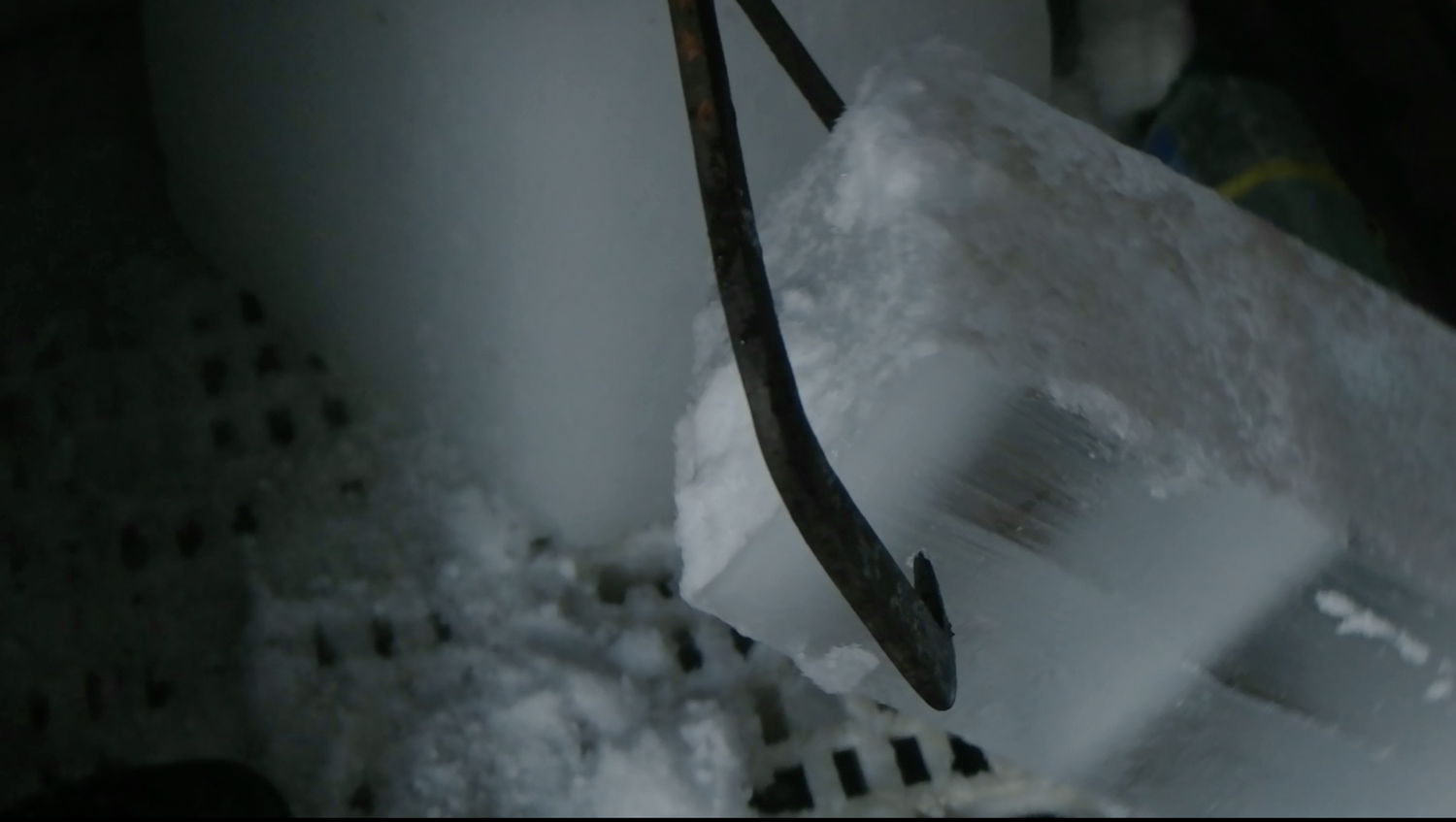

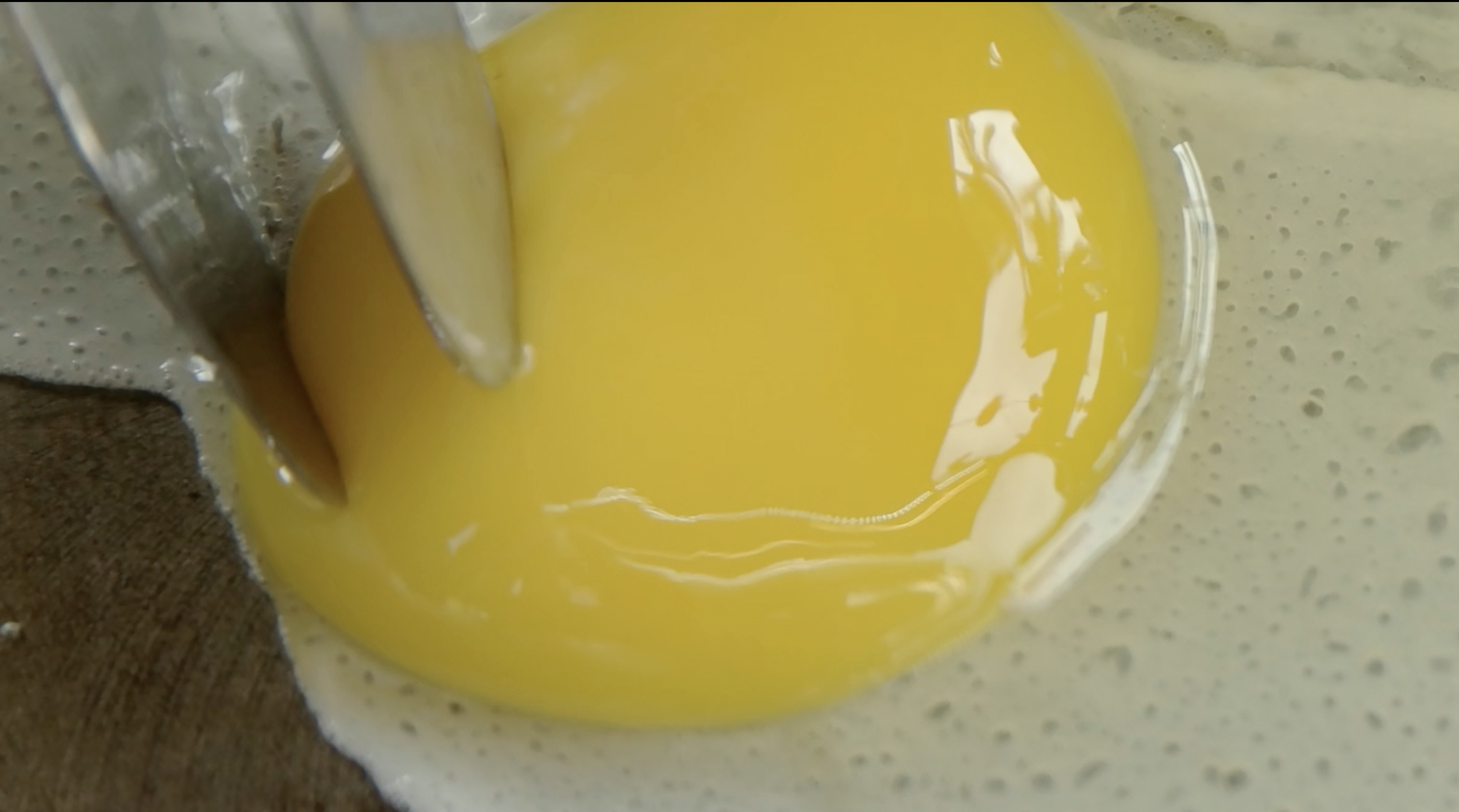







PHOTO
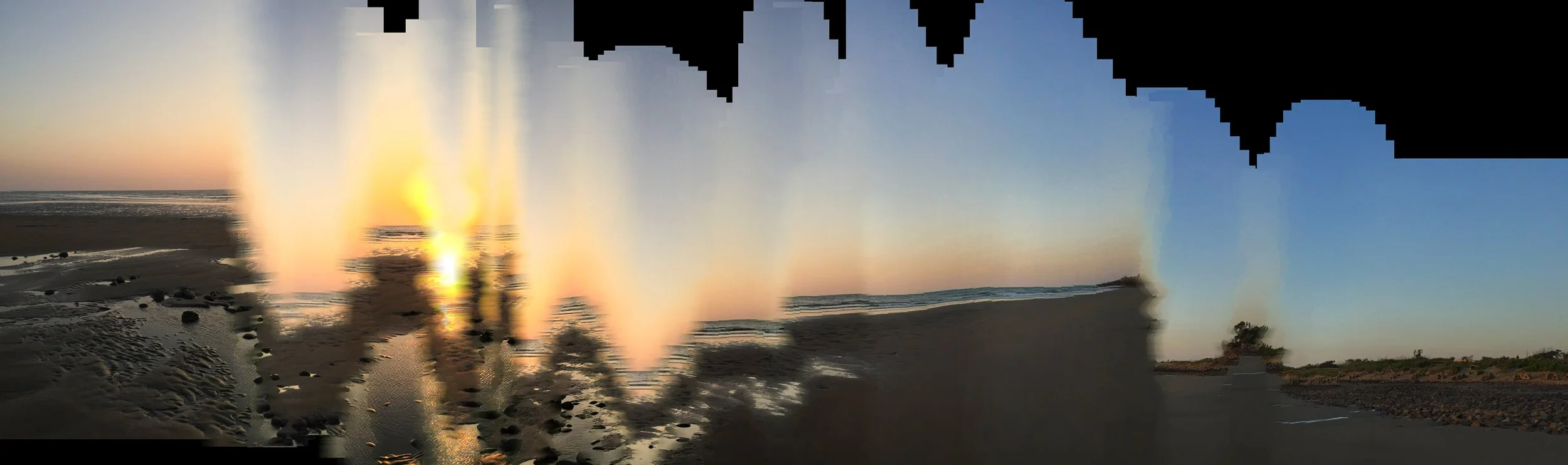
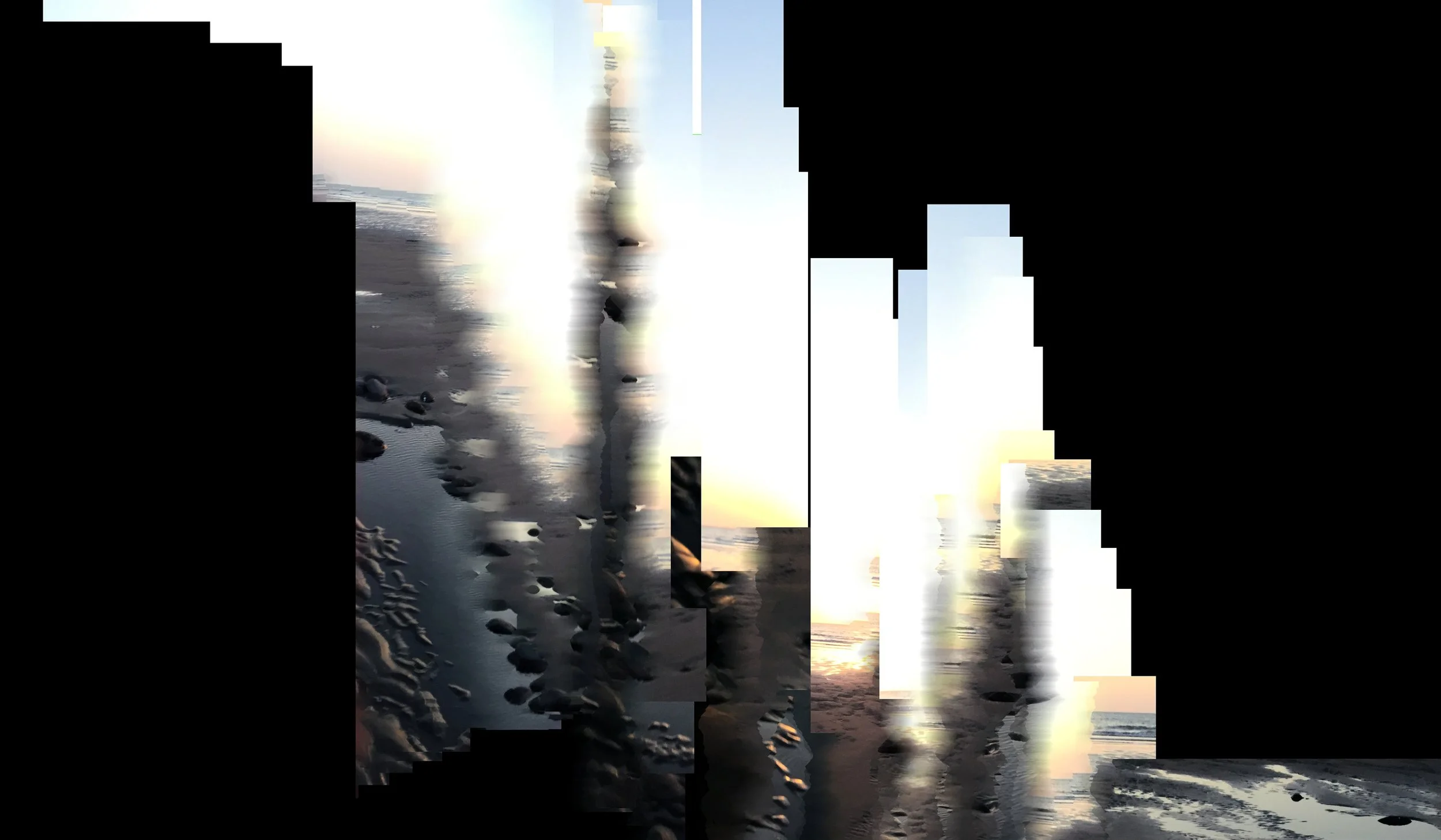
STITCH
Print Up To 1200 x 700cm, 300DPI




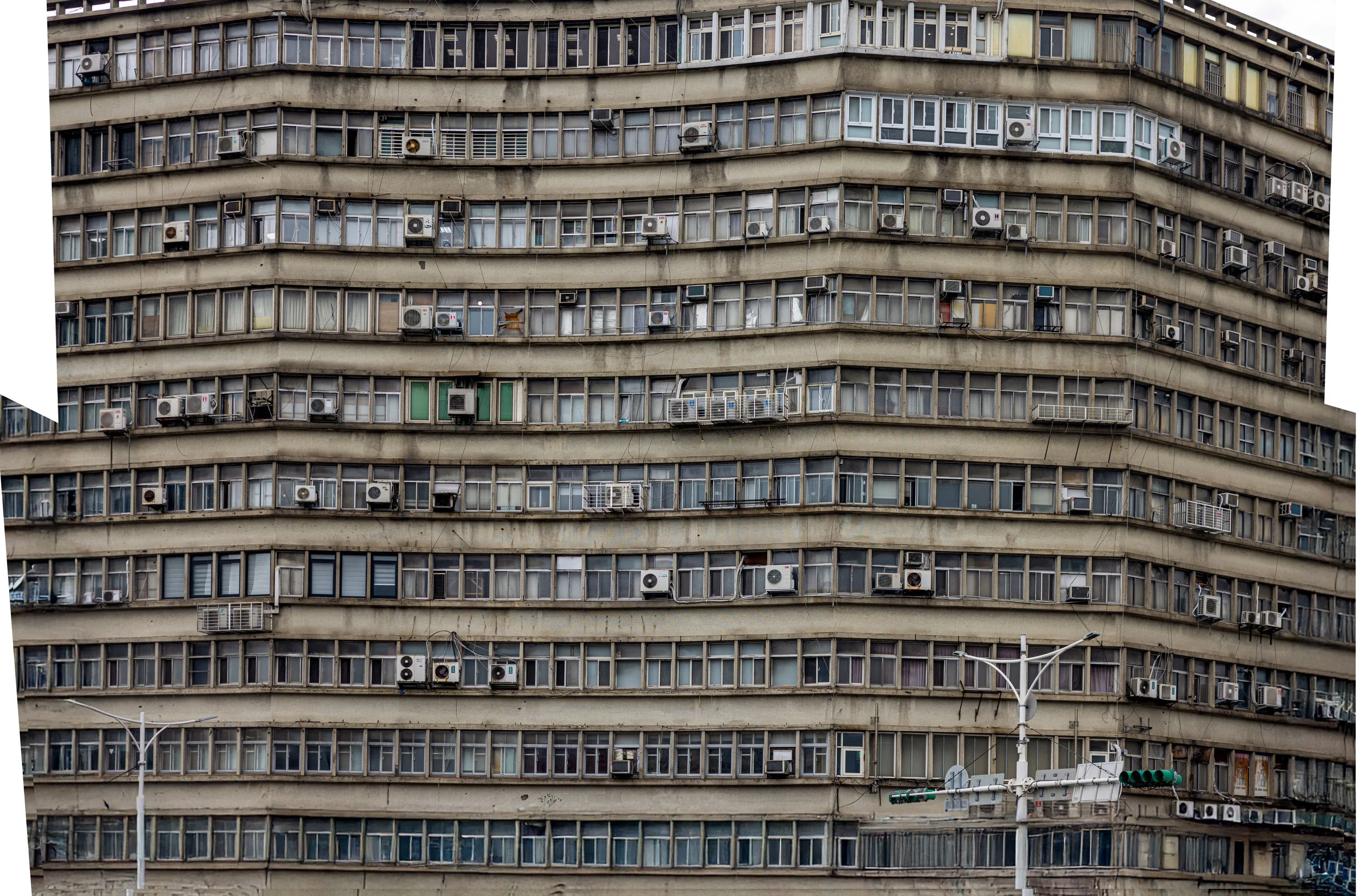





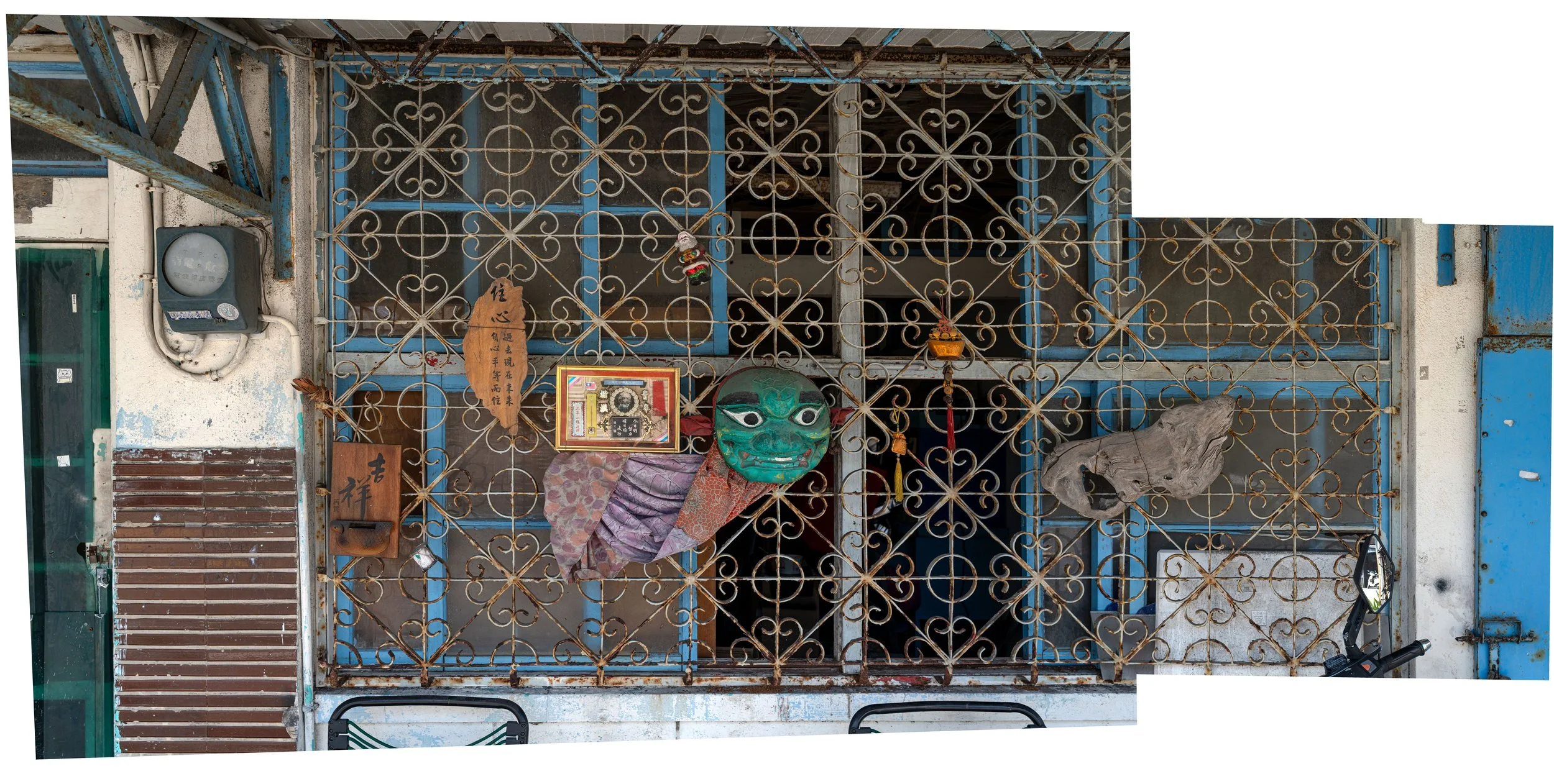
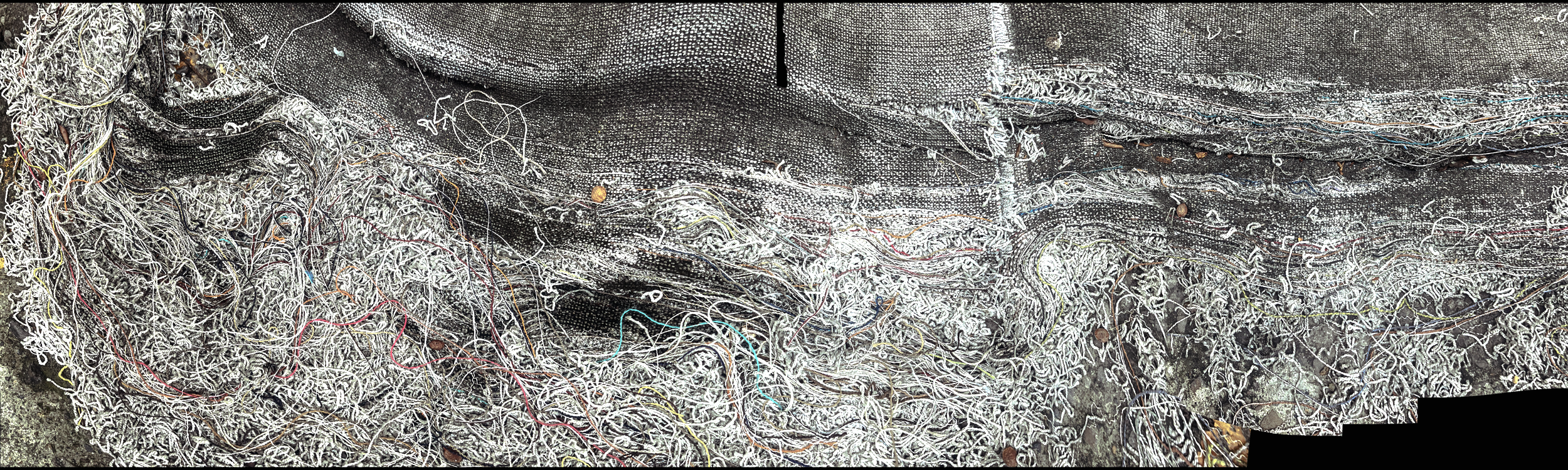
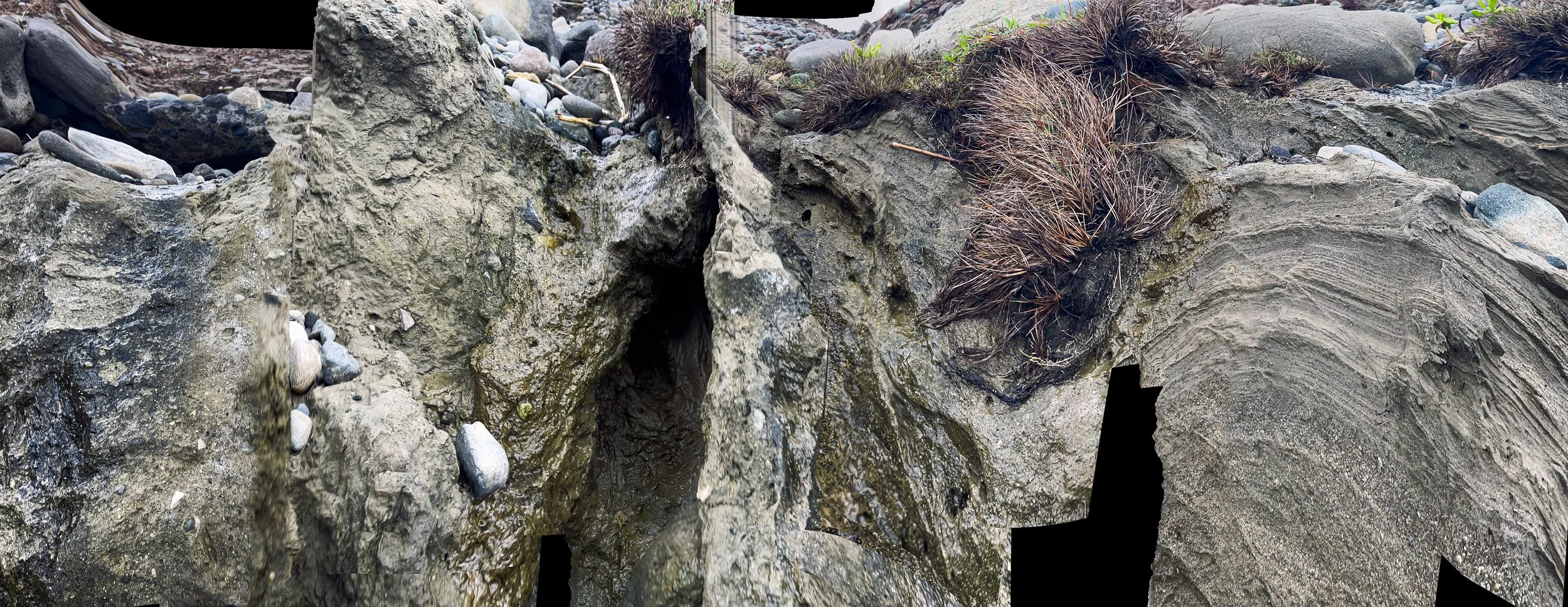
PHOTO
SLIDES
35mm Slides, Vignetted Slide Projection





GAMING
DOCUMENTARY(PROTOTYPE IN DEVELOPMENT)
Gaming consists of:
1. Non-linear, short mini-games on traditional and contemporary labor practices in Taiwan.
2. Non-linear video interviews of Taiwanese street workers.
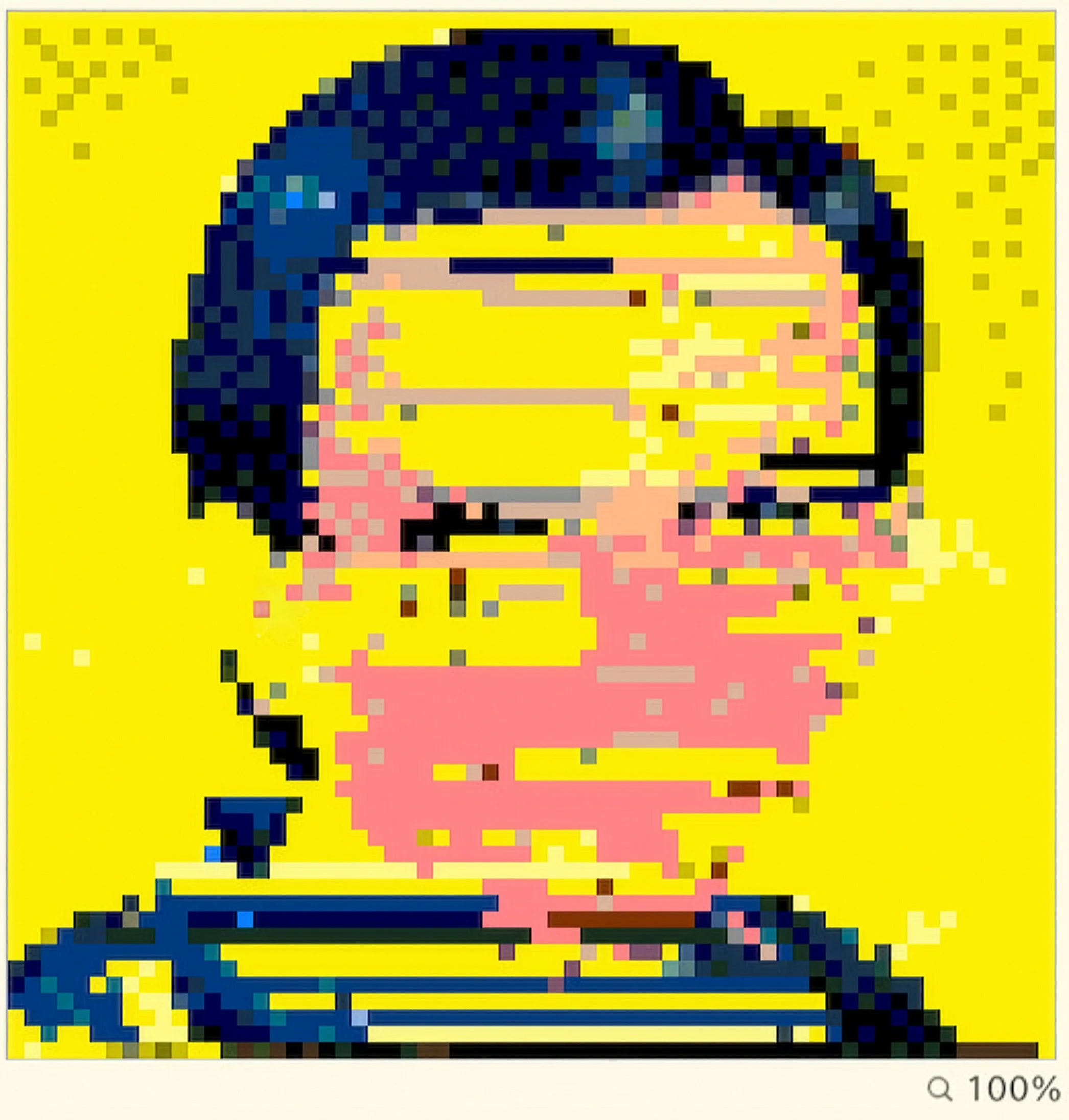
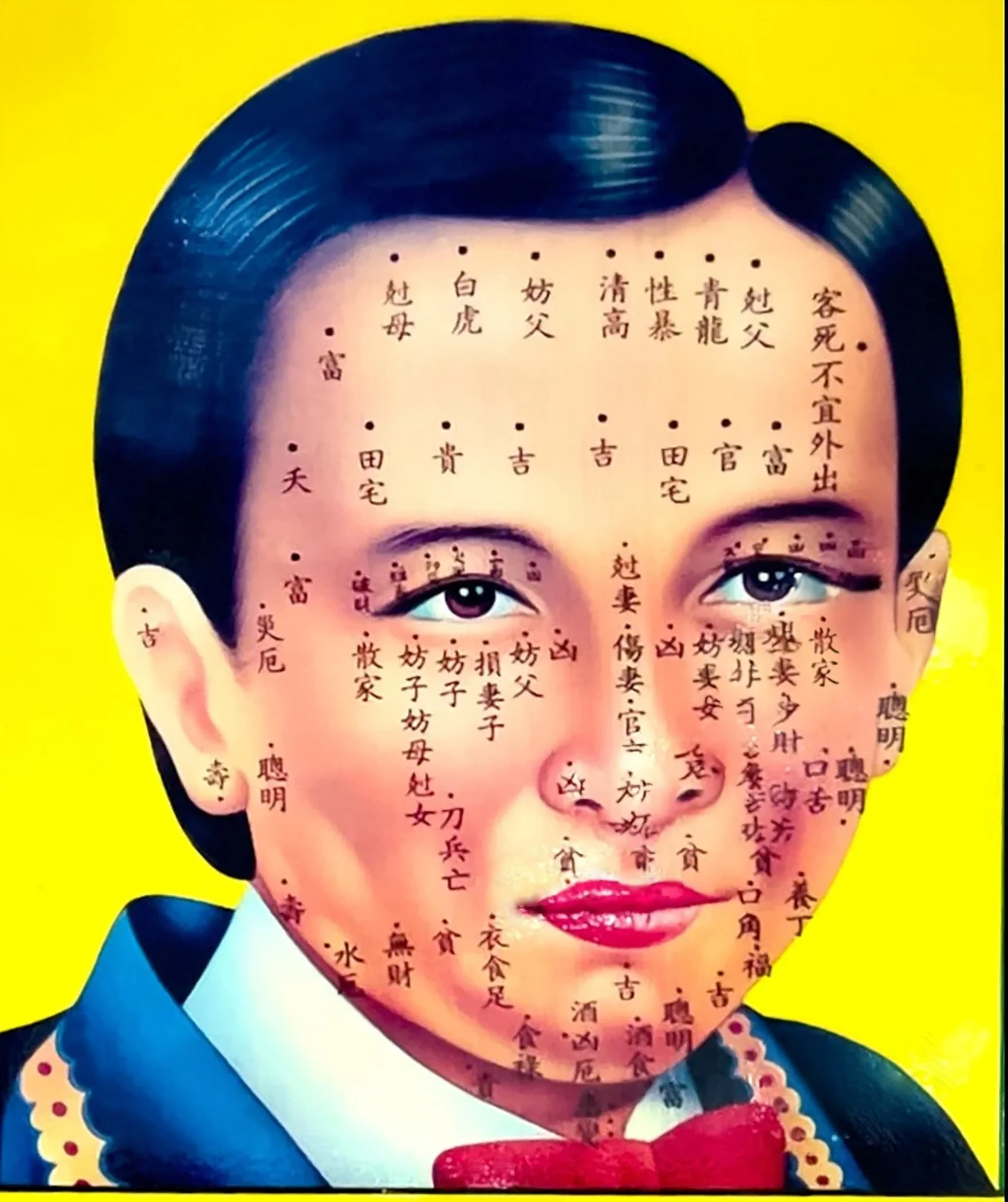
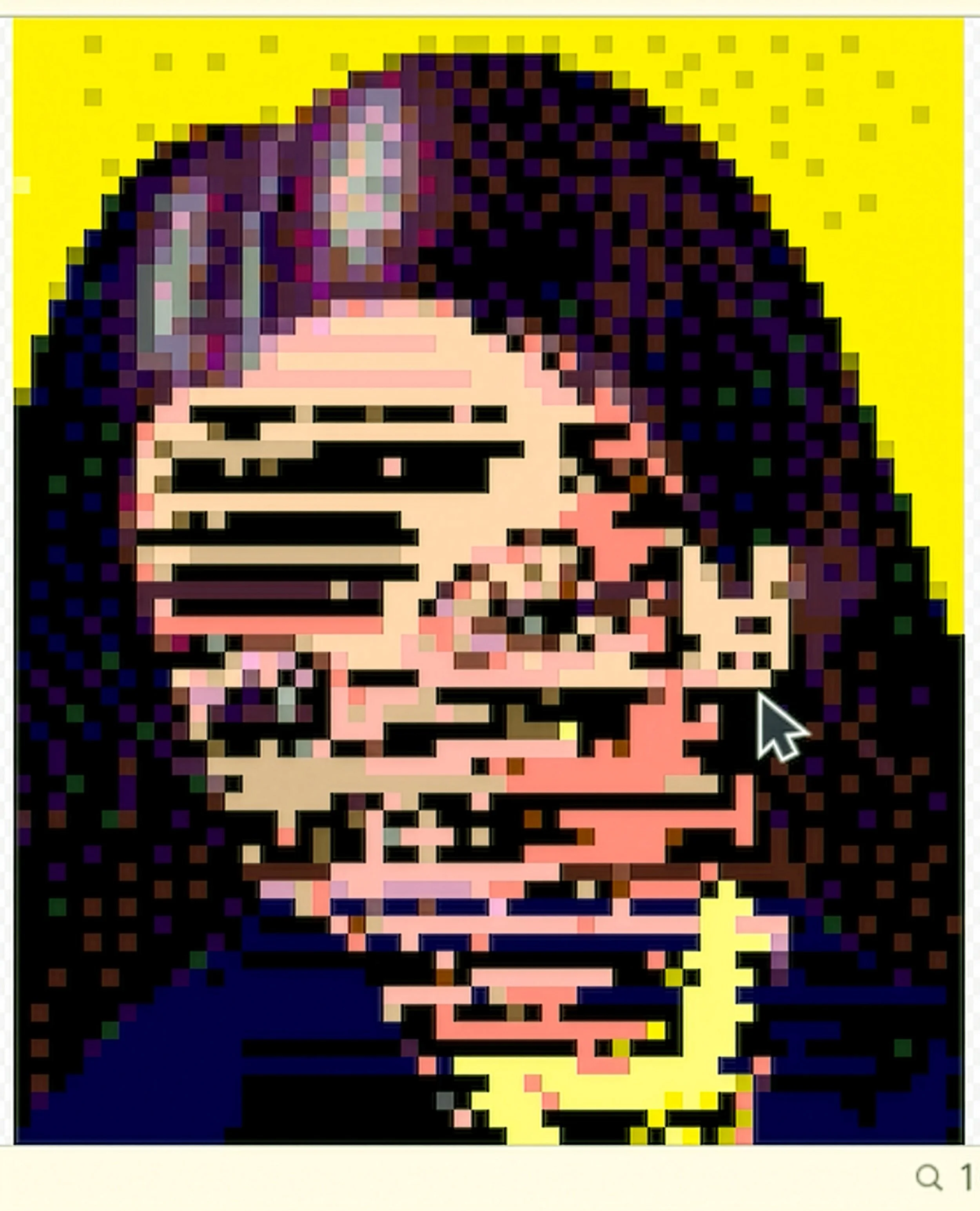
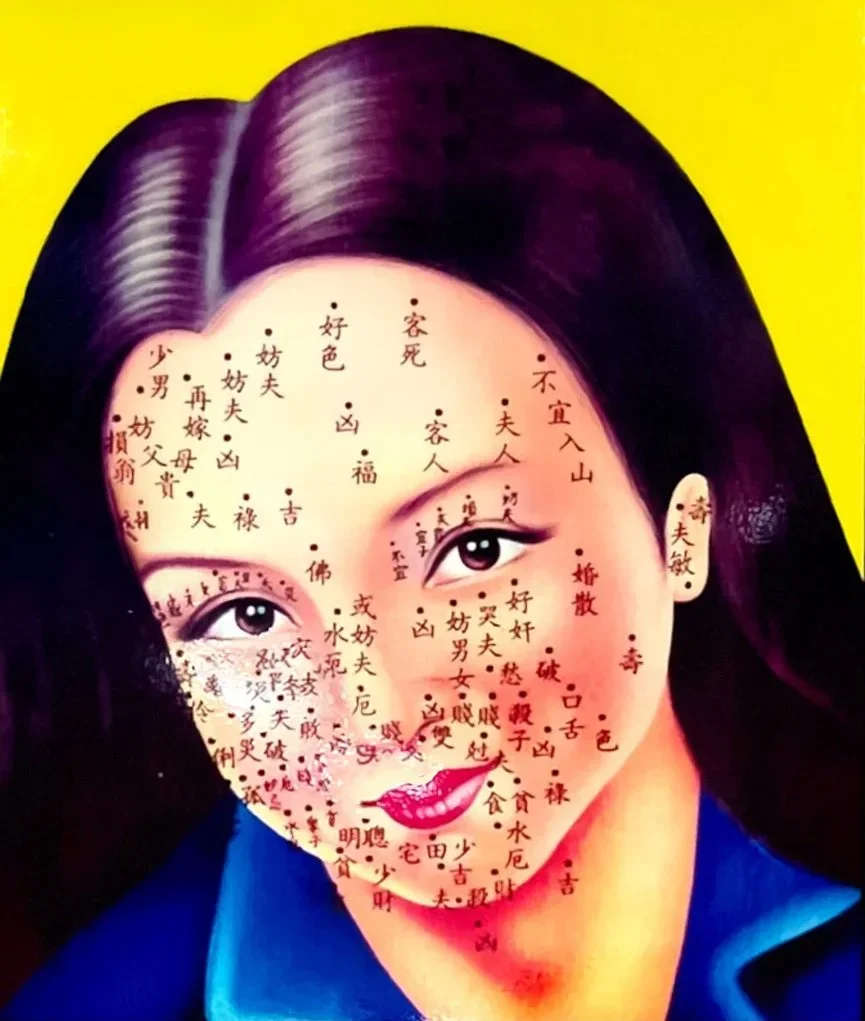
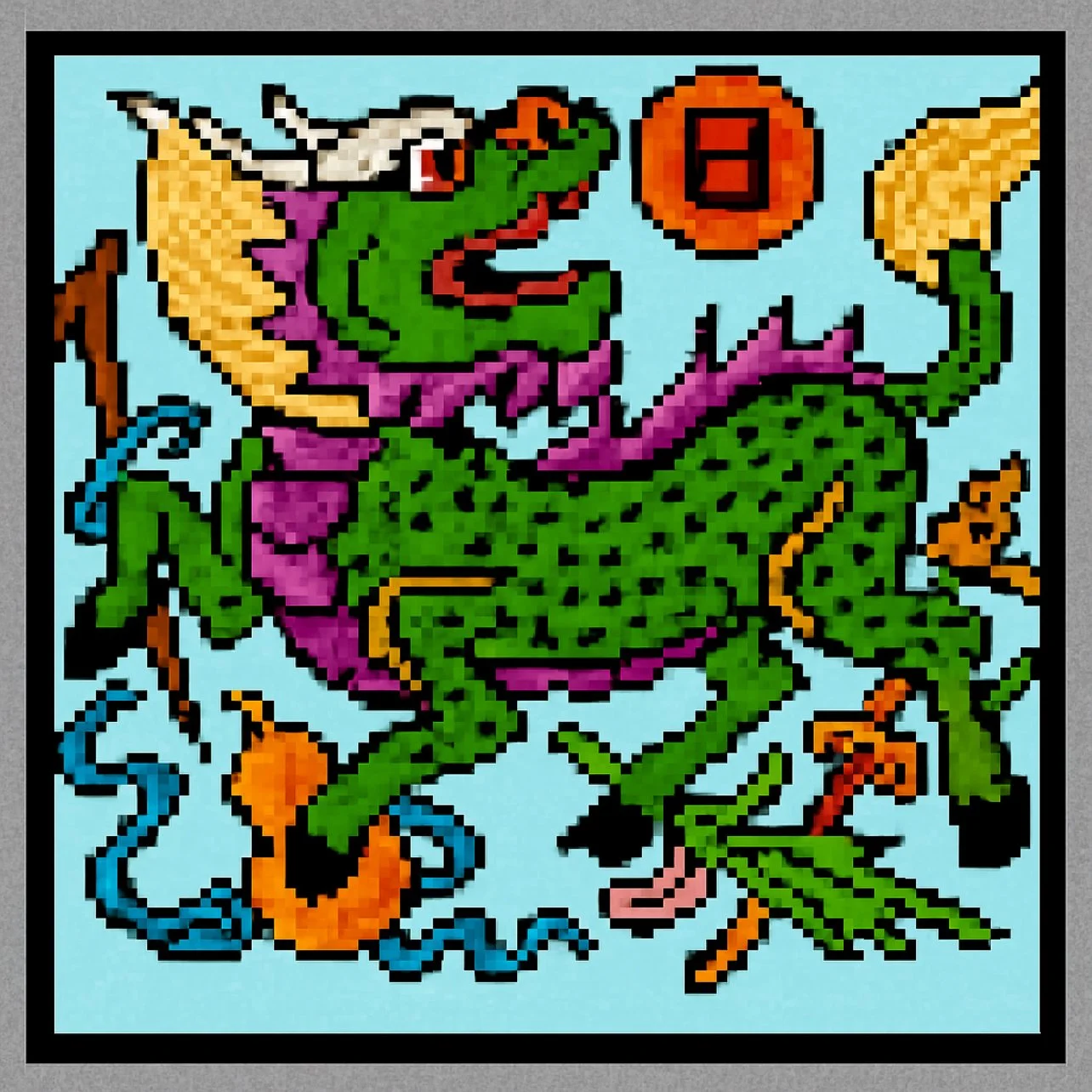
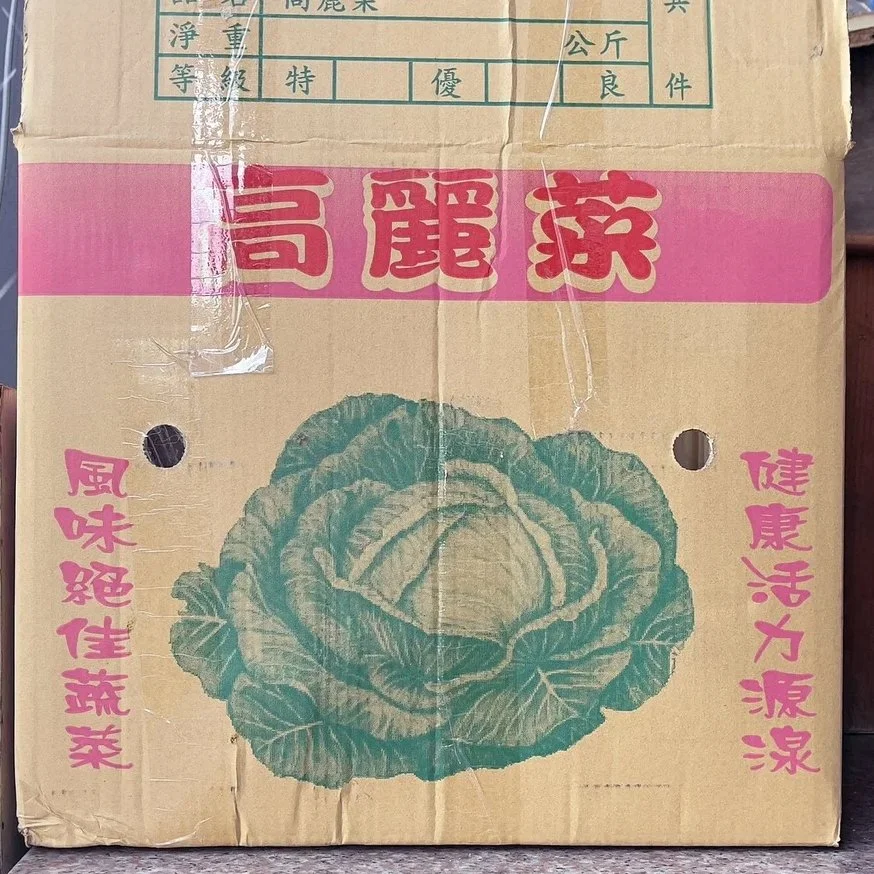
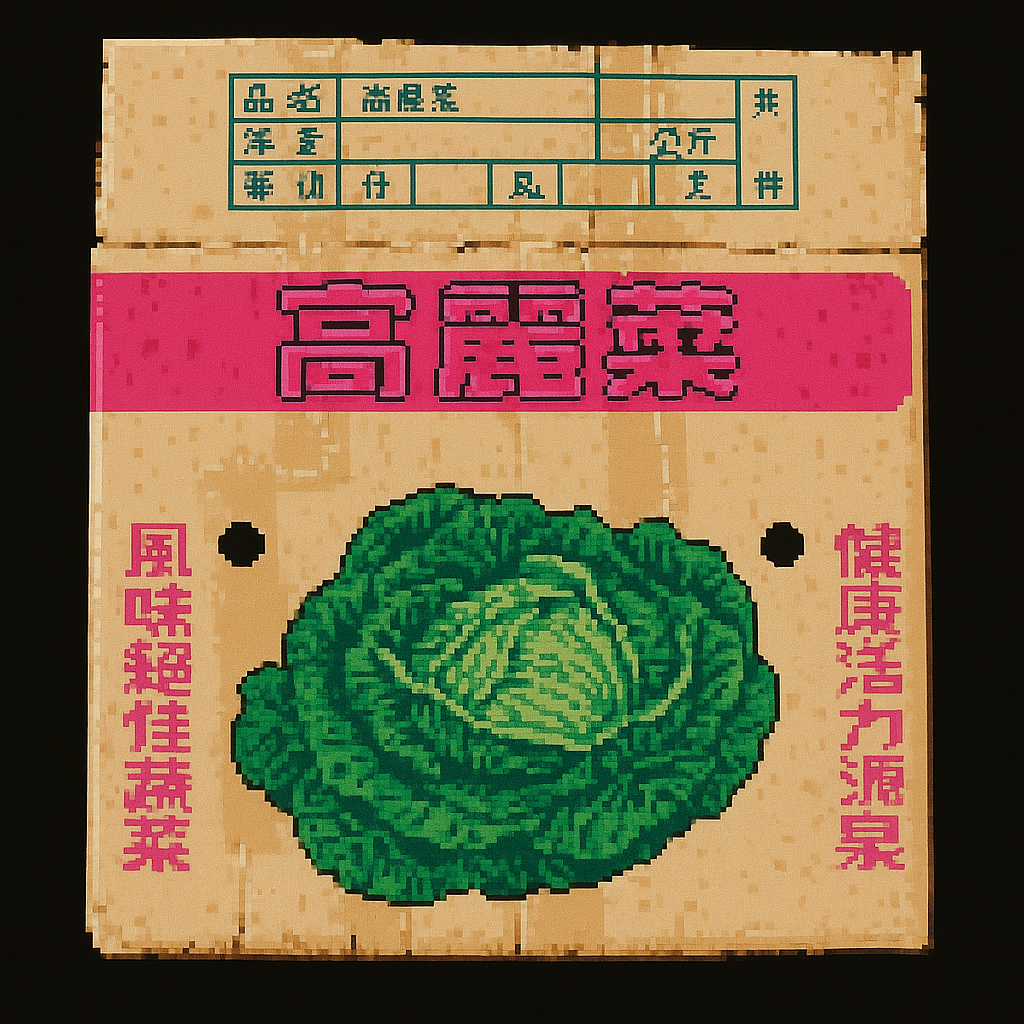
3. Generative pixel art portraiture.
Mini-games include adaptations of traditional Taiwanese fairground-style games intercut with video documentary cutaways. Pixel art derives from street photography, 3D scans, and interviews. Games explore simulation, interactivity, geography, and role-play for interactive documentary portraiture. Gaming methodologies include:
Evoked Gameplay - Spaces that reference pre-existing narrative association.
Enacted Gameplay - Spaces as staging grounds where narrative events are performed or whitenssed.
Embedded Gameplay - Spaces where narrative is distributed through the environment.
Emergent Gameplay - Spaces where narrative arises solely from gameplay.


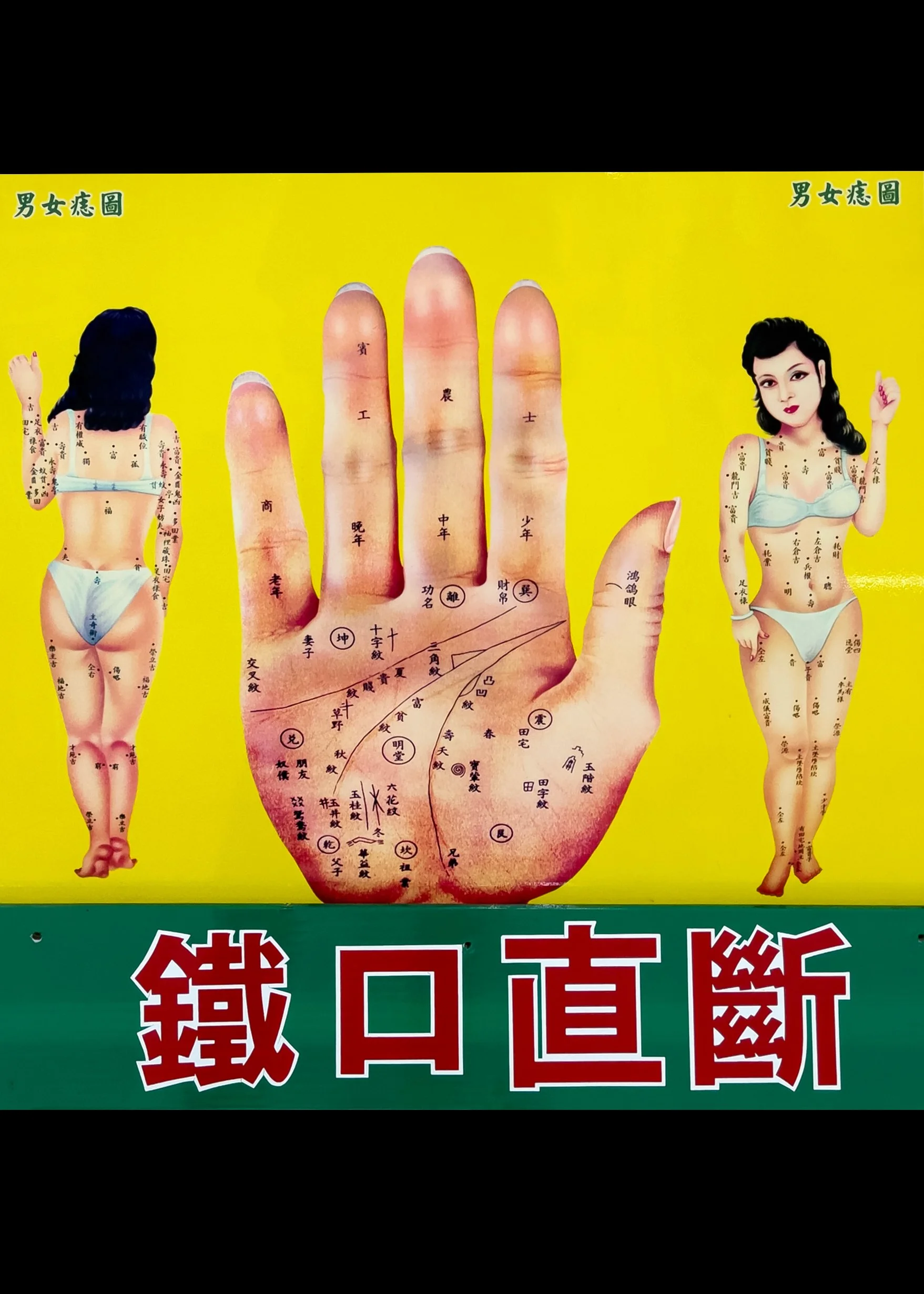


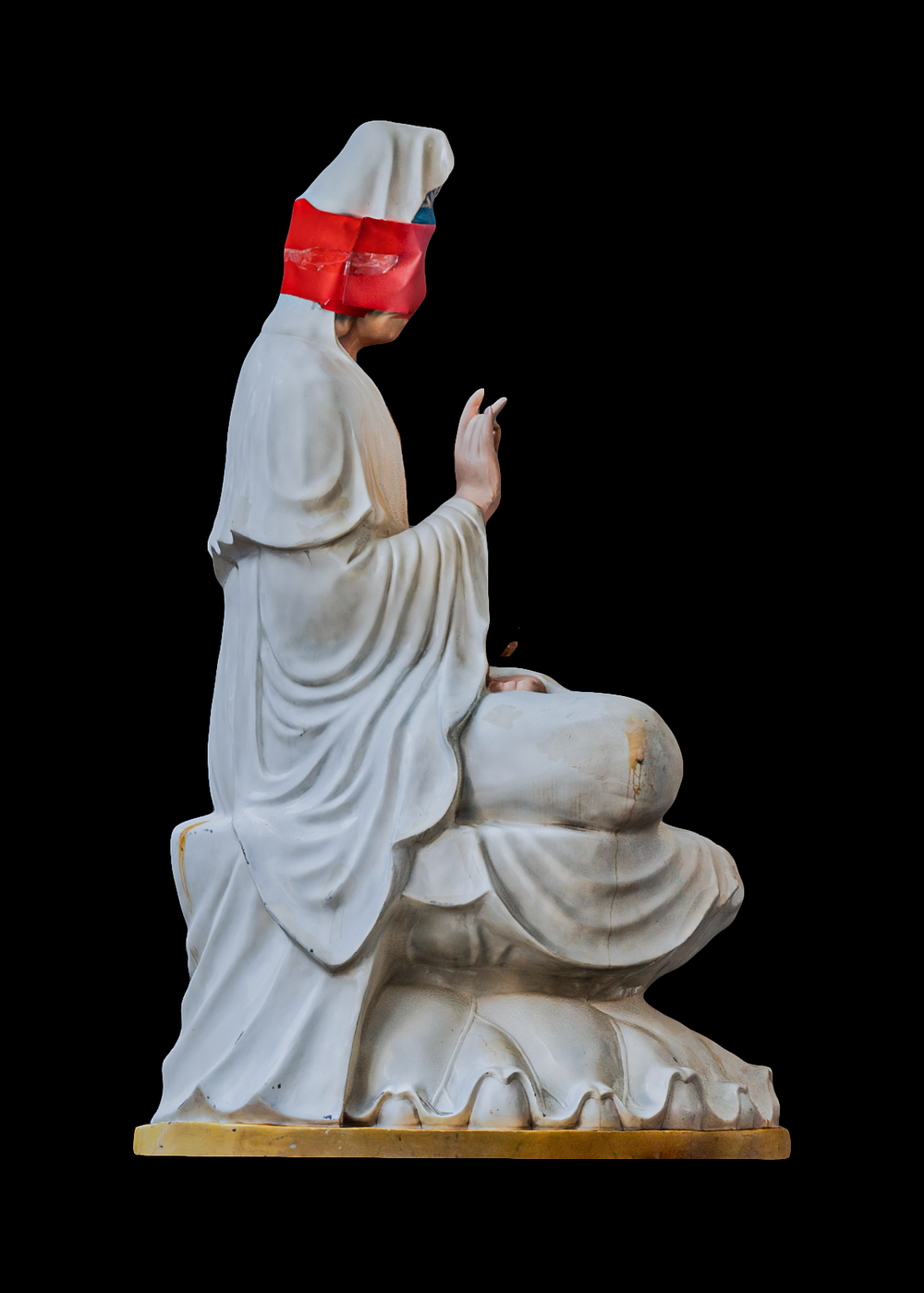










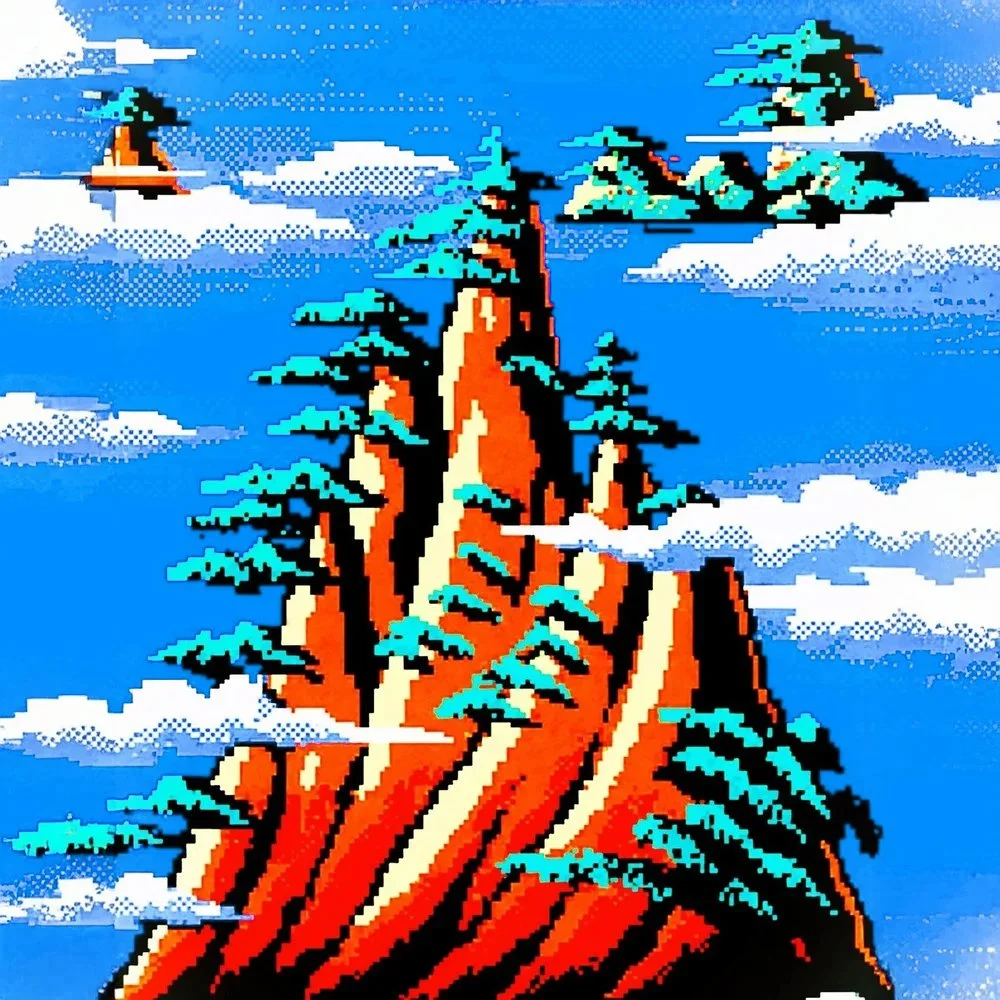

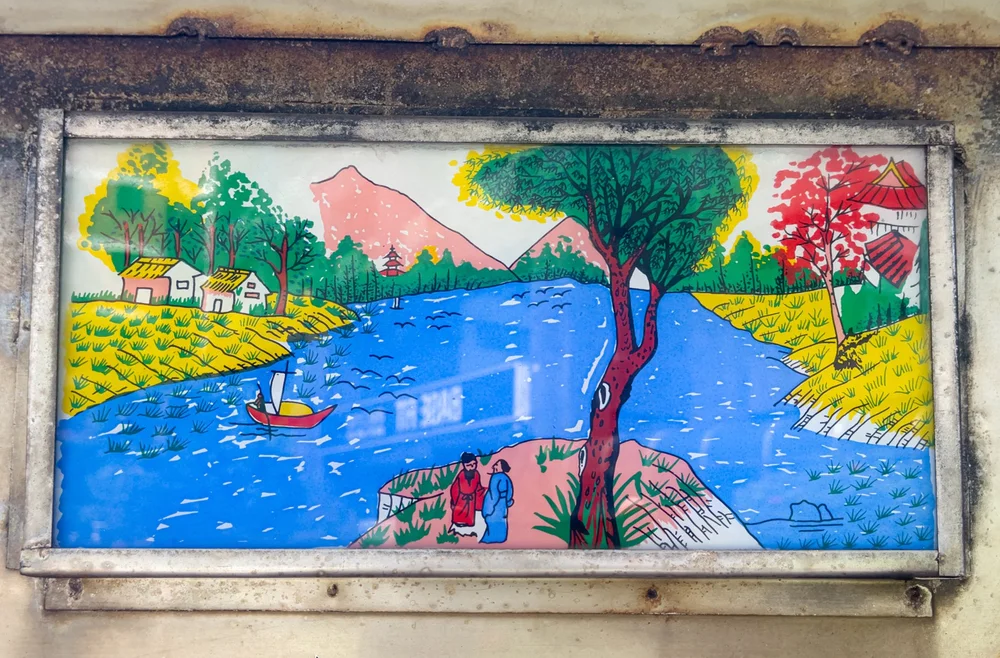
GAMING REFERENCES
Microgames
Video Documentary Cut Away Scenes
KINETIC
SCULPTURE
(PROTOTYPE AUTOMATED SCULPTURE IN DEVELOPMENT)